

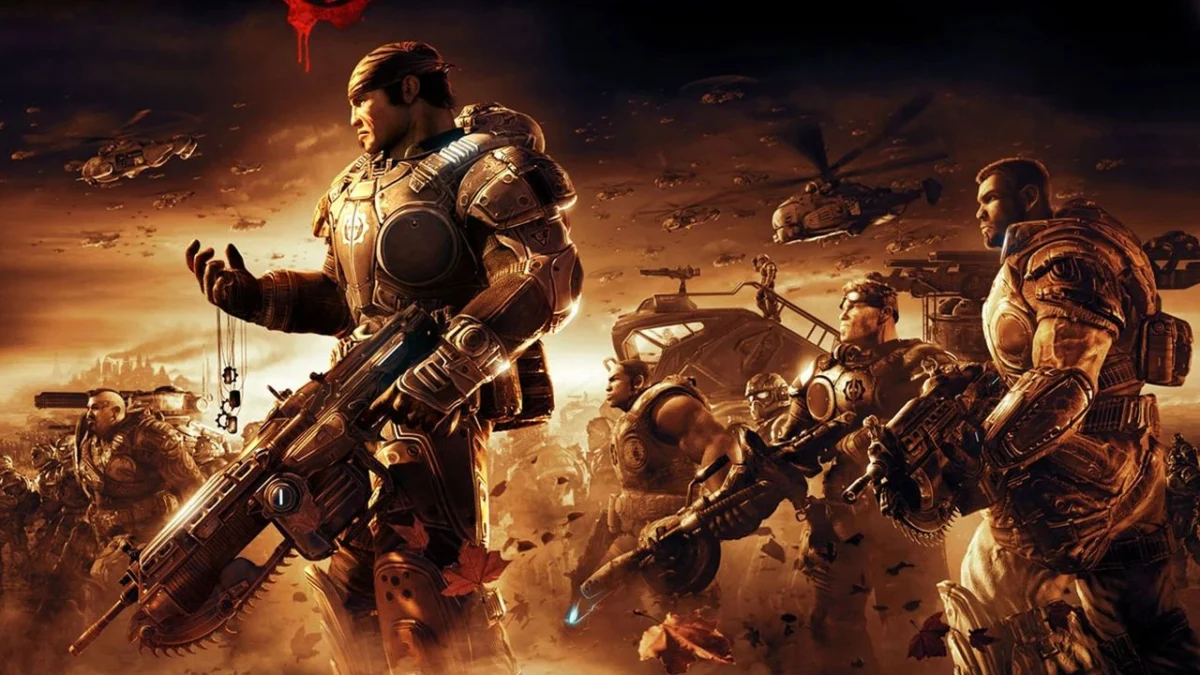
For nearly two decades, the Gears of War franchise stood as one of the most glaring omissions in the PC gaming landscape. While the original Gears of War saw a PC release in 2007, the subsequent entries—Gears of War 2 and Gears of War 3—remained firmly locked behind the hardware ecosystem of the Xbox 360. Now, thanks to the persistent efforts of a dedicated modder, the second installment of the iconic shooter series has finally arrived on the platform, albeit in an unofficial capacity.
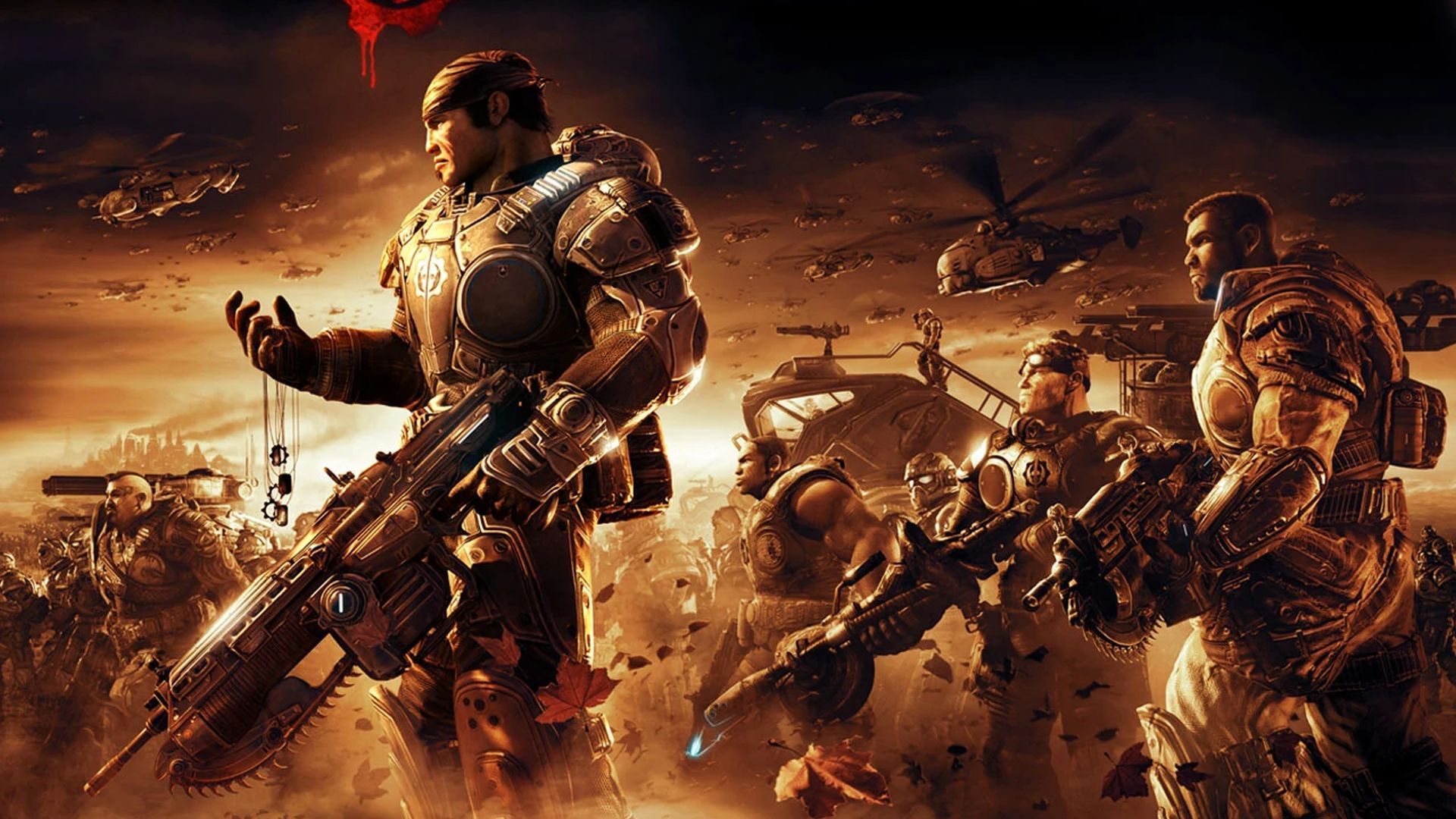
Gears of War 2: Hollow, a fan-made project developed by xHeliosx, has emerged as a landmark achievement in game preservation. By utilizing a long-lost leaked build containing original Windows binaries from 2008, the project allows PC players to experience the high-octane, visceral combat of the 2008 masterpiece.
The Missing Link in the Gears Saga
Gears of War 2 was, by all accounts, a masterclass in the "spectacle shooter" genre. It was a game defined by its pacing—perfectly suited for a weekend campaign run—and its sheer audacity. From the harrowing, claustrophobic trek through the innards of a colossal Riftworm to the grand-scale cinematic setpieces that redefined third-person cover shooters, the game was a hallmark of the Xbox 360 generation.
Yet, PC enthusiasts were left out in the cold. For years, the absence of the sequels on PC was a subject of much speculation and frustration. In the late 2000s, the primary justification often cited by industry figureheads was the looming shadow of digital piracy.
Cliff Bleszinski, the legendary lead designer behind the franchise, was particularly vocal during that era. In a 2008 interview, Bleszinski famously suggested that the demographic capable of building a high-end gaming PC—the very people who would appreciate the fidelity of a game like Gears—were the same individuals most likely to utilize BitTorrent to bypass retail software. This "down with piracy" phase became the unofficial epitaph for the series’ PC ambitions for over a decade.
A Chronology of Exclusion and Resurrection
The history of Gears of War on PC is a fragmented one. While the first game was successfully ported, the momentum stalled almost immediately.
- 2007: Gears of War (the original) releases on PC, receiving a lukewarm reception regarding its technical optimization, which arguably dampened Microsoft’s enthusiasm for further ports.
- 2008: Gears of War 2 launches on Xbox 360 to massive critical acclaim. During this same window, a developer build featuring Windows binaries surfaces online. This leak would sit dormant in the corners of the internet for 16 years.
- 2014: The Gears of War: Ultimate Edition is announced, but fans continue to lobby for the sequels to receive the same treatment.
- 2024: After years of quiet development, modder xHeliosx releases Gears of War 2: Hollow, a functional port utilizing the long-lost 2008 binaries.
This project is more than just a mod; it is an act of digital archeology. By repurposing the 2008 leak, xHeliosx has bypassed the lack of official support, effectively filling the "missing link" in the series’ history.
Technical Realities: What Hollow Offers
The Gears of War 2: Hollow project is not a perfect 1:1 recreation, but it is remarkably functional. It includes the "Road to Ruin" DLC and provides a reliable save system that triggers at the end of each chapter.
However, the reality of working with leaked, unfinished code means there are caveats. xHeliosx has been transparent about the limitations:
- Single-Player Focus: The mod is optimized for the campaign. While there are pathways to access multiplayer, it is largely untested and unsupported.
- File Sourcing: Due to the overwhelming popularity of the release, the original distribution channels, including the developer’s Discord server, have been stretched to their limits. Interested users are now forced to navigate secondary hosting sites like Pixeldrain to acquire the necessary files.
- Stability: As an unofficial port built on a developer build, users should expect the occasional quirk or stability issue that one wouldn’t encounter in a polished, modern PC release.
Despite these hurdles, the community response has been rapturous. For many, the ability to play Gears 2 on a mouse-and-keyboard setup—a control scheme that feels inherently better suited to the cover-based tactical shooting of the series—is a dream realized.
The Industry Context: Why It Matters Now
The arrival of Gears of War 2: Hollow coincides with a shifting philosophy at Microsoft. Following the acquisition of Bethesda and Activision Blizzard, and the broader push to make Xbox games available on multiple platforms, the "console exclusive" wall has begun to crumble.
When Microsoft officially announced Gears of War: E-Day, the latest prequel in the franchise, they confirmed that it would be coming to PC. This marks a stark contrast to the era of 2008, where the PC was viewed as a threat to be managed rather than a market to be captured.
The success of fan projects like Hollow highlights the demand for legacy content. It suggests that even when corporations abandon older titles, the player base remains invested in their preservation. While Microsoft has done an admirable job with backward compatibility on Xbox Series consoles, the PC platform has historically lacked a native way to play the full Gears library.
Implications for Game Preservation
The Gears of War 2: Hollow release serves as a case study in the power and peril of unofficial preservation.
The Argument for Official Support
When companies like Microsoft decline to port older titles, they cede control of their intellectual property to the modding community. While this fosters goodwill, it also creates legal grey areas. The reliance on leaked, internal binaries is technically a copyright infringement, yet it is the only way for the public to access a piece of gaming history that would otherwise rot in a vault.
The Community as Custodian
The modding community has proven time and again that it is the true steward of gaming heritage. From the Skyrim modding scene to the efforts of the OpenMW team, fans are effectively "finishing" games that developers left behind.
In the case of Gears of War, this unofficial port serves as a bridge between the past and the future. By allowing players to revisit the franchise’s peak narrative moments, it keeps the lore alive and builds anticipation for the upcoming E-Day.
Conclusion: A Victory for the PC faithful
Gears of War 2: Hollow is a testament to the tenacity of the PC gaming community. While it may not carry the stamp of an official Microsoft release, it satisfies a long-standing desire to play one of the most important shooters of the 2000s on the platform of choice.
As the industry moves toward a future where "platform" matters less and "access" matters more, projects like Hollow remind us that games are not merely products—they are cultural artifacts. Whether through official remasters or the tireless work of individuals like xHeliosx, the history of Gears of War is finally being unified. For those who spent years waiting to charge into the Locust tunnels with a Lancer in hand, the wait is finally over. The war for Sera has arrived on PC, and it is every bit as glorious as we remembered.

