

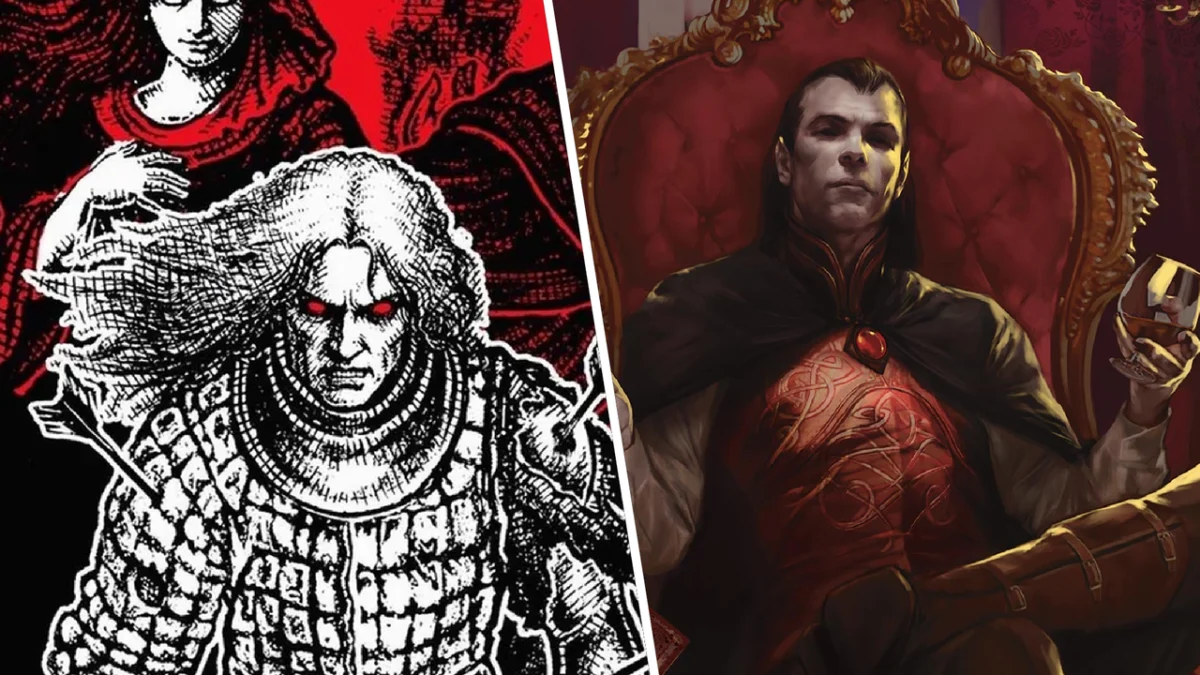
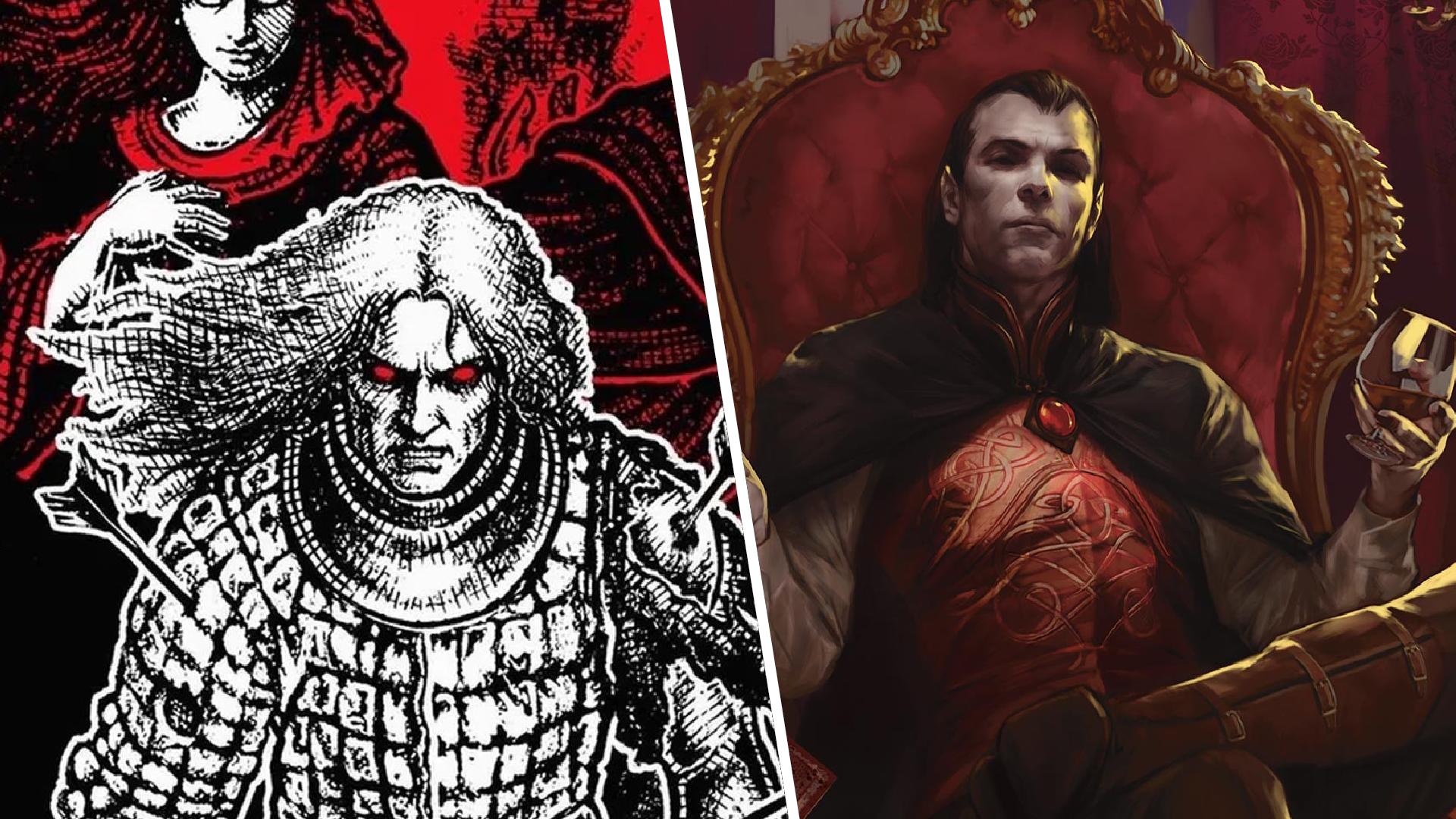
The tabletop roleplaying game (TTRPG) industry is currently undergoing a peculiar, albeit predictable, transformation. Ghostfire Gaming, in an officially licensed collaboration, has announced Bound by Blood, a new rulebook designed to import the gothic horror mechanics of Vampire: The Masquerade into the world of Dungeons & Dragons (D&D) 5th Edition.
While the announcement has been met with excitement by a segment of the player base eager to see more "vampiric" character options, it has simultaneously ignited a broader, long-simmering debate regarding the "D&D-ification" of the entire tabletop hobby. As Dungeons & Dragons continues to occupy the lion’s share of the market, publishers are increasingly incentivized to build within its walls, raising questions about whether we are witnessing a golden age of accessibility or a stagnation of creativity.
The Mechanics of Bound by Blood
Bound by Blood is marketed as a comprehensive expansion, promising to bridge the gap between high-fantasy heroism and the dark, political intrigue of the World of Darkness. The tome includes a dedicated "Kindred" class, which serves as the core framework for playing a vampire within the D&D engine. To add depth, the book features six distinct subclasses, a 4th-level pre-written adventure, a suite of new feats, and expanded mechanical systems designed to simulate the specific tropes of vampirism—such as hunger management, sun sensitivity, and supernatural disciplines—within the constraints of 5th Edition’s ruleset.
For the average player, this represents a significant quality-of-life upgrade. Prior to this, homebrewing a balanced vampire character required extensive effort from Dungeon Masters (DMs), often leading to overpowered "glass cannon" builds or mechanics that felt tacked on. By codifying these elements into an official, playtested book, Ghostfire Gaming is providing a structured path for players to lean into the archetypes popularized by recent media, including the complex, tortured vampire narratives seen in Baldur’s Gate 3.
A Chronology of Cross-Pollination
The trend of adapting non-D&D concepts into the D&D engine is not new, but it has accelerated in recent years. To understand the current landscape, one must look at the trajectory of the industry over the last decade:
- 2014-2016: The launch of D&D 5th Edition revitalizes the hobby, creating a massive influx of new players. Independent creators begin flooding the DMs Guild with homebrew content, testing the limits of the system.
- 2018-2020: The rise of actual-play shows like Critical Role cements D&D as the primary cultural touchstone for TTRPGs. Publishers outside of the Hasbro umbrella realize that to reach a wide audience, they must either compete with D&D or integrate with it.
- 2021-2023: The global success of Baldur’s Gate 3 and the subsequent surge in interest for dark fantasy, blood-magic, and "gothic" characters creates a demand that base D&D simply cannot satisfy.
- 2024: Bound by Blood is announced. This marks a milestone where a property known for its distinct, separate identity (Vampire: The Masquerade) is essentially being licensed to serve as a skin for the industry giant, rather than standing as a competitor.
The Business of "D&D-ifying" Everything
From a purely commercial perspective, the logic is sound. Ghostfire Gaming is a third-party publisher navigating a notoriously difficult market. In an industry where shelf space is limited and discovery is governed by algorithms that prioritize "D&D 5e compatible" tags, there is a clear survival instinct at play.
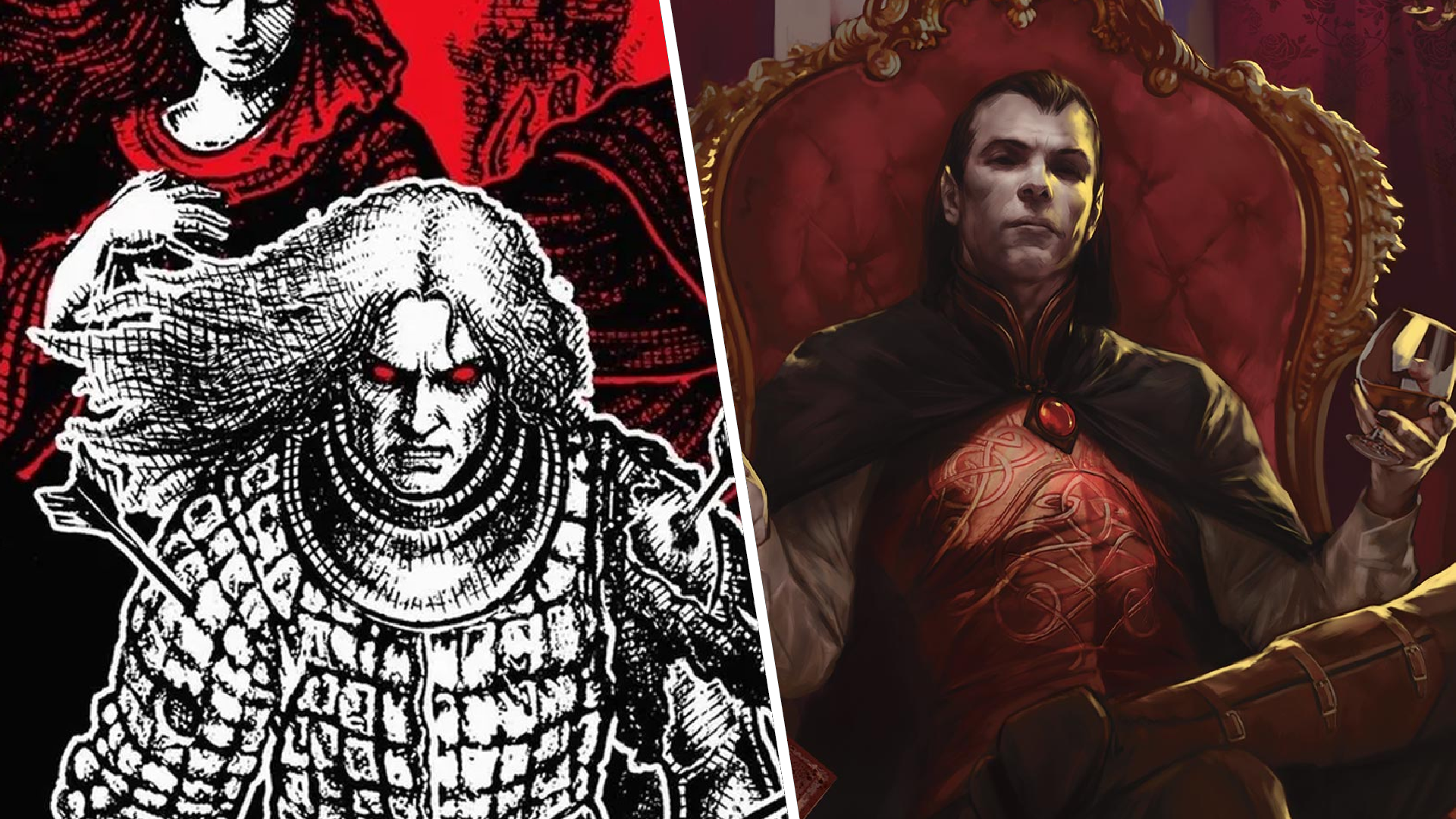
However, this phenomenon has created a "prison of one system." When the vast majority of resources, time, and creative energy are funneled into modifying D&D, other systems suffer from a lack of visibility. While Dungeons & Dragons is exceptionally good at high-fantasy, turn-based combat, it is notoriously ill-equipped to handle the nuance of social deduction, true horror, or gritty, low-power survival—the very things that define the Vampire: The Masquerade experience.
Supporting Data: The Systemic Divide
The disparity between systems is not merely a matter of opinion; it is a matter of design philosophy.
- D&D 5e: Built around the "adventuring day" and power progression. It is a game about becoming a superhero who kills monsters.
- Vampire: The Masquerade (V5): Built around "personal horror." It is a game about losing one’s humanity, maintaining social standing in a secret society, and managing the "Beast" within.
When you strip the Vampire experience down to fit into a D&D subclass, you inevitably lose the mechanical weight of the "Masquerade" itself. You gain the ability to cast Vampiric Touch, but you lose the existential dread of being a monster. Players are essentially trading thematic integrity for the comfort of a system they already know.
Implications for the Hobby’s Future
The broader implication is that the TTRPG industry is becoming increasingly monolithic. When creators focus on "D&D-ifying" their concepts, they inadvertently discourage players from ever learning a new system.
If you want to play a vampire, why not play the game designed for vampires? The common defense is that "learning new rules is hard." Yet, this perspective underestimates the intelligence of the gaming community. If a player can learn the complex spell lists, multi-classing interactions, and feats of a high-level D&D character, they are more than capable of learning the dice pools of World of Darkness, the tactical depth of Pathfinder 2e, the atmospheric terror of Mothership, or the narrative fluidity of Powered by the Apocalypse (PbtA) games.
The danger of this trend is the stagnation of game design. If the industry only rewards content that plugs into the D&D machine, then the innovative mechanics being developed in smaller, niche systems will fail to reach the mainstream. We risk entering an era where every story, regardless of its genre—be it science fiction, cosmic horror, or urban fantasy—is told through the lens of a dungeon-crawling combat simulator.
Official Stance and Community Reaction
While Ghostfire Gaming has remained focused on the production value and mechanical utility of Bound by Blood, the reception has been bifurcated. On social media platforms and tabletop forums, the response ranges from "This is exactly what I needed for my homebrew campaign" to "Why are we diluting a classic gothic RPG to fit a mold it wasn’t built for?"
The industry leaders at Wizards of the Coast have largely remained silent on the proliferation of these third-party supplements, as they benefit from the ecosystem regardless. The "D&D brand" acts as a magnet, drawing in players who might otherwise never engage with a TTRPG at all. However, as the market becomes saturated with these add-ons, the distinction between "a game about dungeons and dragons" and "a game that uses the D&D ruleset to do everything else" continues to blur.
Conclusion: The Call to Diversify
Bound by Blood is, in isolation, a perfectly functional and likely enjoyable piece of content. For a group of friends looking to spice up their Curse of Strahd campaign or add a new layer to their home games, it is a convenient, well-crafted tool.
However, the trend it represents should be viewed with caution. The strength of the TTRPG hobby lies in its diversity of expression. Different stories require different tools. Just as one wouldn’t use a screwdriver to hammer a nail, players shouldn’t feel compelled to use the D&D engine to tell every kind of story.
If you love the flavor of vampires, the dark politics of the Kindred, and the struggle against the beast, the best way to experience it is to open the core rulebook for Vampire: The Masquerade. You won’t burn up in the sunlight by learning a new set of rules—in fact, you might find that the rules you were avoiding are exactly what you needed to tell the story you truly wanted to tell all along. Diversity in play leads to depth in storytelling, and the hobby is richer when we step outside the dungeon and into the wider, darker world of tabletop design.

