

For decades, the personal computer has served as a gateway to professional opportunity, creative expression, and social connection. Yet, for millions of people living with limited mobility, the standard suite of gaming peripherals—the mechanical keyboard and the ergonomic mouse—remains a barrier rather than a bridge. As the gaming industry pivots toward higher performance and more complex inputs, the gap between able-bodied players and those with physical disabilities has often widened.
However, a new wave of assistive "Skinware" is emerging, designed to integrate seamlessly with the human body. At the forefront of this movement is Augmental, a startup that has officially launched the "Mouth Pad"—a custom-fit, tongue-operated interface that is fundamentally changing how users interact with PCs, tablets, and smartphones.
The Evolution of Assistive Tech: From Prototypes to Precision
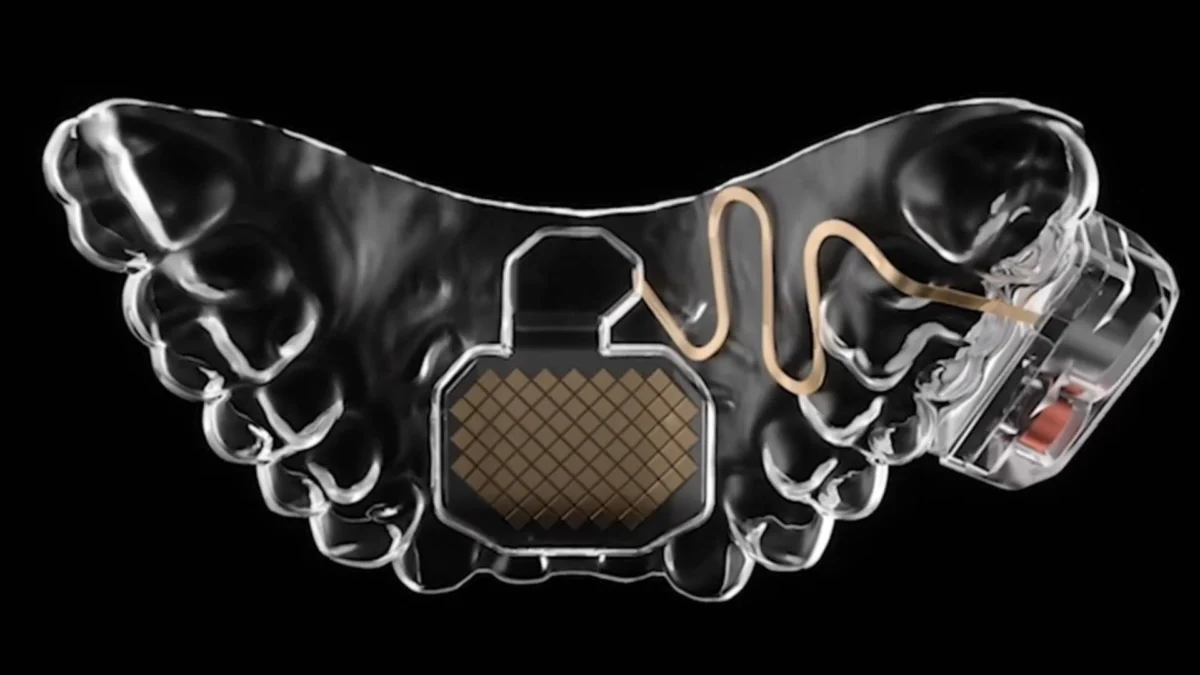
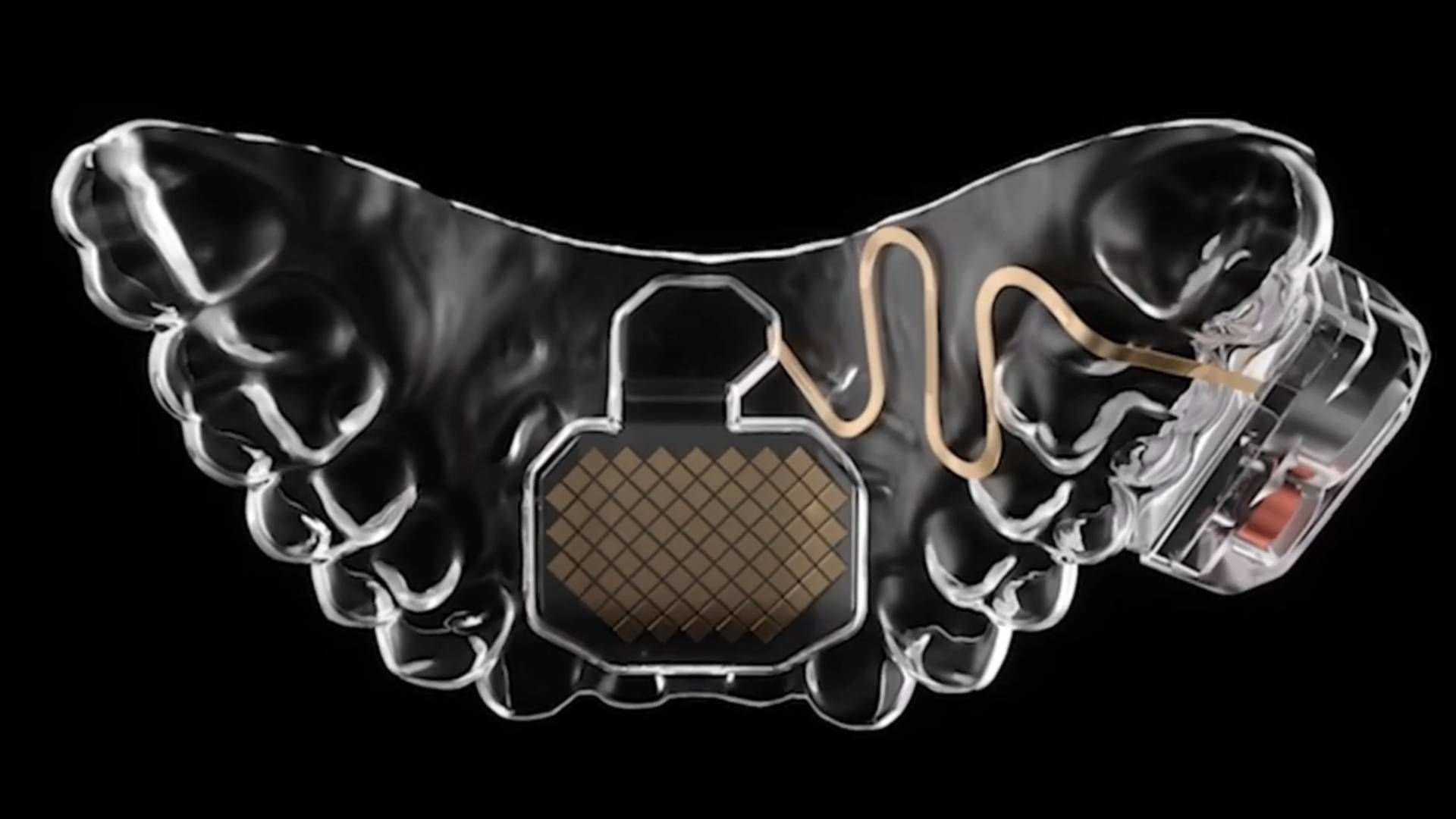
The Mouth Pad represents a significant leap forward in human-computer interaction (HCI). Resembling the top half of a standard dental retainer, the device is crafted from 3D-printed dental resin, housing a network of flexible, high-sensitivity circuits.
Unlike traditional mouth-operated joysticks—which often require a user to physically push against a rigid rod—the Mouth Pad utilizes a touch-sensitive surface across the roof of the mouth. By running their tongue over this trackpad, or by utilizing an integrated head-tracking mode, users can achieve precise cursor movement and execute complex commands.
The mechanism for interaction is intuitive: clicking is registered by a simple press of the tongue against the palate, while right-click and secondary functions are activated through "sip and puff" or suction-based gestures. This allows for fluid, high-speed input that feels less like operating a machine and more like an extension of the user’s own motor skills.
A Chronology of Innovation: From MIT Labs to Consumer Reality
The genesis of the Mouth Pad lies in the academic rigor of the Massachusetts Institute of Technology (MIT). In 2019, while completing his final semester, Augmental CEO Tomás Vega began experimenting with what he then described as a "lollipop with a bunch of sensors." His goal was ambitious: to create a device that offered the control of a mouse without requiring the use of hands.
Vega’s trajectory was heavily influenced by a stint at Neuralink, the neurotechnology company founded by Elon Musk. While he recognized the revolutionary potential of brain-machine interfaces (BMIs), Vega noted a critical disconnect between the pace of medical research and the immediate needs of the disability community.
"A brain implant has the highest potential for helping people in the future, but I saw a number of limitations that pushed me from working on it right now," Vega stated during a 2024 interview with MIT News. "One is the long timeline for development. I’ve made so many friends over the past years that needed a solution yesterday."
This realization prompted Vega to co-found Augmental alongside Corten Singer. The duo spent the following years iterating on the design, collaborating with roughly 100 early access users to ensure the device was not only functional but comfortable for prolonged use. Among these early testers was the renowned streamer "RockyNoHands," who has gained fame for his high-level gameplay in titles like Call of Duty—proving that the Mouth Pad is capable of handling the twitch-reflex demands of modern competitive gaming.
Supporting Data and Technical Specifications
The Mouth Pad currently operates via Bluetooth, offering a tether-free experience that mimics standard wireless mice. While it is a groundbreaking piece of engineering, it is still subject to the constraints of modern battery technology.
- Battery Life: The device provides approximately seven hours of continuous use on a single charge.
- Charging Time: A full recharge cycle takes roughly 90 minutes.
- Form Factor: Each unit is custom-molded to the user’s unique dental anatomy, ensuring a secure fit that prevents slippage during intense gaming sessions.
- Compatibility: The device is compatible with most modern operating systems, appearing as a standard input device (HID), which allows it to work out-of-the-box with Windows, macOS, and Android platforms.
While seven hours of battery life may fall short of the multi-day longevity found in high-end gaming mice, it is a significant achievement for a device that must remain small enough to be worn comfortably in the mouth.
The Cost of Inclusion: A Financial Hurdle
Despite the technological triumph, the Mouth Pad currently sits at a price point of $1,400 per unit, with a $1,900 bundle option for those requiring a backup or secondary unit. This high barrier to entry is largely due to the bespoke nature of the manufacturing process and the fact that the device has not yet received FDA approval.
Without FDA clearance, the Mouth Pad cannot be classified as a "durable medical equipment" (DME), which means it is currently ineligible for insurance reimbursement in the United States. For many in the disabled community, $1,400 is an prohibitive amount, especially given the already high costs associated with managing physical disabilities.
Industry analysts suggest that as Augmental scales its production and moves through the regulatory approval process, these costs could potentially decrease. However, for now, the burden remains on the individual user, highlighting a broader issue within the tech industry: the "accessibility tax."
Implications for the Future of HCI
The implications of the Mouth Pad extend far beyond the gaming sphere. By enabling hands-free computer control, the device provides a pathway to digital independence for individuals with conditions such as spinal cord injuries, cerebral palsy, or amyotrophic lateral sclerosis (ALS).
When a user can navigate an operating system with their tongue, they can browse the web, write code, create digital art, and communicate with the world. The Mouth Pad serves as a "body-coupled interface" that treats the tongue—a muscle with exceptional dexterity and precision—as a primary input organ.
Moreover, the success of the Mouth Pad challenges the gaming industry to rethink its reliance on standard controllers. The "Call of Duty" success of early adopters like RockyNoHands proves that physical limitations are not a ceiling for skill, provided the interface allows for nuance. As developers become more aware of these devices, we may see more games designed with "input-agnostic" philosophies, where control schemes are modular and easily remapped to suit diverse physical requirements.
Conclusion: The Road Ahead
Augmental’s Mouth Pad is more than a niche gadget; it is a proof-of-concept for a more inclusive future. By choosing to develop an external, non-invasive wearable rather than an invasive neural implant, Vega and his team have created a solution that is ready for the market today, not a decade from now.
While the current price tag remains a significant obstacle to widespread adoption, the path forward is clear. As regulatory hurdles are cleared and manufacturing becomes more efficient, the dream of "gaming for all" becomes increasingly tangible. For now, the Mouth Pad stands as a testament to the idea that technology should not just reflect the capabilities of the masses, but expand to meet the needs of the individual.
In the competitive, often exclusionary landscape of PC gaming, the Mouth Pad is a silent but powerful statement: the ability to play, compete, and connect is a fundamental right that deserves to be accessible to every person, regardless of their physical configuration.

