

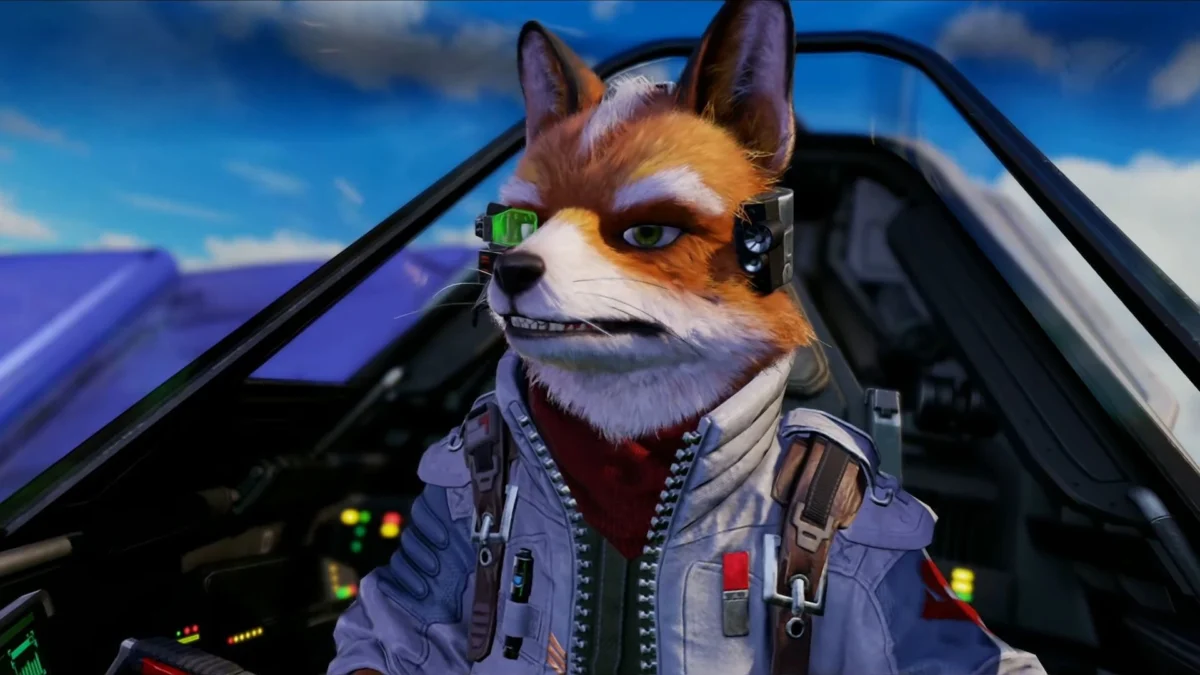
For decades, the Star Fox franchise has occupied a peculiar space in Nintendo’s library. While Mario, Zelda, and even the more obscure Donkey Kong have enjoyed consistent reinvention and frequent releases, the adventures of Fox McCloud have often felt like a series of fits and starts. If you recently spotted Fox in The Super Mario Galaxy Movie, you might have been forgiven for mistaking him for a Super Smash Bros. veteran rather than the pilot of one of gaming’s most pioneering 3D flight series.
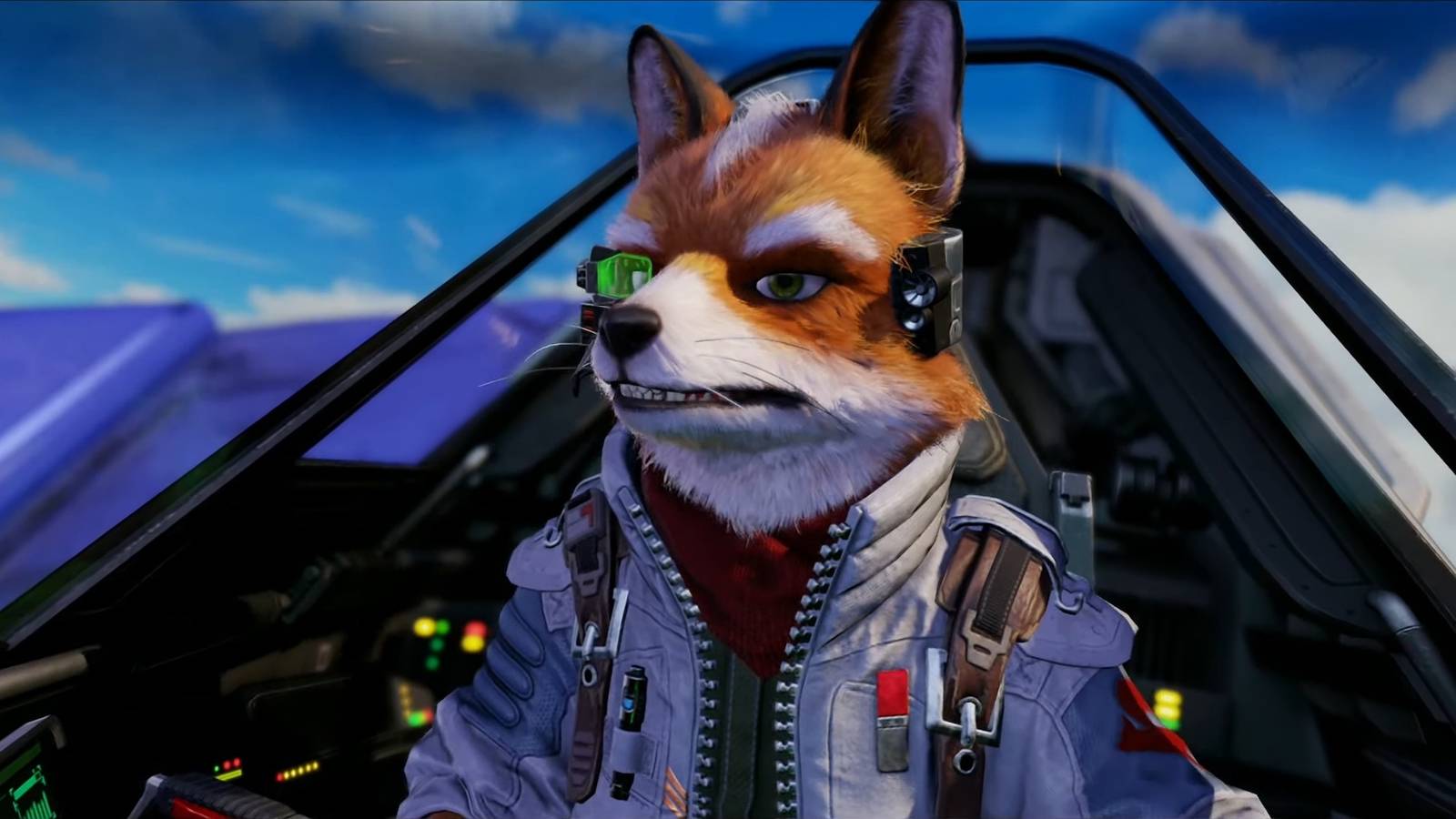
With the 2026 release of the Velan Studios Star Fox remake, the vulpine mercenary is once again performing his signature barrel rolls onto the Nintendo Switch 2. While this latest entry serves as a muted return after years of silence, it also hints at a deeper, more narrative-driven future for the Lylat System.
A Star(Fox) Is Born: The 3D Pioneer
To understand the significance of the 2026 remake, one must look back to 1993. Four years before the blocky, emotional weight of Final Fantasy VII changed the industry’s perception of 3D gaming, Nintendo and Argonaut Games released Star Fox for the Super Nintendo.
At the time, it was a technical marvel. By utilizing the Super FX chip, Nintendo proved that "old-school" arcade design philosophies—tight, fast-paced, and reflex-heavy—could translate perfectly into a 3D space. It was a bold statement, positioning Nintendo as a technical powerhouse during a transitional era. Shigeru Miyamoto, the series’ creator, famously leaned into his love of puppet dramas and animal motifs, establishing an aesthetic that still influences the series today—including the deliberate, tactile visual direction seen in the latest Switch 2 iteration.
The true lightning-in-a-bottle moment arrived in 1997 with Star Fox 64. While it shared the structural DNA of its predecessor, it expanded the scope significantly. It introduced a branching path system that remains the gold standard for replayability in rail shooters, offering over two dozen unique routes across a dozen planets. The story became iconic: the fall of James McCloud, the betrayal by Pigma Dengar, and the rise of the malevolent scientist Dr. Andross. It set a narrative template that Nintendo would struggle to iterate upon without alienating its fanbase.
The Era of Experimentation: Adventures and Assault
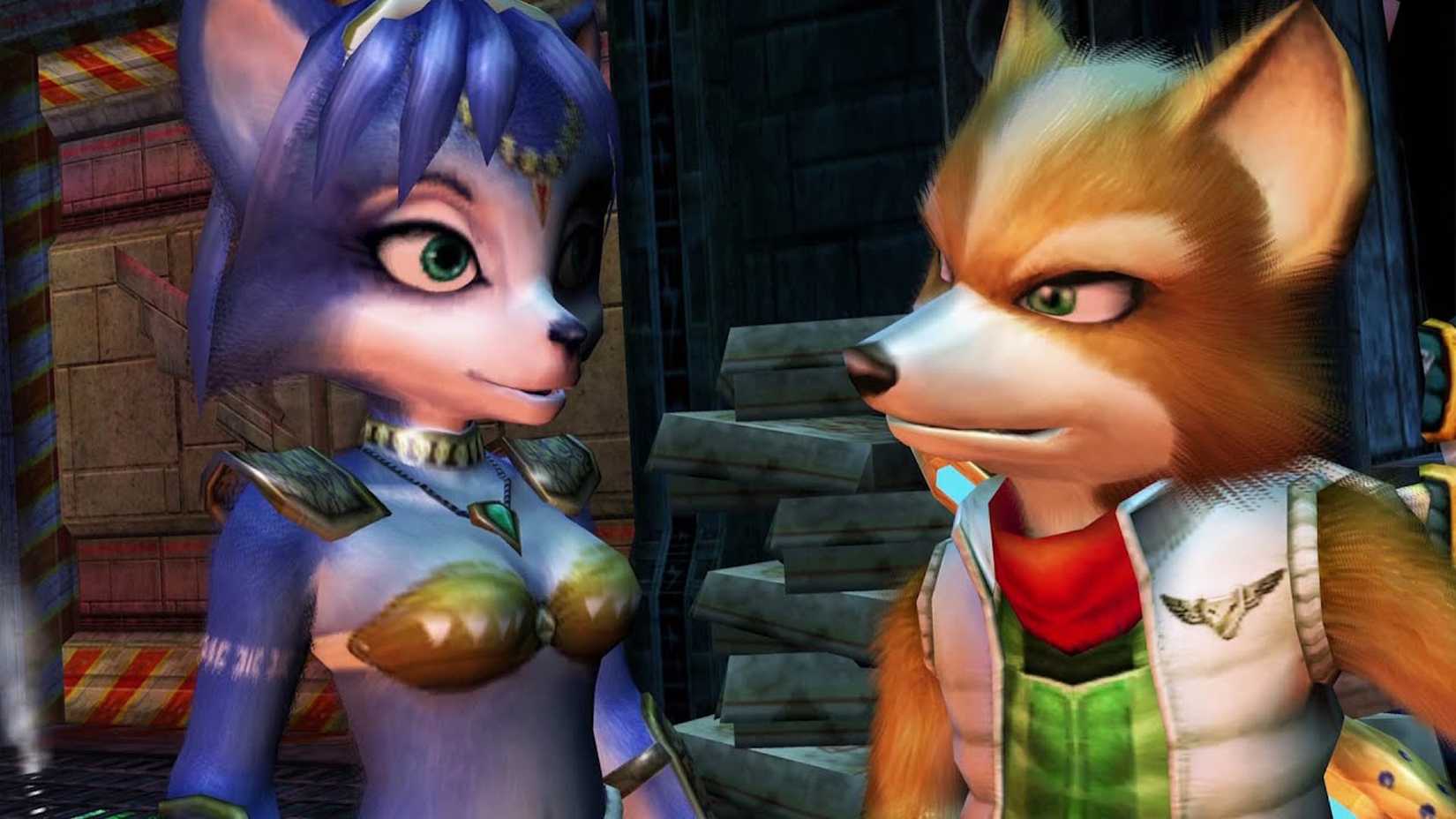
As the new millennium dawned, Nintendo attempted to evolve the brand beyond the cockpit. The 2002 title Star Fox Adventures, developed in partnership with Rare, was a drastic departure. It traded space-bound dogfights for terrestrial exploration, puzzle-solving, and a narrative involving dinosaurs and the enigmatic Krystal.
While Adventures received mixed reviews for its departure from the franchise’s roots, it demonstrated a desire to turn Star Fox into a character-driven action-adventure series. This trend continued with 2005’s Star Fox Assault. Developed by Namco, Assault attempted to bridge the gap between the classic arcade shooting of the 64-bit era and modern third-person action. It allowed players to engage in ground-based combat, marking a bold evolution for the team, though it ultimately faltered due to a lackluster multiplayer component.
The strategy-focused Star Fox Command (2006) for the Nintendo DS followed, proving that the franchise’s tactical elements were just as compelling as its action. Yet, despite these creative swings, the series began to lose its consistent place in Nintendo’s release calendar.

The Age of Stagnation and the Search for Identity
The years following Command were marked by uncertainty. Between 2006 and 2016, the franchise effectively went into hibernation, punctuated only by the 3D remaster of Star Fox 64 on the 3DS.
The 2016 Wii U title, Star Fox Zero, remains a lightning rod for debate. A collaborative effort between Nintendo and PlatinumGames, Zero was a beautiful, hyper-polished retread of the 64-bit narrative. While it featured innovative control schemes involving the Wii U GamePad, it was met with criticism regarding its accessibility and its inability to chart a new course for the series.
Simultaneously, the release of the long-lost Star Fox 2—eventually included in the Switch Online SNES Classics library—served as a poignant reminder of what could have been. Its real-time strategy elements, pilot-swapping mechanics, and non-linear mission structures were years ahead of their time, arguably offering a more "modern" experience than the games that followed it.
The 2026 Pivot: Velan Studios and the Lore Expansion
The recent release of the Star Fox remake by Velan Studios represents a strategic shift. Rather than attempting to reinvent the wheel, the developers have doubled down on the world-building that was often relegated to the background of previous titles.
In previous iterations, lore was mostly flavor text. Fans knew that the industrial planet Macbeth was a hub of conflict, but it was largely just a backdrop for an Arwing mission. The 2026 entry introduces a comprehensive sub-menu featuring in-depth lore entries for every location in the Lylat System. These entries provide context on political climates, corporate entities like the CEOs of Macbeth, and the broader, more tragic history of the Cornerian military.
While Shakespeare may not have approved of the naming conventions in the Lylat System, the effort to provide a coherent narrative history is a clear signal. Nintendo is finally treating the Star Fox universe as a franchise with depth, rather than just a vehicle for arcade-style shooting.
Implications for the Future
What does this mean for the future of Fox McCloud? The industry-wide response to the 2026 remake has been cautiously optimistic. By prioritizing the "feel" of the original Star Fox 64 while layering in modern storytelling and visual fidelity, Nintendo has managed to satisfy purists while creating a foundation for future sequels.
However, the challenge remains: can Star Fox compete in a modern gaming landscape dominated by massive, open-world experiences? The franchise has historically struggled to balance its arcade roots with the demand for "content-heavy" experiences.
Industry analysts suggest that the renewed focus on lore and character development is a "soft reboot" strategy. By grounding the player in the history and politics of the Lylat System, Nintendo is building brand loyalty that transcends individual gameplay mechanics. If the player cares about the history of the Cornerian-Andross conflict, they are more likely to engage with future titles, even if the gameplay shifts from rail shooting to open-space exploration or tactical squad management.
Conclusion: A New Horizon
The Star Fox series has spent the last decade in a state of flux, oscillating between nostalgia-baiting remakes and bold, sometimes divisive, experiments. With the 2026 release, the franchise feels like it has finally found a middle ground. It respects the legacy of Star Fox 64 while acknowledging that the modern player demands more than just a high-score chase.
As we look toward the future, the integration of deeper storytelling and world-building suggests that Nintendo has long-term plans for the Lylat System. Whether this leads to a brand-new, non-remake installment remains to be seen, but one thing is certain: Fox McCloud is no longer just a guest star in the house of Mario. He is, once again, a pilot with a purpose, and the skies of the Lylat System have never looked more inviting.
For those just picking up the controller, the message is clear: there is more to this universe than a single mission to defeat an evil scientist. There is a galaxy of history waiting to be uncovered, and for the first time in a long time, the future of the Star Fox franchise feels like it has a clear flight path.

