

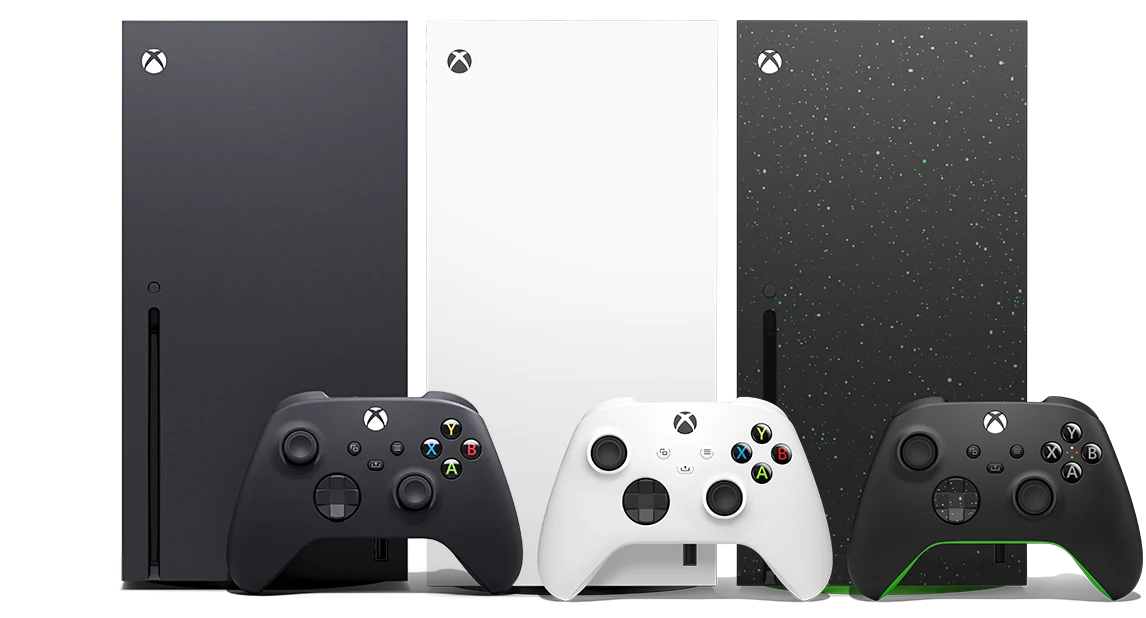
In a move that signals deeper instability within the consumer electronics supply chain, Microsoft has officially announced a sweeping price increase for its Xbox console lineup. Effective August 2, the cost of entry for current-generation Xbox hardware will rise significantly, with the 512GB model seeing a $100 surcharge and the 1TB model facing a substantial $150 increase. Furthermore, Microsoft has confirmed the discontinuation of the 2TB variant, effectively limiting consumer choice while simultaneously raising the barrier to entry for prospective players.
This decision, while framed as a necessary adjustment to market realities, underscores the severe pressures currently exerted on the gaming industry by the global semiconductor and memory storage crisis. As the cost of raw components continues to climb, the traditional model of selling hardware at a loss to capture market share is being forced into an uncomfortable evolution.
The Core Facts: A Breakdown of the Increase
The pricing adjustment is both immediate and significant. For consumers looking to enter the Xbox ecosystem, the financial commitment is changing rapidly.
- 512GB Model: Price increasing by $100.
- 1TB Model: Price increasing by $150.
- 2TB Model: Withdrawn from the market entirely.
While Microsoft has been transparent about these US-based adjustments, the global picture remains murky. Pricing for non-US territories has yet to be finalized, leaving international markets in a state of uncertainty as to how these component cost surges will be distributed across different currencies and regional tax structures.
This move comes as a direct response to a "components crisis" that has persisted far longer than industry analysts initially predicted. By eliminating the 2TB model, Microsoft appears to be streamlining its manufacturing processes to focus on the more commercially viable storage tiers, likely to better manage its dwindling supply of high-end memory modules.
Chronology: From Stability to Escalating Pressure
To understand how we arrived at this point, one must look at the timeline of the current hardware generation. Following the initial launch of the Xbox Series consoles, the industry enjoyed a period of relative pricing stability. However, the signs of strain began to manifest as early as 2025.
October 2025: The First Warning
Microsoft implemented a minor price adjustment in late 2025, which at the time was described as a localized move. The company expressed hope that this would be a temporary measure to offset inflationary pressures. However, the subsequent months proved that the inflationary trend was not a blip, but a structural shift in the cost of production.
Early 2026: The Component Crunch
By the first quarter of 2026, the cost of flash memory and high-speed RAM began to skyrocket. Supply chains, already brittle from previous global disruptions, failed to keep pace with the demand for sophisticated consumer electronics. During this period, Microsoft began internal reviews of its hardware margins, leading to the decision announced this week.
June 25, 2026: The Formal Announcement
In a definitive blog post, Microsoft acknowledged that the hope for a price plateau was unrealistic. The company cited a staggering statistic: console storage and memory costs have increased by more than 2.5 times in the last 18 months, with projections suggesting a doubling of those costs again by the fall of 2027.
Supporting Data: Why Components Are Crippling the Console Business
The economics of the console market are fundamentally different from other sectors of consumer technology. In a typical smartphone or laptop cycle, manufacturers build in substantial profit margins from the start. Conversely, the video game console market has historically operated on a "razor and blade" business model.
The Profitability Paradox
Microsoft noted in their official statement that, unlike mobile devices or personal computers, gaming consoles are frequently sold at or below the cost of production. The rationale is simple: the hardware is an entry point into a software and services ecosystem (Game Pass, digital store commissions, etc.). When the cost of the hardware itself rises by 250%—as is the case with memory and storage—the "loss leader" strategy becomes unsustainable.
The Industry-Wide Component Crisis
Microsoft is not an isolated actor in this drama. The broader consumer electronics industry is currently reeling. Earlier this week, Valve made a similar admission regarding its Steam Machine hardware, noting that the original price point was no longer viable due to hardware supply issues. The $1,049 price tag for the 512GB model of the Steam Machine serves as a bellwether for the new "normal" in high-performance gaming hardware.
Official Responses and Strategic Pivot
Microsoft’s communication strategy regarding these hikes focuses on "accessibility" and "consumer support." Recognizing that a sudden price increase may alienate potential customers, the company has emphasized several programs intended to mitigate the sticker shock.
Financing and Retail Partnerships
Microsoft is pushing its "Buy Now, Pay Later" initiatives, specifically integrated through the Microsoft Store. By breaking the cost into smaller, monthly payments, the company hopes to maintain sales volume despite the higher upfront cost. Similarly, they are deepening partnerships with retailers to offer interest-free financing options, such as those seen through Amazon.
The Push for Refurbished Units
Perhaps the most significant strategic pivot is the aggressive promotion of "Certified Refurbished" consoles. By offering these units at up to $100 off the new Manufacturer’s Suggested Retail Price (MSRP), Microsoft is effectively creating a tiered market. This allows price-sensitive consumers to remain within the Xbox ecosystem while reducing the company’s reliance on brand-new, high-cost component inventory.
Implications for the Future of Gaming
The implications of this price hike extend far beyond the balance sheets of Microsoft or its competitors. We are likely witnessing the end of an era where high-end console gaming was perceived as an affordable, mass-market entry point.
The Shift Toward Subscription-Only Hardware?
As hardware costs rise, industry analysts suggest that we may see a transition toward "Hardware-as-a-Service" models. If the cost of the physical console continues to rise, it is plausible that companies will subsidize the hardware through even more aggressive subscription requirements, effectively locking users into long-term financial commitments to justify the lowered upfront cost of the machine.
The Secondary Market’s New Importance
With the 2TB model being pulled and the entry-level models becoming significantly more expensive, the secondary market for consoles will become increasingly vital. The shift in Microsoft’s strategy to focus on certified refurbished units indicates that they are moving to control this secondary market, rather than leaving it to third-party resellers. This allows the company to retain customer loyalty while managing their hardware supply chain more effectively.
Competition and Market Perception
The question remains: how will this affect the broader console war? If Sony and Nintendo manage to avoid similar hikes, or if they choose to absorb the costs longer than Microsoft, the landscape could shift dramatically. However, given that the memory and component crisis is a universal issue, it is highly probable that other manufacturers will eventually follow suit, forcing the entire industry into a higher price bracket for the foreseeable future.
Conclusion: A New Economic Reality
The decision to raise prices is never popular, and Microsoft’s announcement is a sobering reminder that the gaming industry is not insulated from global economic instability. The "components crisis" is no longer a temporary hurdle; it has become the defining characteristic of the 2026-2027 hardware cycle.
For the consumer, the path forward involves less hardware choice and a higher financial entry point. For Microsoft, it is a defensive move designed to preserve the viability of the Xbox platform. As we look toward the fall of 2027 and the projected doubling of component costs, the industry faces a critical juncture. The days of "affordable" high-performance gaming may be fading, replaced by a complex, finance-driven model where the value of the console is increasingly tied to its subscription ecosystem rather than its physical price tag.
As the industry navigates these choppy waters, one thing is certain: the consumer will be the one footing the bill for the global supply chain’s ongoing volatility. Whether this leads to a market contraction or a successful pivot toward service-based hardware remains to be seen.

