

Introduction: The Endless Quest to Reshape a Modern Classic
More than a decade after its initial release across seventh-generation consoles, Rockstar Games’ Grand Theft Auto V remains an indomitable titan of the interactive entertainment industry. With multiple platform migrations, an astronomical commercial footprint, and an active online community that refuses to fade into obscurity, the title is a masterclass in longevity. Yet, for some members of the PC gaming community, simply playing the game as intended is no longer enough.
Enter a daily, high-stakes engineering experiment: an ongoing, self-imposed challenge to mod Grand Theft Auto V continuously until it either transforms organically into a conceptual PC port of the yet-unreleased Grand Theft Auto VI—or, more realistically, implodes under the weight of its own cobbled-together modifications.
With every passing day, new scripts, textures, vehicles, and behavioral overrides are injected into the aging engine. What began as an innocent exercise involving customized vehicles and city block-level firepower has now evolved into a systemic stress test. The latest addition to this chaotic ecosystem, a simple script known as Dynamic Traffic Colours, has pushed the experimental build past the point of stability, offering a fascinating glimpse into how a legendary video engine reacts when driven into its digital twilight years.
Main Facts: The Anatomy of a Mod-Induced Meltdown
The core of the recent experiment centers on the integration of the Dynamic Traffic Colours script, a community-made modification intended to inject unpredictability and visual variety into the otherwise standardized hue distribution of Los Santos’ vehicular traffic. In theory, the mod should paint the town in a broader spectrum of shades. In practice, it has thrown the test environment into critical system instability.
Key developments in the ongoing modding chronicle include:
- The Launch Crisis: The game no longer boots normally. The installation has begun "failing death rolls," forcing a strict limitation where it will only successfully initialize in a constrained windowed mode.
- The Fullscreen Void: Attempting to force fullscreen mode during the loading sequence results in an immediate suspension into a permanent, inescapable black screen. The only remedy is invoking the Task Manager via
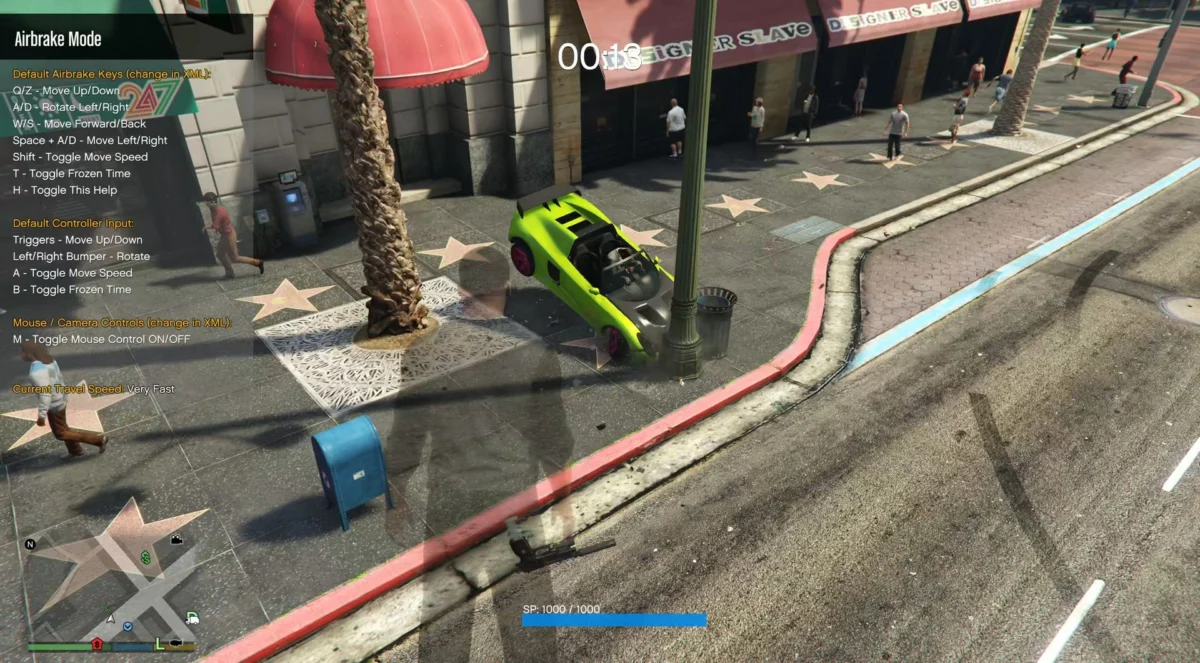
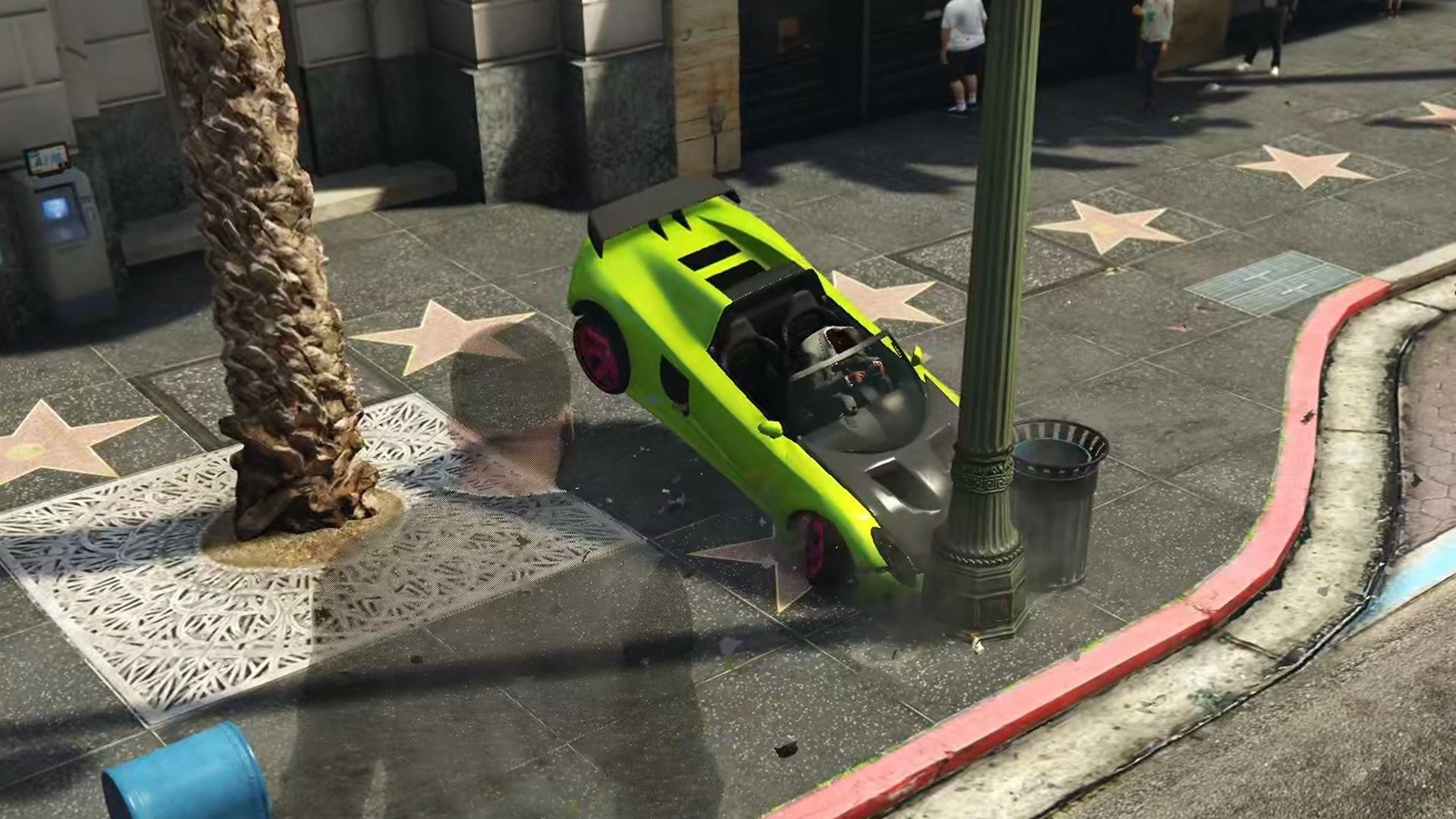
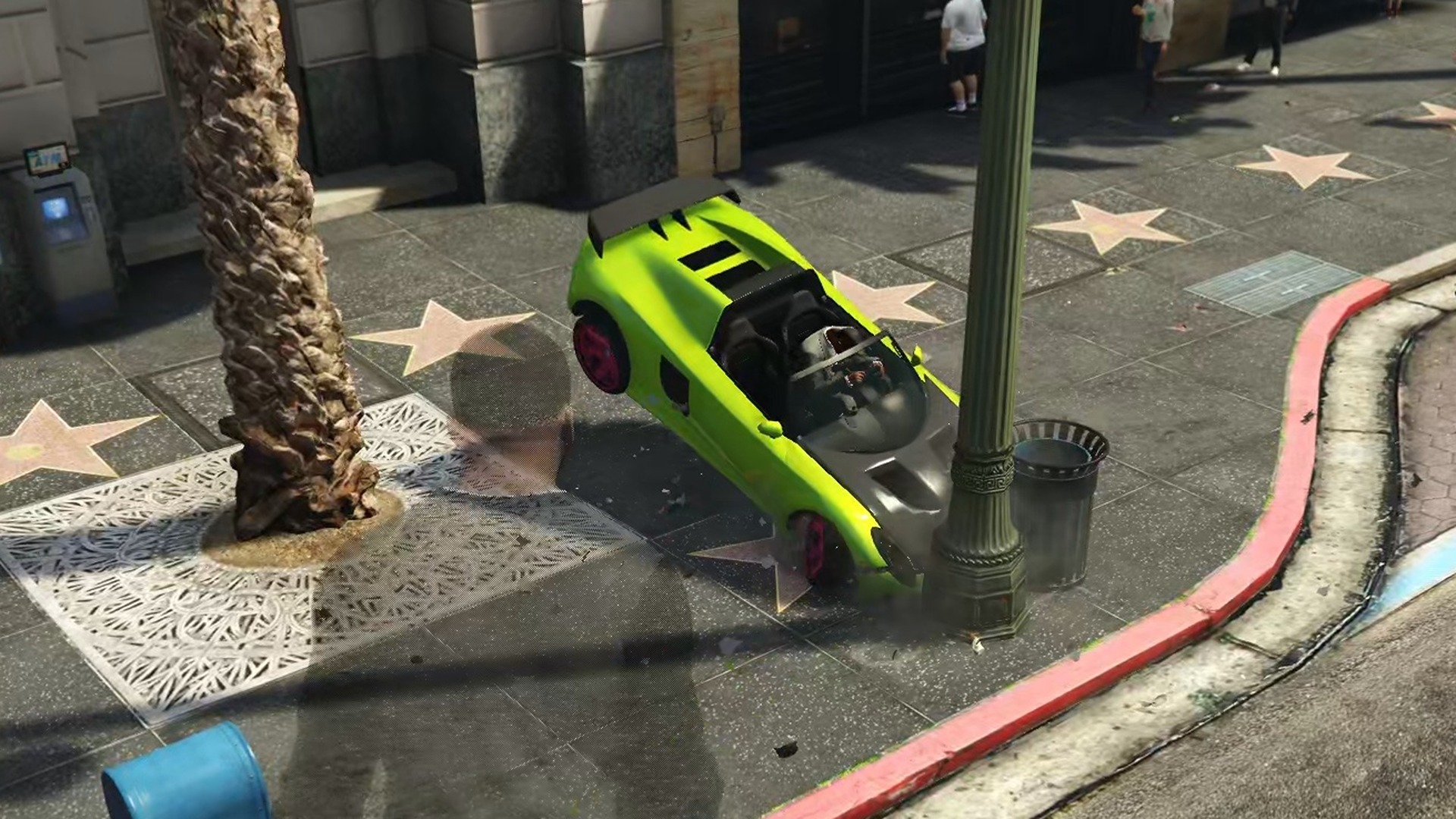
CTRL+ALT+DEL. - Behavioral Anomalies: Once safely inside the windowed environment, the physics and scripting engines exhibit bizarre behaviors, with a significant percentage of spawning vehicles spontaneously imploding or rocketing uncontrollably into nearby infrastructure.
- Conservative Chaos: Despite the mod’s intended scope, the vast majority of Los Santos traffic remains stubbornly humdrum, occasionally punctuated by violently erratic, multi-hued vehicles that serve as brief, chaotic spectacles before meeting an explosive end.
Chronology: A Timeline of Escalating Instability
To understand how Grand Theft Auto V reached its current fragile state, one must trace the sequential escalation of modifications applied to the core directory over the course of the experiment.
Phase 1: The Heavy Ordinance Baseline
The experiment commenced with aggressive structural alterations. The initial phase introduced non-standard vehicle frameworks coupled with high-payload explosive configurations. This baseline modification tested the engine’s ability to handle custom asset injection alongside large-scale particle and physics calculations, resulting in predictable frame-rate drops and localized chaos, though the core executable managed to hold together.
Phase 2: Layering Environmental and Scripting Hooks
As subsequent days progressed, secondary and tertiary scripts were introduced to manipulate pedestrian AI, weather patterns, and global lighting. Each added layer demanded more from the script hook architecture, subtly eating away at the stability margins of the game’s memory allocation.
Phase 3: The Introduction of Dynamic Traffic Colours
The tipping point arrived with the installation of the traffic color-swapping script. Designed to interact directly with vehicle generation tables in real-time, the mod immediately clashed with existing asset injectors. The conflict manifested instantly at launch, locking the game out of exclusive fullscreen display modes and corrupting the initialization pipeline.
Phase 4: Navigating the Windowed Wasteland
With the game now restricted to windowed operation, observation of the mod’s effects became an exercise in extreme patience. Vehicles began displaying erratic spawn behaviors—collapsing inward upon materialization or launching instantly at high velocities—transforming the streets of Los Santos into a surreal, high-speed obstacle course where aesthetic changes are frequently cut short by catastrophic physics glitches.
Supporting Data: Engine Limitations and Script Fragility
The trials faced by this experimental GTA V installation highlight broader technical realities regarding game preservation, modding architecture, and engine longevity. Grand Theft Auto V runs on the RAGE (Rockstar Advanced Game Engine), a proprietary technology first utilized extensively in Grand Theft Auto IV and continuously updated through Red Dead Redemption 2.
| Modification Stage | Primary Focus | System Impact | Engine Stability Result |
|---|---|---|---|
| Phase 1 | Custom vehicles & explosives | High particle/physics load | Minor frame-rate stutters; fully operational. |
| Phase 2 | AI overrides & environmental scripts | Moderate memory overhead | Occasional script timeouts; manageable. |
| Phase 3 | Dynamic Traffic Colours | Core memory & spawn table conflict | Initialization failure; fullscreen lockouts. |
| Phase 4 | Windowed survival mode | Unpredictable physics & asset streams | Spontaneous vehicle implosions; permanent black screens on fullscreen. |
Engine architects note that older titles rely on hardcoded assumptions regarding asset streaming rates and color palette arrays. When third-party hooks attempt to dynamically rewrite these values on-the-fly without proper API support, memory leaks and thread synchronization failures become inevitable. The requirement for windowed mode points directly to a failure in the DirectX swapchain initialization when third-party DLLs intercept the rendering pipeline during pre-load phases.
Official Responses and Community Context
While Rockstar Games has not issued a direct statement regarding this specific satirical stress test, the developer’s historical stance on modding has been a constant point of discussion within the PC gaming ecosystem. Rockstar officially permits single-player modifications provided they do not interfere with GTA Online, but the company provides no official support or documentation for modders attempting to reverse-engineer or deeply alter the RAGE engine’s source code.
Within the modding community, reactions to the "modding until it becomes GTA VI" project have been a mixture of amusement and technical awe. Forums such as GTA5-Mods.com and dedicated subreddits have closely followed the daily updates, viewing the progressive degradation of the game files as a morbidly fascinating performance art piece.
"Can a game go on life support?" asks the project’s lead orchestrator. The consensus among veteran PC modders is a resounding yes. Software does not age gracefully when stretched far beyond its original design parameters; instead, it accumulates technical debt, manifesting as bizarre edge-case bugs, phantom crashes, and structural brittleness.
Implications: What This Means for PC Modding and Game Preservation
The ongoing disintegration of this particular Grand Theft Auto V installation carries wider implications for the future of single-player game longevity, particularly as titles remain relevant for decades through digital storefronts.
1. The Limits of Retrofitting Modern Ambitions
Gamers frequently look to mods to bridge the generational gap between aging releases and upcoming sequels. However, this experiment proves that aesthetic or systemic updates cannot indefinitely mask architectural aging. At a certain point, the underlying engine simply rejects foreign logic, treating non-native scripts as invasive entities.
2. The Fragility of PC Ecosystems
The dependency on custom script hooks, third-party loaders, and injector tools underscores the fragile house of cards upon which PC modding rests. When major titles receive silent background updates from publishers, entire modding ecosystems can collapse overnight. Pushing a game to the brink intentionally demonstrates how easily a stable software environment can be pushed into irrecoverable corruption.
3. A Metaphor for Waiting
Ultimately, the exercise transcends technical engineering—it is a cultural symptom of the extended wait for Grand Theft Auto VI. As the community looks toward the horizon for Rockstar’s next official installment, imaginative players are finding unorthodox ways to drag the past into the future, even if it means breaking the machinery in the process.
Whether the game will survive long enough to bear any resemblance to the next-generation sequel remains entirely unknown. What is certain, however, is that tomorrow brings another script, another potential point of failure, and another step further into the digital void.

