

For as long as developers have strived for cinematic realism in video games, they have introduced post-processing filters designed to mimic the physical imperfections of real-world cameras and lenses. However, a massive community-driven reckoning has finally boiled down decades of player frustration into a single, definitive showdown.
The votes are nearly tallied, the brackets have closed, and the two most polarizing, frequently despised post-processing graphics settings in modern gaming history have emerged as the final contenders. In the battle for the ultimate title of "Worst Graphical Effect in Gaming," the crown will go to either motion blur or chromatic aberration.
As players brace themselves for the official verdict later this week, the gaming community finds itself reflecting on why these two artistic choices have become public enemy number one for PC and console enthusiasts alike.
Main Facts: The Battle for Last Place
The final round of the community-driven tournament features two heavyweights that PC gamers routinely toggle off the second they boot up a newly released title.
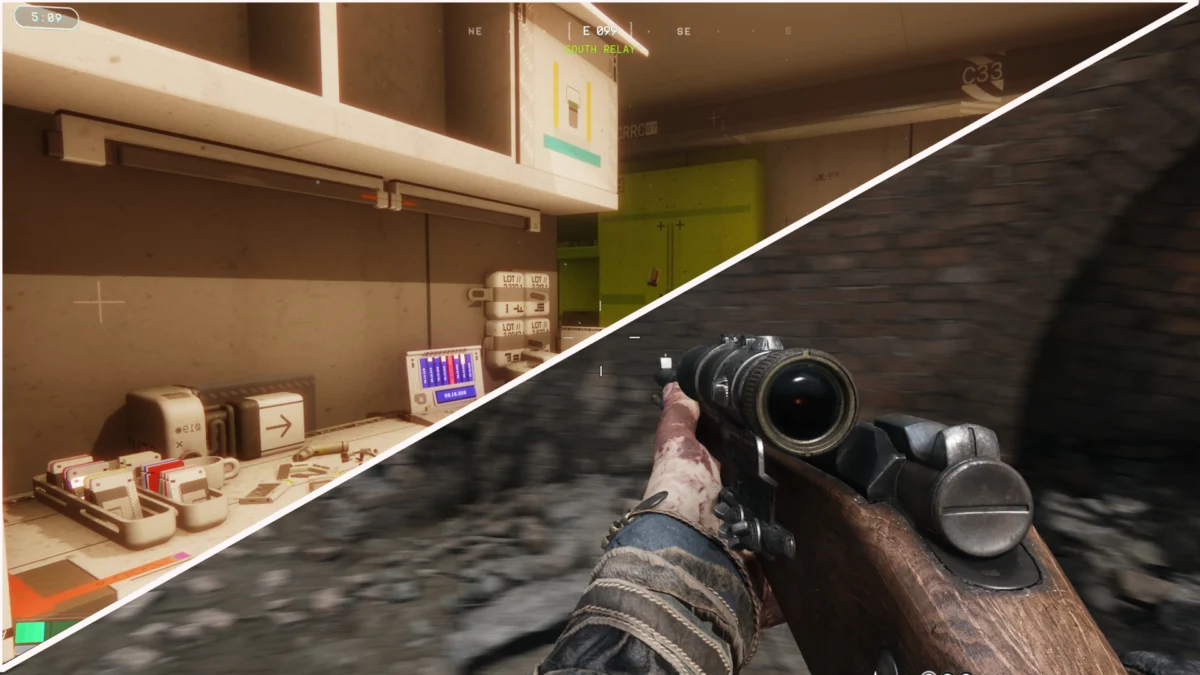
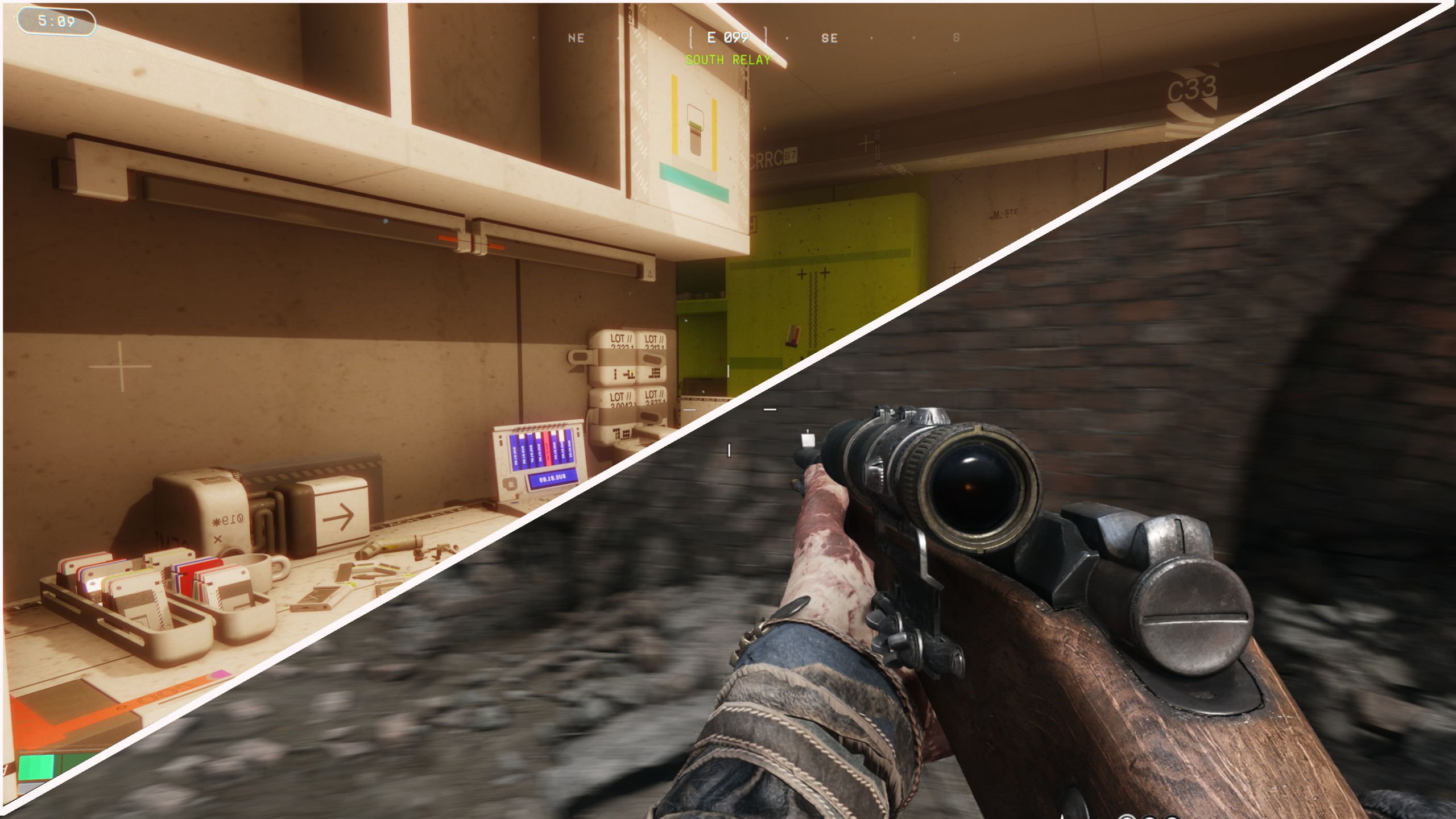
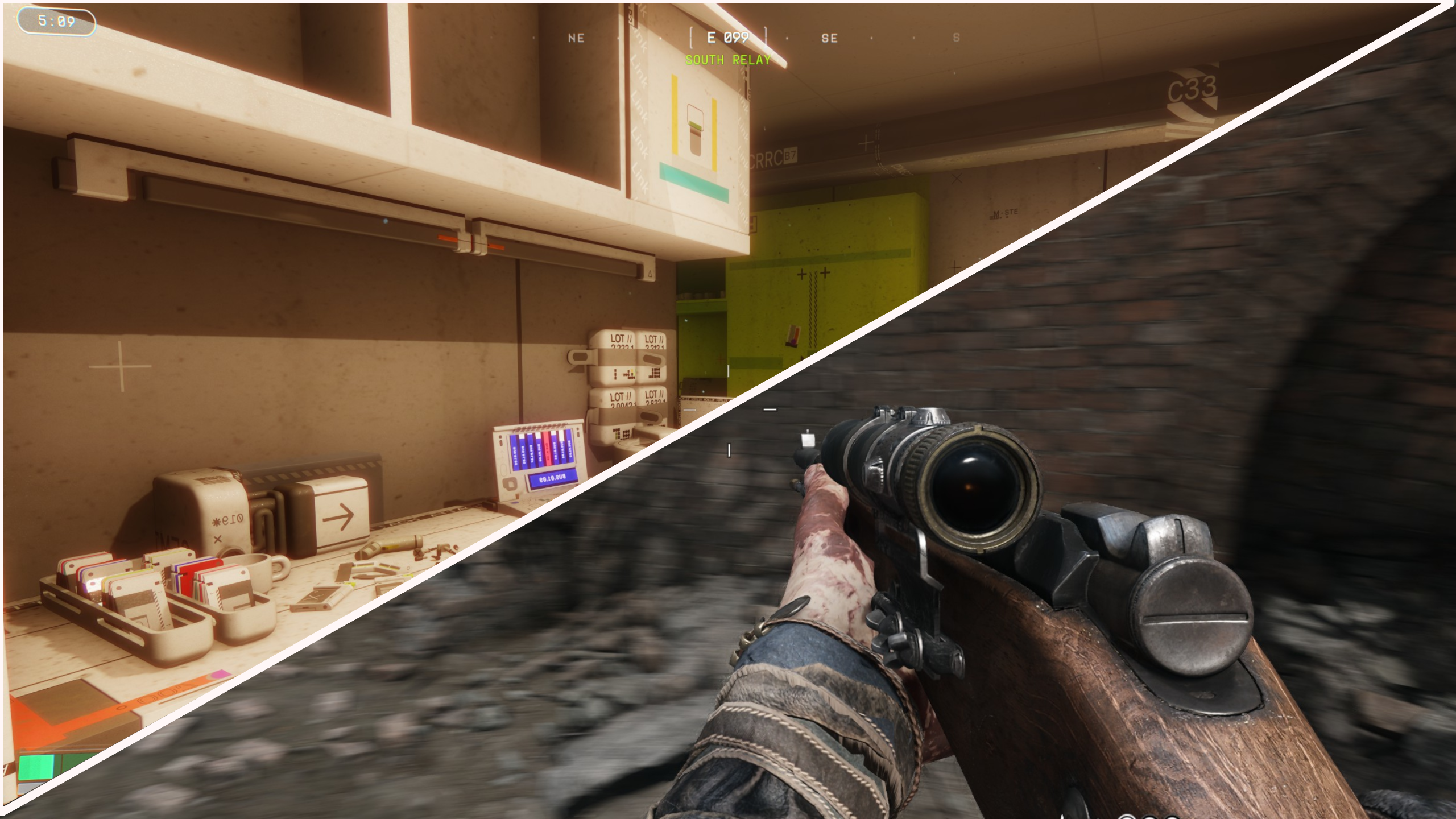
- Motion Blur: Designed to simulate the natural blurring effect that occurs when human eyes or physical camera shutters track fast-moving objects, motion blur in video games often results in a smeared, low-fidelity mess. While it can mask low frame rates on aging console hardware, on high-refresh-rate PC monitors, it frequently causes disorientation, eye strain, and motion sickness.
- Chromatic Aberration: This photographic phenomenon occurs when a camera lens fails to focus all colors to the same convergence point, creating distracting red, blue, or green halos and fringes around high-contrast edges. In games—such as Bungie’s upcoming extraction shooter Marathon—developers deploy it to evoke a gritty, sci-fi aesthetic. Critics, however, argue that it simply introduces unnecessary visual noise, making games look out of focus and artificially degrading image clarity.
The final face-off pits these two optical simulations against a litany of other notorious graphics settings—such as film grain, depth of field, and lens flare—surviving a brutal bracket to claim the unwanted title of gaming’s most irritating feature.
Chronology: How Post-Processing Polarized the Player Base
To understand how we reached this dramatic grand finale, it helps to look back at how post-processing evolved from a luxury technique into a ubiquitous default setting.
The Standard-Definition Era (Late 2000s)
As the seventh generation of consoles (Xbox 360 and PlayStation 3) introduced high-definition gaming, developers leaned heavily into cinematic flair. Motion blur was initially adopted as a clever technical workaround to disguise sub-30 frame rates and masked stuttering during rapid camera movements.
The Cinematic Boom (2010s)
Throughout the 2010s, as processing power grew, developers began adding artistic flourishes like chromatic aberration, film grain, and heavy depth-of-field effects to replicate the look of 35mm film. Games began treating computer monitors and television screens as camera viewfinders rather than digital windows into a virtual world.
The PC Master Race Pushback (Mid-to-Late 2010s)
With the rise of 144Hz+ monitors and ultra-high-resolution rendering, the flaws in these cinematic filters became glaringly obvious. PC gaming communities established a routine ritual: the moment a triple-A title launched, players scoured settings menus to disable motion blur, chromatic aberration, and film grain. The sentiment shifted from "cinematic immersion" to "unnecessary visual obstruction."
The Community Reckoning (Present Day)
Culminating in the recent viral tournament hosted across gaming forums and media outlets, players were given the power to democratically vote out the features that test their patience the most. Defeating strong contenders like film grain and excessive bloom, motion blur and chromatic aberration have officially outlasted the competition to face off in the ultimate death match.
Supporting Data: Why Players Despise These Effects
The backlash against motion blur and chromatic aberration is not merely rooted in subjective taste; it is backed by ergonomics, hardware capabilities, and fundamental principles of human perception.
Frame Rates and Resolution vs. Smeared Pixels
Modern gaming hardware is capable of rendering pristine, razor-sharp images at 4K resolution running at 120 frames per second or higher.
- The Motion Blur Problem: When a player makes a rapid mouse flick in a competitive shooter like Crytek’s Hunt: Showdown, per-object or camera motion blur smudges millions of carefully rendered pixels. Rather than looking cinematic, it mimics a temporary drop in resolution and creates a muddy visual trail that hinders target acquisition.
- The Chromatic Aberration Problem: High-end monitors are engineered to display crisp, color-accurate lines. Chromatic aberration intentionally introduces color fringing—essentially manufacturing optical distortion on a display that doesn’t suffer from physical lens flaws. For players with sensitive eyesight, this artificial degradation causes persistent eye fatigue during long gaming sessions.
Accessibility and Health Concerns
Medical and accessibility data frequently highlights motion blur as a primary trigger for simulator sickness, vertigo, and nausea. Because virtual movement does not correlate with physical inner-ear balance, the addition of artificial motion blur tricks the brain into a state of disorientation, forcing many players to abandon games entirely if the setting cannot be turned off.
Official Responses: What Developers Say vs. What Players Want
The ongoing tension between game developers and their audiences often boils down to a fundamental philosophical divide: artistic vision versus user control.
The Developer Perspective
Art directors and graphics engineers frequently defend post-processing effects as essential tools for mood, atmosphere, and cinematic cohesion.
- Masking Limitations: In conversation with technical artists, many admit that motion blur bridges the gap between low and high frame rates, making motion feel more continuous to the human eye under constrained hardware budgets.
- The "Film Look": Studios like Bungie, known for utilizing chromatic aberration in titles like Destiny and Marathon, argue that clean, ultra-sharp computer graphics can sometimes look sterile or overly digital. Introducing chromatic aberration adds a tactile, analog texture that mimics vintage lenses, grounding the player in a gritty, tangible universe.
The Player and Modder Perspective
The gaming community has consistently pushed back against mandatory post-processing. When developers fail to include toggle switches for these effects in the settings menu, modding communities routinely step in within hours of a game’s launch to release "Disable Chromatic Aberration" and "Remove Motion Blur" mods.
The message to developers has been clear for years: Give us the tools to customize our visual experience, or we will mod them in ourselves.
Implications: What This Means for Future Game Design
As the winner of this ignominious tournament is crowned later this week, the broader implications for the video game industry are substantial.
- The Rise of Accessibility-First Graphics Menus: Modern studios are slowly learning that player comfort outweighs rigid artistic dogma. The inclusion of clear toggles for motion blur, chromatic aberration, and camera shake is increasingly viewed as a baseline requirement for accessible game design rather than an afterthought.
- A Shift Away From Simulated Imperfection: As virtual reality (VR) and high-refresh-rate gaming become the gold standard, visual clarity is paramount. Forcing analog imperfections onto digital displays is beginning to look like an outdated relic of a transitional era in graphics technology.
- The End of the Debate? While crowning the "worst" effect won’t completely eliminate these filters from future game engines, it sends a powerful satirical message to developers. Next time an art director considers adding a heavy layer of chromatic aberration to a high-octane sci-fi shooter, they may think twice—knowing full well that the internet is watching, voting, and ready to mock.
Cast your votes now before the final tally closes later this week, and prepare to say goodbye to the most divisive toggle switches in gaming history.

