

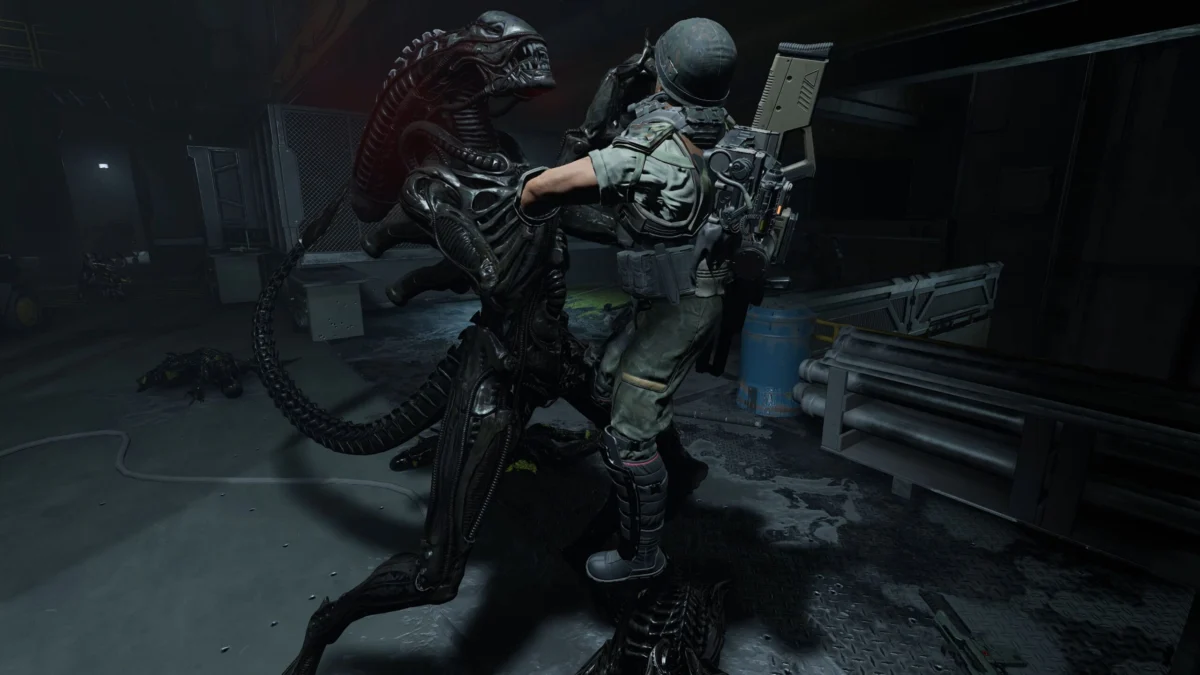
The Alien franchise is currently experiencing a creative renaissance, a rare alignment of stars where every facet of the intellectual property is being nurtured simultaneously. From the visceral, claustrophobic horror of the silver screen’s Alien: Romulus and the television expansion Alien: Earth to the high-tension dread promised by the upcoming Alien: Isolation 2, the franchise is firing on all cylinders. Yet, amidst the terror, there remains a dedicated space for the pulse-pounding, high-octane action that defined James Cameron’s Aliens. Enter Aliens: Fireteam Elite 2, the highly anticipated sequel from Daybreak Game Company that aims to solidify its place as a cornerstone of modern cooperative shooters.
Main Facts: Refining the Colonial Marine Experience
Debuted during the highly anticipated Summer Game Fest 2026, Aliens: Fireteam Elite 2 positions itself not as a survival horror title, but as a robust, class-based tactical shooter. Players assume the role of elite Colonial Marines tasked with neutralizing Xenomorph infestations and rogue synthetic threats across hazardous, remote space stations.
The core gameplay loop centers on four-player cooperative combat—an increase from the three-player squads seen in the 2021 original. This change in squad size significantly alters the tactical landscape, allowing for more diverse team compositions and more overwhelming enemy encounters. The game features 15 distinct, meticulously designed levels, supplemented by a dedicated horde mode for those seeking a pure test of endurance.
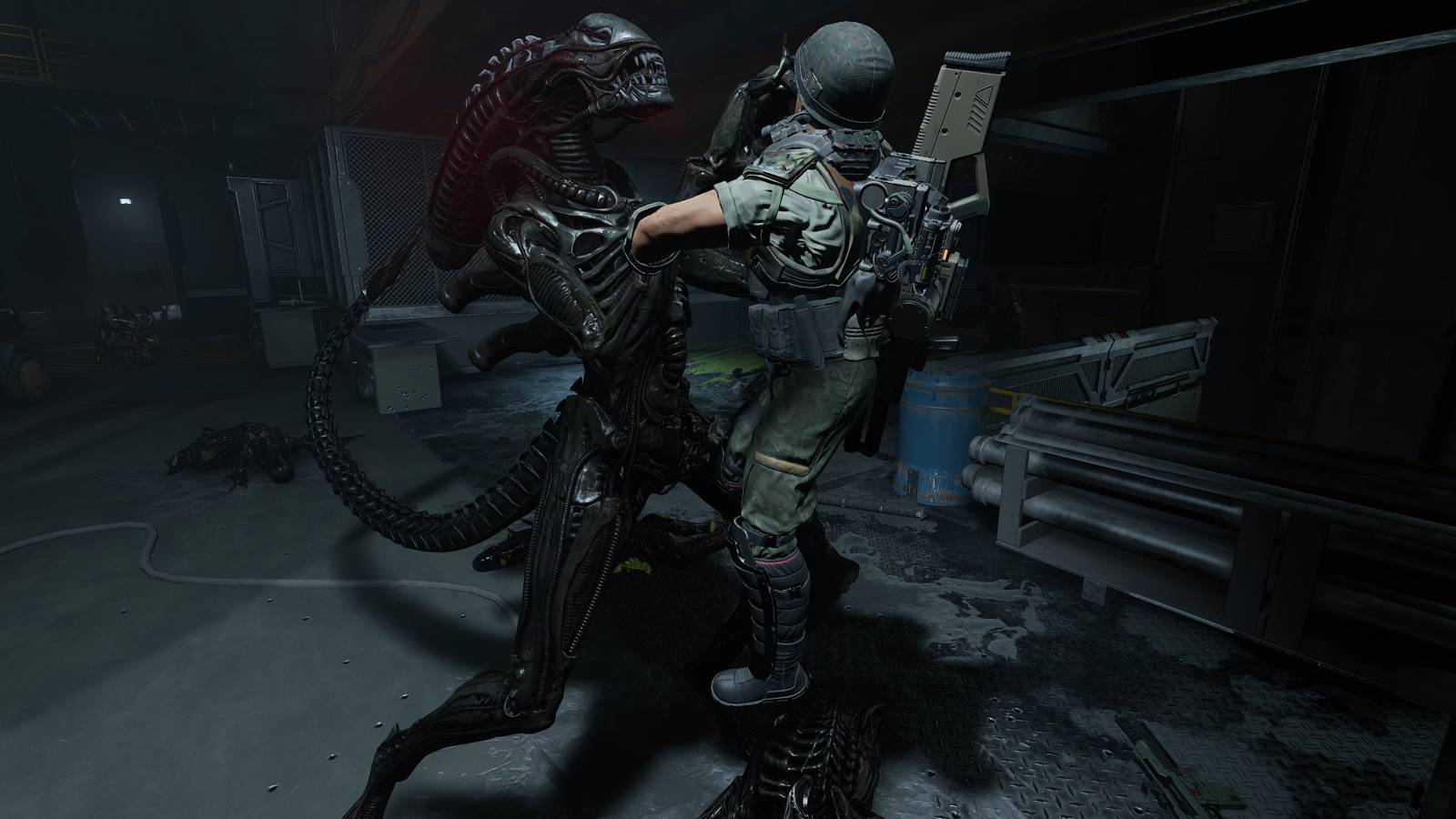
At its heart, Fireteam Elite 2 is about synergy. The game utilizes a sophisticated class system featuring the Duelist, Machinist, Marauder, Hunter, and Medic roles. Each class brings specific utility to the battlefield, such as the Machinist’s ability to deploy automated turrets and combat drones. Beyond these roles, the game introduces a "Specialist" system, allowing players to bridge the gap between classes by mixing and matching perks and abilities to suit their preferred playstyle.
A Chronology of Conflict: From 2021 to the Future
To understand the trajectory of Aliens: Fireteam Elite 2, one must look back at its predecessor. When Aliens: Fireteam Elite launched in 2021, it arrived during a period where fans were starving for a more horror-centric experience. Consequently, the game was perhaps unfairly labeled as a "forgettable" shooter, despite its solid mechanics and faithful depiction of the Alien universe’s aesthetic.
However, the passage of time has allowed the original to be viewed through a more appreciative lens. It served as a necessary proof-of-concept for high-speed, co-op action in a universe dominated by slow-burn tension.

- 2021: The launch of Aliens: Fireteam Elite, setting the foundation for the co-op shooter framework.
- 2024–2025: The development cycle of the sequel, focusing on player feedback and technical scaling to support four-player squads and increased enemy density.
- June 2026: Official reveal at Summer Game Fest, showcasing the "Rust In Peace" mid-game mission.
- Late Summer 2026: Scheduled release across PlayStation 5, Xbox Series X|S, and Windows PC.
Supporting Data: Mechanics and Tactical Depth
The demo presented at Summer Game Fest Play Days highlighted the significant strides made in gameplay variety. The combat is far from one-dimensional; it requires "combat puzzle" solving. Players must manage resource allocation, such as the new specialized ammo types. Whether it is fire-based rounds for crowd control or plasma-infused projectiles for armor penetration, these additions create a rhythmic gameplay flow that rewards coordination.
The Enemy Roster
The threat variety has been substantially upgraded. While the iconic Xenomorph remains the primary antagonist, the introduction of rogue synths forces players to shift their focus from reflexive spray-and-pray tactics to precision headshots. Furthermore, the inclusion of "bloater-like" Xenomorphs serves as a tactical disruptor. These units demand immediate attention, forcing the squad to prioritize targets and reposition constantly.
Customization and The Hub
Between missions, players congregate in a central hub area. This social space has been expanded significantly, offering a deeper suite of character customization options—ranging from cosmetic gear that reflects the lived-in, industrial aesthetic of the franchise to gameplay-altering perks. The depth of customization ensures that no two Colonial Marines look or play exactly the same, providing a long-term incentive for player retention.

Official Perspectives and Development Philosophy
Daybreak Game Company has been vocal about its intention to double down on the successful elements of the first game while aggressively addressing the "missing pieces" identified by the community. By increasing the squad size to four, the developers are acknowledging the shift in industry standards for co-op games, where larger group sizes facilitate more complex tactical interactions.
The philosophy behind Fireteam Elite 2 is one of "franchise harmony." The developers recognize that their game exists in a landscape where other titles are handling the horror elements of the Alien property. This realization has empowered them to lean fully into the "action-heavy" identity of the game, creating a high-energy experience that acts as a perfect counterpoint to the impending terror of Alien: Isolation 2. By removing the burden of having to be a survival horror game, the developers have been able to sharpen the focus on satisfying gunplay, meaningful class progression, and the sheer joy of mowing down hordes of lethal extraterrestrials.
Implications for the Genre and the Franchise
The implications of Aliens: Fireteam Elite 2 reaching its potential are significant for both the co-op shooter genre and the Alien franchise as a whole.

- The Rise of the "Genre-Specific" Franchise: Alien is becoming a masterclass in cross-media management. By assigning specific sub-genres to specific projects (e.g., Isolation for horror, Fireteam Elite for action), the franchise ensures that all fans are catered to without diluting the core identity of any single title.
- Redefining the Co-op Shooter: With the market often dominated by massive, open-world service games, Aliens: Fireteam Elite 2 represents a return to focused, mission-based co-op play. If it succeeds, it could set a new benchmark for how developers balance depth (customization/perks) with accessibility (pick-up-and-play combat).
- The "Prelude" Strategy: The game’s ability to act as a high-octane "prelude" to more intense, horror-driven titles suggests a new strategy for major IP holders. By allowing players to "vent" through an action title before engaging in a slower, more terrifying experience, developers can manage audience expectations and keep engagement levels high across different platforms and gameplay styles.
As the release date approaches in the summer of 2026, the anticipation surrounding Aliens: Fireteam Elite 2 continues to grow. It is not trying to be a revolutionary masterpiece of horror, nor is it attempting to reinvent the wheel of the first-person shooter. Instead, it is striving to be the best version of itself—a polished, thrilling, and endlessly replayable love letter to the Colonial Marines. For those who believe the only good bug is a dead bug, the wait is almost over.

