

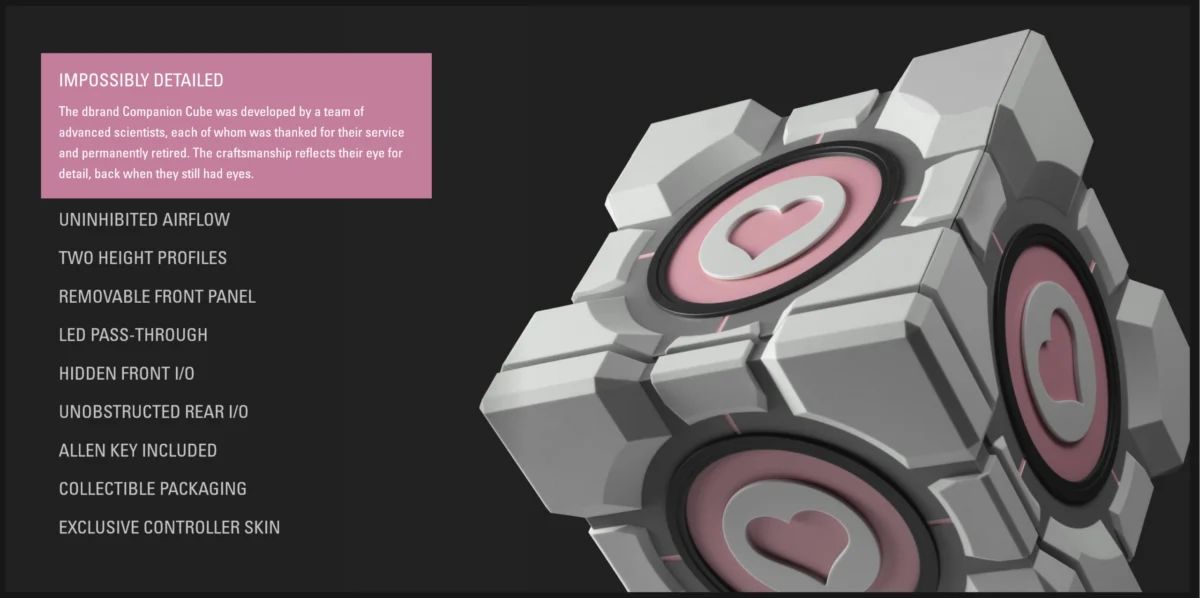
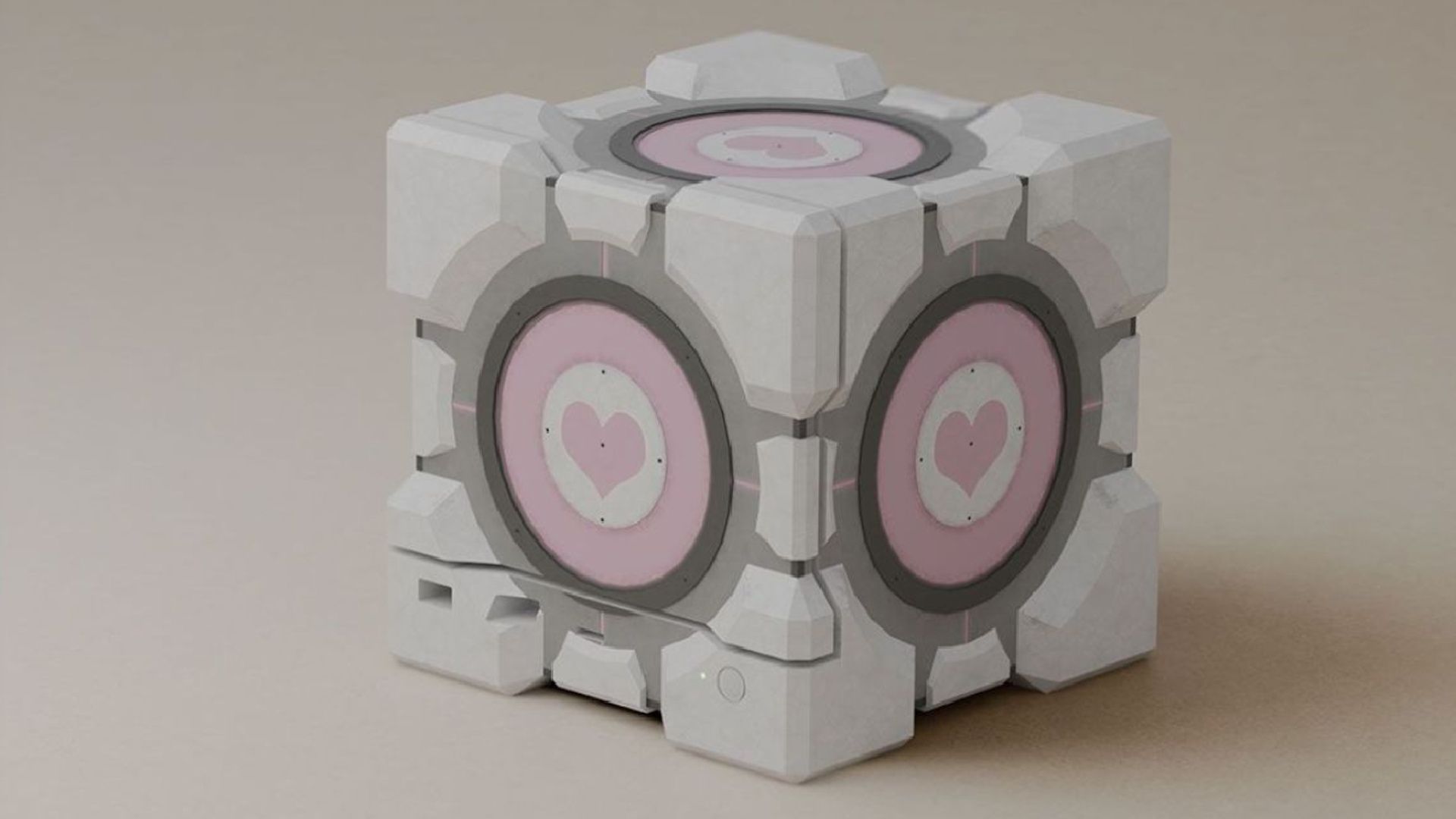
In the fast-paced world of PC hardware modification, few companies command the brand loyalty or the penchant for dramatic flair quite like Dbrand. Known for their precision-cut skins and cheeky, often abrasive marketing, the company recently attempted to bridge the gap between high-end enthusiast hardware and iconic gaming culture. Their target? The newly released Steam Machine. Their vision? A bespoke, limited-edition enclosure modeled after Portal’s legendary Weighted Companion Cube.
It was a marriage of aesthetics and form factor so perfect that it felt inevitable. Yet, in a sudden and sobering reversal, the project has been unceremoniously scrubbed from the internet. Dbrand has officially pulled the plug, abandoning a product that had already secured thousands of pre-orders and thousands of hours of development time. The reason is a classic, albeit painful, lesson in the realities of intellectual property: they built it without asking Valve for permission.
A Chronology of a Failed Vision
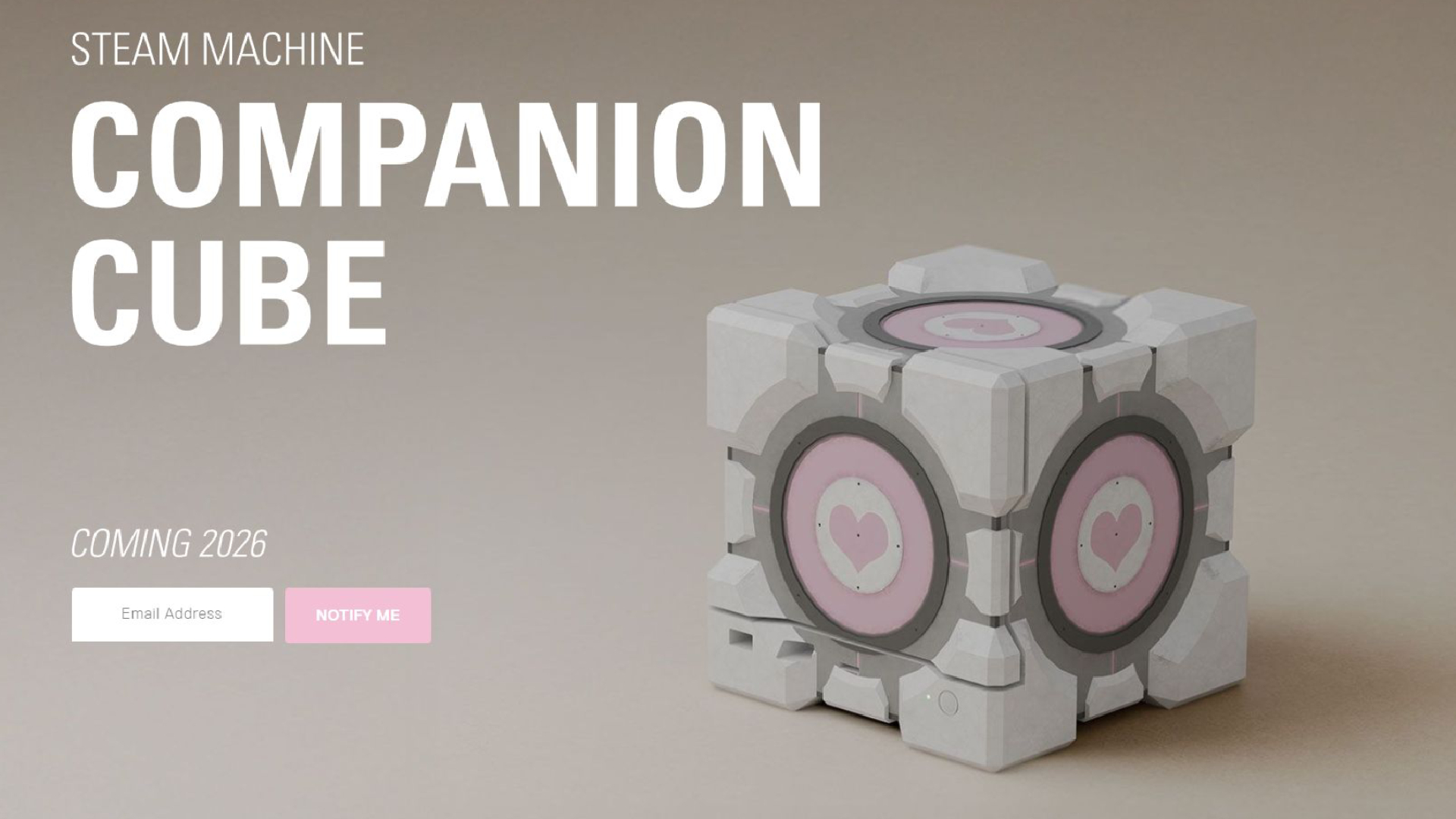
The saga began on November 12, 2025, the same day the Steam Machine was officially unveiled to the public. Recognizing the inherent “cuboid” geometry of the new hardware, Dbrand’s design team saw an opportunity. They quickly drafted a concept render and launched a landing page to gauge interest in a custom enclosure designed to house the console.
The response was immediate and overwhelming. In the first 24 hours alone, over 15,000 potential customers signed up to be notified of availability. For a company that thrives on viral marketing, this was a clear signal: the community wanted the Companion Cube. Emboldened by this feedback, Dbrand moved from concept to prototype with blistering speed. Over the following months, the project grew from a simple skin or aesthetic cover into a full-scale engineering endeavor.
The company invested over 1,000 hours into the project, moving through multiple iterative designs and investing in expensive custom injection-molding tools. They even went as far as to rent an entire university campus to film a high-production launch video, treating the “Poverty Cube”—as they internally dubbed it—with the reverence of a flagship product launch. By the time the product hit the market, it had become the second-fastest selling item in the company’s history. But the dream was short-lived; the moment the product gained traction, it drew the attention of Valve’s legal department.
The Legal Reality: Permission vs. Passion
The collapse of the Companion Cube project is a textbook case of what happens when creative ambition collides with rigid intellectual property (IP) law. While Dbrand’s team viewed the project as a passion-driven love letter to Portal, Valve viewed it as an unauthorized use of one of their most valuable assets.
When Valve’s legal counsel reached out, the tone was reportedly direct, fair, and professional. There was no room for negotiation or retroactive licensing. The message was simple: the Companion Cube is the exclusive property of Valve, and Dbrand did not have the rights to monetize it.
Dbrand’s response to the cease-and-desist was surprisingly humble. Rather than engaging in a public, antagonistic battle—a departure from their usual brand persona—they acknowledged their failure in a statement posted to Reddit. “We’re going to regret that decision for a very long time,” the company admitted, conceding that the “backwards approach of building first and asking permission later” was the fatal error.
The Economic and Engineering Toll
The financial and logistical fallout of this failure is significant. Dbrand noted that they were already operating at a loss on each $99 unit sold, prioritizing the prestige and the "cool factor" of the project over immediate profitability. With the project now dead, that investment—the custom tooling, the man-hours, the marketing, and the rental costs—has effectively evaporated.
From an engineering perspective, the loss is even more acute. Creating an enclosure that fits a modern, high-performance console while maintaining the precise geometric proportions of a Companion Cube is no small feat. It required sophisticated thermal management solutions and structural integrity that isn’t typically required for basic skins. By choosing to bypass the licensing phase, Dbrand gambled that the product would be so successful that Valve would be forced to capitulate or, at the very least, engage in a partnership. It was a high-stakes gamble that ultimately left the company with nothing but a portfolio of unmarketable prototypes.
Implications: The “Obvious” Oversight
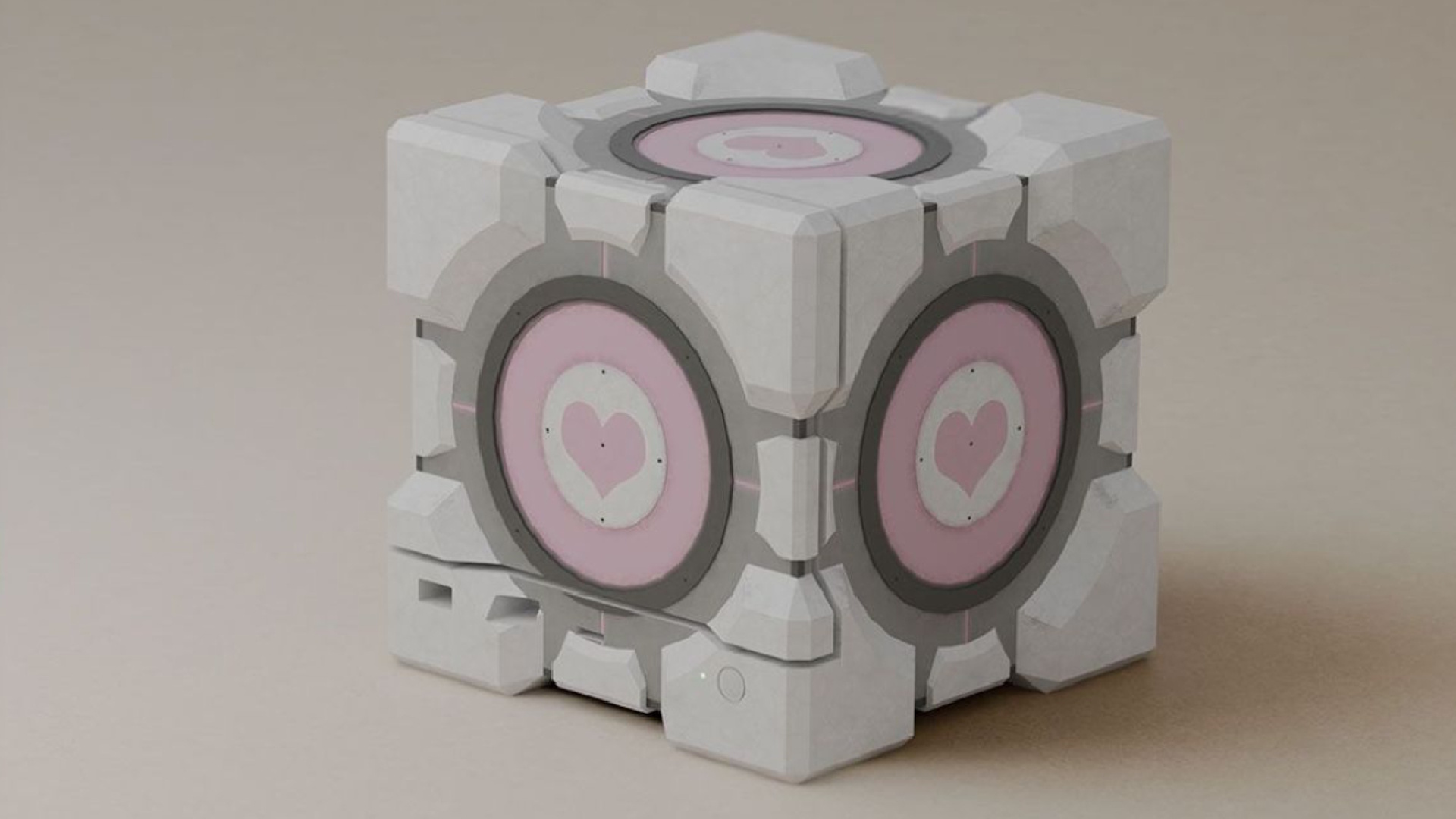
The tragedy of this situation lies in the simplicity of the concept. The Steam Machine’s form factor is, for all intents and purposes, a cube. The Companion Cube is the most iconic cube in gaming history. The synergy was so palpable that it leaves the industry questioning why Valve hadn’t pursued this themselves.
Industry analysts and fans alike are now speculating on the "why." Was Valve simply protecting their brand, or are they holding back an official version of their own? It is not uncommon for major developers to block third-party merchandise if they have internal plans to release an official, branded version of that same product. If Valve is indeed working on a proprietary Companion Cube chassis for the Steam Machine, it would explain why they were so firm in their refusal to grant Dbrand a second chance.
What This Means for the Hardware Modding Community
For the modding community and third-party hardware manufacturers, the Dbrand/Valve situation serves as a cautionary tale. In an era where "fan-made" often implies a level of quality that rivals official products, the lines between fan appreciation and trademark infringement are increasingly blurred.
However, the industry is also left with a question regarding the future of enthusiast hardware. If major companies continue to lock down their ecosystems, preventing talented third-party manufacturers from creating accessories that enhance the user experience, are they stifling innovation?
Dbrand’s apology to their fans was sincere, acknowledging the frustration of the thousands who had pre-ordered the device. But the company’s decision to accept the blame without resentment toward Valve is a mature, if unfortunate, conclusion to the story. They took a swing at the fences, bypassed the necessary administrative hurdles, and paid the price.
Looking Forward: Will the Cube Rise Again?
For the 15,000 people who signed up for the project, the hope remains that Valve will eventually release an official Companion Cube case. It would be a monumental missed opportunity for the company to ignore the sheer demand that Dbrand’s teaser generated.
As for Dbrand, the loss of the project serves as a permanent, expensive reminder of the importance of the legal process in hardware development. While they have successfully moved on to other products, the “Poverty Cube” remains a ghost in their history—a symbol of what could have been if only they had sent an email to Valve’s licensing department back in November.
In the end, this project was a masterclass in marketing and a disaster in management. It reminds us that in the world of modern tech, the best ideas in the world mean very little if they are built on a foundation of unapproved intellectual property. For now, the Companion Cube stays in the testing chambers, and the Steam Machine remains, sadly, just a box.

