

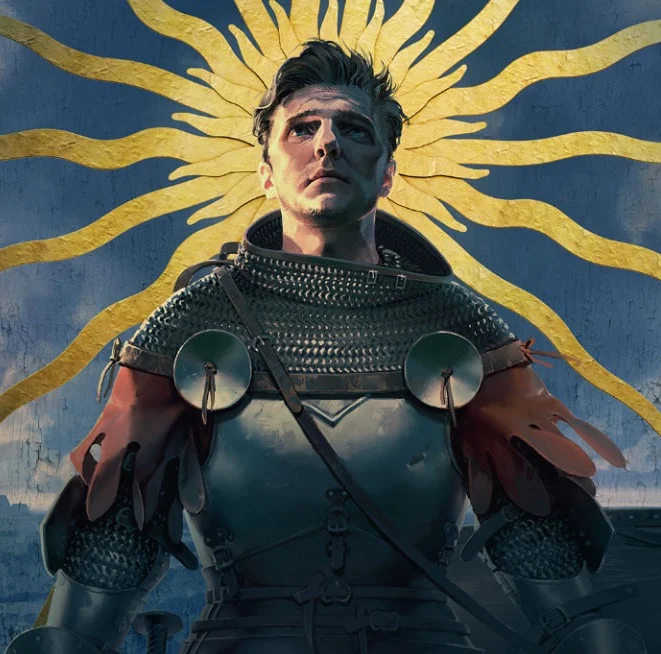
In the pantheon of Western role-playing games, few titles hold as much cultural capital or critical endurance as Fallout: New Vegas. Released in 2010 by Obsidian Entertainment, the game is frequently lauded not for its technical polish—which was notoriously jagged at launch—but for its sophisticated narrative architecture. At the heart of this acclaim lies the game’s approach to its warring factions: the New California Republic (NCR), Caesar’s Legion, and the enigmatic Mr. House.
Recent insights from the game’s director, Josh Sawyer, have shed new light on the deliberate design philosophy that transformed these factions from mere scenery into living, breathing entities. By rejecting the "monolithic" trope common in RPGs of the era, the development team ensured that the Mojave Wasteland felt like a reflection of the messy, contradictory reality of human civilization.
The Design Philosophy: Beyond the Binary
For many RPGs, factions are designed as ideological monoliths. A member of the "Evil Empire" typically shares the same values, aesthetic, and moral compass as their leader. This makes for easy player decision-making: you either agree with the ideology or you don’t. However, as Josh Sawyer articulated in a recent appearance on The Examined Game podcast, this approach was the antithesis of what he and his team aimed to achieve with New Vegas.
"When a faction feels monolithic—where every member of the faction is just like, ‘I’m this guy, I believe in this thing, and this is the thing that everyone believes in’—one, nobody’s like that, and two, it paints too simple of a picture for the player and their decision-making," Sawyer explained.
The goal was to create characters who functioned as humans first and ideological adherents second. This humanization serves a mechanical purpose: it forces the player to engage with the world through a lens of nuance. If a faction member is kind, intelligent, or struggling with their own doubts, the player cannot simply categorize that entire faction as "good" or "bad."
A Chronology of Conflict: The Mojave Power Struggle
To understand the weight of these decisions, one must look at the historical context within the game’s world. The conflict in New Vegas is the culmination of decades of post-war reconstruction.
- Pre-Game (Historical Backdrop): The NCR, a sprawling democratic entity based on the remnants of the old world, expanded eastward, bringing with it the bureaucracy, corruption, and noble intentions of a fledgling government. Simultaneously, Caesar’s Legion, a totalitarian, slave-driven cult of personality, rose from the tribal ashes of Arizona, fueled by a distorted interpretation of Roman history.
- The First Battle of Hoover Dam: Years before the player character—the Courier—arrives, these two juggernauts clashed. The NCR held the dam, but at a massive cost.
- The Start of the Game: The Courier is shot and left for dead, effectively resetting the power balance. As the player explores, they encounter the remnants of these histories in every outpost, bunker, and dialogue tree.
- The Endgame: The player is forced to navigate these competing, flawed interests, eventually deciding the fate of the Mojave.
The NCR: The Burden of Democracy
The New California Republic stands as the most poignant example of Sawyer’s design philosophy. In many games, a "democracy" faction is portrayed as the clear, virtuous choice. In New Vegas, the NCR is portrayed as a sprawling, bloated, and often incompetent bureaucracy.
Sawyer emphasizes that this is exactly how a democracy functions in practice. "I think one of the things that people really wrestled with, with something like NCR, is that NCR is composed of a lot of different people, and some of those people are extremely virtuous and well-meaning, and some are well-meaning but bad-doing, and some are actually malicious and petty and they suck. That’s a democracy, right? That’s being in a republic."
This creates a layer of "internal friction" for the player. One might agree with the NCR’s ideals—rule of law, representative government, safety—but find the reality of their taxation, imperialism, and internal corruption to be a bridge too far.
Caesar’s Legion: The Lie of Uniformity
Perhaps the most controversial faction in the game is Caesar’s Legion. Visually and ideologically, they are the most monolithic, presenting themselves as a singular, disciplined force of nature. Yet, the writing within the game works to systematically dismantle this facade.
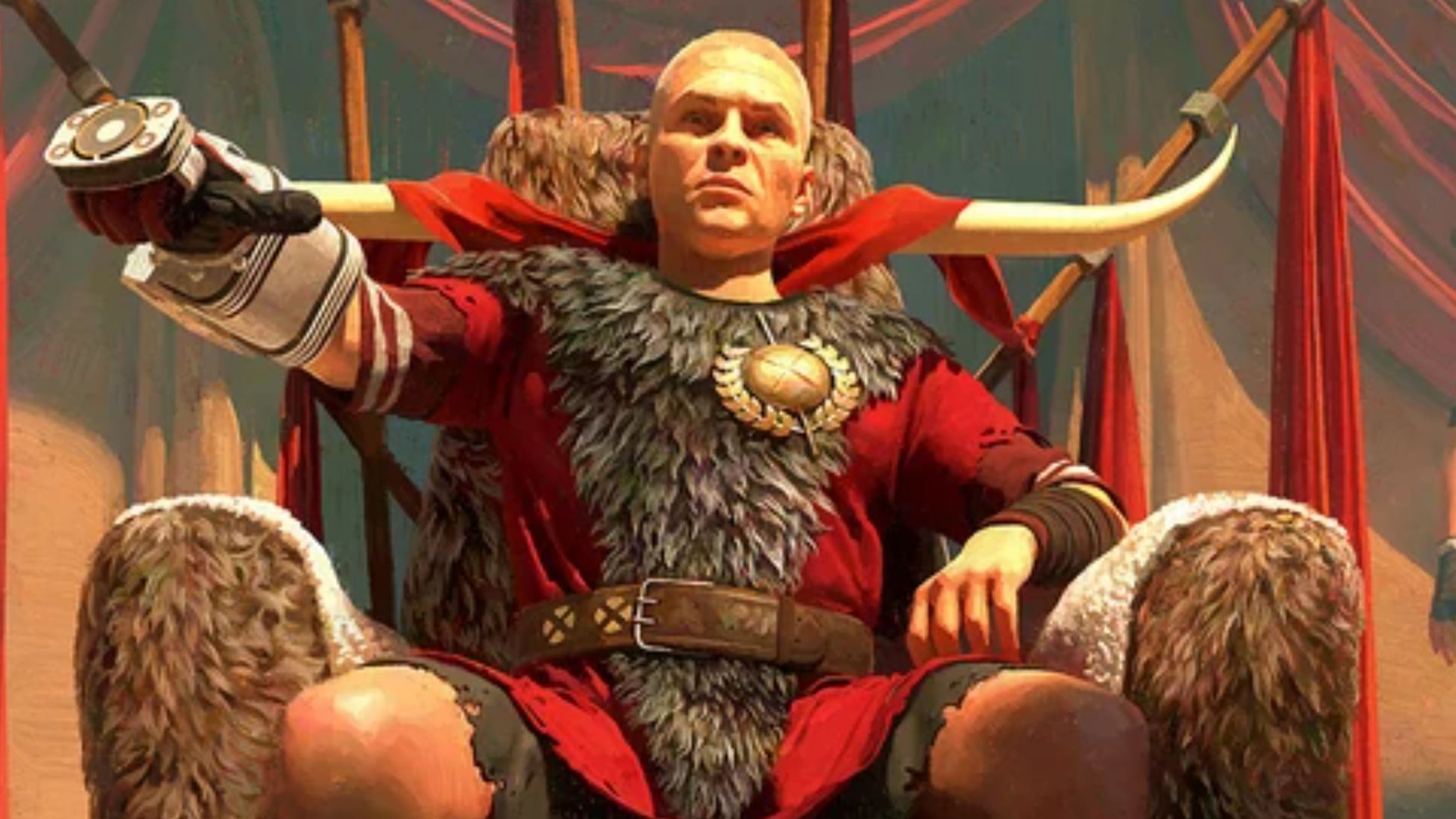
A prime example is Canyon Runner, a slavedriver within the Legion. On the surface, he is a mouthpiece for Caesar’s rhetoric. However, through casual dialogue, the player discovers that he frequently reverts to the tribal behaviors and identities he is supposed to have discarded.
This is the central irony of Caesar: he claims to be creating a "new man" through the total homogenization of his subjects. Yet, the game shows us that identity is not so easily stripped away. By showcasing the cracks in the Legion’s indoctrination, the game reveals that Caesar’s promise of a unified, superior society is, at its core, a lie. As Sawyer notes, while Caesar himself possesses an intellect that has a "certain perspective," the rank and file are, for the most part, "repulsive and abhorrent."
The Player as Participant
The genius of New Vegas lies in how it positions the player. You are not a god-like entity deciding the fate of the world from a detached perspective; you are a participant in a broken system.
"I like it when factions and people are complicated and the player, over time, they have to keep thinking about—not just the people they’re talking to, but also their place in it," Sawyer says. "You have to wrestle with the fact that it contains multitudes."
This sense of agency, combined with the lack of absolute control, is what makes the experience so lasting. You can influence outcomes, but you cannot fix the underlying human flaws of the NCR, nor can you easily reform the barbaric nature of the Legion. You are merely one variable in a massive, complex equation.
Implications for Modern RPG Design
The legacy of New Vegas serves as a stark reminder of what is lost when games aim for "streamlined" narrative experiences. In an era where many modern titles seek to minimize "friction" to ensure player satisfaction, the success of New Vegas proves that friction is often where the most meaningful storytelling occurs.
When a player is forced to choose between two flawed options, or when they are forced to confront the humanity of someone they despise, they are not just "playing a game"—they are engaging in an ethical exercise. This is the hallmark of the CRPG genre at its zenith.
By treating the player as an adult capable of navigating moral ambiguity, Obsidian Entertainment created a game that refuses to be forgotten. Thirteen years later, the debates regarding the NCR’s logistics or the Legion’s philosophy continue to rage in online forums. This is not because the game was perfect, but because it was—and remains—profoundly human.
As we look toward the future of the Fallout franchise and the broader landscape of immersive sims, the lesson of New Vegas remains clear: the most compelling stories aren’t found in the triumph of good over evil, but in the messy, often contradictory space where humans try—and fail—to build something better.

