

In the high-stakes, multi-billion-dollar landscape of modern video game development, career paths are often charted with surgical precision. Aspiring designers spend years building portfolios, networking at industry conferences, and strategically moving between AAA studios to climb the corporate ladder. However, one of the industry’s most influential figures, Tim Cain—the co-creator of the legendary Fallout franchise—recently revealed that his path to success was paved not with meticulous planning, but with what he describes as "fumbling."
Through his popular and insightful YouTube series, "Tim Cain Talking About Stuff," the veteran RPG developer has provided a rare, behind-the-scenes look at the early days of Interplay Entertainment and the birth of the post-apocalyptic RPG genre. His latest reflections offer a startling counter-narrative to the "hustle culture" of game development, suggesting that one of gaming’s greatest legacies was built on short-term thinking and fortuitous timing.
Main Facts: The Philosophy of "Fumbling"
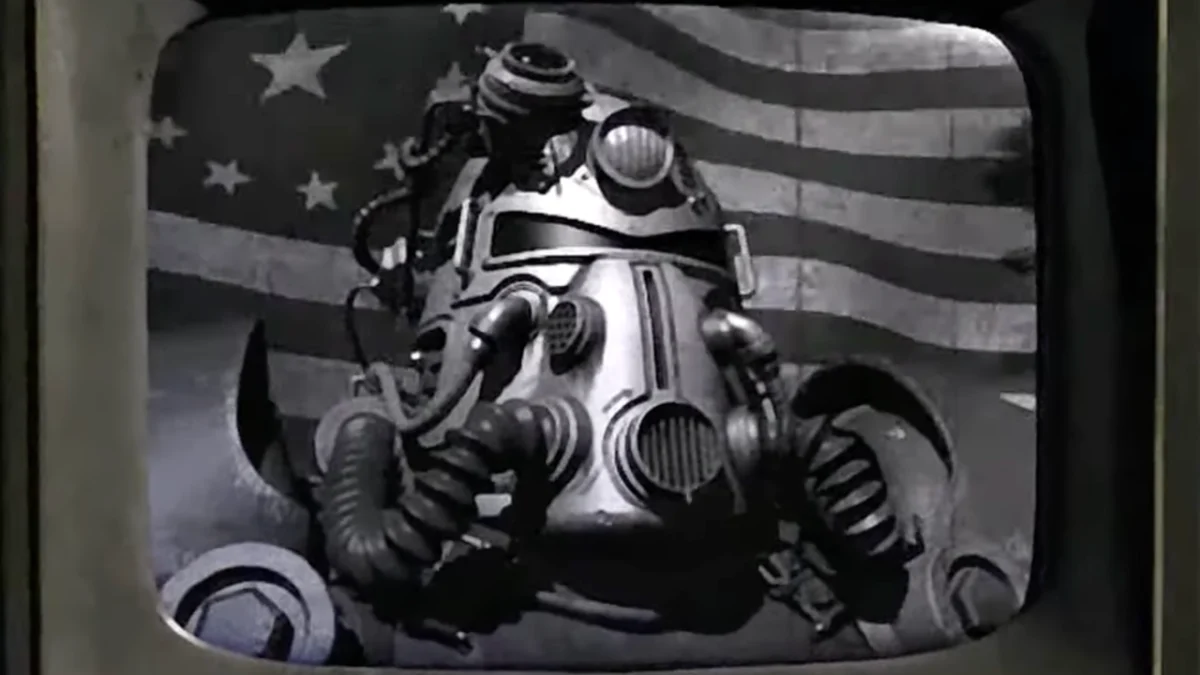
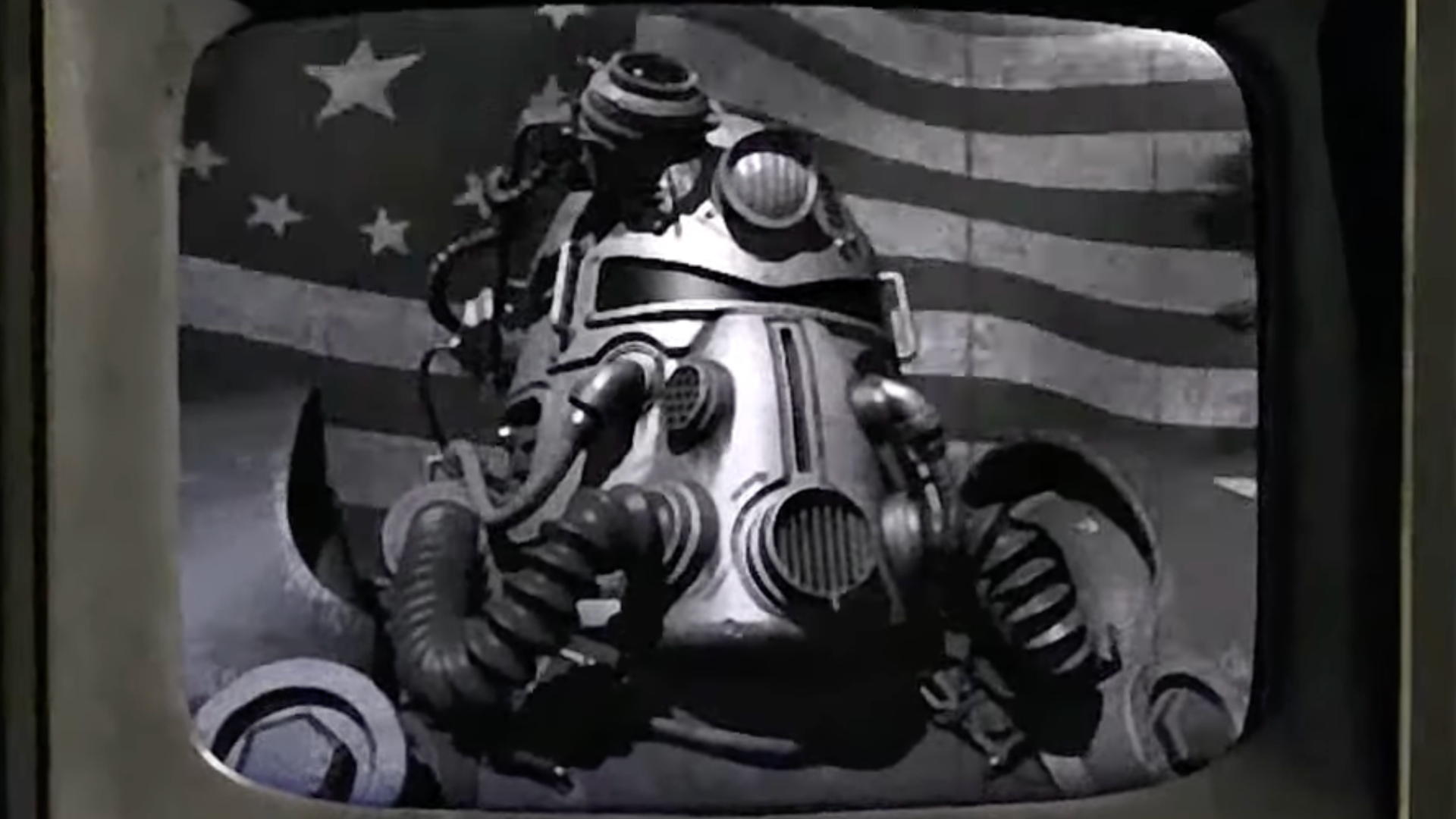
Tim Cain’s career is synonymous with the Golden Age of computer role-playing games (CRPGs). As the primary architect of the original Fallout (1997), he helped define a genre characterized by moral ambiguity, player agency, and dark humor. Yet, according to Cain, his rise to prominence was largely unintentional.
"I fumbled my way through my career," Cain admitted in a recent video. "Opportunities arose that I was just in a good position to take, but I didn’t actually seek them out."
This admission challenges the prevailing image of the visionary auteur who sees decades into the future. Cain notes that during his most productive years at Interplay, his focus was almost exclusively on the immediate task at hand. This "short-termism" was so profound that he rarely considered the long-term trajectory of his career or even the potential for sequels to his most successful projects.
The core facts of Cain’s recent revelations include:
- Passive Career Growth: Cain did not actively seek out leadership roles; rather, he was often the right person in the right place when Interplay needed a project lead.
- Aversion to Sequels: Despite Fallout becoming a massive franchise, Cain was originally against the idea of a sequel, preferring to move on to new creative challenges.
- Strategic Shift: While his "nonchalant" approach worked for him in the 1990s, Cain now explicitly advises young developers to do the opposite and plan their careers with long-term goals in mind.
- The "Tim Brain Space": Cain describes his mental state during the 90s as being entirely occupied by current game mechanics, with no room for five- or ten-year plans.
Chronology: From Interplay to the Outer Worlds
To understand how Cain "fumbled" into greatness, one must look at the timeline of his career, which mirrors the evolution of the RPG genre itself.
The Interplay Era (1991–1998)
Cain joined Interplay in the early 90s, a time when the studio was a powerhouse of PC gaming. He began as a programmer but soon found himself leading a small "passion project" that would eventually become Fallout. For three years, Cain and a core team worked in relative obscurity, developing the S.P.E.C.I.A.L. system and the retro-futuristic aesthetic that would define the series.
When Fallout was released in 1997, it was a critical and commercial success. However, instead of basking in the glory of a new franchise, Cain found himself at odds with the demands of a rapidly growing company. Interplay management immediately demanded a sequel, Fallout 2. Cain, who had not planned for a sequel, initially resisted. He was eventually assigned to the project but left Interplay in 1998 during the middle of Fallout 2‘s development, citing internal friction and a desire for more creative control.
The Troika Years (1998–2005)
Following his departure from Interplay, Cain co-founded Troika Games with fellow Fallout veterans Leonard Boyarsky and Jason Anderson. This era was defined by cult classics like Arcanum: Of Steamworks and Magick Obscura and Vampire: The Masquerade – Bloodlines. True to his "short-term" philosophy, Cain focused on the intricate world-building of these titles without a roadmap for corporate longevity. While Troika’s games are now considered masterpieces, the studio struggled financially and closed its doors in 2005.
The Modern Era and Obsidian (2005–Present)
After stints at Carbine Studios and other ventures, Cain joined Obsidian Entertainment, a studio founded by many of his former Interplay colleagues. At Obsidian, he co-directed The Outer Worlds, a game often described as a spiritual successor to the satirical, choice-driven RPGs he helped pioneer. It is in this later stage of his career that Cain began to reflect more deeply on the mechanics of the industry, eventually launching his YouTube channel to share these insights.
Supporting Data: The Impact of a Short-Term Vision
While Cain views his lack of planning as a personal quirk, the data suggests that his focus on the "here and now" may have been a contributing factor to the high quality of his work.
- Innovation over Iteration: By not focusing on sequels, Cain was forced to innovate. Fallout was not a safe bet; it was a radical departure from the high-fantasy tropes of the time. The lack of a "franchise mindset" allowed the team to take risks that a more corporate, long-term strategy might have stifled.
- Critical Acclaim: The games developed under Cain’s "fumbling" tenure remain some of the highest-rated RPGs in history. Fallout holds a legacy that eventually led to Bethesda purchasing the IP for $5.75 million in 2007—a testament to the value Cain created without even trying to build a "brand."
- The "Indie" Spirit in AAA: In the 1990s, the "Tim Cain approach" was more feasible because development teams were smaller. The original Fallout team was tiny by modern standards. Today, a AAA game like Starfield or Fallout 4 involves hundreds of developers and hundreds of millions of dollars, making Cain’s style of accidental leadership nearly impossible in the modern corporate environment.
Official Responses: Reflections from the "Tim Cain" Archives
Cain’s YouTube channel has become an unofficial oral history of the gaming industry. In his videos, he provides "official" responses to long-standing rumors and clarifies his personal philosophy.
Regarding his departure from Fallout 2, Cain has been candid: "I didn’t think about a sequel to Fallout while I was making it." He explains that his exit from Interplay was a result of the company’s shift toward a more rigid, corporate structure that clashed with his organic, project-focused work ethic. "I was just not in the ‘Tim brain space’ for five or ten-year plans," he reiterated.
Furthermore, Cain has addressed the current state of the gaming community. In a related commentary, he expressed sadness over the rise of "toxic" fandom. He noted that many modern gamers seem to "like hating things," a trend he believes discourages developers from taking the very risks that led to the creation of Fallout. "I just tapped out, and that’s sad," he remarked, referring to his decreased engagement with public discourse to protect his mental well-being.
Implications: The Evolution of Career Planning in Game Design
Tim Cain’s reflections serve as a bridge between two eras of game development. His "serendipitous" career highlights a fundamental shift in how the industry operates and what is required of its leaders.
The End of the "Accidental" Developer
Cain’s advice to young developers—to plan more strategically than he did—is a recognition that the industry has matured. In the 90s, a talented programmer could "fumble" into a lead designer role because the barriers to entry were lower and the structures were less defined. Today, the complexity of game engines, the scale of marketing budgets, and the intricacies of "live service" models require a level of foresight that Cain admits he didn’t possess.
The Value of Short-Term Focus
Conversely, there is a lesson in Cain’s success for modern studios. The industry’s current obsession with "roadmaps," "ten-year plans," and "franchise universes" often leads to bloated, uninspired games. Cain’s career proves that an intense, almost singular focus on making one great game can create more long-term value than a decade of mediocre, planned sequels.
The Legacy of the "Tim Brain Space"
Ultimately, Tim Cain’s "fumbling" gave the world a masterpiece. By focusing on the immediate joy of creation rather than the distant goal of career advancement, he infused Fallout with a level of detail and personality that remains unmatched. While he may regret his lack of a "five-year plan," the gaming world is arguably better off for it. His career stands as a reminder that sometimes, the best way to build a legacy is to stop looking at the horizon and start looking at the code right in front of you.
As Cain continues to "yap" (his own self-deprecating term) about his experiences, he provides a vital service to the industry: humanizing the process of creation. In an age of PR-managed statements and corporate polish, Cain’s admission that he "fumbled" his way to the top is not just refreshing—it is an essential piece of gaming history.

