The relentless pursuit of higher hardware specifications in PC gaming often crosses the line from meaningful performance enhancement into the realm of diminishing returns. Nowhere is this truer than in the competitive first-person shooter (FPS) arena, where manufacturers routinely push display technology past 500Hz and into 600Hz territory.
However, recent insights from professional esports players validate a growing consensus among hardware analysts: 360Hz remains the definitive "sweet spot" for competitive Counter-Strike 2 (CS2) play.
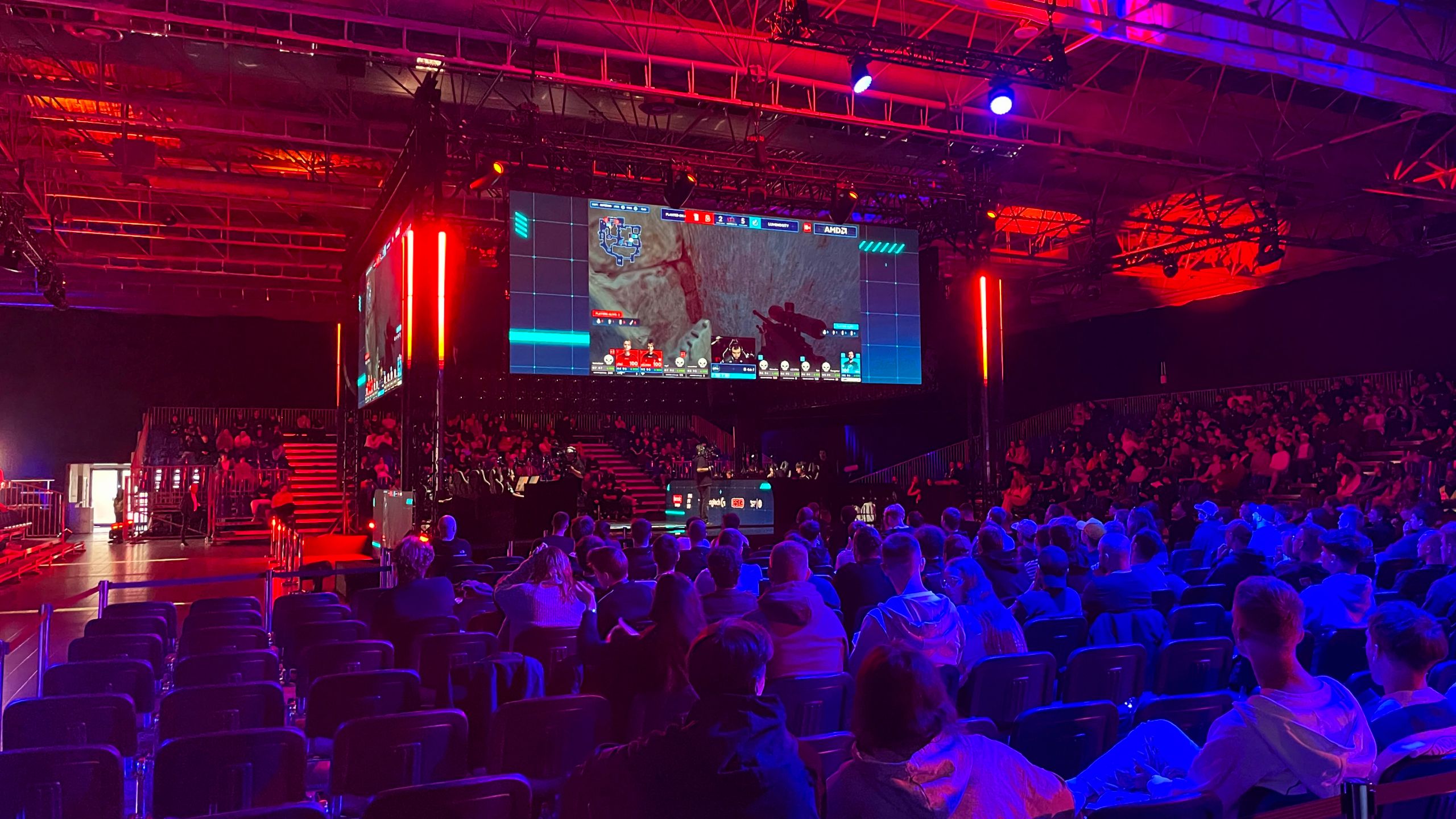
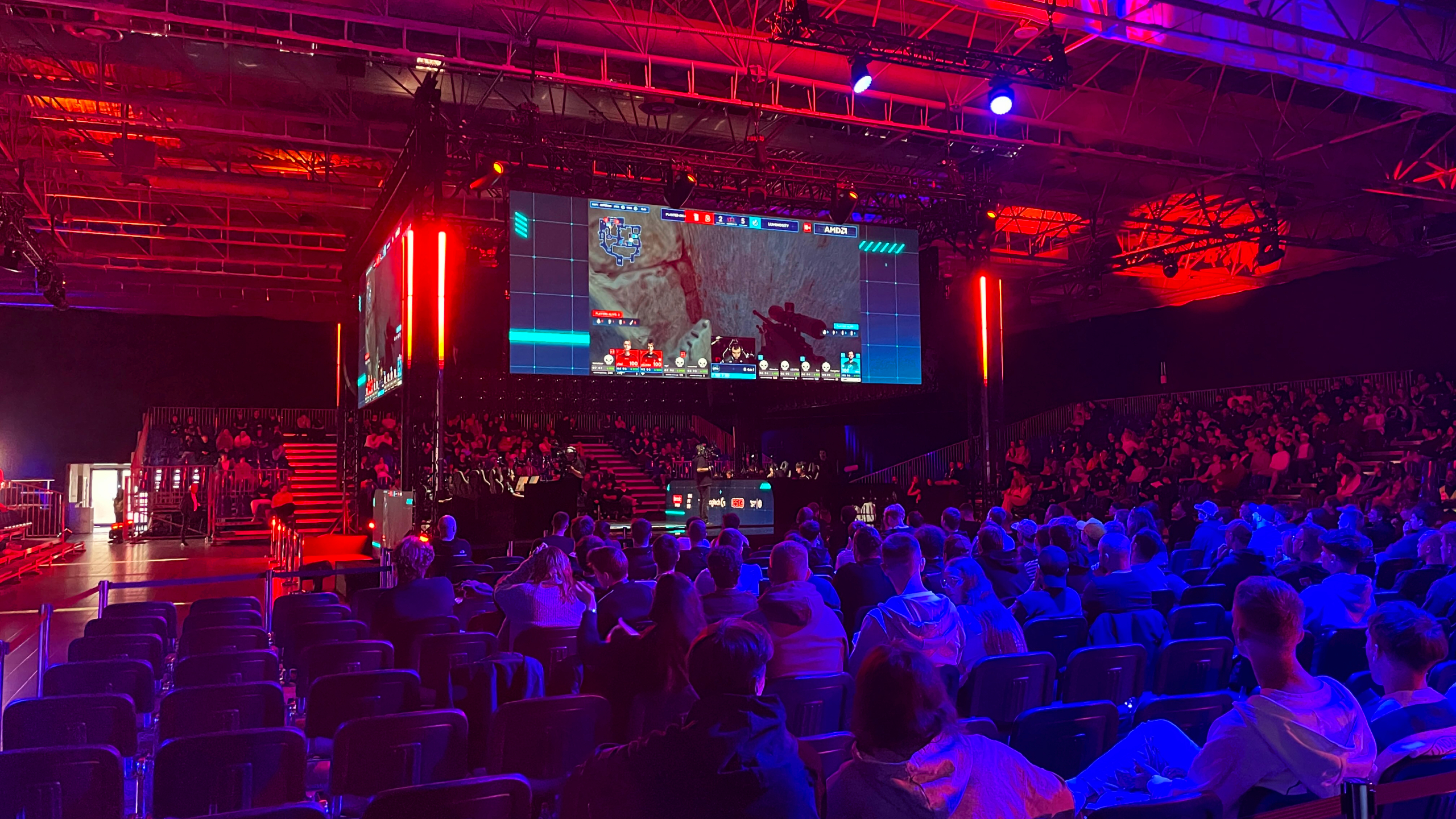
Reporting from the ground at the Logitech G Play event in Warsaw, Poland, industry hardware testers caught up with professional players Oscar Bell ("Azuwu") and Simon Boije ("yxngstxr") of the Luminosity Counter-Strike 2 roster. Both competitors offered candid assessments of ultra-high refresh rate panels, highlighting a stark gap between marketing hype and hardware reality:
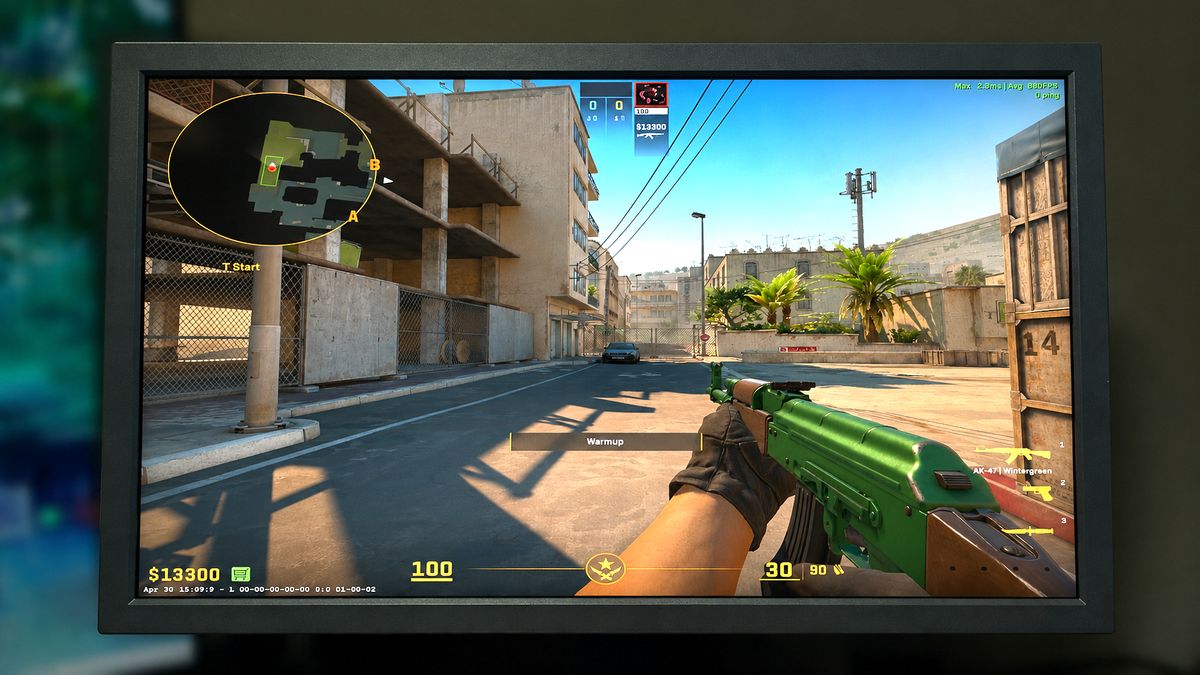
The Frame-Rate Bottleneck: Even top-tier gaming rigs outfitted with bleeding-edge components (such as an AMD Ryzen 7 7800X3D and an RX 9070 XT) struggle to sustainably push 600 frames per second (fps) in Counter-Strike 2, even when dropping resolutions to 1280×960 or standard 1080p.
The 360Hz Threshold: While moving from standard 240Hz panels to 360Hz yields a noticeable, permanent perceptual upgrade for professional competitors, scaling up to 400Hz, 500Hz, or 600Hz produces marginal differences that border on placebo effects.
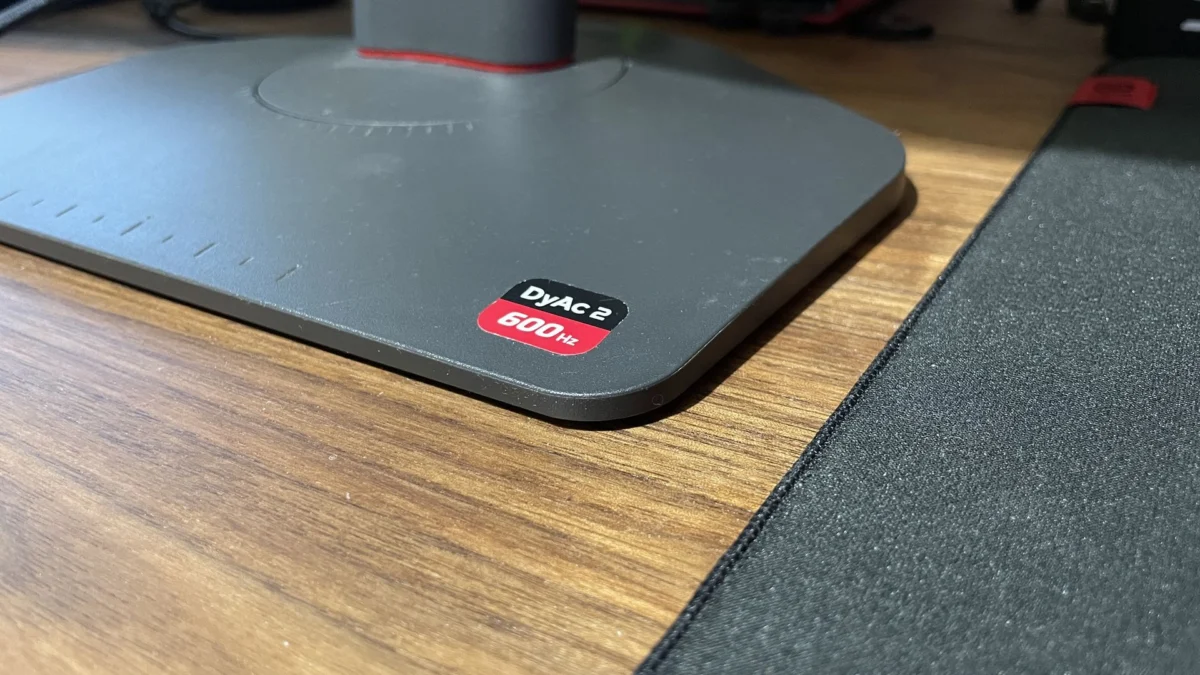
The Real Competitive Edge: Hardware features that genuinely impact competitive play often extend beyond raw refresh rates into proprietary display technologies, such as Zowie’s DyAc (Dynamic Accuracy) backlight strobing, which drastically enhances motion clarity and target identification during chaotic team fights.
Chronology: The Evolution of High-Refresh Competitive Displays
To understand how the industry arrived at the current 600Hz debate, it is helpful to trace the rapid evolution of competitive display technology over the past decade.
1. The 60Hz Baseline to 144Hz Revolution (Mid-2010s)
For decades, standard desktop displays were locked at 60Hz, refreshing the image 60 times per second (every 16.6 milliseconds). As the global esports phenomenon expanded around titles like Counter-Strike: Global Offensive (CS:GO), manufacturers introduced 144Hz panels. This technological leap slashed frame times down to roughly 6.9 milliseconds, offering a transformative advantage that quickly became the baseline requirement for any serious competitive player.
2. The 240Hz Standard and Diminishing Returns (Late 2010s–2020)
As panel manufacturing matured, 240Hz monitors emerged as the tournament standard. While the jump from 60Hz to 144Hz was revolutionary, the step from 144Hz to 240Hz (dropping frame intervals from 6.9ms to 4.1ms) proved more subtle. Nevertheless, top-tier competitors adopted them universally, establishing the perception that higher numbers automatically equated to a competitive edge.
3. The 360Hz Sweet Spot Era (2021–2024)
Entering the current decade, brands began introducing 360Hz IPS and OLED panels. Testing and pro-player feedback consistently circled back to this threshold as the point where human visual perception and motion smoothing plateaued. At 360Hz, frame delivery occurs every 2.77 milliseconds—shaving off fractions of a millisecond that, while theoretically faster, began brushing against the limits of human reaction times and visual processing.
4. The 500Hz+ Race and Current Reality (2025–2026)
Display manufacturers recently broke past the half-thousand hertz barrier, culminating in extreme hardware like the 600Hz Zowie XL2586X+. Yet, as events like Logitech G Play 2026 demonstrate, hardware capabilities have outpaced both game engine optimization and real-world PC performance, forcing pros and enthusiasts to re-evaluate whether these ultra-exotic refresh rates are genuinely necessary.
Supporting Data: Hardware Realities and Benchmarks
The debate surrounding refresh rates cannot be separated from the raw computational power required to drive them. Counter-Strike 2, while visually cleaner than narrative-driven AAA blockbusters, is heavily CPU-bound. Its reliance on complex physics, tick rates, and smoke rendering places immense pressure on system hardware.
Moving from 360Hz to 600Hz saves roughly 1.1 milliseconds of display latency. However, if a gaming PC is only outputting 300 to 450 frames per second due to CPU constraints, a 600Hz monitor is effectively displaying duplicate frames, neutralizing any theoretical hardware advantage.
Official Responses and Pro-Player Insights
The frontline perspective from Luminosity players Oscar "Azuwu" Bell and Simon "yxngstxr" Boije sheds light on how elite competitors evaluate these marketing claims in practice.
"When I had 240 at home, I didn’t even really notice 360. But now I’m on 360 I can’t go back down… I feel it a lot. So I think 360, 400, and 600 are all pretty similar… I’d say 400 is a nice spot and 600 is extra nice. But anyway, in a lot of PCs, you won’t hit 600 frames."
— Oscar Bell ("Azuwu"), Luminosity
Azuwu’s observation underscores a psychological and physical threshold: once a player adapts to 360Hz, dropping back down feels sluggish, but climbing further yields diminishing returns. Yxngstxr echoed these sentiments, questioning the utility of extreme displays when paired with average pro-level frame rates:
"I think it’s kind of a placebo, personal thing, you know? Because on most PCs you rarely get 600 fps, right? 600 Hz with like 300 fps, it doesn’t even matter."
— Simon Boije ("yxngstxr"), Luminosity
The Importance of Motion Clarity over Raw Numbers
Both players highlighted that raw refresh rates tell only half the story. Technologies designed to combat ghosting and motion blur—such as BenQ Zowie’s proprietary DyAc (Dynamic Accuracy) backlight strobing—often provide a far more tangible competitive advantage.
When asked about DyAc technology on the 600Hz Zowie XL2586X+, Yxngstxr noted that it makes enemy player models stand out more clearly during high-speed movement: "The edge of the players get more noticeable." Meanwhile, Azuwu offered a more measured take on the same feature: "I have it on, but it’s hard to tell."
Implications for Consumers and the Future of Esports Hardware
The realization that 360Hz represents the practical sweet spot for competitive FPS gaming carries significant implications for the broader PC hardware market:
Shift in Consumer Spending: Buyers no longer need to exhaust their budgets chasing ultra-exotic 500Hz+ panels. Investing in a robust 360Hz monitor—especially one equipped with advanced motion-blur reduction or high-end OLED response times—delivers 95% of the competitive benefit at a fraction of the cost.
Component Prioritization: Because maintaining high, stable framerates is crucial to fully utilizing a 360Hz display, players are better served allocating funds toward high-performance CPUs (such as AMD’s X3D chips) rather than over-indexing on ultra-high refresh rate displays paired with mid-tier processing power.
Manufacturer Focus: As the law of diminishing returns sets in for refresh rates, display manufacturers will likely pivot their research and development toward improving motion clarity, reducing input lag, expanding color accuracy, and refining backlight strobing technologies rather than simply pushing higher hertz numbers.
Ultimately, while the marketing departments of major hardware brands will continue to chase headline-grabbing figures, the verdict from the esports trenches is clear: 360Hz hits the exact intersection of human capability, game engine limitations, and hardware performance, making it the ultimate destination for competitive FPS dominance.