

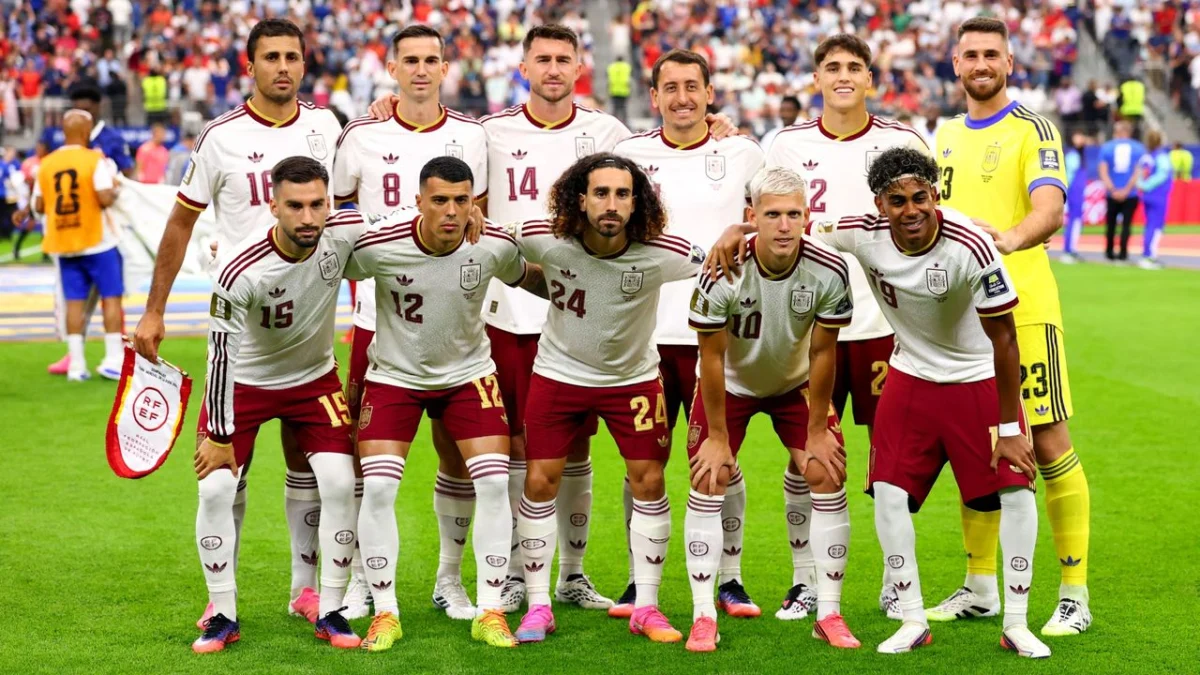
The eyes of the global sporting community are fixed firmly on the New York-New Jersey region as the 2026 FIFA World Cup approaches its fever-pitch conclusion. On Sunday, July 19, 2026, the MetLife Stadium (officially designated as the New York New Jersey Stadium for the tournament) will host a historic final between the reigning champions, Argentina, and a resurgent Spanish side. This match represents more than just a trophy; it is a collision of footballing philosophies, a test of endurance in the first-ever 48-team tournament, and a cultural milestone that sees FIFA adopting a "Super Bowl" style entertainment model for the first time in its history.
Main Facts: The Stakes and the Setting
The 2026 World Cup Final is scheduled to kick off at 3:00 PM Eastern Time (8:00 PM BST). For fans in the Southern Hemisphere, particularly in Australia, the match will commence at 5:00 AM AEST on Monday, July 20. The selection of the New York New Jersey Stadium as the venue underscores the tournament’s ambition to marry the tradition of international football with the commercial and logistical powerhouse of the United States’ largest metropolitan market.
The matchup is a purist’s dream. Argentina, led by a squad that has maintained its competitive edge since their 2022 triumph in Qatar, is on the verge of footballing immortality. Should they emerge victorious, they will become only the third nation in history to successfully defend a World Cup title, joining the elite ranks of Italy (1934, 1938) and Brazil (1958, 1962). Standing in their way is Spain, a team that has navigated the expanded bracket with clinical precision, culminating in a dominant semi-final performance against France.
Beyond the pitch, the 2026 Final is set to break viewership records. With the tournament expanded to 48 teams and hosted across three nations—the United States, Mexico, and Canada—the final serves as the ultimate proof of concept for FIFA’s new, larger format. Additionally, the announcement of a star-studded halftime show suggests that FIFA is aggressively pursuing a broader entertainment demographic, moving away from the traditional 15-minute break toward a high-production spectacle.
Chronology: The Road to New York
The path to the final has been defined by high-intensity drama and tactical evolution. The semi-final round, in particular, provided the narratives that will dominate the pre-match analysis.
The Battle of the Giants: Argentina vs. England
The semi-final between Argentina and England was described by onlookers as a "bad-tempered battle." In a match fraught with tactical fouls and emotional outbursts, Argentina’s veteran savvy ultimately triumphed over England’s youthful energy. The 2-1 victory for the Albiceleste was a masterclass in game management, though it left the English side lamenting what they felt were missed opportunities and controversial officiating. For Argentina, the win was a statement of intent, proving they possess the grit necessary to navigate the most hostile of environments.
The Spanish Masterclass: Spain vs. France
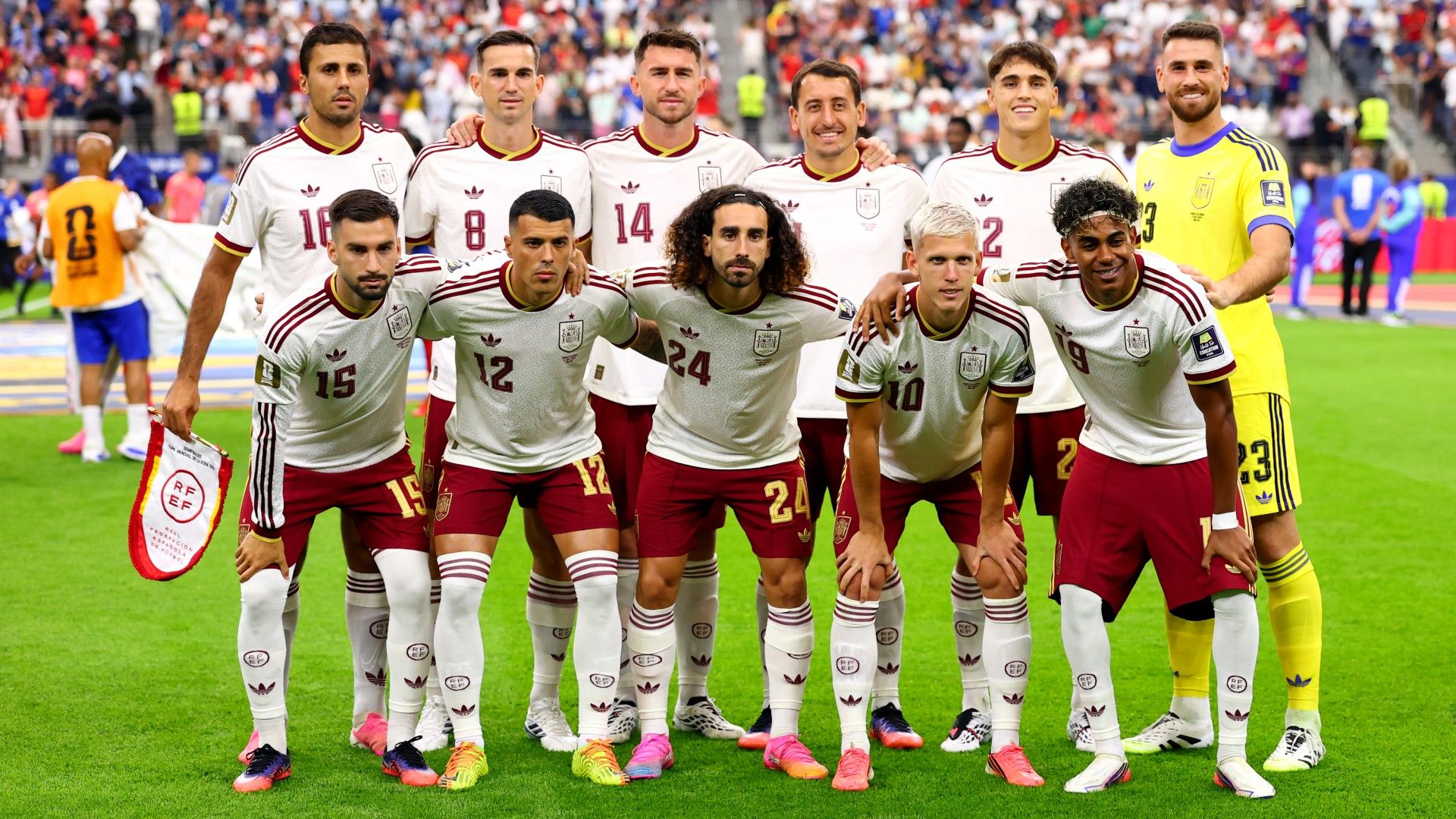
In stark contrast to the emotional volatility of the Argentina-England clash, Spain’s semi-final against France was a display of technical superiority. Spain "trounced" the French side 2-0, controlling the tempo from the opening whistle. Their ability to dismantle a defensively sound French team has led many pundits to label Spain the slight favorites heading into the final. Their "tiki-taka" evolution—now infused with more direct wing play—has been the tactical highlight of the tournament.
The Final Countdown
Following the conclusion of the semi-finals on Wednesday, both teams relocated to their respective base camps in the New Jersey area. The intervening days have been focused on recovery and navigating the immense media pressure that accompanies a World Cup Final. For Argentina, the focus is on physical restoration after a grueling match against England; for Spain, it is about maintaining the psychological momentum of their dominant run.
Supporting Data: Broadcasters, Viewership, and Logistics
The 2026 World Cup Final is expected to be the most-watched sporting event in human history, with projected global viewership exceeding 1.5 billion people. This massive reach is supported by a complex network of broadcasting rights tailored to local markets.
Global Broadcasting Landscape
- United Kingdom: In a rare move, both the BBC and ITV will broadcast the final live. This dual-coverage ensures that every household in the UK has access via BBC iPlayer or ITVX (STV in Scotland).
- United States: FOX Sports holds the English-language rights, offering the match in 4K resolution for premium subscribers. Telemundo will provide Spanish-language coverage, featuring high-fidelity Dolby Atmos and Dolby Vision technology.
- Australia: SBS On Demand continues its tradition of providing free access to the World Cup, despite the challenging early-morning kickoff time for local viewers.
- Canada: TSN+ will be the primary destination for Canadian fans, capping off a tournament where Canada served as a co-host.
The "Super Bowl" Shift: The Halftime Spectacle
One of the most significant data points for the 2026 Final is the duration of the halftime interval. While a standard football halftime lasts 15 minutes, reports indicate that broadcasters are preparing for a 30-to-40-minute gap. This is to accommodate a massive entertainment event curated by Coldplay. The lineup includes:
- Music Icons: Madonna, Shakira, and Justin Bieber.
- Global Sensations: BTS and Burna Boy.
- Cultural Crossovers: Characters from The Muppets.
This shift represents a fundamental change in how FIFA packages the World Cup Final. By extending the halftime period, FIFA is maximizing advertising revenue and engaging non-traditional football fans, a move that has drawn both praise for its ambition and criticism from football traditionalists who fear the "Americanization" of the sport.
Official Responses: FIFA and National Federations
The official rhetoric surrounding the final has been one of celebration and historic significance. FIFA President Gianni Infantino has repeatedly referred to the 2026 tournament as the "most inclusive and greatest show on Earth."

FIFA’s Stance
In a recent press briefing, FIFA officials defended the extended halftime show, stating, "The World Cup Final is no longer just a match; it is a global cultural moment. We are bringing together the best of sport and the best of entertainment to create an experience that transcends boundaries." FIFA has also emphasized the logistical success of the New York New Jersey Stadium, citing its state-of-the-art facilities and its ability to handle the massive influx of international travelers.
Team Perspectives
The Argentinian Football Association (AFA) has remained focused on the historical weight of the match. "We are playing for the third star and for the legacy of our nation," a spokesperson stated. "The players are aware that they can join the immortals of 1934 Italy and 1958 Brazil."
The Royal Spanish Football Federation (RFEF) has taken a more understated approach, focusing on the tactical preparation. "We respect Argentina’s history, but we believe in our process," said the Spanish camp. "The team is calm, focused, and ready to bring the trophy back to Madrid."
Implications: A New Era for International Football
The 2026 World Cup Final carries implications that will resonate long after the final whistle at MetLife Stadium.

The Evolution of the Tournament Format
The success of this final will largely dictate the future of the 48-team format. While critics argued that an expanded field would dilute the quality of play, the high-caliber performances of Spain and Argentina suggest that the "cream" still rises to the top. However, the logistical strain of hosting a tournament across an entire continent remains a point of debate for future bids.
The Commercialization of the Sport
The 2026 Final marks the point where the FIFA World Cup officially adopted the entertainment-first model pioneered by the NFL. If the halftime show proves to be a ratings success, it is highly likely that future finals in 2030 and beyond will feature similar high-production intervals. This has significant implications for broadcasting contracts and the scheduling of matches, which must now balance the needs of athletes with the requirements of global pop stars.
North America as a Footballing Hub
For the United States, Canada, and Mexico, the 2026 Final is a validation of North America’s status as a premier destination for world football. The infrastructure, the attendance records, and the cultural enthusiasm seen throughout the tournament have silenced skeptics who doubted the region’s passion for the sport. The legacy of this final will likely be a permanent elevation of Major League Soccer (MLS) and Liga MX on the global stage.
As Sunday approaches, the narrative remains "too close to call." Argentina brings the weight of history and the hunger of defending champions, while Spain brings the grace of a team at the peak of its powers. Regardless of the scoreline, the 2026 World Cup Final is set to be a transformative moment in the history of the beautiful game.

