


In the vast, often sterile landscape of modern space-faring strategy games, few titles carry the gravitas and cult-like devotion of Mithis Entertainment’s 2004 classic, Nexus: The Jupiter Incident. A masterclass in tactical fleet simulation, the game is currently enjoying a resurgence of interest thanks to a limited-time giveaway on GOG.com. As part of the storefront’s sprawling Summer Sale, players can claim this definitive sci-fi experience for free until July 6—an opportunity that serves as both a nostalgic trip for veterans and a necessary history lesson for modern strategy enthusiasts.
The Core Experience: More Than Just Another RTS
To categorize Nexus: The Jupiter Incident merely as a "Real-Time Strategy" game is to do it a disservice. While it occupies the same genre space as titans like Homeworld or Sins of a Solar Empire, Nexus leans heavily into the "tactical simulator" label. It eschews the typical base-building and resource-gathering loops of the 2000s in favor of high-stakes, ship-to-ship combat that feels grounded in the physics and tension of a hard sci-fi thriller.
The gameplay is defined by granular control. Players do not just command a fleet; they manage individual subsystems. You are constantly balancing power between shield generators, weapon capacitors, and engine thrusters. When a massive dreadnought aligns its broadside, the player isn’t just clicking an "attack" button; they are carefully positioning their vessel to minimize exposure, targeting enemy point-defense turrets, and timing their counter-measures to deflect incoming beams. It is a game of rhythm, precision, and—above all—the cold, unforgiving reality of space combat.
Chronology of a Cult Classic
The journey of Nexus: The Jupiter Incident is as compelling as its narrative. Originally conceptualized in the early 2000s, the game arrived during a golden age for space combat sims, yet it managed to carve out a unique identity.
- 2004–2005 (The Release Era): The game launched to critical acclaim, earning an 83% rating from PC Gamer in April 2005. Critics praised its visual fidelity, which, even by today’s standards, holds a unique charm, and its complex, narrative-driven campaign.
- The Mid-Life Struggle: Following the dissolution of Mithis Entertainment, the game faced the common fate of many PC classics: abandonware status. It became difficult to run on modern operating systems, relegated to the dusty corners of digital archives.
- The Resurrection: The partnership with GOG.com breathed new life into the title. Through rigorous testing and compatibility patches, GOG ensured that Nexus could run on modern hardware, effectively preserving a piece of gaming history.
- Present Day: As of the current GOG Summer Sale, the game is available for free, introducing a new generation of players to the high-stakes exploits of Captain Marcus Cromwell.
The Narrative Hook: Humanity’s Precipice
At the heart of the Nexus experience is a story that feels remarkably prescient. Set 60 years after the "Noah’s Ark" catastrophe—a disaster involving humanity’s first interstellar colony ship—the game portrays a Solar System fractured by corporate greed and political instability.
The player steps into the boots of Marcus Cromwell, a young, ambitious captain thrust into the center of a brewing conflict between the major conglomerates that essentially own the human race. The writing succeeds because it avoids the "chosen one" trope, opting instead for a gritty, political thriller tone. The narrative structure, which persists even when a mission ends in failure, mimics the pacing of a television serial. You are a cog in a larger machine, and the weight of your decisions dictates not just the survival of your crew, but the fragile peace of the entire system.
Supporting Data and Technical Merit
What makes Nexus stand out in a sea of aging software is its commitment to player agency and moddability. The GOG release includes a fully documented mod kit, a rarity for titles of its vintage. This toolkit includes:
- The Model Viewer: Allowing players to inspect the intricate, industrial designs of the ships.
- Sample Assets: Providing a blueprint for aspiring developers to see how the game’s engine handles lighting and geometry.
- Documentation: Clear guidelines that encourage the community to build their own scenarios, effectively keeping the game’s meta-game alive nearly two decades after its initial release.
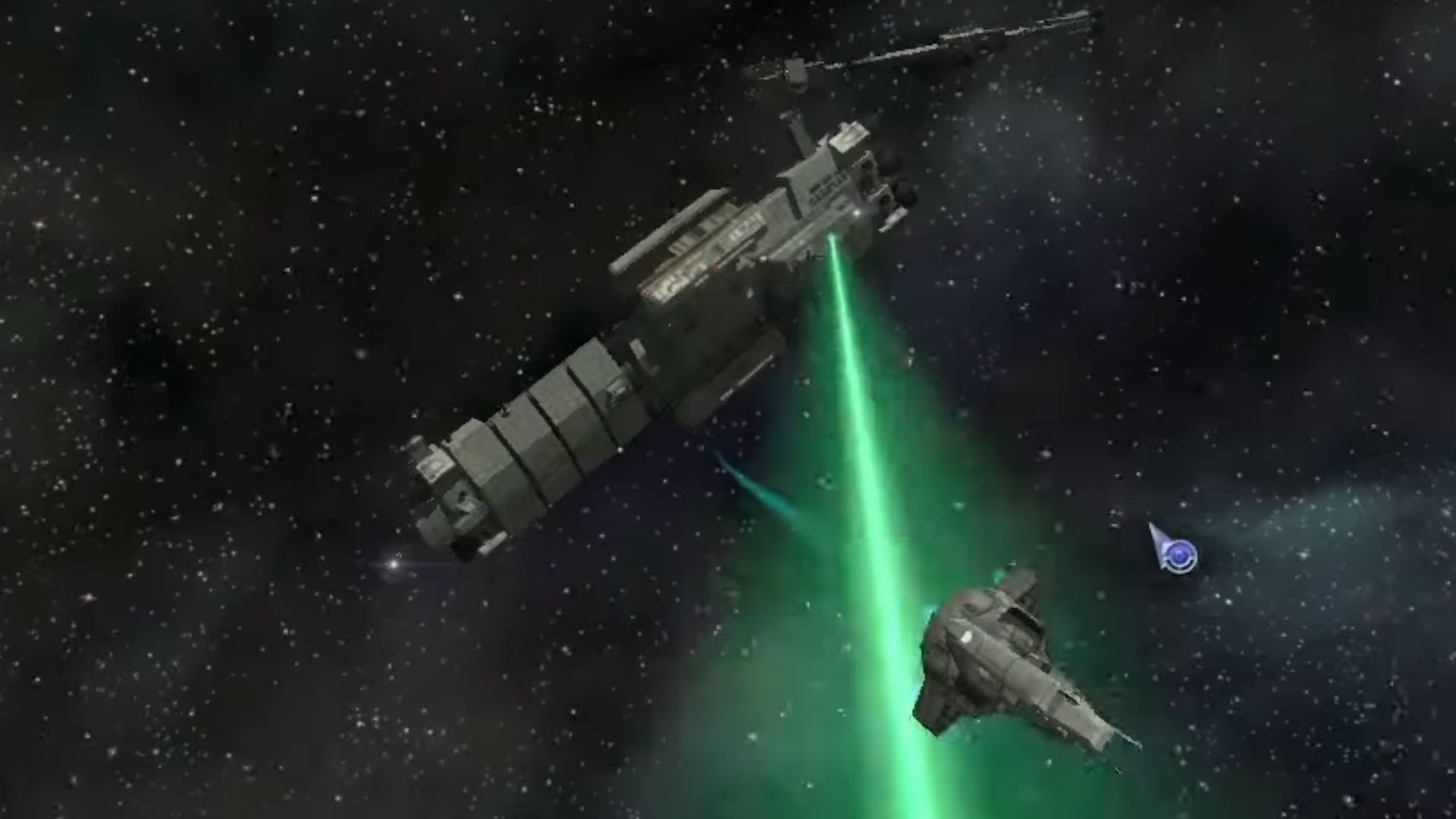
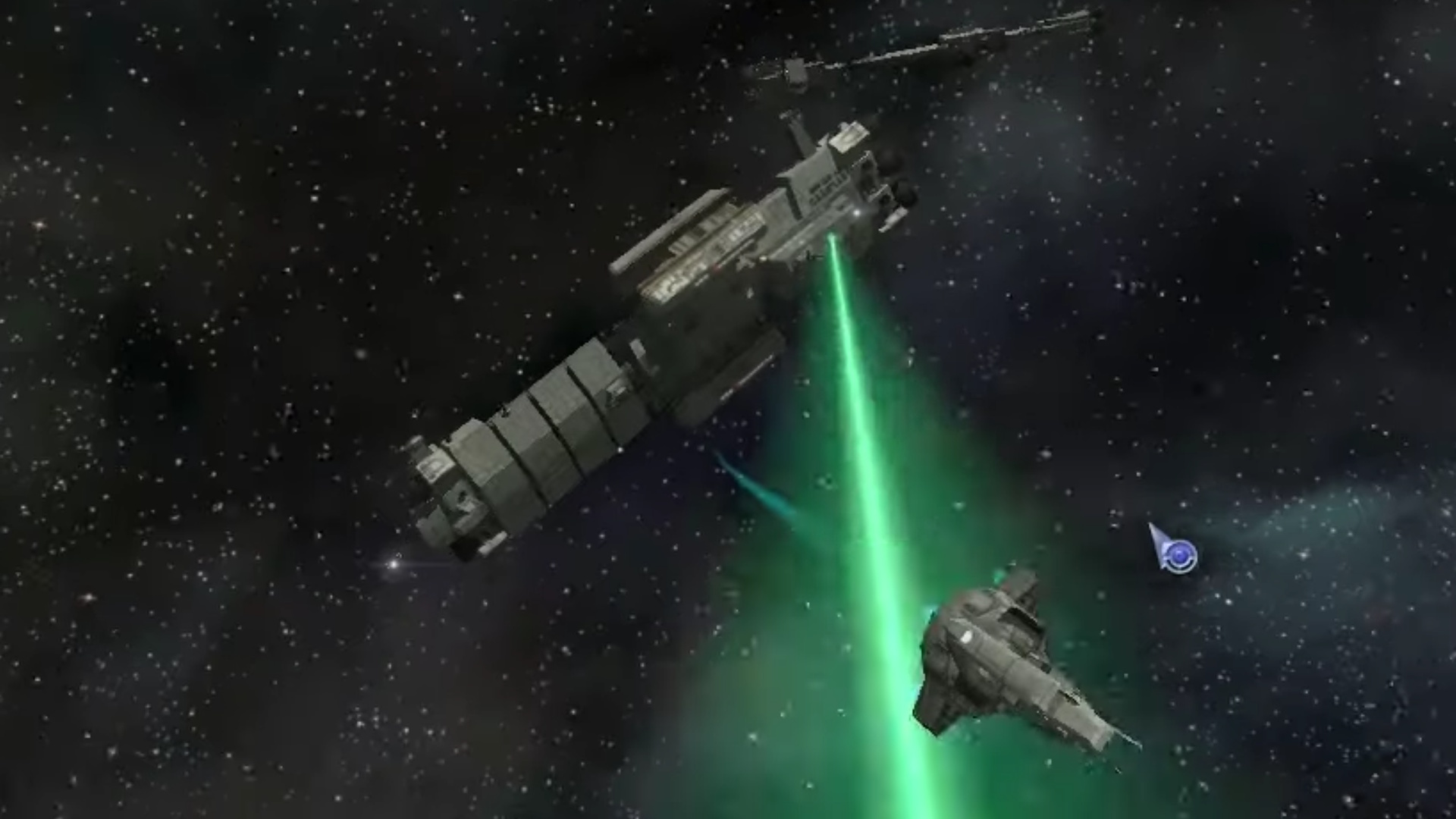
From a technical standpoint, the game’s aesthetic has aged gracefully. While polygon counts are lower than modern titles, the art direction—which draws heavy inspiration from the Homeworld design philosophy while echoing the grit of Freespace—remains effective. The lighting effects, particularly the green-hued beams of energy and the cold, stark shadows cast by the ships against the void, still command attention.
Official Perspectives and Industry Implications
Industry analysts often point to Nexus as a prime example of the "lost art" of the tactical space sim. In an era dominated by arcade-like shooters and massive-scale 4X strategy, the focused, mid-scale tactical engagement of Nexus offers a distinct appeal.
GOG’s strategy of giving away such titles is not merely an act of charity; it is a calculated effort to preserve digital heritage. By keeping Nexus relevant, GOG fosters a community of enthusiasts who advocate for the preservation of older titles, ensuring that they are not lost to the "digital dark age." This is vital for the industry, as it allows developers to look back at the mechanics that worked—the balance of power management, the importance of ship positioning, and the value of a strong, mission-based narrative—and integrate them into contemporary projects.
The Broader Context: The Summer Sale Phenomenon
The giveaway is part of the larger GOG Summer Sale, an event that has become a staple of the PC gaming calendar. While the Steam Summer Sale often dominates the conversation with its sheer volume, GOG’s sales are distinguished by their focus on DRM-free accessibility and a curated list of "hidden gems."
For those who find themselves with a few dollars to spare, the sale offers a plethora of titles for under $2. While these games may lack the marketing budget of a modern AAA blockbuster, they often provide hundreds of hours of gameplay. The decision to make Nexus free is the perfect "entry hook" for the sale, encouraging users to browse the catalog and discover other overlooked titles that have been meticulously restored for modern play.
Implications for Future Strategy Games
What does the enduring popularity of Nexus: The Jupiter Incident tell us about the current state of the strategy genre? It suggests that there is a persistent, underserved audience for games that prioritize tactical depth over explosive spectacle. Players are still looking for games that respect their intelligence—games that require them to study the battlefield, manage complex systems, and live with the consequences of their mistakes.
As the industry moves toward increasingly automated experiences, the return to titles like Nexus serves as a reminder of the value of "slow" gaming. There is a profound satisfaction in slowly maneuvering a ship into the perfect position, disabling an enemy’s weapons, and watching as your tactical foresight turns the tide of a losing battle.
Conclusion: A Call to Command
Whether you are a veteran of the 2005 release or a newcomer curious about the roots of modern space strategy, Nexus: The Jupiter Incident is an essential addition to your library. It represents a time when developers weren’t afraid to make players think, to force them to navigate the political complexities of a corporate-ruled solar system, and to challenge them with combat that feels genuinely dangerous.
With the giveaway ending on July 6 and the broader Summer Sale concluding on July 9, the window to claim this piece of gaming history is closing. It is rare to see a title of this caliber offered for free, and even rarer to find one that stands the test of time so effectively. If you have any interest in the cold, black void of space and the tactical command of a fleet, there is no better time to accept your commission as Captain Marcus Cromwell. The Jupiter Incident is waiting.

