

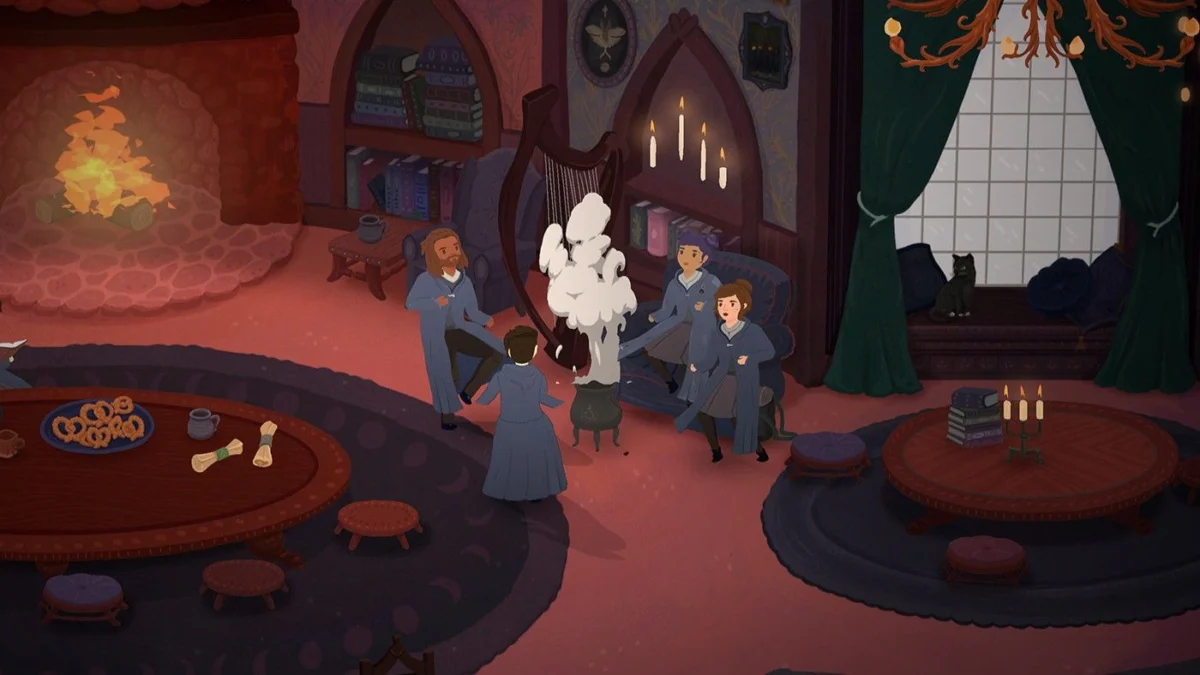
Introduction and Main Facts
The landscape of simulation video games has long been dominated by agrarian fantasies, bustling metropolitan management, and predictable social-link systems. However, the release of Songs of Glimmerwick—developed by Jo-Mei Games and published by Maple Whispering Limited—injects a refreshing, melodically charged rhythm into the genre. Launched this week on PC via Steam, the title positions itself as a distinct alternative to traditional magic school simulations, trading the austere, combat-heavy corridors of standard wizardry tropes for a cozy, folksy, and heavily voice-acted academic adventure at The Etchery School of Magic and Melody.
At its core, Songs of Glimmerwick is a life-and-magic simulation where players enroll as a student at a secluded, woodland-adjacent academy. Unlike conventional RPGs where spells are cast via quick-slot menus or button combinations, magic here is intrinsically tied to music. Players wield flutes and other instruments, transforming rhythm-game mechanics into spellcasting utility.
Key facts surrounding the launch include:
- Developer: Jo-Mei Games, known previously for narrative-driven titles like Sea of Solitude.
- Platform: PC (Steam), with full controller support.
- Core Mechanic: Magic-by-music system, where casting spells, tending gardens, and solving campus mysteries require rhythmic proficiency.
- Production Value: A rare commitment for the life-sim genre, featuring extensive full voice acting that breathes life into the faculty and student body.
- Tone: Whimsical, lighthearted, and deeply atmospheric, focusing on "ethically sourced" wizardry—meaning no dark arts, destructive combat curses, or grim-dark narrative baggage.
Chronology of Development and Release
The journey to Songs of Glimmerwick’s launch has been a steady, deliberate progression through the indie development pipeline, marked by strong community engagement and targeted playtests.
Early Announcement and Vision (2021–2022)
Jo-Mei Games initially conceptualized Songs of Glimmerwick as an antidote to the high-stakes, combat-centric fantasy RPGs that saturate the market. The studio wanted to capture the cozy, serialized comfort of British boarding school literature and folktales, infused with musical theater and whimsical environmental interaction. Early dev logs highlighted the studio’s dedication to creating a living, breathing island community where NPCs adhered to realistic daily schedules, distinct personalities, and genuine interpersonal dynamics.
The Summer Demo and Public Reception (Mid-2024)
Anticipation for the title crystallized during its public playable demo release over the summer. Players and critics alike praised the demo for its immediate commitment to "a vibe"—a rare atmospheric cohesion driven by lush hand-painted art styles, charmingly eccentric character designs, and the unexpected luxury of comprehensive voice acting. The demo allowed prospective students to experience the opening days of the semester, testing out the flute-based spellcasting and initial gardening mechanics. Feedback from this period allowed Jo-Mei Games to fine-tune input latency on the rhythm minigames and optimize the performance of the game’s bustling open-world island layout.
Launch Week (Current)
Songs of Glimmerwick officially opened its gates on Steam this week. While competing against a crowded late-year release window and overlapping personal gaming schedules among critics, the title has rapidly cultivated a dedicated player base looking for a low-stress, highly immersive narrative life sim. The rollout has been smooth, with early adopters praising the seamless integration of whimsical narrative writing and tight, responsive minigames.
Supporting Data and Gameplay Mechanics
To understand why Songs of Glimmerwick has managed to captivate simulation enthusiasts, it is necessary to examine the intricate mechanics that make up a typical school day at The Etchery. The game ditches dry exposition in favor of systemic immersion, blending traditional point-and-click movement with specialized interactive systems.
A Scenic Welcome to The Etchery School of Magic and Melody
Upon arrival, players are greeted by the sprawling, storybook-esque campus of The Etchery. Architectural design blends rustic stone cottages with towering academic halls draped in ivy and glowing flora. The game’s engine prioritizes visual warmth, utilizing a vibrant color palette that shifts dynamically with the in-game day-night cycle and changing weather patterns.
Musical Magic-Assisted Gardening
In Songs of Glimmerwick, agriculture is not merely a tool for generating currency; it is an extension of magical study. Players utilize musical notes to coax stubborn flora into rapid growth, clear blighted patches of soil, and harvest rare magical ingredients. Different melodies yield different botanical reactions, turning standard crop-tending into a dynamic puzzle of rhythm and timing.
Crystal Ball Cell Phones with Charlie Brown-Style "Wah Wah Wah"
Social connectivity on campus relies on enchanted crystal balls that function as magical mobile phones. However, mimicking the awkwardness of adolescent communication, these devices often malfunction or frustrate users. When calls fail or messages are misunderstood, the communication frequently breaks down into comedic, adult-free trombone sounds reminiscent of the iconic "wah wah wah" adult dialogue from Peanuts, adding a layer of self-aware humor to the social mechanics.
A Flute Rhythm Game for Mastering Magic Spells
The crowning mechanical achievement of Songs of Glimmerwick is its spellcasting system. Rather than memorizing incantations, players must master their flute. When casting a spell—whether to move a heavy boulder, repair a broken fence, or illuminate a dark corridor—a rhythm-game interface appears. Notes scroll across the screen, and hitting them with precise timing determines the potency and success of the magic being performed. This bridges the gap between active gameplay and passive puzzle-solving.
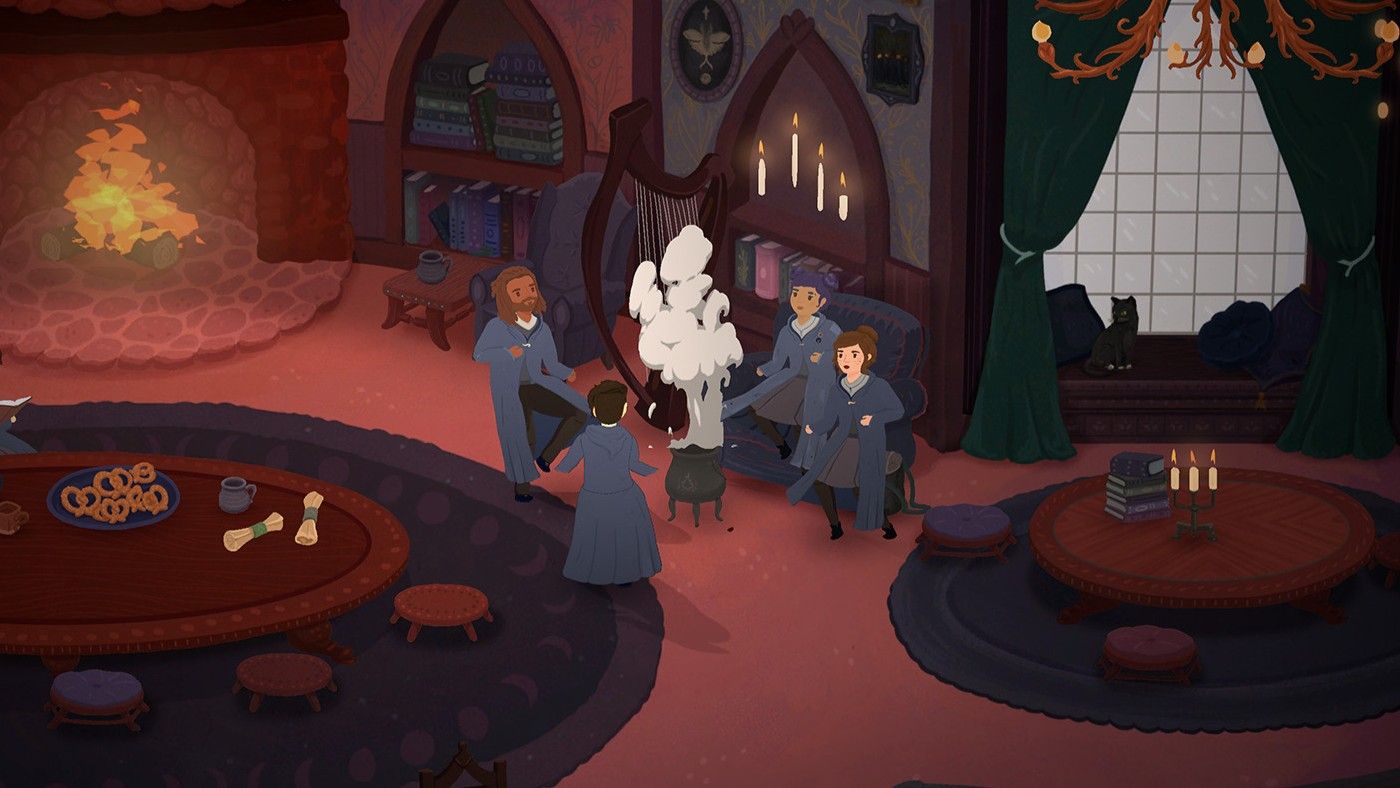
The Fun and Hectic Potion Brewing Minigame
Academics at The Etchery extend beyond the greenhouse and the music room. Potion brewing serves as a chaotic, high-stakes minigame that tests multitasking skills. Players must rapidly chop ingredients, monitor cauldron temperatures, stir in precise directions, and time additions to avoid volatile chemical reactions—often resulting in humorous backfires if mistimed.
Roommate Dynamics and Prickly Shrubs
Life at wizard school wouldn’t be authentic without chaotic roommates and unpredictable campus hazards. Throughout the early days, players must navigate the fallout of their roommate’s disastrous, half-baked magical experiments, which frequently alter the shared dormitory environment. Additionally, the campus flora is not always welcoming; certain sentient, highly prickly shrubs require specialized care (or avoidance) to prevent students from stumbling into thorny traps on their way to morning lectures.
Official Responses and Developer Insights
Jo-Mei Games has been vocal about the creative philosophy driving Songs of Glimmerwick, emphasizing that the project was born out of a desire to create a restorative digital space.
In pre-launch interviews and developer statements, the creative team stressed the importance of "ethically sourced" wizardry. In an era where fantasy games frequently lean into dark tropes, moral ambiguity, and apocalyptic stakes, Jo-Mei deliberately scaled down the narrative horizon to focus on localized, personal triumphs and community building.
"We wanted to build a world where the biggest crisis you face isn’t an ancient evil awakening beneath the catacombs, but rather whether you can pass your flute exam without embarrassing yourself in front of the headmaster," a representative for Jo-Mei Games noted during a post-demo presentation.
Furthermore, the studio addressed the monumental undertaking of providing full voice acting for an indie life-sim project. Recognizing that voice work is often the first feature cut due to budget constraints in the genre, Jo-Mei chose to prioritize it to ensure that the distinct personalities of The Etchery’s faculty and student body resonated immediately with players. Early reviews suggest this gamble paid off, as the dialogue delivery significantly elevates the comedic writing and emotional beats of the narrative.
Implications for the Life-Sim and Indie Game Market
The successful launch of Songs of Glimmerwick carries several notable implications for the broader simulation genre and independent game development landscape.
Raising the Bar for Production Values in Indie Sims
For years, indie life-simulators have frequently relied on text-only dialogue boxes and retro pixel art to manage production costs. While successful, this aesthetic has arguably reached a point of saturation. Songs of Glimmerwick demonstrates that mid-tier indie developers can successfully combine 3D environmental design, extensive voice acting, and complex systemic minigames without sacrificing creative vision. It sets a new benchmark for what players should expect from non-AAA cozy games.
Expanding the Narrative Boundaries of Magic Academies
The cultural footprint of magical school settings has long been dominated by monolithic franchises like Harry Potter. However, Songs of Glimmerwick proves that the subgenre can be subverted and reinvented. By centering its world around music, folklore, and a distinctly pastoral, low-stakes academic environment, Jo-Mei Games has carved out a unique narrative space that appeals to players suffering from franchise fatigue.
The Viability of "Cozy" Complexity
There is a persistent industry debate regarding whether "cozy" games lack mechanical depth. By embedding complex mechanics—such as the rhythm-based flute spellcasting and frantic potion management—within a low-stress, welcoming wrapper, Songs of Glimmerwick bridges the gap between casual comfort and engaging gameplay. It proves that relaxation and genuine mechanical challenge are not mutually exclusive.
As players continue to enroll at The Etchery School of Magic and Melody, Songs of Glimmerwick stands poised to become a defining title of the seasonal release calendar, offering a harmonious escape for those looking to trade real-world chaos for the rhythmic halls of wizard school.

