

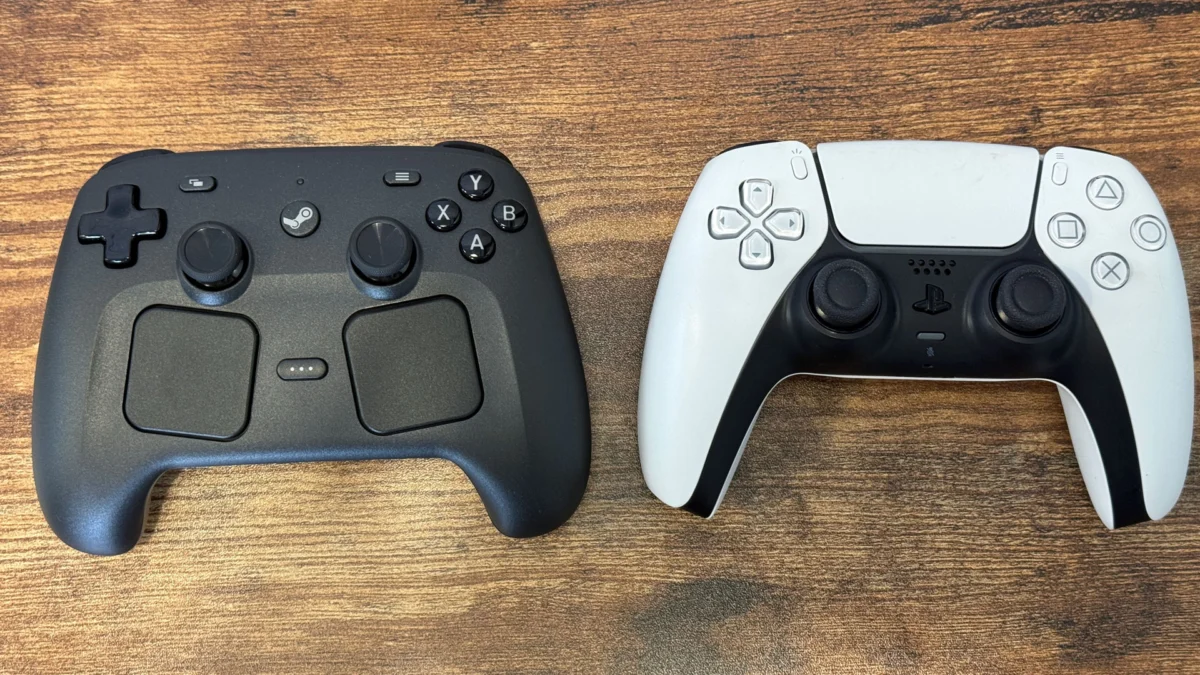
[Image: Valve Steam Machine (Credit: Tom’s Hardware)]
Main Facts
In a testament to ingenuity and the burgeoning flexibility of modern PC gaming, one enthusiast has redefined the concept of a "Steam Machine" by crafting a bespoke couch-gaming setup from his existing high-performance desktop. Matthew Brunelle, a tech-savvy individual running NixOS for his daily work, sought to bridge the physical divide between his powerful PC in his room and the family television in the living room, aspiring for a frictionless, console-like gaming experience without compromising on performance or immersion. His innovative solution leverages a unique combination of a specialized Linux-based operating system, a cutting-edge fiber-optic HDMI cable stretching over 50 feet, and Valve’s latest Steam Controller, demonstrating that the spirit of the original Steam Machine vision lives on, often through the creative efforts of its most dedicated users.
Brunelle’s project began out of a desire to replicate the seamless "pick up and play" nature of a console, but with the expansive library and graphical fidelity inherent to PC gaming. Traditional wireless streaming solutions, while convenient, often introduced unacceptable latency and visual compromises, falling short of the ideal. His "Steam Machine" is not a pre-built box from Valve, but rather a carefully curated ecosystem that transforms his powerful desktop into a dedicated living room gaming hub, instantly recognizable to anyone familiar with console interfaces. This intricate dance of hardware and software optimization culminates in a system that automatically configures itself for TV output and audio, wakes from sleep states like a dedicated console, and offers a robust, low-latency gaming experience that rivals, and in some aspects surpasses, off-the-shelf alternatives.
Chronology: The Evolution of a Couch-Gaming Dream
Matthew Brunelle’s journey to create his ideal living room gaming setup was not without its initial hurdles, mirroring the challenges many PC gamers face when attempting to move their high-fidelity experiences from the desk to the couch. The inherent flexibility of PC gaming, while a strength, can also be its weakness when striving for console-like simplicity.
The Initial Frustration: Wireless Woes and Manual Toggles
Initially, like many, Brunelle explored wireless streaming options. Technologies such as Moonlight, Sunshine, or even Steam’s native Remote Play feature offer the promise of casting a PC’s display to a living room TV over a local network. These solutions, while convenient for casual play or less demanding titles, presented a significant compromise for Brunelle. The primary issue was latency. Even on robust home networks, the delay introduced by encoding, transmitting, and decoding video and input signals can be perceptible, particularly in fast-paced action games or competitive multiplayer titles where every millisecond counts. This "noticeable latency penalty," as the article highlights, can shatter the illusion of direct control and responsiveness crucial for an immersive gaming experience.
Beyond latency, these streaming methods fundamentally mirror the PC’s desktop environment. This means the user is still interacting with a full desktop operating system, complete with taskbars, desktop icons, and the need to manually launch games. It’s a far cry from the streamlined, "Big Picture" mode experience Valve designed for its Steam Machines, which boots directly into a game-centric interface. Furthermore, Brunelle’s choice of NixOS as his primary operating system added another layer of complexity. NixOS, known for its declarative configuration and reproducibility, requires manual intervention to hook up cables and reconfigure sound and display outputs each time he wished to switch between his desktop monitor and the living room TV. This manual toggling was anathema to the "frictionless" experience he craved.
The Bazzite Breakthrough: A Linux-Based Console OS
The turning point came with the introduction of Bazzite. Recognizing the limitations of his current setup and the desire for true console-like behavior, Brunelle opted to install Bazzite OS on a dedicated third SSD within his PC. Bazzite is a fascinating and increasingly popular Linux-based operating system specifically tailored for gaming. It builds upon the foundations of Fedora Silverblue, offering an immutable OS structure that enhances stability and security, while integrating key gaming technologies. Crucially, Bazzite is heavily inspired by and often incorporates elements from Valve’s SteamOS (the operating system powering the Steam Deck), particularly its "Big Picture" mode.
Upon rebooting and selecting Bazzite, the system springs to life with a console-centric interface. The magic lies in Bazzite’s automated handling of output configurations. Instead of manual adjustments, Bazzite intuitively detects and prioritizes the connected living room TV, switching the display output accordingly. Simultaneously, it reroutes audio through the HDMI cable to the TV’s speakers or connected sound system, eliminating the need for fiddling with sound settings. This seamless, automatic transition from a desktop environment to a dedicated gaming interface is a cornerstone of Brunelle’s achieved console experience, transforming his PC into a truly specialized entertainment device.
The Unsung Hero: The 50-Foot Fiber-Optic HDMI 2.1 Cable
While Bazzite provided the software foundation, the physical connection between his PC and the distant living room TV remained a critical challenge. Standard copper HDMI cables are notorious for signal degradation over long distances, particularly at higher resolutions and refresh rates. This is where the "unassuming" 50-foot fiber-optic HDMI 2.1 cable enters the narrative as a truly indispensable component.
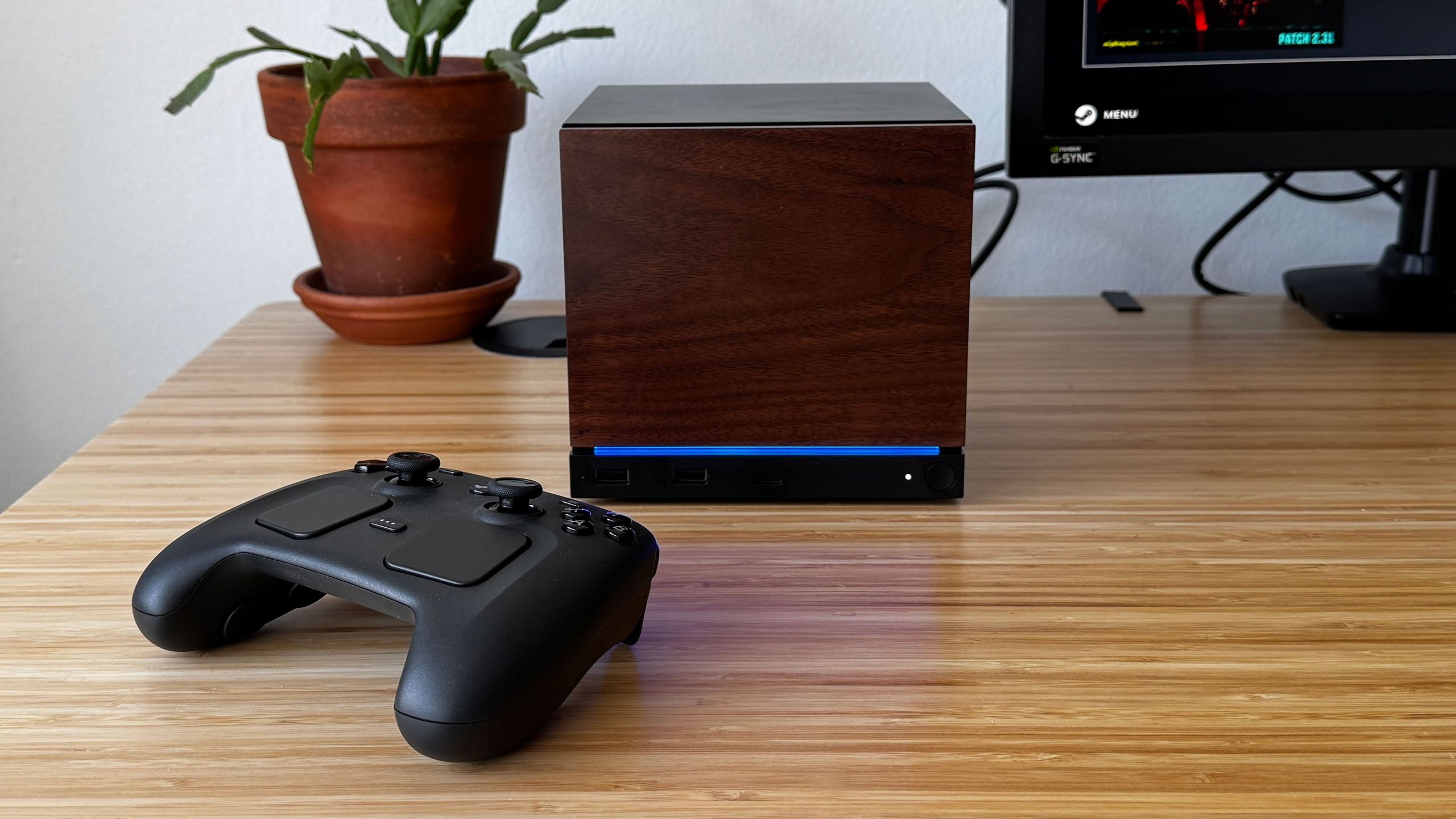
Brunelle’s investment of $75 in this specialized cable underscores his commitment to an uncompromised experience. Fiber-optic HDMI cables transmit data via light pulses, making them virtually immune to electromagnetic interference and signal loss over much greater distances compared to traditional copper wires. This ensures that the high-bandwidth signal from his gaming PC reaches the TV without any degradation, maintaining crystal-clear visuals and pristine audio.
The choice of HDMI 2.1 is also forward-thinking. This standard offers significantly increased bandwidth (up to 48 Gbps) compared to its predecessors, enabling support for higher resolutions (e.g., 4K at 120Hz, 8K at 60Hz) and advanced features like Variable Refresh Rate (VRR) and Auto Low Latency Mode (ALLM). While his current TCL Roku TV is limited to 60Hz, Brunelle’s plan to upgrade to an LG C5 OLED — a popular choice among gamers for its stunning picture quality and advanced gaming features — will fully leverage the cable’s capabilities. The article also notes the recent official support for HDMI 2.1 on AMD GPUs under Linux, a crucial development that ensures full compatibility and performance for many Linux gaming enthusiasts. This robust physical connection is paramount, delivering the fidelity and responsiveness that wireless streaming simply cannot match.
The Control Interface: Steam Controller 2’s Triumphant Return
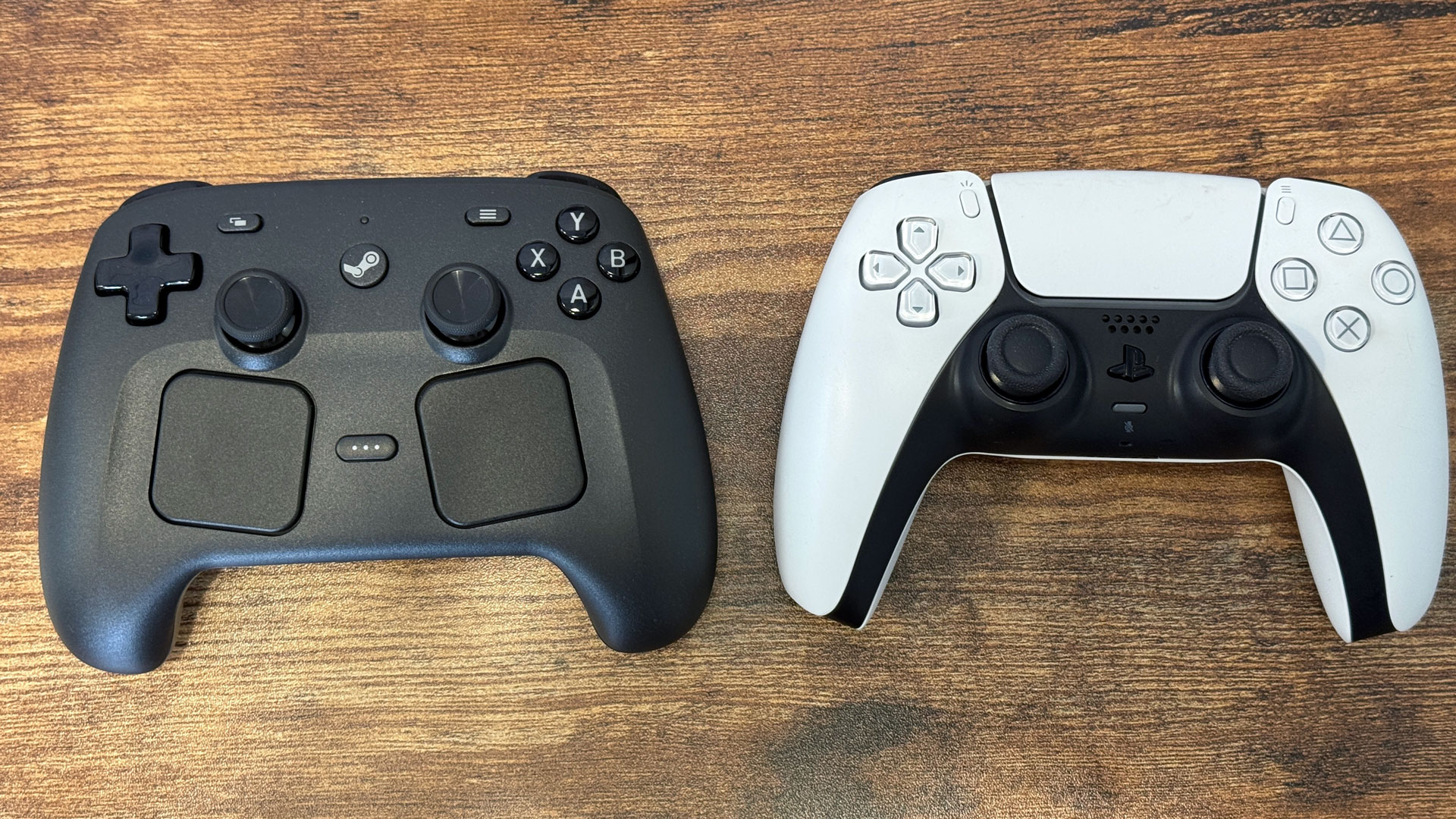
The final piece of Brunelle’s console puzzle is the new Steam Controller (dubbed "Steam Controller 2" by the community, though officially it is an evolution of Valve’s controller philosophy rather than a direct sequel to the original). This controller is specifically designed to bridge the gap between traditional gamepad inputs and the precision often required for PC games. Brunelle highlights its key features: symmetrical sticks, large touchpads, back buttons, and "excellent compatibility with Steam and Linux."
The symmetrical stick layout caters to a broad range of preferences, while the touchpads offer a unique blend of trackball-like precision for mouse-driven interfaces and a tactile, configurable surface for various in-game actions. The inclusion of back buttons, often found on premium controllers, provides additional programmable inputs without requiring players to remove their thumbs from the primary sticks or face buttons.
Brunelle’s comparison to the DualSense, noting that while Sony’s controller was "good enough," the new Steam Controller is "even more comfortable and more reliable, since it doesn’t drop the connection at all," speaks volumes. Reliability of wireless connection is critical for uninterrupted gaming, and the Steam Controller’s deep integration with Valve’s ecosystem (and by extension, Linux) ensures a superior, stable experience. This controller, with its PC-centric design philosophy, acts as the perfect ergonomic interface for his DIY Steam Machine.
Supporting Data: Contextualizing the DIY Revolution
Brunelle’s project is not an isolated experiment but rather a microcosm of broader trends in the gaming industry and the evolving capabilities of open-source technology. To fully appreciate his achievement, it’s essential to understand the historical context, the technical underpinnings, and the competitive landscape he navigated.
The Original Steam Machine Vision and Its Fading Echo
Valve’s original Steam Machine initiative, launched around 2013, was an ambitious attempt to bring PC gaming into the living room with the simplicity of a console. The vision was compelling: standardized hardware running SteamOS (a Linux-based operating system) that would boot directly into Steam’s Big Picture mode, allowing users to play their PC games on a TV with a controller. However, the initiative largely failed to gain significant traction. Reasons included:
- Fragmented Hardware: Unlike traditional consoles, Steam Machines were offered by various manufacturers, leading to a confusing array of specifications and price points.
- Linux Adoption Challenges: Despite Valve’s efforts with Proton (a compatibility layer allowing Windows games to run on Linux), native Linux game support was limited, and the concept of a Linux-based gaming OS was unfamiliar to many.
- Lack of Exclusives: Unlike PlayStation or Xbox, Steam Machines had no exclusive titles to drive adoption.
- Competitive Console Market: They faced stiff competition from established console giants (Sony, Microsoft, Nintendo) who offered polished, easy-to-use experiences.
- Poor Marketing/Communication: The messaging around Steam Machines was often unclear, leading to confusion among potential consumers.
Matthew Brunelle’s project, in essence, realizes the spirit of the original Steam Machine vision – a seamless, console-like PC gaming experience in the living room – but through a DIY, user-driven approach that leverages modern software (Bazzite, Proton) and hardware (fiber-optic HDMI, advanced controllers) that weren’t as mature or readily available a decade ago.
The Ascendance of Linux Gaming and the Proton Revolution
The gaming landscape has dramatically shifted since the initial Steam Machine rollout, largely thanks to Valve’s continued investment in Linux gaming. The introduction of Proton in 2018, a compatibility layer built upon Wine, revolutionized Linux gaming. Proton allows a vast majority of Windows-native games to run on Linux with little to no performance penalty, often outperforming native Linux ports. This, coupled with the immense success of the Steam Deck (which runs SteamOS, a derivative of Arch Linux with Proton at its core), has firmly established Linux as a viable, even desirable, platform for PC gaming.
Bazzite OS, which Brunelle chose, is a direct beneficiary of this ecosystem. By building on Fedora Silverblue and integrating SteamOS-like features and Proton, Bazzite provides a stable, performant, and developer-friendly environment for gaming. This maturity of the Linux gaming ecosystem is crucial "supporting data" for Brunelle’s project, as it underpins the ability to run a wide array of games seamlessly without needing Windows. The open-source nature of Linux and its associated tools empowers users like Brunelle to customize and optimize their systems in ways that proprietary operating systems often restrict.
Wired vs. Wireless Streaming: A Deep Dive into Performance
Brunelle’s decision to opt for a physical HDMI cable over wireless streaming is a critical aspect of his setup. While wireless solutions like Steam Remote Play, NVIDIA GameStream (Sunshine), and Moonlight offer unparalleled convenience, they come with inherent trade-offs, particularly for demanding gamers.
- Latency: This is the most significant factor. Even under ideal conditions, wireless streaming introduces encoding, transmission, and decoding delays. A wired connection (like HDMI) typically has latency measured in single-digit milliseconds (e.g., <10ms from input to display). Wireless streaming, depending on network conditions, hardware, and software, can range from 30ms to well over 100ms. For competitive gaming or titles requiring precise timing (e.g., fighting games, rhythm games, fast-paced shooters), this difference is game-changing.
- Bandwidth and Compression: Wireless streaming relies on network bandwidth to transmit compressed video. Higher resolutions and frame rates require more bandwidth, which can strain Wi-Fi networks, especially in congested environments. Compression artifacts (macroblocking, blurriness) can be noticeable, particularly during fast motion or in detailed scenes, detracting from visual fidelity. A direct HDMI connection transmits an uncompressed or minimally compressed signal, preserving image quality.
- Reliability: Wireless connections are susceptible to interference, signal drops, and network congestion, leading to stuttering, disconnections, or a complete loss of signal. A dedicated fiber-optic HDMI cable offers rock-solid reliability, ensuring a consistent, high-quality signal.
Brunelle’s choice is a clear prioritization of performance and reliability over convenience, a common theme among hardcore PC enthusiasts.
HDMI 2.1: The Standard for Next-Gen Gaming
The specific choice of a fiber-optic HDMI 2.1 cable is not trivial. HDMI 2.1 is the latest major revision of the HDMI standard, offering significant advancements crucial for modern gaming:
- Increased Bandwidth: Up to 48 Gbps, allowing for uncompressed 4K@120Hz or 8K@60Hz video, and even higher resolutions with Display Stream Compression (DSC).
- Variable Refresh Rate (VRR): Eliminates screen tearing and reduces stuttering for smoother gameplay by synchronizing the display’s refresh rate with the GPU’s output.
- Auto Low Latency Mode (ALLM): Automatically switches the display to its lowest latency mode when gaming.
- Enhanced Audio Return Channel (eARC): Supports advanced audio formats like Dolby Atmos and DTS:X.
These features are essential for a truly "next-gen" console-like experience, especially when paired with a high-end display like the planned LG C5 OLED. The mention of HDMI 2.1 officially supporting AMD GPUs on Linux is vital, as it ensures that the GPU’s advanced features can be fully utilized within the Bazzite environment, providing a complete, uncompromised gaming pipeline.
Official Responses: Industry Trends and Valve’s Evolving Strategy
While Matthew Brunelle’s specific project hasn’t garnered "official responses" from major companies, his endeavor perfectly encapsulates broader industry trends and Valve’s evolving approach to PC gaming and the living room.
Valve’s Continued Pursuit of the "Console-Like" PC Experience
Valve’s journey with the Steam Machine didn’t end in failure; it evolved. The Steam Deck is the clearest "official response" to the challenges and lessons learned from the original Steam Machine initiative. The Steam Deck, a handheld gaming PC running SteamOS, delivers a highly polished, console-like experience in a portable form factor. It offers:
- Integrated Hardware and Software: Valve controls both, ensuring optimal performance and compatibility.
- Dedicated OS (SteamOS): Optimized for gaming and controller input, booting directly into Big Picture mode.
- Proton: Seamlessly runs Windows games.
- Console-like Sleep/Resume: A key feature Brunelle values in Bazzite.
Brunelle’s setup effectively creates a desktop-class Steam Deck experience for the living room. It shows that Valve’s core idea – making PC gaming accessible and console-like – is deeply resonant with players, even if the execution takes different forms. His success with Bazzite, an OS inspired by SteamOS, further validates Valve’s investment in the Linux gaming ecosystem. It demonstrates that the tools and software infrastructure Valve has built are robust enough for the community to leverage in innovative ways.
The Rise of DIY and Open-Source Empowerment
Brunelle’s project also highlights the enduring appeal and increasing viability of the do-it-yourself (DIY) ethos within the PC gaming community. Unlike closed-ecosystem consoles, PC gaming thrives on customization and user empowerment. Open-source projects like Bazzite, Proton, and the Linux kernel itself provide the foundational tools that allow enthusiasts to tailor their experiences precisely to their needs.
An industry analyst might comment on this phenomenon, stating: "Matthew Brunelle’s setup is a prime example of the power of the open-source community and the flexibility of the PC platform. While major manufacturers focus on mass-market solutions, the ability for individuals to craft such a high-fidelity, custom experience speaks volumes about the maturity of Linux gaming and the enduring desire for personalized hardware. This kind of user-driven innovation can often push the boundaries of what’s possible and inform future commercial products."
The cost-effectiveness is also a factor. For someone who already owns a powerful gaming PC, the incremental cost of a fiber-optic HDMI cable and a dedicated controller is significantly less than purchasing a new console or a Steam Deck, especially if the primary goal is living room gaming on an existing TV. This "unofficial" solution demonstrates a powerful alternative for a segment of the gaming population.
Implications: A Glimpse into the Future of PC Gaming in the Living Room
Matthew Brunelle’s bespoke Steam Machine offers compelling implications for the future of PC gaming, the role of open-source software, and the ongoing convergence of console and PC experiences.
The New Normal for Brunelle: Seamless Integration and the Dual-Boot Dilemma
With his system fully operational, Brunelle’s workflow has been fundamentally transformed. He still initiates the process by booting his PC and selecting Bazzite from the boot menu. However, from that point onward, the experience is remarkably streamlined. Bazzite automatically detects and outputs to his living room TV, rerouting audio to the appropriate speakers. When a gaming session concludes, he can simply put the system to sleep, knowing it will wake up instantly and resume precisely where he left off – a hallmark feature of modern consoles that is now replicated on his Linux-based PC. This "sleep states on Linux-based gaming distros feel just like a console" observation is critical to achieving the frictionless experience he sought.
The primary remaining "manual element" is the need to reboot into NixOS for his work. However, this has led to a fascinating shift in his habits: Brunelle finds himself leaving his computer in Bazzite more and more frequently due to its sheer seamlessness. This indicates a profound success in creating a truly user-friendly gaming environment.
Addressing the Dual-Boot Challenge: Hibernate-to-Disk
Brunelle is actively working to further refine his setup by implementing "hibernate-to-disk" functionality on Bazzite. This advanced feature would allow the entire system state, including running applications and games, to be saved to the SSD before powering down. The implications are significant:
- Instant Resume: Upon returning to Bazzite, the system would restore to its exact previous state, eliminating the need to restart games or applications.
- Seamless Context Switching: He could hibernate Bazzite, reboot into NixOS for work, and then later reboot back into Bazzite, picking up his game exactly where he left it. This would effectively virtualize a "quick resume" feature across different operating systems.
While technically challenging to implement reliably on Linux, especially across different OS partitions, success would nearly eliminate the friction of dual-booting, making his PC an even more versatile and responsive machine for both productivity and entertainment. This continuous pursuit of optimization underscores the hacker ethos prevalent in the Linux community.
Broader Implications for PC Gaming and the Industry:
Brunelle’s project holds several broader implications:
- A Viable Console Alternative: For gamers who already possess powerful PCs, this DIY approach presents a highly attractive alternative to purchasing a dedicated console or even a Steam Deck for living room play. It offers superior graphical fidelity and frame rates than current-gen consoles (depending on the PC’s specs) and a vastly larger game library, all while delivering a console-like user experience.
- The Power of Open Source: The success hinges entirely on open-source projects like Linux, Bazzite, and Proton. These tools empower users to customize, optimize, and create experiences that commercial offerings might not (or cannot) provide. It demonstrates the growing maturity and reliability of the Linux gaming ecosystem, making it a legitimate platform for serious gamers.
- Convergence of PC and Console: Brunelle’s setup blurs the lines between traditional PC and console gaming. It takes the raw power and flexibility of a PC and wraps it in the user-friendliness and seamlessness typically associated with consoles. This convergence is likely to continue, with more console features (like quick resume, optimized UI for TVs) making their way to PC, and more PC-like openness appearing in console ecosystems (e.g., Xbox’s PC-like architecture, Steam Deck’s Linux base).
- Niche Market Potential: While not for everyone (it requires some technical comfort), this solution caters to a significant niche: enthusiasts who want the absolute best performance and customization without compromise, and who are willing to invest a little effort into building it themselves.
Cost-Benefit Analysis:
When considering the cost, Brunelle’s solution is highly economical for those who already own a powerful gaming PC. The $75 fiber-optic HDMI cable and the cost of the Steam Controller (let’s estimate around $100-150 for a premium controller) represent a modest investment compared to a new console (e.g., $500 for a PlayStation 5 or Xbox Series X) or a Steam Deck (starting around $400). The primary "cost" is time and technical know-how.
In conclusion, Matthew Brunelle’s journey to build his ideal living room gaming setup is more than just a personal project; it’s a powerful demonstration of how innovation, combined with the robust capabilities of modern open-source software and specialized hardware, can empower individual gamers to create experiences that rival, or even surpass, off-the-shelf solutions. His "50ft HDMI cable" is not merely a conduit for data, but a symbol of resourcefulness and the enduring spirit of PC gaming. As Brunelle himself aptly summarizes, while a dedicated Steam Machine might offer an out-of-the-box experience, for him, the custom-tailored path has proven to be the most rewarding, truly embodying the sentiment that "the real Steam Machine was the friends we made along the way" – in this case, the innovative components and software that made his vision a reality.

