

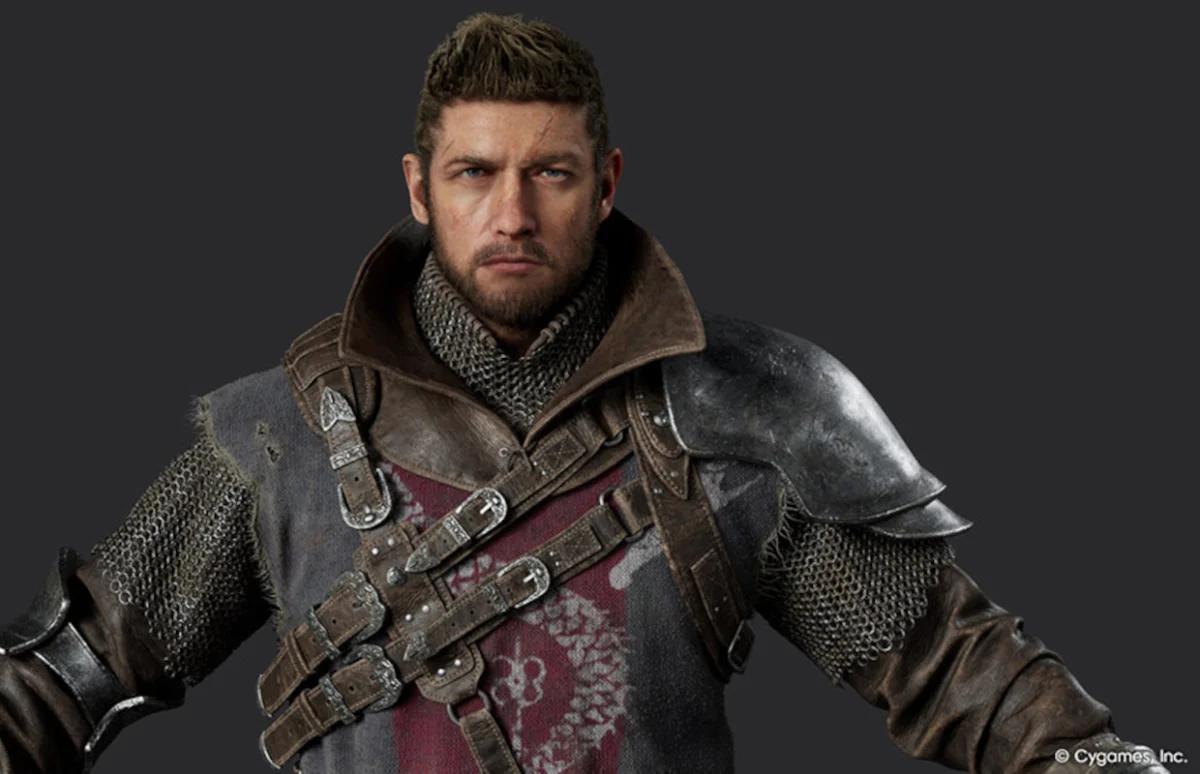
In an industry often defined by the relentless pace of software cycles and the volatility of long-term development, few titles have maintained an air of mystery quite like Project Awakening. First unveiled during the PlayStation Lineup Tour in 2018, the action-RPG has spent the better part of a decade existing in the periphery of the gaming world. However, a recent deep-dive feature published by the renowned Japanese outlet CGWorld has provided the most significant update on the project in years, confirming that Cygames remains steadfast in its ambition to transform the title into a world-class, award-contending powerhouse.
The Long Road: A Chronological Retrospective
To understand the significance of this latest update, one must look back at the arduous journey Project Awakening has taken. When it was first introduced to the public in September 2018, it was positioned as a flagship console title for the PlayStation 4, showcasing a gritty, high-fantasy aesthetic that promised deep combat and immersive environments. At the time, it felt like a bold step forward for Cygames, a studio primarily known for its dominance in the mobile gacha market with titles like Granblue Fantasy.
Following that initial reveal, the game entered a period of relative dormancy. While the studio never officially canceled the project, the lack of substantial news led many to wonder if it had been quietly shelved. A flicker of hope appeared in late 2021 when a brief technical teaser was presented at a Cygames developer conference, highlighting internal advancements in rendering and animation. Even so, that update was more of a technical milestone than a public-facing gameplay reveal.
With the latest confirmation from CGWorld, it is clear that the development cycle has spanned nearly eight years. In the modern gaming landscape, such a protracted development period is rarely a sign of smooth sailing; rather, it often indicates a fundamental shift in scope, technology, or creative direction. The move to Unreal Engine 5 is the most telling indicator of this evolution, suggesting that the team has been actively modernizing their pipeline to meet the expectations of the current hardware generation.
Technical Foundations: The Shift to Unreal Engine 5
The core of the CGWorld interview centers on the technical infrastructure of the Consumer Designer Team at Cygames. Tomino Kimihiro, the manager of this division—which is tasked specifically with the development of console-focused experiences—provided a rare, candid look into the tools driving Project Awakening.
"For the game engine, we are adopting Unreal Engine 5," Tomino stated. This is a critical pivot. By leveraging Epic Games’ flagship engine, Cygames is gaining access to industry-standard tools such as Nanite (for geometric detail) and Lumen (for real-time global illumination). These technologies are essential for any title aiming to compete in the current AAA landscape, where visual fidelity is no longer just an aesthetic choice but a baseline expectation.
Furthermore, the team is aggressively integrating standard Digital Content Creation (DCC) tools like Maya and Houdini into their workflow. According to Tomino, the team is currently in the "quality line" phase—a stage where developers establish the visual benchmark for the rest of the project. "We are proactively implementing the newest technologies," he noted. "Right now we are in the midst of creating the quality line, so I’m thinking we’ll want to have it evolve while we’re doing various kinds of challenges."
This implies that while the game has been in development for years, it is still undergoing a rigorous process of iteration. The "challenges" mentioned by Tomino reflect the internal pressure to modernize the game’s visual language, likely ensuring that the final product does not look like a title designed for 2018 hardware, but rather a contemporary marvel.
The Ambition: Aiming for "Game of the Year"
Perhaps the most striking takeaway from the interview is the unapologetic ambition displayed by the leadership team. In an industry where developers often remain tight-lipped about performance expectations to avoid backlash, Tomino’s comments are refreshingly blunt. He explicitly stated that the team is not merely building a game, but a contender for the highest honors in the industry.
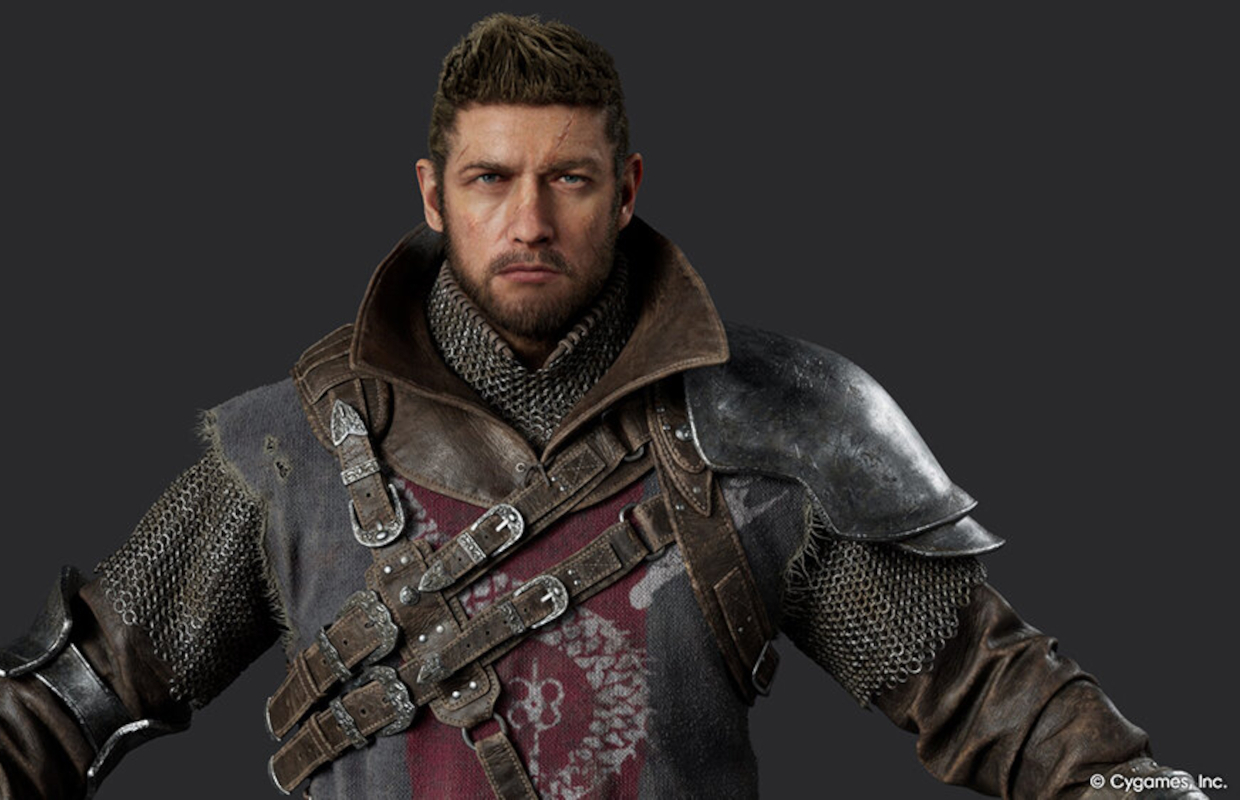
"Project Awakening is still in a phase where we are probing deeply into its quality," Tomino explained. "As a world-class AAA title, we are also seriously aiming for it to get ‘Game of the Year,’ so we are awaiting people who are fired up to lend their strength for this big challenge."
This statement serves two purposes: it sets a high bar for the internal team and sends a clear message to the player base. By framing the project as a "world-class" effort, Cygames is signaling that they are prepared to invest the necessary resources to compete with the likes of FromSoftware, Capcom, and Square Enix. However, this also raises the stakes. By publicizing a goal as lofty as "Game of the Year," the studio has placed a target on their own backs. The scrutiny on the final product will be immense, and anything short of a critical masterpiece may be viewed as a failure relative to these stated goals.
Recruitment and Organizational Growth
A significant portion of the CGWorld feature is dedicated to the human element behind the project. Cygames is actively expanding its Consumer Designer Team. The need for fresh talent suggests that the studio is scaling up for the "production" phase of the project.
The profile of the ideal candidate, according to the feature, is an artist who is comfortable with high-end console development. The emphasis on "artists in charge of developing console games" underscores the company’s commitment to shifting its identity. For years, Cygames has been the undisputed king of mobile RPGs, but their desire to transition into the console space is not a mere hobby—it is a strategic pivot.
The recruitment drive also highlights the "big challenge" of the project. Developing a title that aims for GOTY status requires a unique combination of technical expertise in UE5 and an understanding of high-end game design principles. By inviting new talent to join at this stage, Cygames is attempting to inject new blood into a project that has been gestating for nearly a decade, likely to provide the final polish required for a global launch.
Implications: What This Means for the Future of Cygames
The implications of the Project Awakening update are twofold. First, for the gaming community, it is a sign of life. After years of speculation, we now know with certainty that the project is not only alive but is being built on cutting-edge technology. The shift to Unreal Engine 5 is a positive omen, as it suggests the studio is not afraid to scrap older workflows in favor of modern, efficient development practices.
Second, for Cygames, the project represents a "make or break" moment in their corporate evolution. If Project Awakening succeeds, it cements Cygames’ position as a legitimate player in the global AAA console market, moving them beyond their mobile origins. If it fails, or if it continues to linger in development hell, it could serve as a cautionary tale about the dangers of over-ambition and the difficulty of pivoting development culture.
Ultimately, the tone of the interview suggests a company that is confident in its direction. By openly discussing their struggles, their technological transitions, and their ultimate goals, Cygames is inviting the public to witness the final stretch of a long-term investment. While there is still no release window—or even a refined release year—the fact that the studio is hiring and actively refining their "quality line" suggests that the most critical phase of development is now underway.
For fans who have waited since 2018, the wait is far from over. However, the path forward has never been clearer. Project Awakening is no longer just a rumor or a forgotten trailer; it is a high-stakes, technology-forward project that intends to redefine the expectations for the studio. Whether it can truly achieve the lofty status of "Game of the Year" remains to be seen, but the intent behind the curtain is now loud and clear.

