

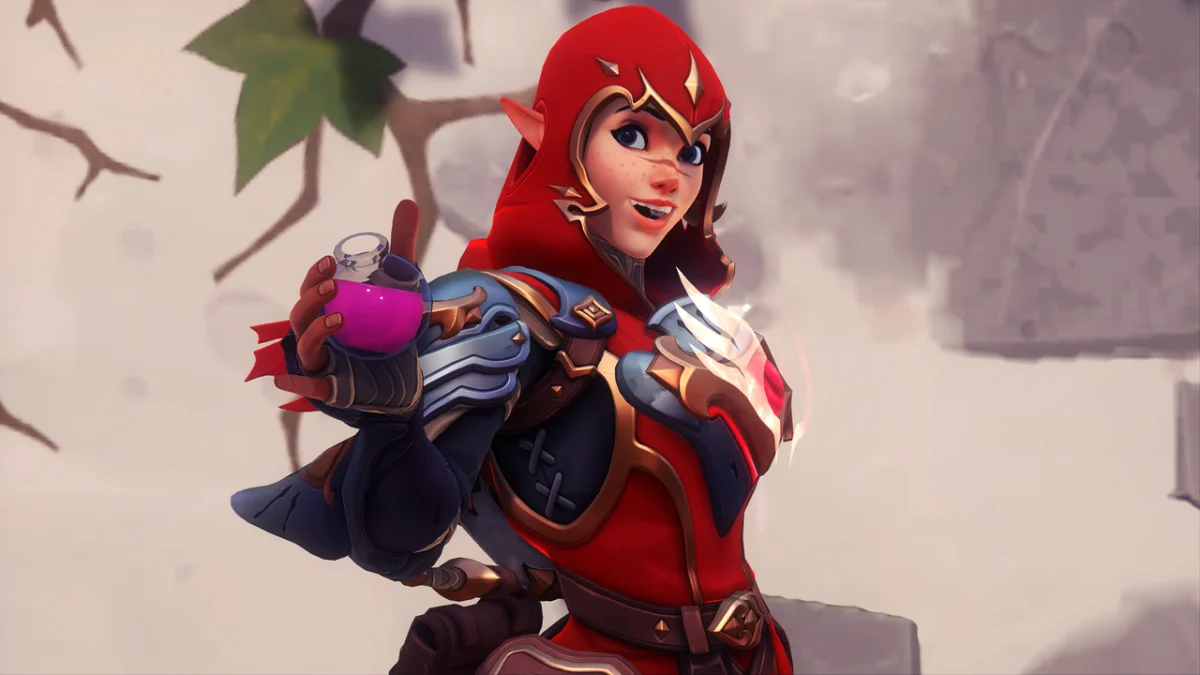
With a roster boasting more than 40 diverse and distinct heroes, Overwatch 2 has cultivated an exceptionally passionate player base. Every character—from tanks and supports to hyper-mobile damage dealers—has a dedicated legion of fans waiting eagerly for new cosmetic content. However, the game’s cosmetic pipeline has increasingly become a lightning rod for community discontent.
As Blizzard Entertainment continues to roll out seasonal updates, a growing segment of the player base has become convinced that the development team is playing favorites. While popular heroes like Kiriko, Genji, and Tracer seemingly swim in an endless tide of legendary and epic threads, a significant portion of the roster is routinely left out in the cold.
The frustration has reached a boiling point over the handling of the game’s most prestigious cosmetic tier: Mythic skins. With many long-time champions still waiting years for their first taste of Mythic treatment, the decision by Blizzard to award second Mythic skins to characters who already possess them has sparked fierce backlash across Reddit, X (formerly Twitter), and official community forums.
Main Facts: The Anatomy of the Mythic Skin Controversy
At the heart of the controversy is the value and scarcity of Mythic skins, which sit at the absolute pinnacle of Overwatch 2’s cosmetic ecosystem.
- The Prestige and Price: Mythic skins are the most expensive and intricate cosmetics in the game. They feature extensive customizability—allowing players to mix and match color palettes, armor pieces, and helmet designs—alongside completely overhauled visual effects (VFX) and unique sound design for abilities. Acquiring one typically requires an investment of around $70 or 80 Mythic Prisms, a premium currency earned by progressing through the premium battle pass or purchased directly through the in-game shop.
- Severe Bottlenecks: Blizzard releases only two Mythic skins per season. Because the supply is strictly limited to a pair per update cycle, every repeat skin given to an already-favored hero represents a missed opportunity for the dozens of characters who have zero Mythic cosmetics to their name.
- The Breaking Point: The backlash reached a fever pitch with the introduction of the "Void Dancer" Mythic skin for Widowmaker—marking her second Mythic cosmetic. The timing compounded the outrage, as it arrived in the exact same season that Genji, another hero who already possessed a Mythic, secured his second iteration.
The community reaction has been overwhelmingly negative, with players arguing that the rigid adherence to a select few popular heroes undermines the variety that makes the game’s expansive roster so appealing in the first place.
Chronology: How the Mythic Backlog Sparked a Community Crisis
To understand how the current sentiment crystallized, it is necessary to examine how the rollout of Mythic skins has evolved since the launch of Overwatch 2.
- October 2022 (Overwatch 2 Launch): Blizzard introduces the Mythic tier alongside the transition to a free-to-play, battle-pass-driven live-service model. Genji receives the inaugural Mythic skin (Cyber Demon), setting a high benchmark for future releases.
- 2023–2024 (The Expansion of the Tiers): Over subsequent seasons, heroes like Junker Queen, Kiriko, Sigma, Tracer, and Ana receive their first Mythic skins. While minor grumblings exist regarding character selection, the general novelty of the tier keeps community sentiment relatively positive.
- Late 2024–2025 (The Shift Toward Repeats): As the seasonal cadence continues, Blizzard makes the controversial pivot to begin revisiting heroes who already have Mythic skins. This introduces a stark division in the community between fans of staple characters and mains of neglected heroes.
- Late 2026 (The Boiling Point): The release of Widowmaker’s Void Dancer Mythic skin—paired with Genji receiving his second Mythic variation in the same season—triggers widespread condemnation. Major community hubs light up with threads criticizing the developers’ curation process, forcing the studio to directly address the mounting PR crisis.
Supporting Data: The Economics and Mathematics of Customization
To fully grasp player frustration, one must look at the math behind the Overwatch 2 cosmetic economy.
- The Roster Disparity: With over 40 heroes currently playable, a bi-seasonal release schedule means Blizzard can only produce four Mythic skins per calendar year. At this glacial pace, giving every hero a single Mythic skin would theoretically take a decade, assuming no new heroes were added to the game and zero repeat skins were ever produced.
- Financial Investment: At roughly $70 USD equivalent value (or 80 Mythic Prisms), these skins represent a significant financial commitment for dedicated fans. Players shelling out premium prices expect the roster’s wealth to be distributed equitably among the characters they main.
- Engagement Metrics vs. Representation: Industry analysts note that live-service games frequently lean into high-engagement characters (like Genji, Mercy, Kiriko, and Tracer) because statistical player-base usage data shows they generate the highest immediate return on investment. However, critics argue this creates a self-fulfilling prophecy: neglected heroes receive fewer skins, leading to lower play rates, which Blizzard then uses as justification to ignore them further.
Official Responses: Blizzard’s Defense and Pivot
In an exclusive interview with PC Gamer, Overwatch 2 Art Director Dion Rogers addressed the mounting community concerns head-on. Rogers pushed back against the narrative that the development team intentionally sidelines certain heroes, explaining the internal creative process behind skin selection.
"It’s just more of what the team is excited about in the moment, or the very cool ideas sitting in front of us basically," Rogers explained, noting that certain heroes inherently present smoother workflows for the art team due to their rigging and silhouette design.
However, acknowledging the deafening volume of community feedback, Rogers struck a conciliatory tone. He confirmed that the development team has heard the outcry loud and clear regarding repeat Mythics and is actively overhauling their planning pipeline to ensure better distribution moving forward.
Revealing an internal shift in strategy, Rogers shared that the team recently conducted a massive "blue-sky sketch" brainstorming session. The core directive of this exercise was simple: "Hit as many of these guys as possible and see if something jumps out." Addressing the backlog of neglected characters has officially become the top priority for upcoming skin conceptualization phases.
Implications: What This Means for the Future of Overwatch 2
While Dion Rogers’ comments offer a glimmer of hope for mains of less conventional heroes, the reality of game development means tangible changes will take time.
Skin creation pipelines in modern triple-A live-service titles are notoriously long, often requiring anywhere from six months to a year of conceptualization, modeling, rigging, VFX tuning, and quality assurance testing before a cosmetic ever hits the live servers. Consequently, even if Blizzard immediately pivoted its design philosophy following the community backlash, players should not expect to see a diversified wave of Mythic skins for several months.
Key Takeaways for the Community:
- A Cultural Shift in the Studio: Blizzard’s acknowledgement of the "repeat Mythic" fatigue signals that community sentiment on platforms like Reddit and X directly influences high-level design prioritization.
- The Waiting Game: While the studio is actively sketching concepts for neglected heroes, the long lead times of video game production mean patience will remain a necessity for fans of underrepresented characters.
- Balancing Passion and Profit: The ultimate challenge for Blizzard moving forward will be balancing the financial safety net of high-earning hero staples with the community goodwill required to keep long-term fans invested in the broader roster.
For now, the player base waits to see if Blizzard’s blue-sky sketches will finally break the cycle of favoritism, giving every hero their well-deserved moment in the spotlight.

