

Main Facts
Mighty Coconut, the acclaimed developer behind the virtual reality phenomenon Walkabout Mini Golf, has announced its second round of layoffs. Ten employees have been affected by the downsizing. The announcement came from studio founder Lucas Martell via a candid LinkedIn post, ironically landing on the exact same day the studio revealed its latest DLC course, Escape from Planet Xylodon.
This development marks a painful milestone for one of virtual reality’s most celebrated and enduring success stories. Despite Walkabout Mini Golf maintaining a stellar reputation, cultivating a dedicated player base, and frequently releasing imaginative expansions, the economic realities of the modern games industry—and the VR sector in particular—have caught up with the studio.
The layoffs represent a return to a "small and scrappy" operational model reminiscent of the studio’s early days. While Martell assured fans that Walkabout Mini Golf is "not going anywhere," the structural contractions at Mighty Coconut mirror a broader, systemic downturn across the immersive media landscape. Studios big and small continue to grapple with shifting venture capital priorities, stagnant user acquisition in standalone VR ecosystems, and a broader flight of hardware, press, and funding attention toward other emerging technologies.
Chronology of Struggle: A Timeline of Retrenchment
To understand how Mighty Coconut reached this juncture, it is vital to examine the trajectory of the studio and the wider virtual reality market over recent years.
Early Success and Rapid Expansion
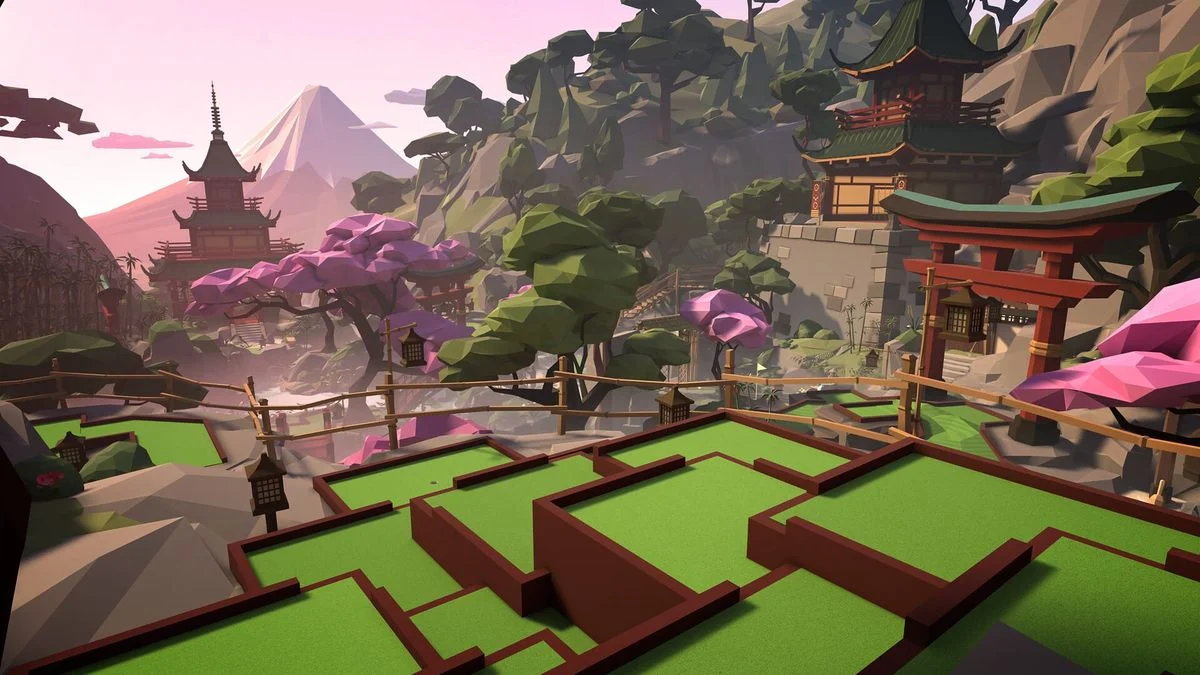
Launched during the nascent boom of modern standalone VR, Walkabout Mini Golf quickly established itself as a critical darling. Offering remarkably accurate physics, beautifully realized digital dioramas, and frictionless social multiplayer, it became the gold standard for VR recreation. Buoyed by enthusiastic word-of-mouth and a steady pipeline of themed downloadable content (DLC), Mighty Coconut expanded its workforce and operational scale to meet growing ambitions, mapping out content schedules years in advance.
The First Blow: January 2026
The cracks in the foundation began to widen significantly at the start of 2026. In January, Mighty Coconut executed its first major round of layoffs, cutting roughly 25% of its total staff. Concurrently, the studio was forced to adjust its monetization strategy, raising the price of its paid DLC courses by one dollar—from $3.99 to $4.99—in an effort to preserve profit margins against rising development costs and a flattening user acquisition curve.
Course-Correcting and Diversification
Throughout 2026, the studio attempted to weather the storm by optimizing revenue streams. In addition to regular course rollouts, Mighty Coconut expanded paid content offerings into avatar packs, customizable ball trails, and interactive hole celebrations to maximize revenue per player. They also treated fans to bonus add-ons, such as the Homestar Runner distraction pack released over the summer, while scaling back their primary course release cadence to six per year.
The October 2026 Announcement
On the same day it promoted the upcoming Escape from Planet Xylodon space-themed course, the studio hit a wall. Martell published his transparent statement detailing the second wave of layoffs—ten additional staff members let go—signaling that previous course corrections had ultimately proven insufficient against broader market headwinds.
Supporting Data and Market Metrics
The challenges facing Mighty Coconut do not exist in a vacuum; they are symptomatic of hard data emerging from the VR ecosystem.
- Slowing New User Acquisition: The primary driver behind Mighty Coconut’s recent downsizing is the deceleration of new hardware adoption. As Martell explicitly noted, the studio requires "a steady stream of new players coming into VR and Walkabout" to sustain its operational scale. Without a continuous influx of fresh users buying headsets and diving into the ecosystem, mature titles face an inevitable ceiling.
- The Cost of Inflation and Scale: Game development costs have risen exponentially over the past five years, while consumer price elasticity for digital goods remains tightly restricted. Even with a modest price hike on DLC courses ($3.99 to $4.99), the revenue per user has failed to outpace the escalating overhead of maintaining a mid-sized independent studio.
- Industry-Wide Attrition: Mighty Coconut’s struggles reflect an ongoing contraction across the entire immersive technology sector. Over the past several years, the VR industry has witnessed severe contractions, including significant layoffs at studios like nDreams and the complete closure of prominent developers such as Polyarc Games (creators of the acclaimed Moss franchise).
- Diversification Metrics: Recognizing the risks of relying entirely on a single VR title, Mighty Coconut has attempted to diversify. The studio has kept active production pipelines open for Walkabout Dungeon Golfer—a spin-off project born from a popular April Fool’s joke—as well as co-development work on the flatscreen lawn-mowing simulator, Grass. These projects are deliberate hedges designed to stabilize company finances through multi-platform revenue streams.
Official Responses and Studio Transparency
Lucas Martell’s LinkedIn statement stands out in the modern games industry for its unvarnished honesty. Rather than hiding behind corporate boilerplate, Martell laid bare the hard choices facing indie developers in today’s climate.
"This is an incredibly hard message to write, but I want to continue to be transparent with the Walkabout community. Due to the current state of the games industry and especially VR, Mighty Coconut will need to downsize, and over the next several months we will be saying goodbye to 10 talented people who have helped make Walkabout what it is."
Addressing the macro-trends crushing the ecosystem, Martell added:
"For anyone who has been following the games industry, VR in particular is going through a very rough time. I am confident that VR will continue to be an amazing medium, but it is going through a massive and rapid shift as funding, hardware and press attention have largely been diverted elsewhere. While we already downsized last January, I failed to anticipate just how rapidly and deeply this trajectory would continue."
Crucially, Martell offered reassurance to the passionate community of players, confirming that the core experience is secure:
"For our fans, I just want to continue to reassure you that Walkabout isn’t going anywhere. We will continue to release courses, although these might be a little less often due to the reduced team size that returns us to the small and scrappy way we started."
Finally, in a display of industry solidarity, Mighty Coconut organized a reverse-recruiting list to help the displaced workers find new homes within the gaming sector, underscoring the deep human toll of these structural shifts.

Implications for the Future of VR and Walkabout Mini Golf
The second downsizing at Mighty Coconut carries profound implications for both the immediate future of Walkabout Mini Golf and the broader trajectory of virtual reality gaming.
What This Means for Walkabout Mini Golf
Fans of the game can breathe a sigh of relief knowing that the servers will remain active, and new content will continue to arrive. However, the cadence of those updates is bound to change. Prior to these layoffs, studio leadership indicated that the course schedule was locked in through 2027. With a smaller, leaner team, development cycles may stretch longer, resulting in fewer total courses per year or slightly longer gaps between major releases.
Furthermore, the survival of the game now hinges heavily on the success of its spin-offs and multi-platform ventures. Walkabout Dungeon Golfer and the flatscreen title Grass are no longer just passion projects or creative experiments; they are essential financial anchors designed to insulate the company from the volatility of the dedicated VR hardware market.
What This Means for the VR Industry
Mighty Coconut’s ongoing struggle serves as a cautionary tale for the entire virtual reality ecosystem. If a premier, critically adored title with a high retention rate and a robust DLC model cannot maintain its operational scale in the current climate, smaller and riskier VR projects face an even more precarious existence.
The underlying issue is a pipeline problem. Major technology conglomerates have increasingly shifted their capital, research, and marketing budgets away from standalone gaming headsets and toward artificial intelligence and enterprise-focused mixed reality hardware. Without aggressive consumer-facing marketing and a renewed wave of hardware adoption subsidized by platform holders, independent VR developers are left swimming upstream against rising operational costs and stagnant user growth.
Despite these grim indicators, there is a resilient silver lining. Mighty Coconut has proven that creative excellence, community trust, and business pragmatism can keep a studio alive long after less adaptable competitors have shuttered their doors. By returning to its roots—operating lean, diversifying its portfolio, and maintaining transparent communication with its players—Mighty Coconut is charting a path forward, proving that even in a turbulent sea, good design can weather the storm.

