

By Etiido Uko
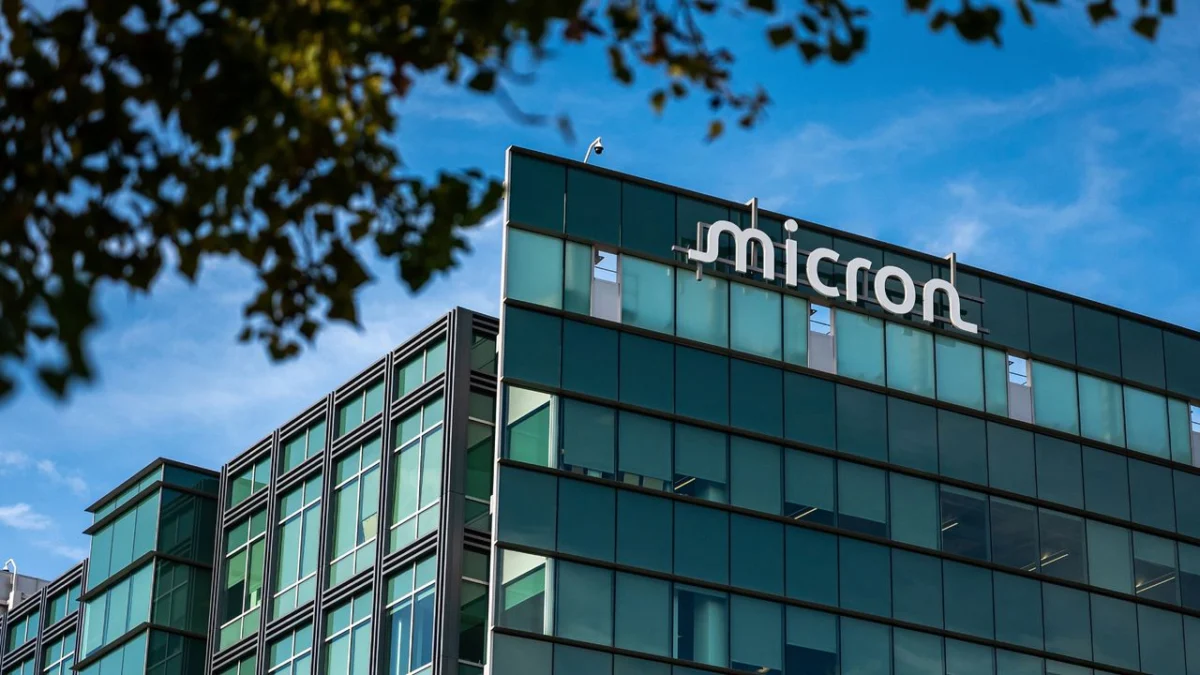
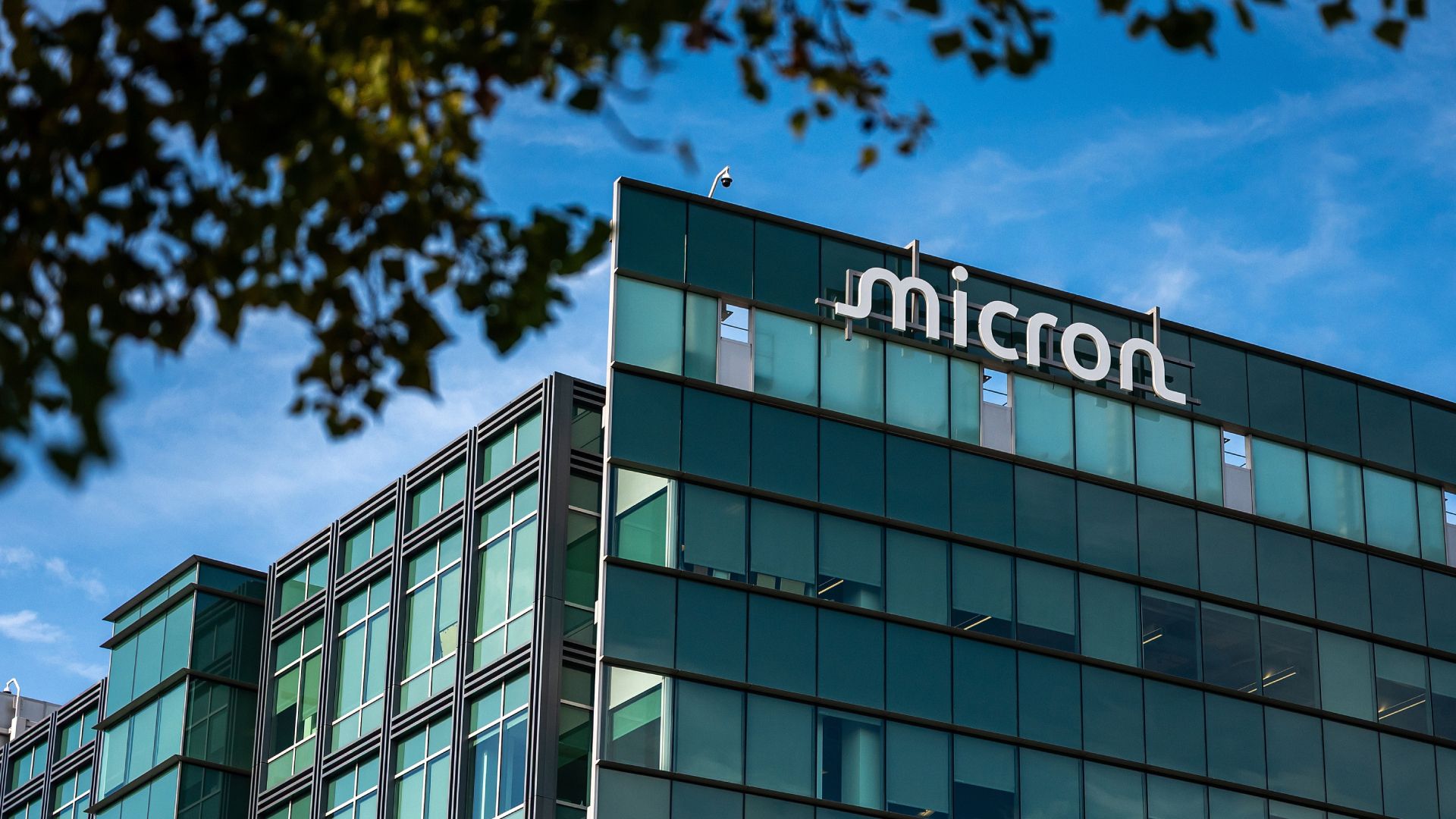
The unprecedented economic windfall generated by the global artificial intelligence boom has ushered in a golden era for semiconductor manufacturers, but it is also triggering significant labor friction across the technology sector. US-based memory giant Micron Technology has found itself at the center of a high-stakes industrial dispute in Taiwan. Despite announcing the largest compensation and reward package in its corporate history—including a one-time cash appreciation bonus equivalent to NT$1 million (approximately US$31,650)—local labor unions representing Micron’s manufacturing and engineering workforce have formally rejected the offer.
With cumulative net sales and earnings shattering historic records on the back of soaring demand for high-bandwidth memory (HBM) and advanced DRAM chips, employees are demanding structural compensation reforms rather than arbitrary management payouts. As government-backed mediation talks have stalled, the threat of a historic labor strike at Micron’s crucial Taiwanese production plants looms large, casting a shadow over the company’s otherwise stellar financial trajectory.
Main Facts: The Record-Breaking Payout and Rejection
Micron’s newly announced compensation framework was designed to reward its global workforce of over 60,000 employees for what executive leadership termed an "extraordinary year." Driven by voracious market demand for AI-centric memory infrastructure, the company reported cumulative net income exceeding $50.47 billion over the past four quarters, punctuated by a staggering 346% year-over-year revenue increase in its third-quarter earnings.
For its Taiwan-based workforce—situated in the critical tech manufacturing hubs of Taoyuan and Taichung—the financial package includes a flat, one-time cash appreciation bonus of NT$1 million for eligible employees hired on or before August 29, 2025, with prorated amounts for those onboarded later in fiscal year 2026.
When bundled with standard performance incentives, the total compensation package guarantees that direct manufacturing and production-line employees will earn a minimum total cash payout ranging from 35 to 68 months of basic salary, translating to at least NT$1.7 million (roughly US$53,810). Meanwhile, average total compensation for junior engineers is projected to climb to NT$3.4 million (approximately US$106,250), distributed as NT$2.9 million in cash with the remainder delivered via equity grants.
However, rather than defusing tensions, the announcement was swiftly rebuffed by the union representing workers at Micron’s vital Taoyuan facility. Union leadership dismissed the corporate windfall as a temporary distraction designed to sidestep deeper structural grievances. They argue that management’s top-down, non-transparent bonuses fail to establish a fair and predictable long-term profit-sharing mechanism.
Chronology of the Dispute
The confrontation between Micron and its Taiwanese employees is the culmination of months of mounting industrial tension, mirroring similar labor movements across the broader East Asian semiconductor corridor.
- September 1: Escalating frustrations over lagging compensation relative to record-breaking corporate earnings led local unions in Taoyuan and Taichung—collectively representing roughly 10,000 of Micron’s 15,000 workers in Taiwan—to issue formal strike threats. Workers demanded lucrative payout packages comparable to those secured by employees at regional memory rivals like Samsung Electronics and SK Hynix.
- Early September: In response to the imminent strike threat, the Taiwanese government intervened, compelling labor representatives and Micron management into formal mediation talks.
- September 4: Government-led mediation efforts collapsed after both parties failed to bridge significant gaps regarding the structure of the profit-sharing demands.
- September 11: Following the breakdown of talks, Micron preemptively announced its historic fiscal year 2026 reward package, highlighting the NT$1 million cash appreciation bonus and minimum compensation guarantees.
- Mid-September: Micron’s labor unions officially rejected the company’s proposal, claiming it ignored demands for transparent, institutionalized profit-sharing and permanent structural reforms.
- Upcoming September 21: A critical second round of government-sponsored mediation is officially scheduled. If this session fails to yield a compromise, the union intends to trigger a formal strike vote. An internal preliminary survey revealed that an overwhelming 80% of union members have already voted in favor of strike action.
Supporting Data: The AI Memory Boom and Regional Precedents
The friction at Micron cannot be viewed in isolation; it is part of a broader industry-wide reckoning over how unprecedented AI-driven profits are distributed. In just the third quarter of fiscal year 2026, Micron posted a record-breaking GAAP net income of $28.24 billion, fueled by long-term supply agreements worth upwards of $100 billion for advanced DRAM and high-capacity memory solutions essential for enterprise AI accelerators.
This massive influx of capital has drawn intense scrutiny from tech sector labor unions, who argue that workers bearing the physical and operational strain of accelerated manufacturing schedules deserve a guaranteed stake in corporate success.
Micron’s workforce has explicitly looked to its South Korean competitors for benchmarks:
- SK Hynix Settlement: In late 2024, SK Hynix reached a landmark settlement with its labor union, agreeing to allocate 10% of annual operating profit directly to employees as performance bonuses for the next decade, while completely eliminating previous bonus caps.
- Samsung Confrontation: Samsung Electronics narrowly averted an 18-day chip manufacturing strike after intensive last-minute wage negotiations. The deal followed massive public demonstrations involving over 30,000 Samsung union members marching in the streets to demand average bonuses approaching $400,000 per worker, inspired by rival payouts during the AI boom.
In comparison, Micron’s Taiwanese union is pushing for a permanent structural model that allocates 15% of operating profits directly to workers via quarterly distributions, alongside a one-off payment for fiscal year 2026 equivalent to roughly 83 months of base salary.
Official Responses and Union Stance
Corporate leadership at Micron has defended its compensation strategy as aggressive, highly competitive, and reflective of the company’s gratitude toward its global workforce. Executives emphasized that the fiscal year 2026 package represents the most lucrative financial distribution in the company’s history, asserting that it positions Micron as an employer of choice within the global semiconductor landscape.
Conversely, union representatives have maintained a hardline stance against corporate messaging. In an official post-announcement statement, the union asserted that the NT$1 million cash bonus and associated tiers deliberately "sidestepped" substantive discussions regarding long-term wage transparency.
"We are not simply looking for a one-time pat on the back during a cyclical market peak," a union spokesperson indicated during local briefings. "Workers are generating tens of billions of dollars in net income for this corporation. What we require are concrete institutional safeguards and a predictable profit-sharing formula that ensures workers share equitably in the company’s prosperity, rather than relying on the goodwill of management."
Implications for the Global Tech Supply Chain
The ongoing labor dispute at Micron carries profound implications that extend far beyond the borders of Taiwan. As the global semiconductor manufacturing ecosystem remains highly consolidated, any disruption to production facilities in Taiwan—a cornerstone of global hardware assembly and advanced silicon processing—can send immediate shockwaves through the consumer PC, server, and enterprise AI markets.
- Supply Chain Vulnerability: With the memory market already experiencing tight supply constraints and skyrocketing prices due to heavy enterprise focus on AI data centers, a prolonged strike at Micron’s Taoyuan and Taichung plants would severely jeopardize global DRAM and NAND supply chains.
- Precedent for Tech Labor: The outcome of the upcoming September 21 mediation sessions will likely establish a critical precedent for white-collar and blue-collar tech labor relations across Asia. If Taiwanese unions successfully force multinational giants like Micron into permanent profit-sharing agreements, it could embolden semiconductor workers globally to demand similar institutional protections.
- Corporate Operational Costs: As artificial intelligence continues to drive extraordinary financial returns, technology companies may find it increasingly difficult to resist calls for profit redistribution. Management teams will face the complex challenge of balancing aggressive shareholder return strategies with the escalating wage expectations of a highly organized, indispensable technical workforce.
All eyes are now turned toward the September 21 mediation table. Whether Micron can successfully negotiate a compromise or face the first major strike in its modern manufacturing history will determine the immediate stability of the global memory market.

