

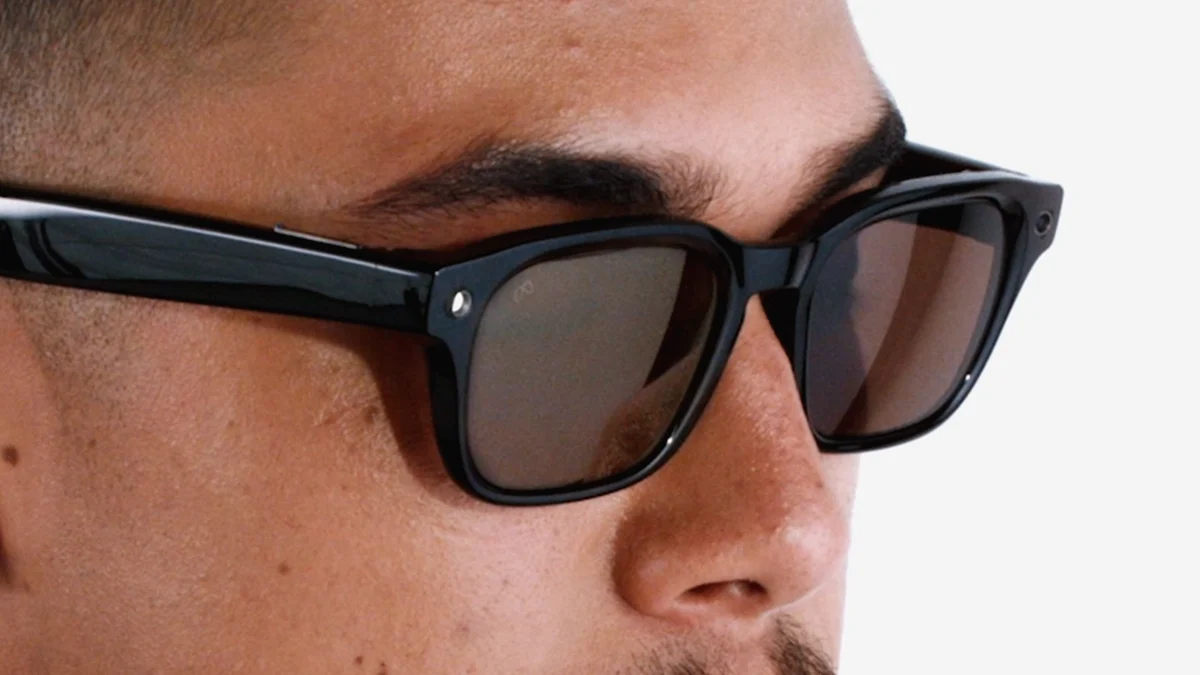
SAN FRANCISCO — In a major hardware pivot that addresses growing societal concerns over surveillance and digital privacy, Meta announced the Ray-Ban Meta Audio smart glasses at Meta Connect 2026. Eschewing the built-in cameras that defined its previous iterations, this new lineup focuses purely on audio immersion, AI interaction, and lightweight daily wear.
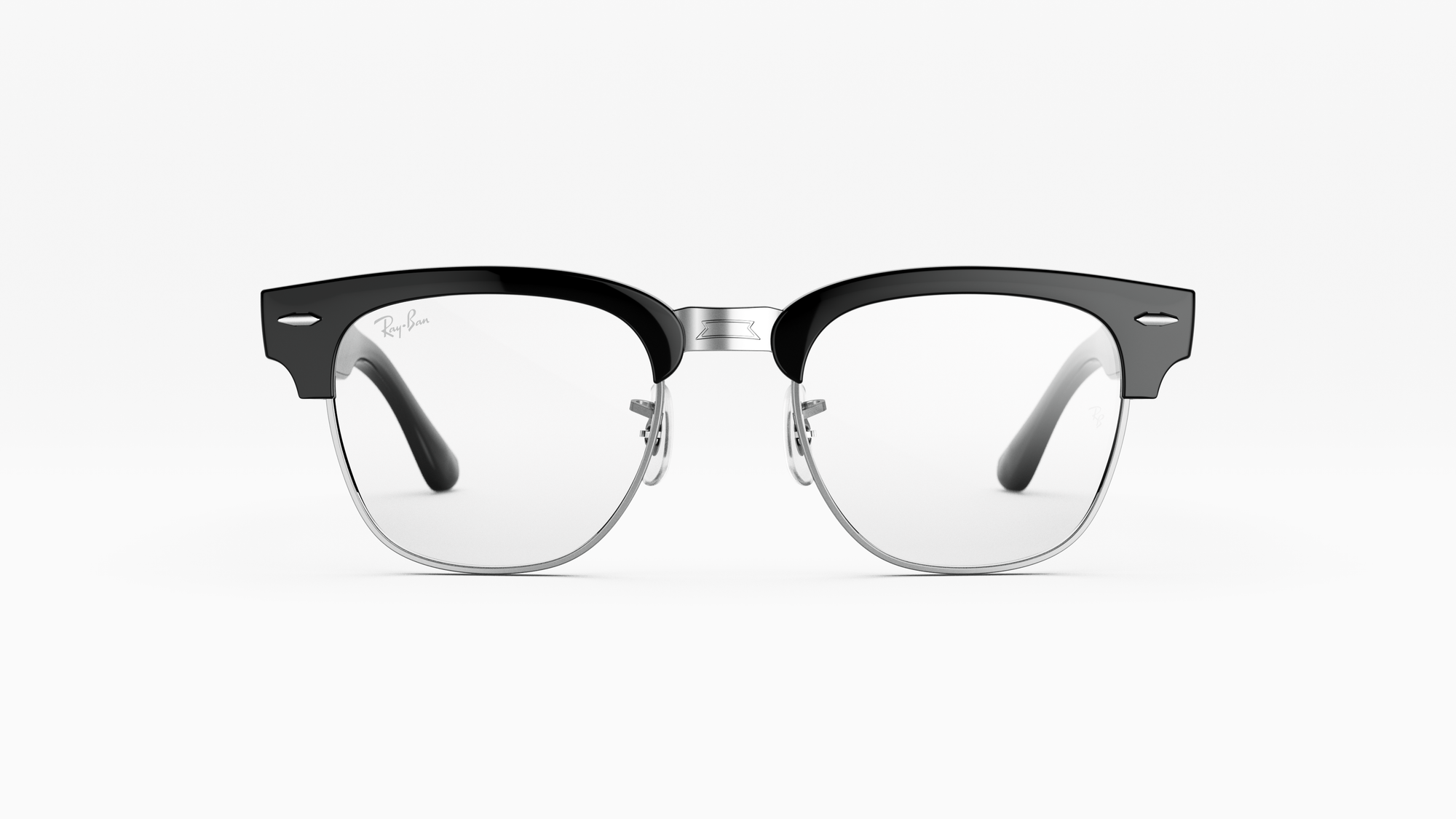
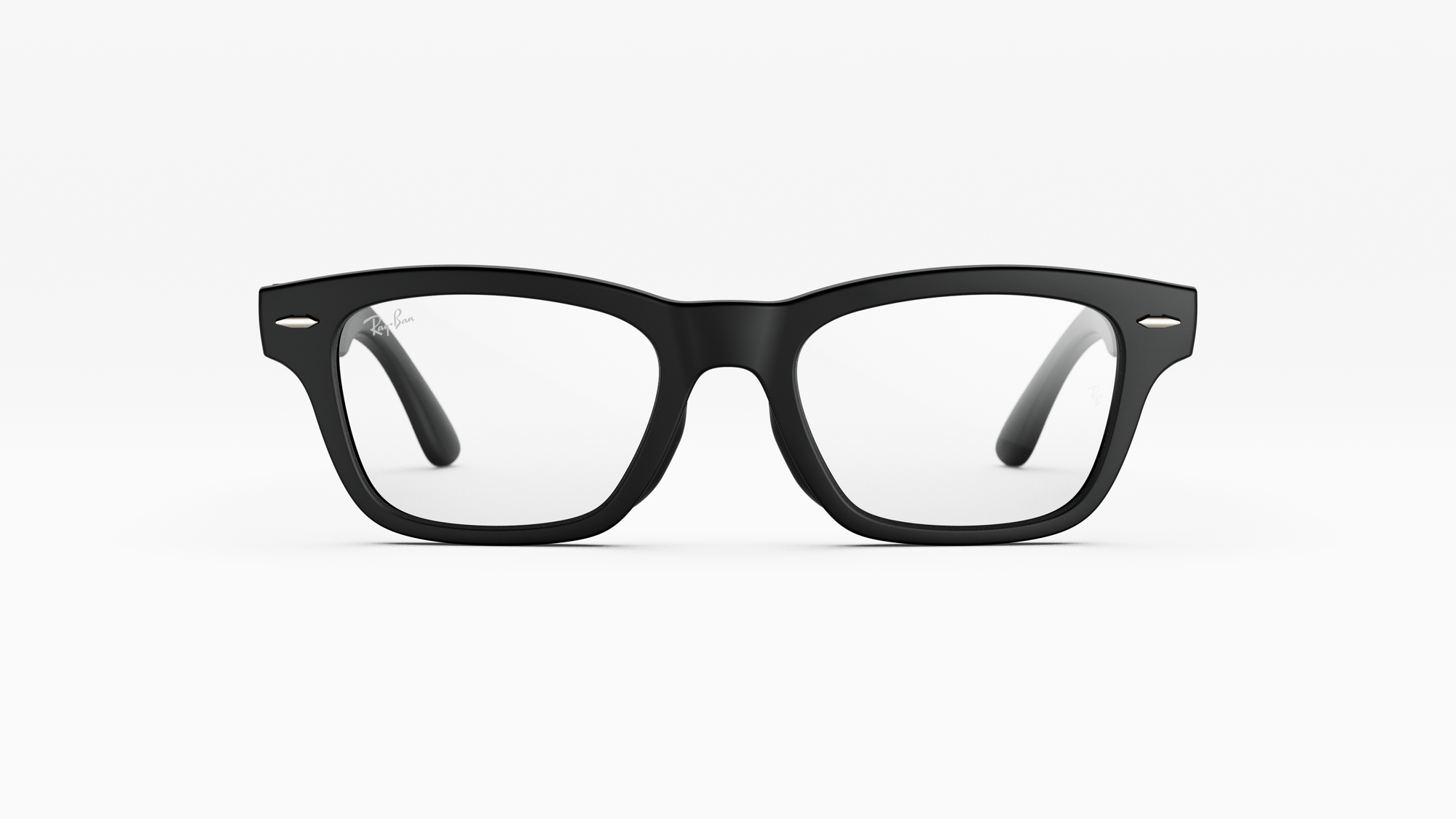
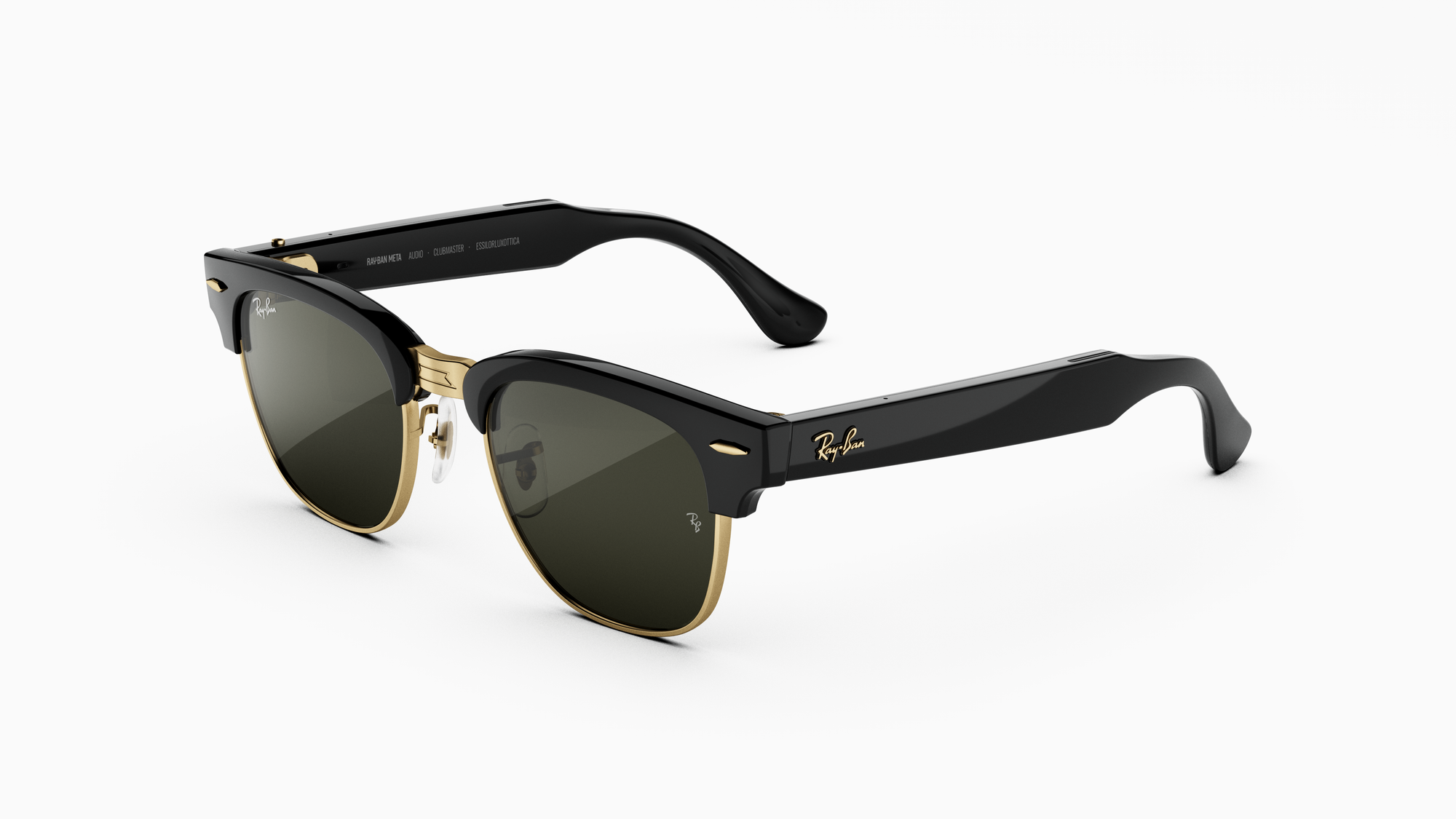
Available for pre-order starting today at $349 and slated to ship on October 13, the Ray-Ban Meta Audio arrives in two distinct styles—the Burbank and the Clubmaster—offering users a sleek, socially unobtrusive alternative to traditional wearable cameras.

Main Facts: What Are the Ray-Ban Meta Audio Glasses?
The Ray-Ban Meta Audio represents Meta’s first foray into camera-free smart eyewear. While the hardware drops the outward-facing lenses and recording LEDs entirely, it retains nearly all of the non-visual smart capabilities found in its camera-equipped predecessors.
Key features include:
- Meta AI Integration: Users can interact with Meta’s voice assistant to ask questions, command workflows, and manage daily tasks hands-free.
- Immersive Audio: Built-in open-ear speakers allow wearers to stream music, listen to audiobooks and podcasts, and take phone calls seamlessly while maintaining awareness of their physical surroundings.
- Unprecedented Weight Reduction: By eliminating camera hardware and its associated cooling and processing components, Meta and EssilorLuxottica have achieved their lightest smart glasses profiles to date. The Clubmaster weighs a mere 43 grams for the standard size, closely followed by the Burbank at 47 grams.
- Two Classic Silhouettes: The Burbank mimics the classic Wayfarer-adjacent aesthetics of past Meta smart glasses minus the camera housing, while the Clubmaster introduces a fresh, vintage-inspired design language entirely new to Meta’s wearable portfolio.
Chronology: From Surveillance Backlash to the Camera-Free Pivot
The launch of the Ray-Ban Meta Audio does not happen in a vacuum. It is the latest chapter in the rapid evolution—and public friction—surrounding consumer smart eyewear.
- Late 2023: Meta launches the second-generation Ray-Ban Meta smart glasses, featuring a prominent camera and recording LED. Powered by early multimodal AI, the glasses quickly become a commercial success.
- 2024–2025: As adoption scales, the glasses become a cultural flashpoint. Viral videos surface on social media platforms showing influencers and malicious actors using the covert nature of the form factor to record unsuspecting citizens in public spaces, restaurants, and transit systems.
- Mid-2025: In response to mounting privacy concerns, Meta rolls out mandatory firmware updates designed to detect physical tampering with the privacy recording LED, automatically disabling the camera if modification is detected. Simultaneously, the company launches public relations campaigns to educate consumers about the indicator light.
- September 2026: Meta officially pulls back the curtain on the Ray-Ban Meta Audio at Meta Connect 2026, offering a direct response to consumers who want smart audio integration without the social stigma or privacy liabilities of a camera.
Despite the timing, Meta representatives told industry publication UploadVR that the Ray-Ban Meta Audio has actually been in development for years, and that its creation was part of a long-term roadmap rather than a reactive knee-jerk measure to recent PR challenges.
Supporting Data & Hardware Specifications
To understand the engineering achievement behind the Ray-Ban Meta Audio, one must look at the physical and structural data provided during Meta Connect 2026.
| Model Style | Weight (Standard Size) | Camera Included? | LED Indicator | Price | Shipping Date |
|---|---|---|---|---|---|
| Burbank | 47 grams | No | No | $349 | October 13, 2026 |
| Clubmaster | 43 grams | No | No | $349 | October 13, 2026 |
| Wayfarer (Gen 2) | ~49–50 grams | Yes | Yes (Tamper-Detected) | Varies | Available Now |
The substantial drop in weight—particularly on the 43-gram Clubmaster—solves one of the primary historical complaints leveled against wearable technology: fatigue during all-day wear. By trimming down the frame profile, Meta has positioned the glasses to compete directly with high-end traditional optical frames and premium audio-only glasses like Bose Frames or Amazon Echo Frames, while leveraging the undisputed fashion credibility of the Ray-Ban brand.
Official Responses and the Privacy Debate
The debate surrounding smart glasses with cameras often centers on dual-use technology. Much like a kitchen knife—which can be used equally to prepare a gourmet meal or commit a crime—smart glasses are inherently neutral tools defined entirely by user intent. The vast majority of consumers utilize the camera features for capturing spontaneous family memories, streaming point-of-view content, or querying the physical environment through multimodal AI.
However, the actions of a minority of users—dubbed pejoratively in online spaces as "sleazy influencers and perverts"—created a distinct chilling effect. For many potential buyers, the social friction of walking into a cafe, gym, or office wearing a device capable of recording video proved insurmountable.
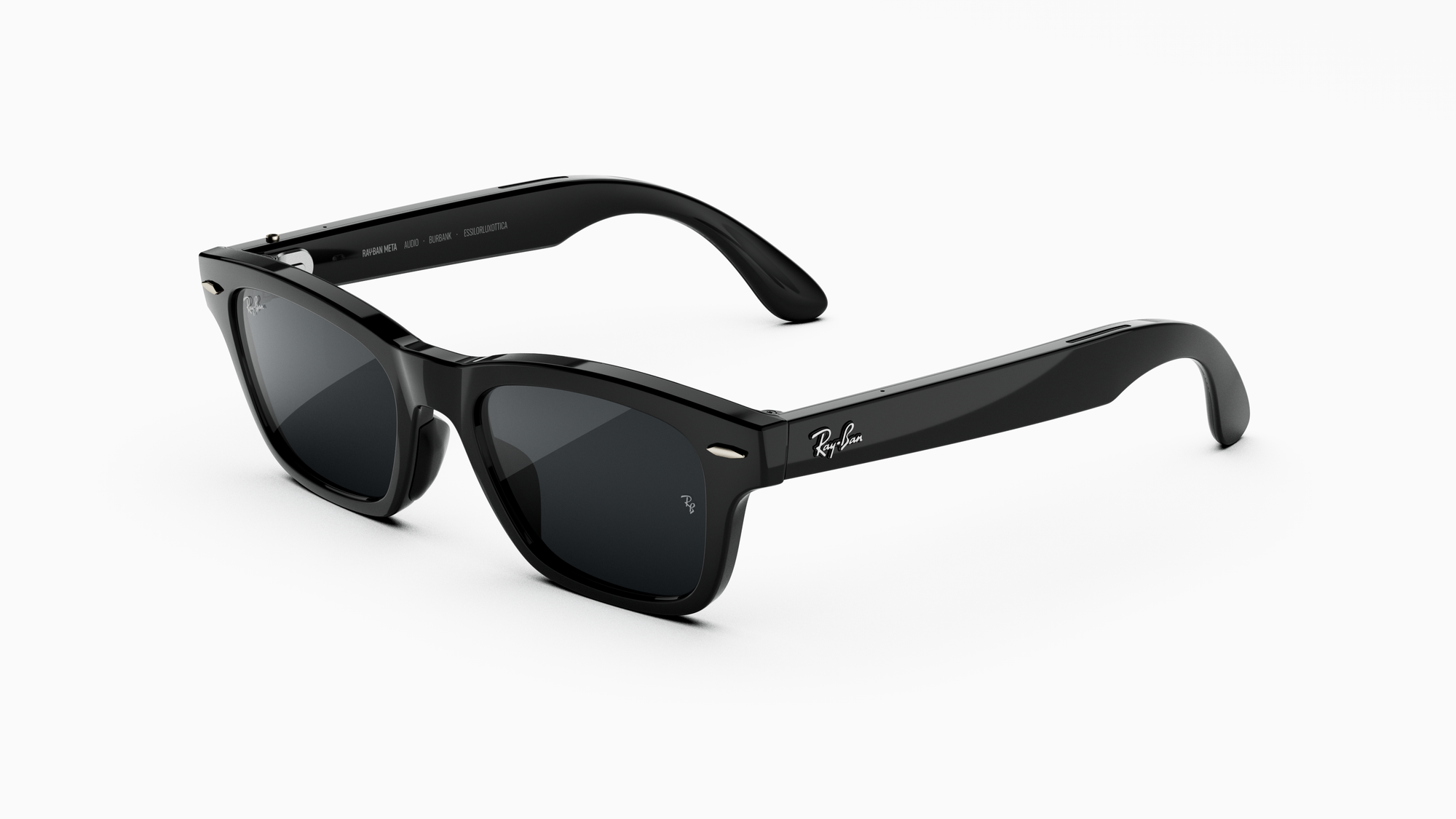
By launching a camera-free variant, Meta is effectively acknowledging this social anxiety. As industry observers note, a significant segment of the consumer base desires the convenience of ear-level audio, phone call management, and conversational AI, but actively wants to avoid being perceived as a mobile surveillance threat. The Ray-Ban Meta Audio directly targets this hesitant demographic, neutralizing the surveillance objection while retaining the lifestyle utility of the ecosystem.
Broader Implications for the Wearable Market
The introduction of the Ray-Ban Meta Audio signals a mature segmentation strategy for Meta’s hardware division. Rather than treating smart glasses as a monolithic product category where every device must pack every available sensor, Meta is splitting its portfolio into distinct tiers based on user comfort levels and use cases.

1. Reclaiming Social Acceptability
The primary barrier to mainstream augmented reality (AR) and smart eyewear adoption has never been technological capability; it has been social friction. Google Glass famously suffered a fatal PR blow a decade ago largely because society was not ready for passive, head-mounted cameras. While Meta’s camera-equipped glasses achieved far better market penetration, they still face persistent pushback in public venues. The audio-only model acts as a diplomatic bridge, normalizing the presence of smart frames on everyday faces without triggering privacy alarms.
2. Deepening Audio and AI Ecosystems
By stripping away the camera processing overhead, Meta can optimize battery longevity, thermal management, and acoustic performance for media consumption and conversational AI. As voice interfaces become the primary mechanism for interacting with ambient computing, users may find that an audio-first pair of glasses offers a more frictionless daily experience than a heavier device burdened with visual sensors they rarely use.

3. Expanding the Fashion Frontier
The inclusion of the Clubmaster style—which breaks away from the dominant Wayfarer shape—proves that EssilorLuxottica and Meta are treating these devices first and foremost as fashion accessories. By offering ultra-lightweight frames in diverse, culturally resonant styles at a competitive $349 price point, Meta is laying the groundwork for mass-market saturation.
As pre-orders open today ahead of the October 13 launch, the Ray-Ban Meta Audio will test whether consumers are truly ready to embrace smart eyewear when the camera is taken out of the picture. If successful, it may prove that the future of wearable AI is not about watching the world, but simply listening to it.

