

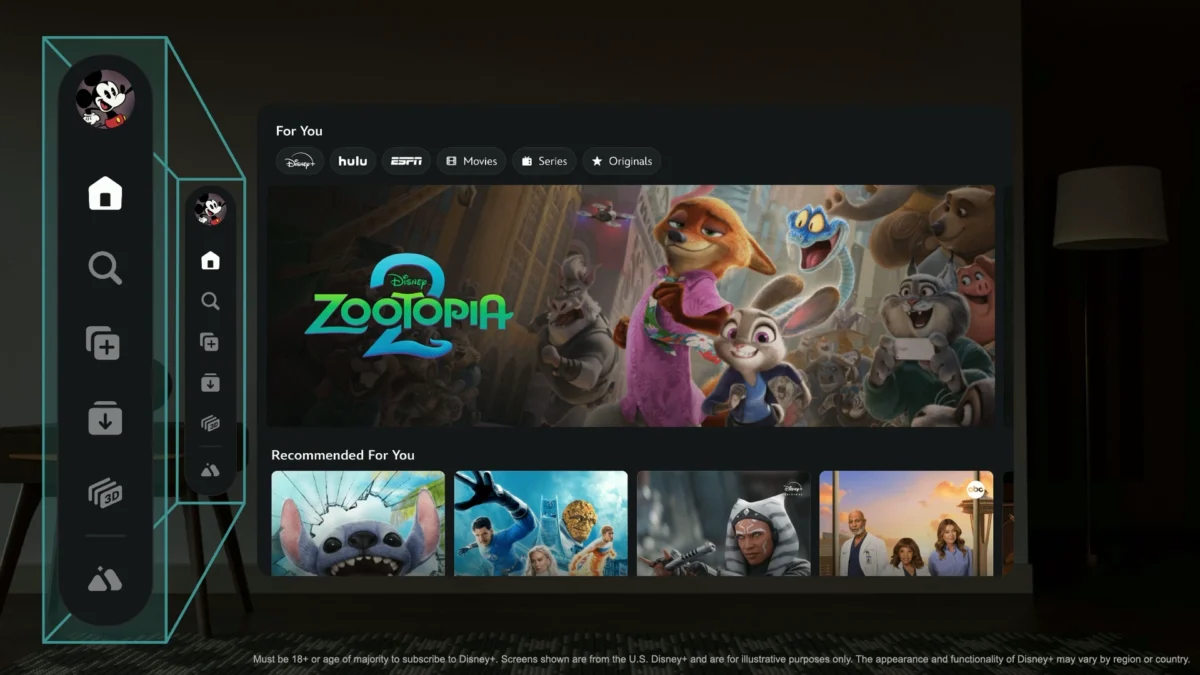
Main Facts
At Meta Connect 2026, Meta introduced a powerful suite of new software development kits (SDKs) and user interface (UI) features for Horizon OS, signaling a massive push toward broader, high-end spatial computing use cases. Chief among these announcements are the Meta VR Layout SDK, the Meta VR Gaze SDK, and the Meta VR UI Set SDK.
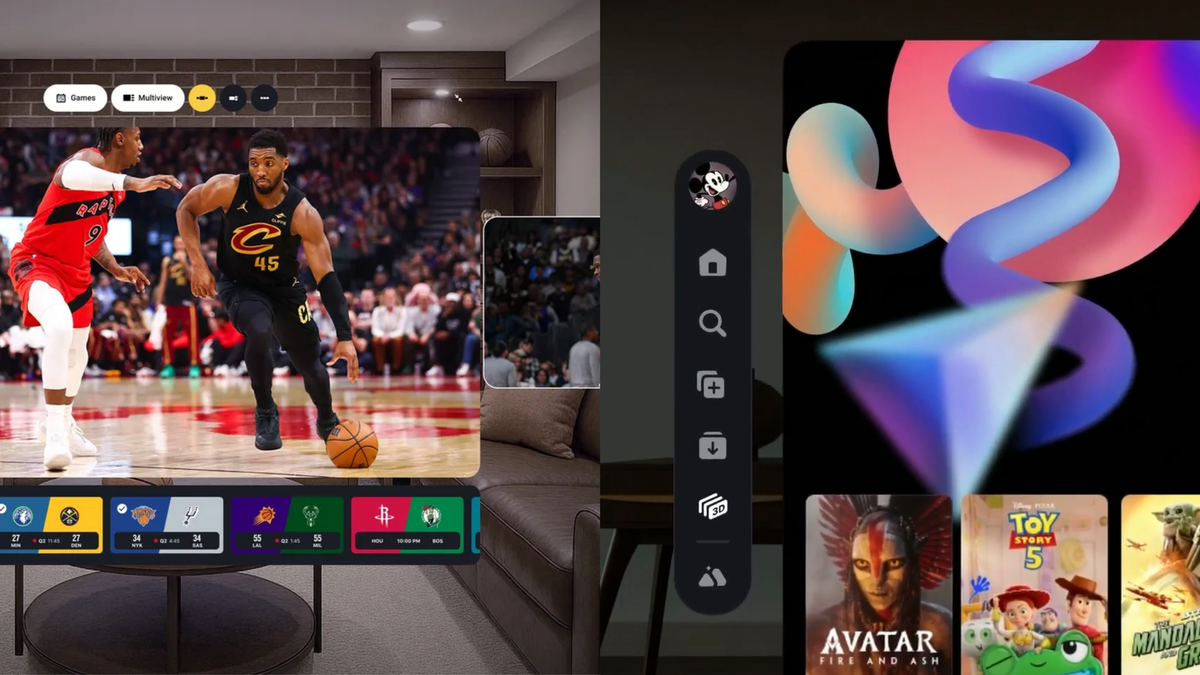
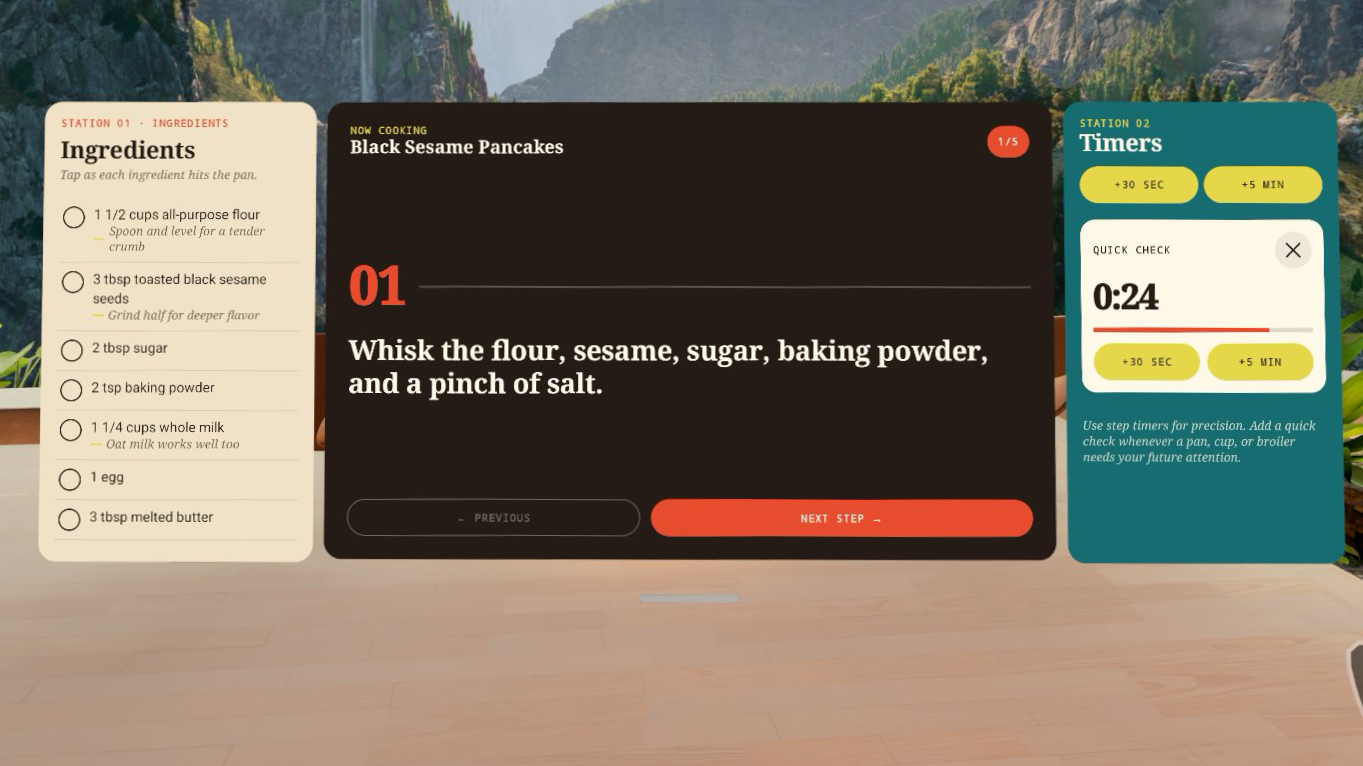
These developer tools are engineered to bridge the gap between traditional 2D mobile applications (built on Jetpack Compose or React Native) and deeply immersive spatial environments. Historically, developers seeking to add multi-window layouts or 3D elements to Horizon OS apps were forced to rewrite their software entirely using the Meta Spatial SDK, sacrificing standard Android UI architecture in the process. Meta’s latest tools dismantle these barriers, allowing standard Android apps to natively incorporate floating spatial windows, sophisticated gaze-based interactions, and a cohesive system-wide visual identity similar to Apple’s visionOS—all without requiring a full immersive transition.
Concurrently, major streaming heavyweight Disney announced a sweeping, feature-rich overhaul for its Horizon OS application. Scheduled to launch in November 2026, the updated Disney+ app will finally bring 3D media playback and immersive virtual cinema environments to Meta’s ecosystem, closing the parity gap with its Apple Vision Pro counterpart.

Chronology
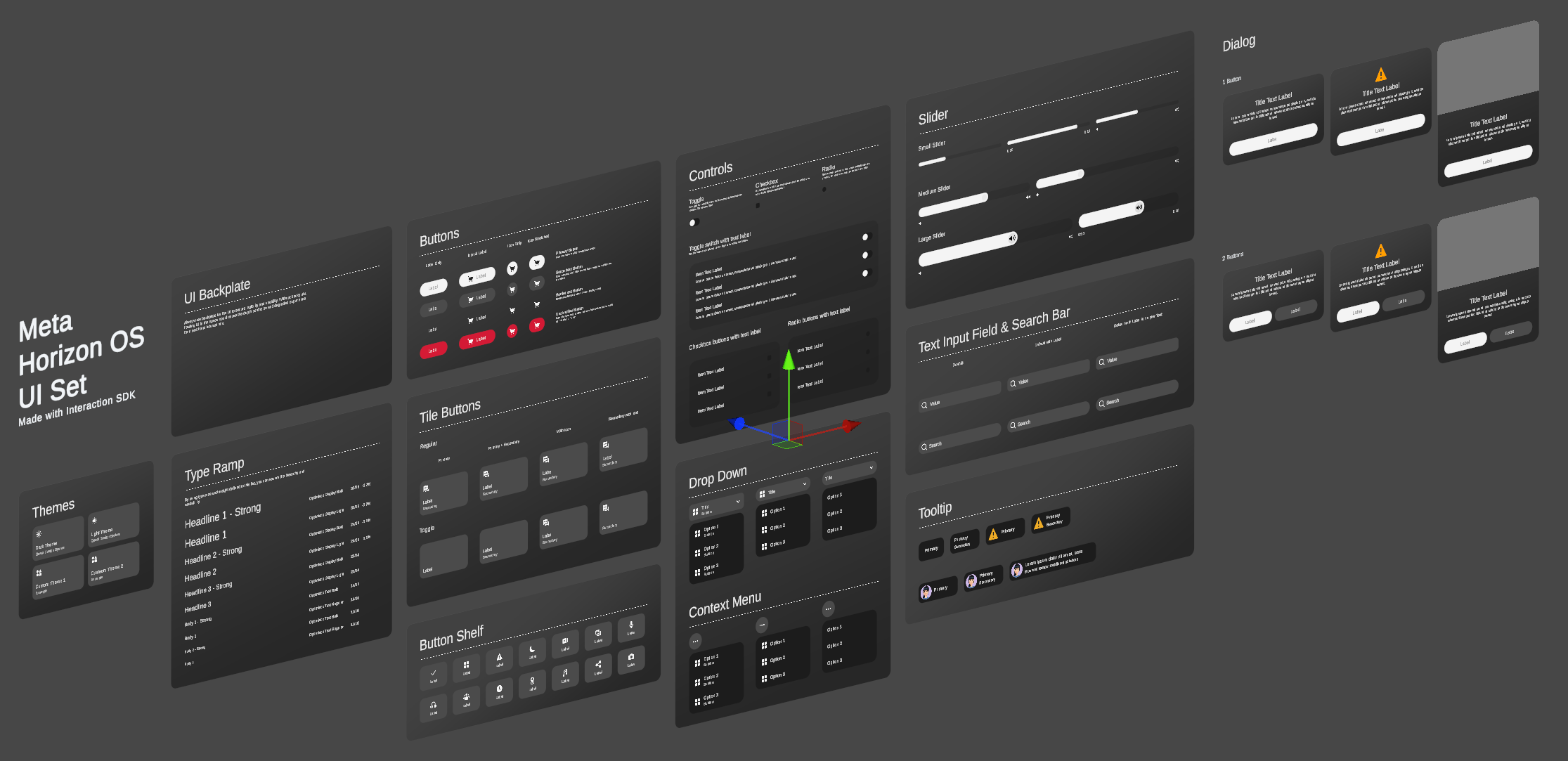
- October 2024: Meta releases the Horizon OS UI Set for Unity, Figma, and the Spatial SDK, attempting to give developers cohesive design guidelines for VR interfaces. However, because it lacks a standalone SDK, standard 2D Android apps find it largely impractical to implement.
- December 2025: The official Disney+ app launches on Meta Quest headsets, featuring up to 4K resolution, Dolby Vision HDR, Dolby Atmos spatial audio (enabled via Horizon OS v71), and offline downloads. However, it remains restricted to 2D media and lacks custom 3D environments.
- September / October 2026 (Meta Connect 2026): Meta officially unveils the Meta VR Layout SDK, the early-access Meta VR Gaze SDK, and the Meta VR UI Set SDK. The company also previews upcoming media enhancements, including movie rental and purchase catalogs arriving later in the year.
- November 2026: Disney+ is set to receive its major spatial overhaul on Horizon OS, introducing 3D content support and immersive virtual environments.
- Spring 2027: Meta’s newly announced, ultra-lightweight Meta VR Glasses (priced at $1,300, featuring 2.4K micro-OLED displays and a tethered Snapdragon Reality Elite puck) are scheduled to ship, alongside an expanded international library of thousands of movies for rent or purchase.
Supporting Data
The technical integration and capabilities introduced at Meta Connect 2026 rely on several core architectural updates to Horizon OS:
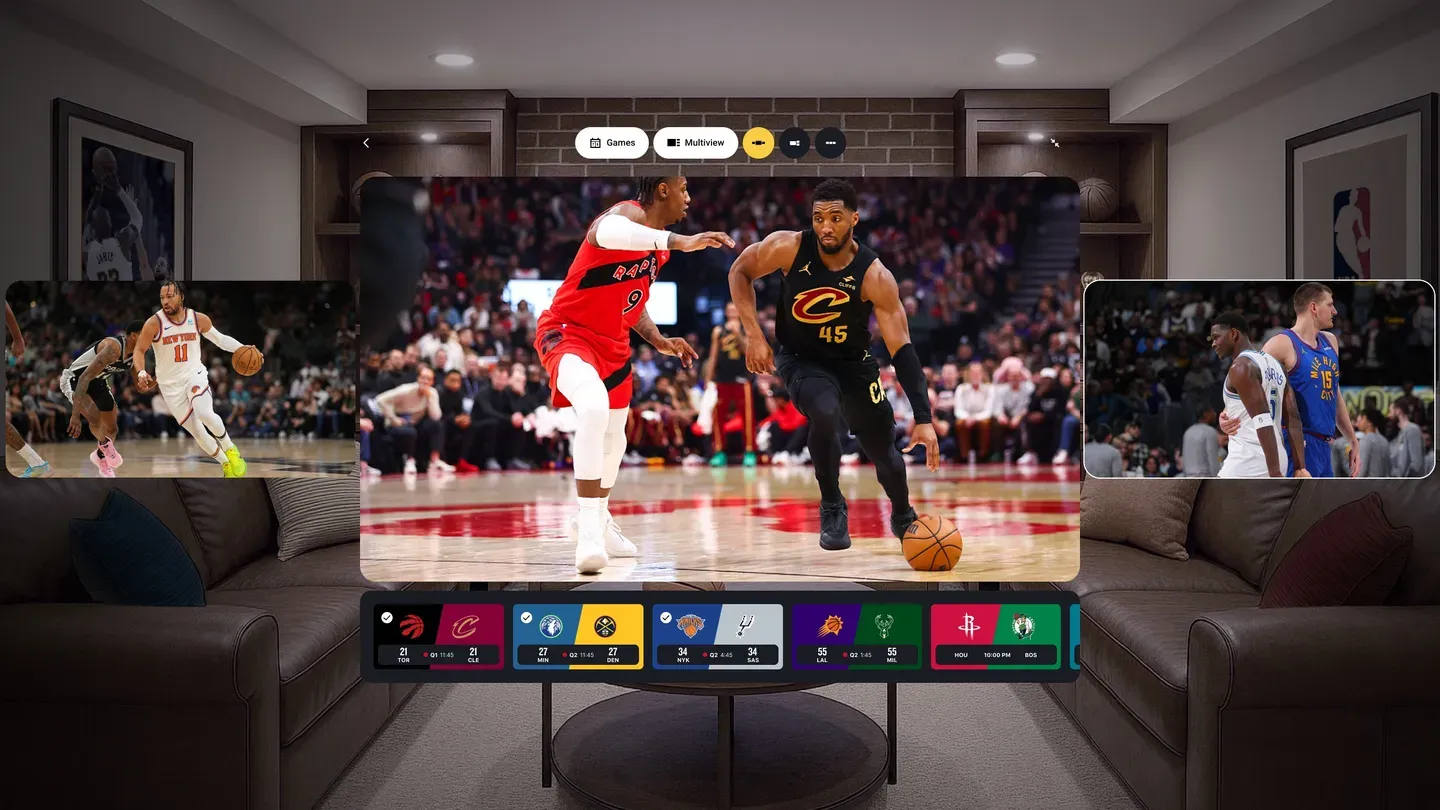
- Meta VR Layout SDK Requirements: Fully supported on Horizon OS 2.7 and later. On earlier system versions, it safely falls back to standard non-spatial behavior, preserving the primary application window while applying developer-configured fallbacks for spatial components.
- App Adoption: Early platforms like the NBA app and upcoming iterations of the Disney+ app leverage these SDKs to manage complex multi-window workflows.
- Disney+ Feature Parity: The upcoming November 2026 update brings Meta Quest and future Horizon OS hardware up to speed with the Apple Vision Pro ecosystem, introducing dedicated 3D movie streaming and custom environmental screening rooms (such as alien containment rooms and stylized theaters).
- Hardware Horizon: The hardware driving these software frameworks culminates in the Spring 2027 release of the Meta VR Glasses, weighing just 100 grams, utilizing 2.4K micro-OLED screens, and running on Qualcomm’s advanced Snapdragon Reality Elite chipset.
Official Responses
Meta’s engineering and product leadership emphasized that these tools are designed to slash friction for developers transitioning from traditional mobile ecosystems to spatial platforms.
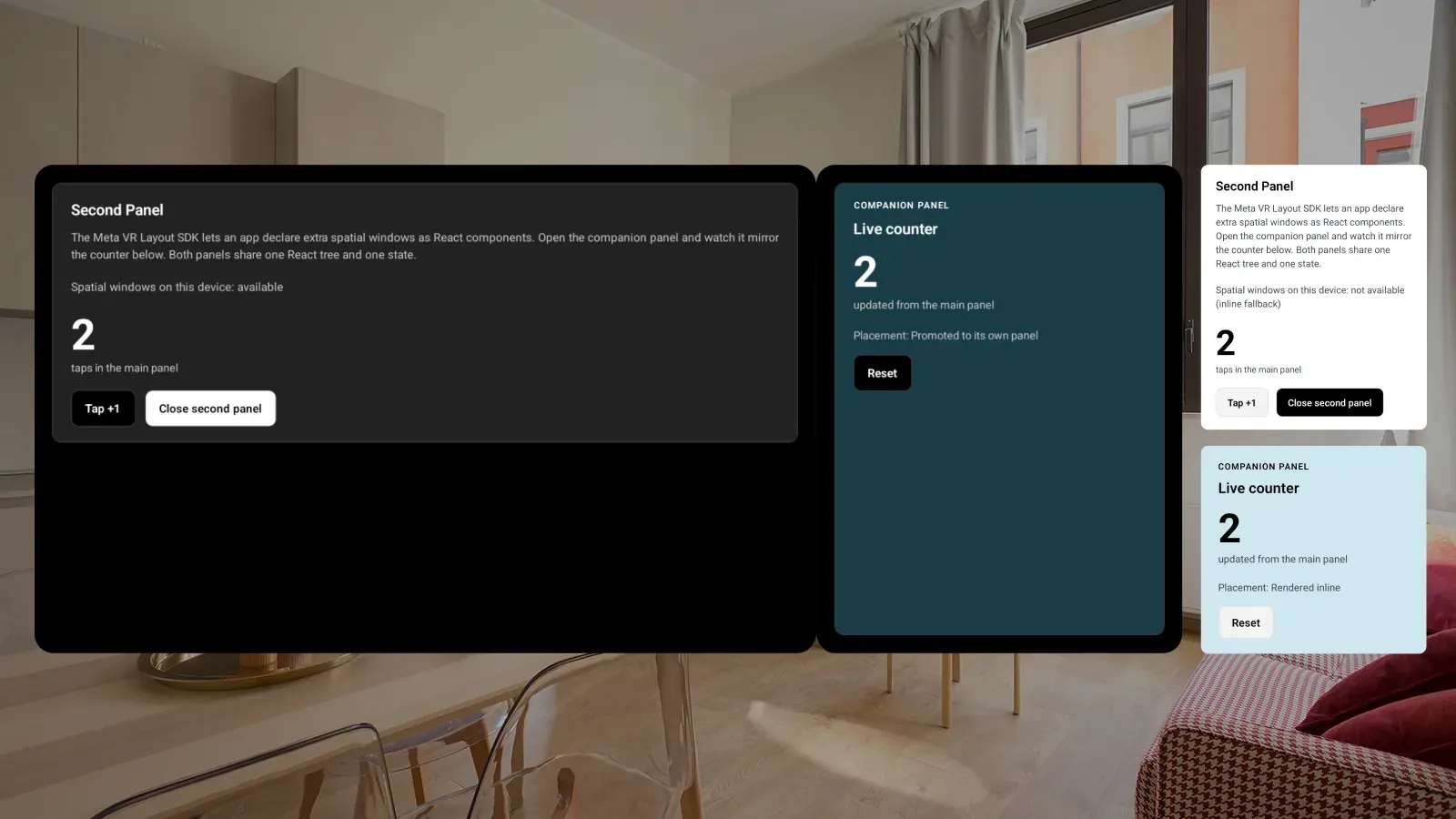
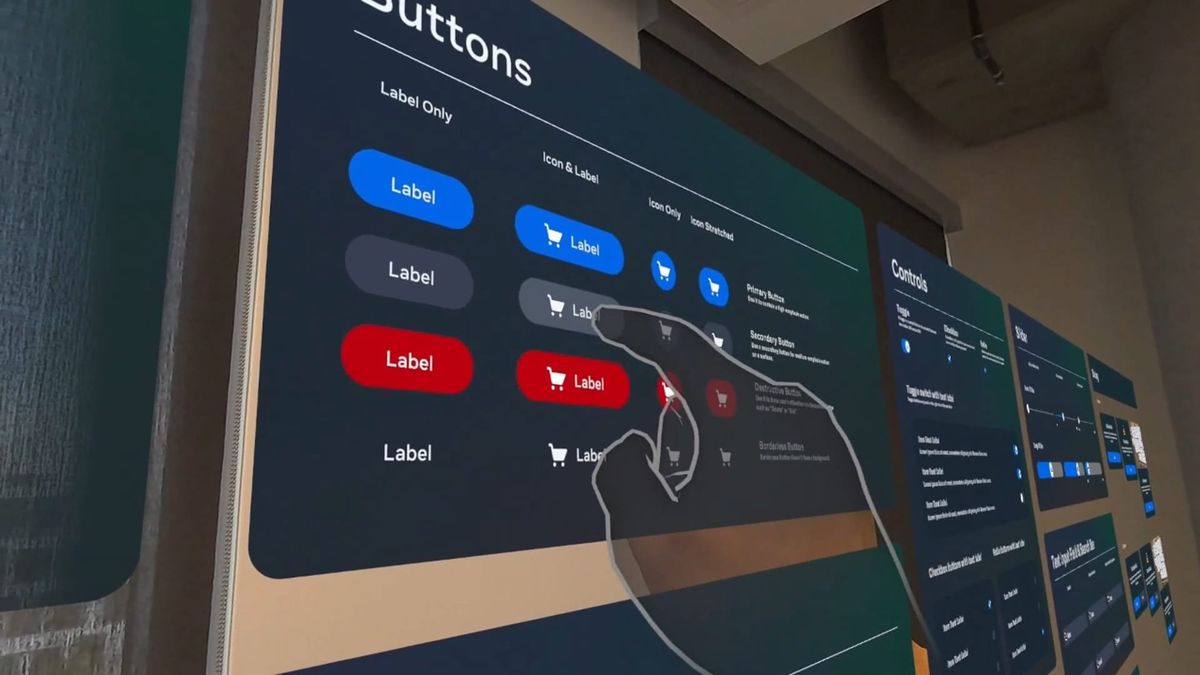
In developer documentation and guides published during Meta Connect 2026—such as “Pick your path: a developer’s guide to building for Meta VR and AI glasses” and “Bring your ideas to Meta VR Glasses”—the company highlighted that the new UI Set SDK has been specifically optimized for integration by AI coding agents. By offering semantic colors, typography, dark/light color schemes, and exact component dimensions out-of-the-box, Meta aims to accelerate production timelines for Android and web developers looking to adapt their catalogs for spatial hardware.
Furthermore, studio partners like Disney expressed enthusiasm over the maturity of Horizon OS. By taking advantage of Meta’s updated Spatial SDK and layout frameworks, Disney is able to port its high-end spatial entertainment experiences directly to Meta’s hardware ecosystem without rebuilding its underlying platform architecture from scratch.
Implications
1. A Paradigm Shift for Android Developers
The introduction of the Layout and UI Set SDKs fundamentally changes how mobile apps are built for mixed reality. By supporting Jetpack Compose and React Native natively, Meta has eliminated the steep learning curve traditionally associated with Unity or Unreal Engine development for VR. Developers can now scale existing smartphone and tablet applications into multi-window spatial canvases with minimal refactoring.

2. Closing the Gap with Apple’s visionOS
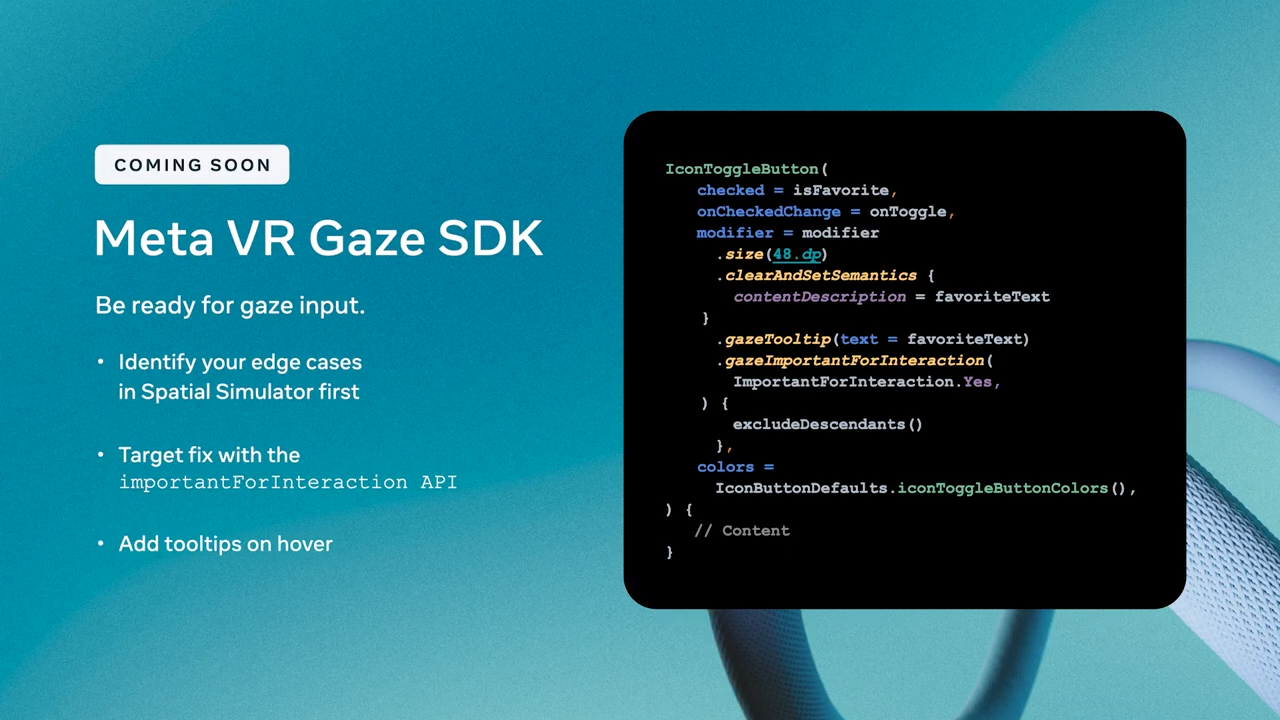
Prior to Meta Connect 2026, Apple’s visionOS held a distinct advantage in native 2D-to-spatial window management and polished media consumption apps like Disney+. By introducing window layouts reminiscent of visionOS—combined with gaze-and-pinch input enhancements via the Gaze SDK—Meta is ensuring that its upcoming hardware lineup delivers a similarly fluid productivity and entertainment experience.
3. Laying the Groundwork for the 2027 Hardware Era
These software rollouts are not happening in a vacuum. They serve as the critical infrastructure for the upcoming Meta VR Glasses, arriving in Spring 2027. By refining Horizon OS to version 2.7 and beyond, rolling out robust UI design systems, and expanding transactional video-on-demand services (movie rentals and purchases), Meta is purposefully populating its ecosystem with high-quality, native media and productivity apps ahead of its next-generation hardware launch.

