

Introduction
In the span of a single week, the landscape of modern role-playing games has been fundamentally altered. Following the sudden and dramatic closure of legendary developer BioWare—triggered by a major corporate acquisition by Saudi Arabian investment interests and subsequent structural overhauls by Electronic Arts (EA)—the sci-fi masterpiece Mass Effect has been left stranded in deep space. Mass Effect 5, long anticipated as the triumphant return of the franchise to its classic roots, has been unceremoniously canceled.
Yet, rather than fading quietly into the annals of gaming history, the community has mobilized with an intensity rarely seen in the industry. A viral petition titled "Save Mass Effect" has surged past 190,000 signatures, drawing high-profile support from the very icons who gave voice to Commander Shepard. As industry insiders leak tantalizing details of what could have been—including the canceled Mass Effect Universe project—players, creators, and investors alike are asking a singular, urgent question: Can the Normandy fly again?
Main Facts: The Fall of BioWare and the Cancellation of Mass Effect 5
The seismic shockwaves began when EA restructured its internal operations following a massive buyout involving capital from Saudi Arabia. Amid sweeping layoffs, studio closures, and shifting corporate priorities, BioWare—the crown jewel of Western RPG development, responsible for iconic franchises like Baldur’s Gate, Dragon Age, and Mass Effect—was dissolved.
With the closure of the studio came the immediate termination of Mass Effect 5, a project that had spent years in pre-production and conceptual development. The cancellation caught many within the industry off-guard, especially given the fervent global appetite for high-budget science fiction role-playing games.
The petition, now sitting just shy of 200,000 signatures, outlines the core grievance of the fanbase:
"Mass Effect holds a special place in the hearts of millions of players worldwide. Its rich and immersive sci-fi universe, with Commander Shepard leading the iconic crew aboard the Normandy, has captivated gamers for years. However, recent revelations have cast a shadow over its future. The decline in dedicated resources and ambiguous development plans from Electronic Arts (EA) threaten to leave this beloved series at a standstill, jeopardizing its incredible legacy."
Rather than demanding that EA reverse the closure of BioWare outright—a demand industry analysts view as practically impossible given current corporate realities—the petition takes a pragmatic approach. It calls on EA to either commit adequate funding, staffing, and time to develop future entries in-house or, alternatively, to license the intellectual property (IP) to an external studio equipped with the passion and financial backing to honor the franchise’s legacy.
Chronology: A Week That Shook the Sci-Fi RPG Universe
To understand the rapid escalation of the "Save Mass Effect" movement, one must trace the dizzying sequence of events that unfolded over just seven days:
- Day 1 (The Announcement): EA announces the closure of BioWare and the formal cancellation of Mass Effect 5, citing a shift in strategic publishing goals following the Saudi Arabian acquisition.
- Day 2 (Community Mobilization): Within hours of the news breaking, grassroots community organizers launch the "Save Mass Effect" petition on Change.org, demanding either continued investment from EA or a licensing agreement to protect the franchise.
- Day 3 (The Leaks Begin): Disgruntled former employees and industry insiders begin leaking details of a secondary project, tentatively referred to as Mass Effect Universe. Reports reveal that the game was slated to feature "Hitman-style freedom" and a tense "galactic Cold War" narrative, complete with a fully rendered trailer that was allegedly ready for public release before the studio doors were locked.
- Day 4 (Surge in Support): The petition crosses the 100,000-signature milestone as major gaming outlets pick up the story. Speculation runs rampant across Reddit, ResetEra, and social media platforms regarding the legal and financial viability of crowd-funding a studio revival.
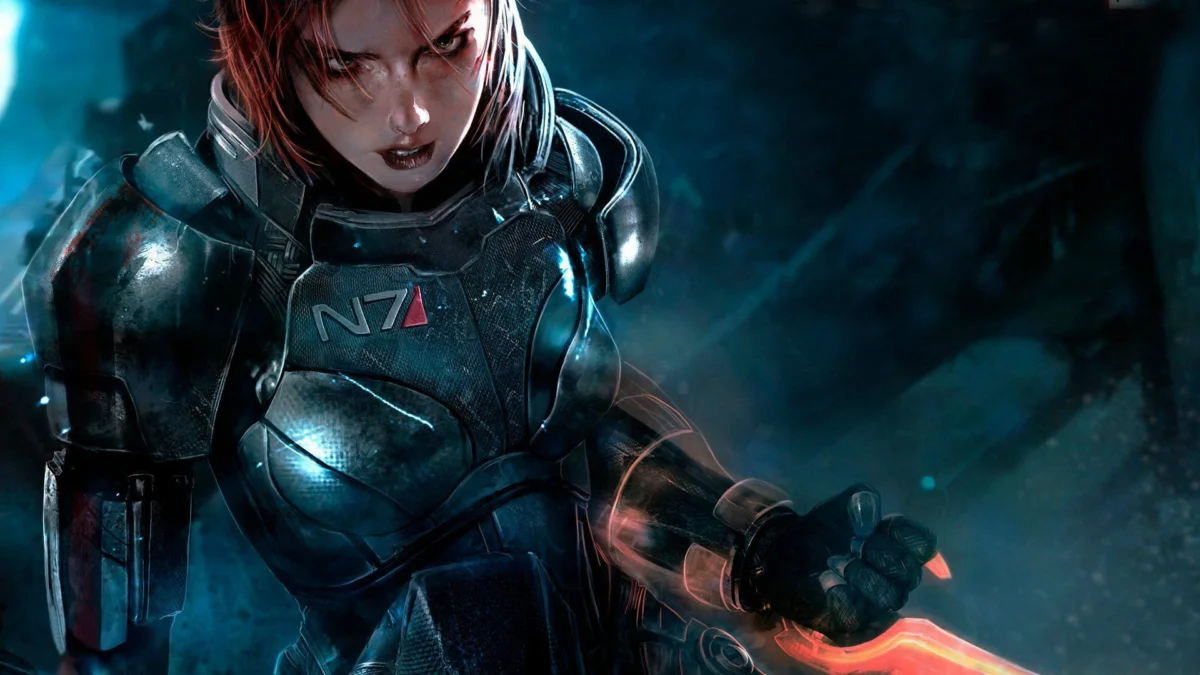
- Day 5 (The Voice of the Commander Speaks): Jennifer Hale, the celebrated voice of female Commander Shepard ("FemShep"), takes to social media to publicly explore the possibility of a collaborative model involving fan funding, independent studios, and external investors.
- Day 6 (Mark Meer Joins the Call): Co-star Mark Meer (male Commander Shepard) releases a rallying cry video, echoing the iconic in-universe military command to "Hold the Line" and urging fans to sign the petition.
- Day 7 (Current Status): The petition approaches the 200,000-signature mark, while the gaming community waits with bated breath for any official statement from EA regarding the future licensing or monetization of the dormant IP.
Supporting Data and Behind-the-Scenes Revelations
The emotional weight of the petition is matched only by the sheer volume of lost potential revealed in the wake of BioWare’s shutdown. According to insider reports surfacing over the past week, Mass Effect Universe was shaping up to be a radical departure from the linear, squad-based mechanics of past entries while retaining the rich lore fans adored.
Key details emerging from the leaks include:
- Gameplay Innovations: Sources indicate the canceled project would have introduced "Hitman-style freedom," allowing players to approach complex tactical objectives, assassinations, and diplomatic missions with unprecedented sandbox autonomy.
- Setting the Stage: The narrative was set during a tense "galactic Cold War," exploring political friction and espionage across alien star systems rather than relying solely on an all-consuming, galaxy-ending apocalyptic threat like the Reapers.
- Marketing Readiness: Perhaps most painfully for the fanbase, an anonymous employee leak confirmed that a fully polished reveal trailer was sitting in the vaults, completely finished and ready to be deployed at a major gaming showcase before the studio was shuttered.
Financially, the petition’s dual-pronged solution highlights a viable economic roadmap for major publishers holding dormant IPs. By either budgeting a dedicated mid-tier-to-AAA team or partnering with external developers through lucrative royalty-licensing agreements, EA could capitalize on a built-in audience of millions without absorbing the operational overhead of maintaining a massive studio like BioWare.
Official Responses: Jennifer Hale and Mark Meer "Hold the Line"
The most compelling development in the campaign has been the active participation of the franchise’s core creative pillars. Voice actors Jennifer Hale and Mark Meer—who defined the emotional core of the Mass Effect trilogy for over a decade—have stepped outside the traditional boundaries of voice-acting contractors to become advocates for the community.
Jennifer Hale posted a visionary statement addressing the potential for alternative industry models:
"I want to think about a world in which a fan Kickstarter campaign, a game studio, and a group of investors could work together to restore the series."
While legal and copyright hurdles make a direct crowd-funded buyout of a multi-billion-dollar IP like Mass Effect a mountainous challenge, Hale’s willingness to entertain alternative funding structures points to a growing desire among talent to see corporate gatekeeping bypassed when valuable art is threatened.
Shortly after, Mark Meer released an impassioned video message directed squarely at the fanbase. Sporting a thematic tone that blended his real-world persona with the resolute authority of Commander Shepard, Meer urged supporters to "hold the line," echoing the iconic rallying cry from Mass Effect 3. He formally endorsed the petition, turning what started as a standard fan protest into a unified movement backed by the franchise’s primary cultural ambassadors.
Implications: What This Means for the Future of AAA Gaming and Corporate IP Management
The closure of BioWare and the uprising surrounding Mass Effect represent a critical inflection point for the video game industry at large. Several broader implications emerge from this corporate tragedy:
1. The Perils of Mega-Acquisitions
As massive conglomerates and sovereign wealth funds continue to buy up legacy publishers, creative autonomy is frequently sacrificed at the altar of quarterly balance sheets. The dissolution of BioWare proves that no studio—no matter how storied or critically acclaimed—is immune to sudden corporate liquidation.
2. The Power of Fan-Driven Preservation
The rapid accumulation of nearly 200,000 signatures demonstrates that gaming communities view interactive entertainment not merely as disposable consumer products, but as cultural artifacts worthy of active preservation. Publishers can no longer quietly bury beloved universes without facing fierce, organized public relations blowback.
3. The Viability of IP Licensing Out
If EA chooses to ignore the petition, it risks alienating one of the most loyal fanbases in entertainment history. However, should EA opt for the petition’s alternative suggestion—licensing the Mass Effect IP to a hungry, qualified external developer (akin to how Sony or Microsoft occasionally outsource or license dormant brands)—it could establish a new precedent for corporate IP stewardship.
Conclusion
The fate of Commander Shepard, the Normandy crew, and the vast Milky Way galaxy now hangs in a delicate balance. While Electronic Arts has yet to issue a formal response to the petition or the massive outpouring of grief and anger from the community, the message from the ground level is deafeningly clear. Backed by Jennifer Hale, Mark Meer, and hundreds of thousands of devoted players around the globe, the Mass Effect community refuses to go gently into the void. They are holding the line—and they expect the industry to do the same.

