

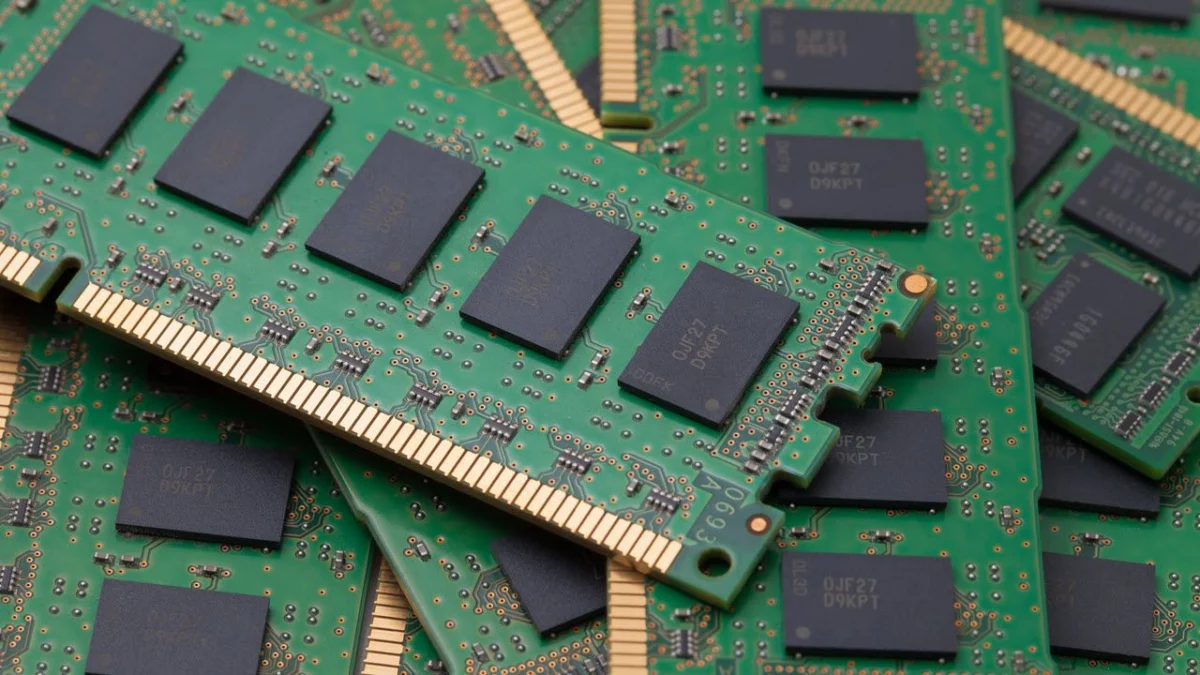
Taipei, Taiwan – The relentless upward trajectory of memory prices, a defining feature of the tech market in recent quarters, is set to continue through the third quarter of 2026. However, a significant shift is on the horizon: the blistering pace of these increases is projected to cool considerably. A comprehensive report from leading market research firm TrendForce indicates that while prices for both DRAM and NAND Flash will still climb, the primary driver for this moderation is not an improvement in supply, but rather a crucial inflection point in consumer affordability. The burgeoning demand from artificial intelligence (AI) continues to reshape the landscape, creating a starkly bifurcated market where enterprise and consumer segments face vastly different realities.
According to TrendForce’s latest memory pricing survey, conventional DRAM contract prices are expected to rise by 13% to 18% quarter-over-quarter (QoQ) in Q3 2026. Similarly, NAND Flash contract prices are projected to increase by 10% to 15% during the same period. While these represent substantial gains, they mark a pronounced slowdown from the dizzying approximately 60% jumps recorded in the preceding second quarter. This moderation signals a critical turning point for the industry, as consumer electronics manufacturers find themselves increasingly unwilling, and indeed unable, to absorb the escalating costs that have defined the market for months. Memory remains in short supply, but the capacity of the end-user to bear ever-higher prices has seemingly reached its zenith.
The Unyielding Ascent: A Chronology of Price Hikes
The memory market has experienced a dramatic turnaround over the past year, transitioning from a period of oversupply and depressed prices to one characterized by acute scarcity and soaring costs. Following a downturn that saw many manufacturers grapple with excess inventory and weakened demand in late 2022 and early 2023, the market began its sharp rebound. This initial recovery was fueled by a combination of factors, including inventory adjustments, a resurgence in demand following pandemic-related disruptions, and crucially, the burgeoning requirements of the burgeoning AI sector.
Throughout late 2023 and into the first half of 2026, memory prices, particularly for high-bandwidth memory (HBM) and enterprise-grade DRAM, surged with unprecedented intensity. Quarter after quarter, contract prices climbed, sometimes by double-digit percentages, putting immense pressure on manufacturers across the electronics supply chain. Consumer electronics companies, from PC builders to smartphone makers, found themselves in a difficult position, forced to either absorb these higher costs, pass them on to consumers, or face eroded profit margins. The second quarter of 2026, in particular, saw an almost unprecedented acceleration, with some memory types experiencing price increases of around 60%. This period of "blistering increases" was largely a seller’s market, where demand, especially from the burgeoning AI and data center sectors, far outstripped available supply.
However, this relentless upward trajectory could not be sustained indefinitely in all segments. While the enterprise sector continued to exhibit robust demand, the consumer market began to show signs of strain. The consistent "months of relentless price increases" started to feed through into retail pricing for everything from laptops to solid-state drives, pushing these products closer to, or even beyond, what average consumers were willing or able to pay. This cumulative effect has now brought the market to a point where, despite persistent supply constraints, the rate of price escalation is being tempered by the sheer economics of consumer purchasing power, marking a significant psychological and financial threshold for the industry.
Diverging Destinies: Supporting Data and Market Dynamics
The TrendForce report meticulously dissects the complex interplay of factors contributing to the current market dynamics, highlighting a fundamental schism between the enterprise and consumer segments.
The AI Imperative: Reshaping Production Priorities
At the heart of the ongoing memory crunch is the insatiable demand for artificial intelligence capabilities. The proliferation of AI inference systems and the rapid expansion of hyperscale data centers require vast quantities of high-performance memory. This demand acts as the primary market driver, effectively keeping both DRAM and NAND Flash supply constrained globally. Memory manufacturers, driven by clear economic incentives, have strategically responded to this shift. They are increasingly reallocating their production capacity towards higher-margin server products, such as HBM (High Bandwidth Memory) and Registered DIMMs (RDIMMs), which are critical components for AI servers and advanced data centers. This strategic pivot, while profitable for manufacturers, inevitably "leaves less capacity available for consumer memory," thereby preventing prices from falling even as demand from traditional PC and smartphone markets experiences fluctuations.
Enterprise Resilience: Sustained Growth and Strategic Agreements
In stark contrast to the consumer segment, the enterprise market continues to paint a picture of robust health and sustained growth. TrendForce anticipates that demand from the server sector will remain strong through 2027. This enduring strength is underpinned by several factors, including improving CPU availability, which supports the continued deployment of advanced AI servers built around x86 processors and RDIMMs. These servers are the backbone of modern cloud infrastructure and AI computational power, making their memory requirements non-negotiable.
While server DRAM is still expected to remain undersupplied during the third quarter of 2026, the report projects that price increases in this segment should moderate. A key reason for this moderation is that a significant portion of enterprise purchases is covered by long-term supply agreements. These agreements provide stability for both suppliers and large enterprise customers, allowing for more predictable pricing and mitigating the impact of spot market volatility. This strategic foresight by hyperscale data center operators and large corporations provides a buffer against the steepest price hikes seen in other market areas.
Consumer’s Breaking Point: Pricing Pressures and Softening Demand
The consumer market, encompassing PCs and smartphones, presents a very different narrative. Notebook manufacturers, for instance, are expected to continue replenishing their inventories. However, the cumulative effect of higher memory costs is "gradually feeding through into retail pricing," a trend that TrendForce believes could significantly weigh on PC shipments for the remainder of the year. Consumers, facing general economic pressures, are becoming more sensitive to price increases, potentially deferring purchases or opting for lower-spec devices.
Smartphone vendors face similar, if not intensified, pressures. Many are expected to raise handset prices to offset the persistently high costs of LPDRAM (low-power DRAM), which is essential for mobile devices. Concurrently, these vendors are becoming more cautious with their production plans as consumer demand for smartphones shows signs of softening globally. This delicate balance between maintaining profitability and stimulating demand poses a significant challenge for the mobile device industry.
The pattern extends to storage products as well. PC manufacturers accumulated substantial client SSD inventories during the first half of 2026, which has subsequently reduced their willingness to accept another round of significant price increases for storage components. In response, suppliers have adopted "a more flexible approach during contract negotiations," helping to moderate SSD pricing in the consumer space. This contrasts sharply with the enterprise storage segment, which continues to benefit robustly from ongoing AI infrastructure spending, where performance and capacity often outweigh immediate cost considerations.
Niche Market Variations: Mixed Signals
Not every memory segment is experiencing the same level of demand or pricing pressure. TrendForce notes that the highly anticipated NVIDIA RTX PRO 6000 Blackwell, a professional-grade GPU, has yet to generate the expected wave of GDDR7 demand. This could be due to a slower-than-anticipated adoption curve for the new technology or other market factors. Furthermore, weaker notebook shipments have also contributed to a softening in demand for general graphics memory, indicating that the overall PC market slump is having ripple effects beyond core system memory. At the opposite end of the market spectrum, retail products such as USB flash drives and memory cards remain sluggish. In this highly price-sensitive segment, higher upstream memory costs are becoming "increasingly difficult to pass on to consumers," leading to suppressed sales volumes and tighter margins for manufacturers and retailers alike.
Industry Voices and Strategic Responses
While the TrendForce report provides a market-wide analysis rather than direct quotes from individual companies, it implicitly details the strategic responses of key players within the memory ecosystem.
Memory Manufacturers’ Prioritization: The primary "official response" from memory manufacturers, such as Samsung, SK Hynix, and Micron, has been a clear and decisive shift in production priorities. Faced with robust demand for high-margin AI-centric memory products like HBM and RDIMMs, they have strategically reallocated significant portions of their fab capacity. This is a sound economic decision, allowing them to maximize profitability in a high-demand, high-value segment. The ongoing investments in advanced packaging technologies for HBM further underscore this commitment. While this strategy helps their bottom line, it inherently exacerbates the supply shortage for commodity consumer-grade memory.
Consumer Electronics Manufacturers’ Dilemma: On the other hand, consumer electronics manufacturers—including PC brands like Dell, HP, and Lenovo, and smartphone giants like Apple and Samsung (for their handset divisions)—are effectively responding to the market’s constraints with a mix of absorption, passing on costs, and strategic caution. Their "unwillingness and inability to absorb higher memory costs" is driving decisions to either raise retail prices for their finished products, potentially impacting sales volumes, or to adopt more conservative production plans in anticipation of softening consumer demand. For instance, the report notes that smartphone vendors are expected to "raise handset prices to offset persistently high LPDRAM costs while simultaneously becoming more cautious with production plans." This highlights a delicate balancing act between maintaining profitability and retaining market share in a price-sensitive environment.
TrendForce’s Role as a Bellwether: TrendForce itself acts as a critical voice in the industry, providing invaluable market intelligence. Its detailed surveys and projections serve as an "official response" to market conditions, guiding strategic planning for countless companies. The firm’s consistent reporting on the split between enterprise and consumer markets, and its detailed analysis of demand drivers like AI, are crucial for investors, manufacturers, and policy-makers alike. By identifying the consumer "breaking point" and the moderating pace of price increases, TrendForce offers a nuanced perspective that helps the industry prepare for the evolving market landscape. The flexibility observed in SSD contract negotiations also points to a supplier response aimed at maintaining sales volume in segments where demand is more elastic, showcasing an adaptive strategy to market conditions.
Future Trajectories and Broader Implications
The detailed analysis from TrendForce paints a complex picture for the future of the memory market, with significant implications for consumers, the tech industry, and the broader economy.
For PC Builders and Consumers: A Lingering Chill
For PC builders and general consumers, the report delivers a sobering message: meaningful price relief for memory components remains "still some way off." While the "blistering increases" are moderating, prices are unequivocally continuing to rise. This means that the cost of upgrading or building new PCs, as well as purchasing new smartphones and other consumer electronics, will likely remain elevated for the foreseeable future, at least through Q3 2026. The "breaking point" of consumer demand, while slowing price increases, does not translate to immediate affordability. This could lead to extended product refresh cycles, a greater emphasis on budget-friendly options, or even a temporary stagnation in certain consumer tech segments as individuals defer purchases. The widening cost gap between enterprise and consumer-grade memory may also see a divergence in product offerings, with high-performance consumer devices becoming increasingly premium.
For the Tech Industry: AI’s Enduring Gravitational Pull
The overarching implication for the tech industry is the sustained and undeniable dominance of AI as the primary market driver. The "AI infrastructure remains the industry’s top priority," dictating manufacturing capacities, R&D investments, and market strategies. This gravitational pull of AI will likely continue to reshape the entire semiconductor landscape, encouraging further specialization in high-performance computing components. The widening gap between enterprise and consumer technology costs and availability underscores a strategic pivot within the industry, where profitability is increasingly concentrated in specialized, high-demand enterprise solutions. This could lead to a two-tiered innovation ecosystem, with breakthroughs in AI hardware accelerating rapidly while consumer-focused memory innovations might proceed at a more measured pace, or prioritize cost-efficiency over bleeding-edge performance. The strategic importance of long-term supply agreements for enterprise clients will also likely grow, becoming a key competitive advantage in securing stable component supplies.
Economic Outlook and Market Evolution
From an economic perspective, the memory market’s trajectory has broader ramifications. The continued price increases, even if moderated, contribute to inflationary pressures within the electronics sector, potentially impacting overall consumer spending on technology. The caution observed among smartphone vendors and the potential slowdown in PC shipments could dampen growth forecasts for these segments. However, the robust demand from the AI and data center sectors offers a powerful counter-balance, indicating strong investment in foundational digital infrastructure.
The current market environment fosters a delicate balance for manufacturers. They must navigate between maximizing profitability in high-margin enterprise segments and maintaining market share and brand loyalty in the more price-sensitive consumer segments. This could lead to diversified product portfolios, strategic partnerships, and potentially, renewed efforts in optimizing manufacturing processes or exploring alternative memory technologies to address long-term supply constraints.
In conclusion, the memory market is entering a nuanced phase. While the era of explosive, across-the-board price hikes may be tempering, the underlying structural issues of constrained supply and overwhelming AI demand persist. The market’s bifurcation, driven by consumer affordability limits on one side and enterprise necessity on the other, will define its evolution through 2026 and beyond, presenting both challenges and strategic opportunities for all stakeholders.

