

By the Gaming Desk
Published: October 2023
Main Facts: The Dawn of ‘Reality Fracture’
Wizards of the Coast has once again upended the sprawling, multi-decade narrative of Magic: The Gathering (MTG). Following a three-year narrative buildup that began with the Wilds of Eldraine expansion, the card game’s core storyline has reached a dizzying, comic-book-style crossover event. At the heart of this multiversal upheaval is the infamous planeswalker Jace Beleren, whose desperate bid to forge a pristine, threat-free reality—one purged of perennial apocalyptic plagues like the Phyrexians and the Eldrazi—threatens to completely overwrite the existing multiverse.
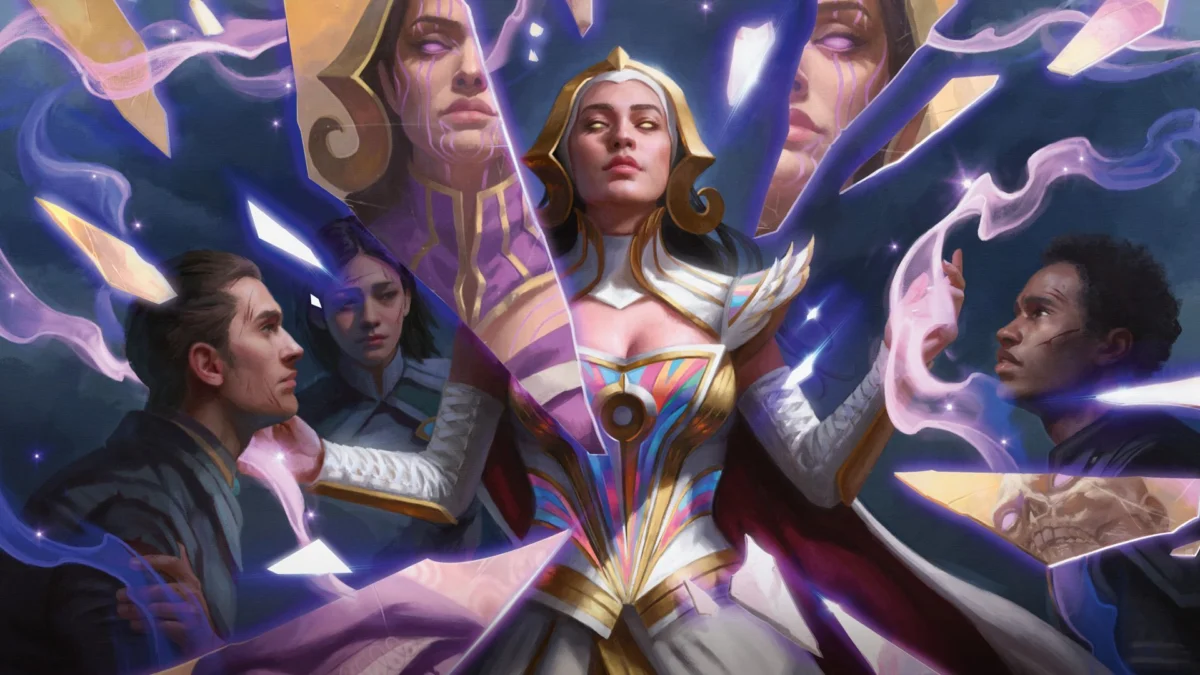
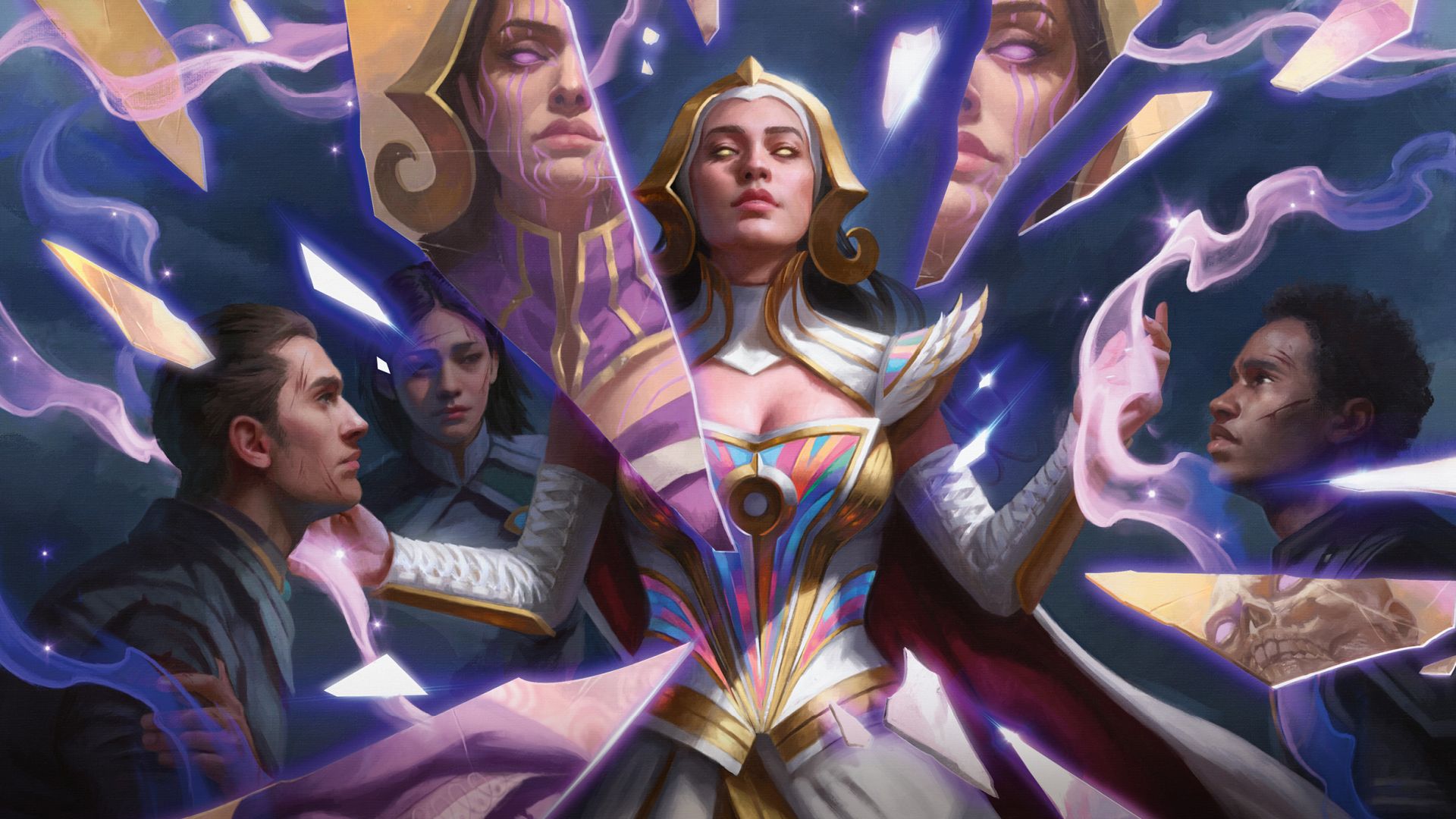
This reality-warping ambition has manifested physically in the upcoming expansion, aptly titled Reality Fracture. The set plunges the game’s iconic characters into mirror matches against their own alternate-timeline doppelgangers. Fans will witness iconic rivalries turned inward: the pyromantic champion Chandra locked in ideological and elemental combat against a sub-zero, cryomantic variant of herself, while the unapologetically gothic necromancer Liliana Vess confronts a horrifyingly pristine, life-magic-practicing version of herself who uncharacteristically wears pristine white.
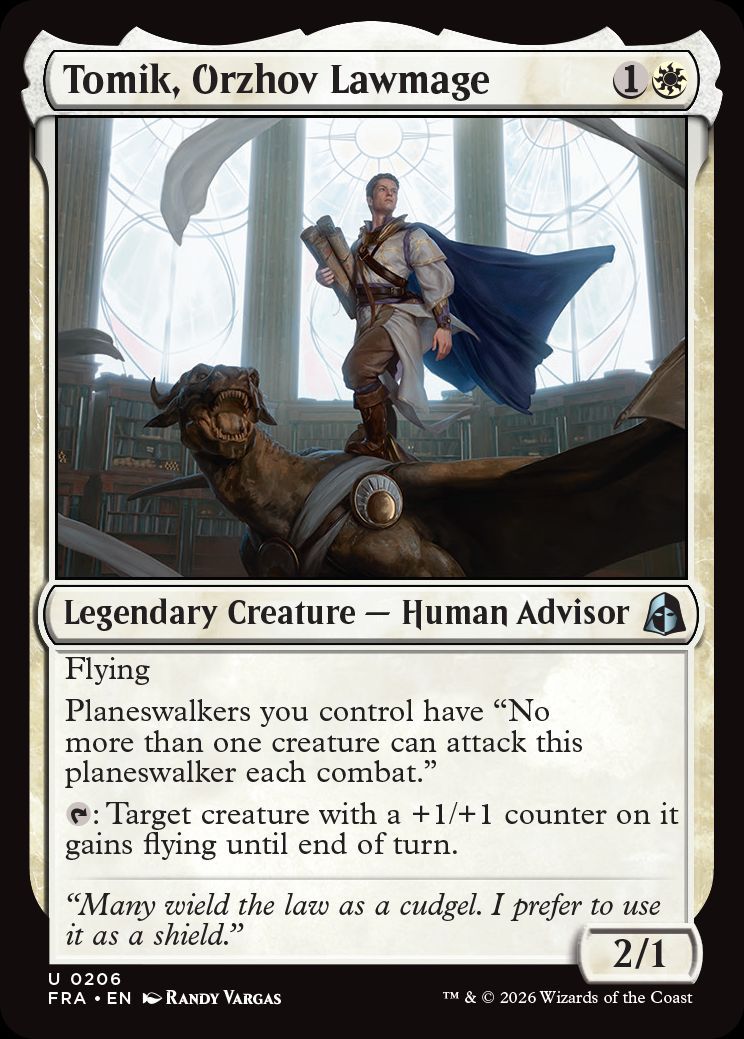
However, Wizards of the Coast recognized a fundamental hurdle facing modern TCG (Trading Card Game) expansions: lore fatigue. While hardcore players who devour tie-in novels and digital fiction will instantly recognize the nuances of these alternate realities, casual players might miss the emotional weight. To bridge this gap, Reality Fracture introduces a brilliant packaging innovation: echoed pairs. Opening booster packs will strategically bundle competing variants of characters—such as two versions of the Orzhov Syndicate legal loophole-master Tomik Vrona—allowing players to immediately grasp the stark narrative and mechanical contrasts without needing a degree in MTG lore.
- Digital Arena Release: September 29
- Global Tabletop Release: October 2
- Pre-release Events: September 25
Chronology: How the Multiverse Broke
To understand how Magic: The Gathering arrived at the doorstep of Reality Fracture, one must trace the breadcrumbs left across the last several years of standard-legal set releases. The current storyline represents the most ambitious serialized narrative arc Wizards of the Coast has attempted since the classic Weatherlight saga of the late 1990s and early 2000s.
1. The Seeds of Discord (2023–2024)
Beginning with Wilds of Eldraine, the overarching narrative hinted at structural weaknesses within the fabric of the multiverse. The devastating incursions of the mechanical Phyrexians left scars across multiple planes. Planeswalkers lost their sparks, heroes died, and the multiverse was left spiritually and physically fragile. Characters like Jace Beleren—traumatized by relentless existential threats and profound personal loss—began searching for radical, permanent solutions rather than temporary victories.
2. The Escalation and the Break (Early–Mid 2025)
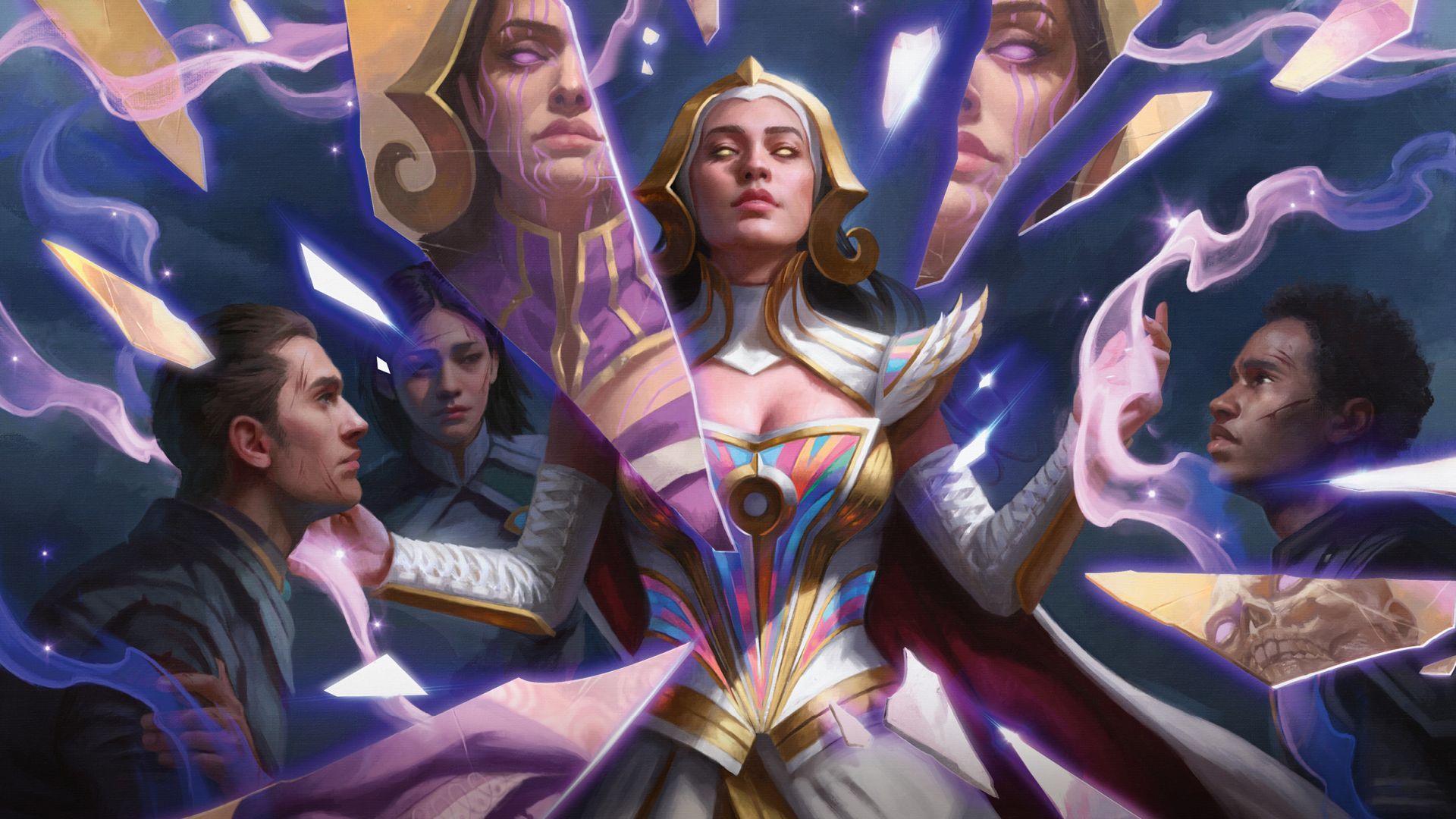
As subsequent expansions rolled out, Jace’s underground machinations grew bolder. Eschewing the council of the Gatewatch and alienating his closest allies, he sought out primordial mana structures capable of reshaping ontological boundaries. Rumors within the community—fueled by flavor text and promotional web fiction—pointed toward a catastrophic ritual designed to collapse divergent timelines into a single, controlled iteration. Instead of a controlled fusion, however, the ritual resulted in a catastrophic rupture: the Reality Fracture.
3. The Mirror Convergence (Late 2025)
Now, as the multiverse shatters, timelines bleed into one another. Characters are forced to look into literal and figurative looking glasses, confronting what they could have been under different historical conditions. This narrative convergence serves as the backdrop for the Reality Fracture set, blending high-stakes cosmic drama with clever mechanical designs that mirror these thematic fractures on the tabletop.
Supporting Data: Understanding the Set Mechanics and Design
The brilliance of Reality Fracture lies not just in its narrative ambition, but in how its design team translates metaphysical doppelgangers into compelling gameplay. MTG has long experimented with parallel cards, but never with such systematic, deliberate pairing.
The Anatomy of an Echoed Pair
Historically, encountering alternate versions of characters required collecting cards across entirely separate sets—sometimes separated by years of real-world time. Reality Fracture streamlines this by restructuring booster collation.
- The Collation Logic: Factory algorithms have been adjusted to ensure that when a player cracks a booster pack, related alternate-reality pairings—such as Tomik Vrona the legalistic mob accountant versus Tomik the reality-breaking sparkmage—frequently appear in close proximity or tandem.
- Mechanical Inversion: Just as the lore presents narrative opposites (e.g., a death mage forced to wield white-aligned life magic), the cards themselves mechanically invert traditional color pies and archetypes. A character known for aggressive red burn spells may find their alternate self operating as a defensive, control-oriented blue or white spellcaster.
Accessibility vs. Lore Depth
Market research conducted by Wizards of the Coast indicates that a significant percentage of MTG’s player base engages with the game primarily through Commander nights, Draft formats, or casual kitchen-table play, bypassing the official fiction entirely.
| Player Demographic | Engagement Style | Impact of Echoed Pairs |
|---|---|---|
| Lore Enthusiasts | Reads all web fiction, follows continuity closely. | Deepens appreciation for nuanced alternate-timeline divergences. |
| Draft & Sealed Players | Focuses on limited-format synergies and card values. | Provides immediate visual and mechanical context for drafting thematic archetypes. |
| Kitchen-Table / Casual | Treats MTG as a social gathering activity. | Serves as an instant conversation starter and joke generator around the table. |
By packaging these characters together, the design team successfully bridges the gap between deep-lore aficionados and casual social players, ensuring that the emotional resonance of a "mirror match" translates to anyone holding the cardboard.
Official Responses and Developer Insights
Wizards of the Coast designers and tabletop leads have been vocal about the logistical and creative hurdles overcome during the development of Reality Fracture.
Speaking on the challenges of multiversal storytelling, lead set designers emphasized that the primary goal was avoiding "lore gatekeeping." One developer noted: "We didn’t want a scenario where a player opens a pack, looks at a radically different version of a beloved character, and feels alienated because they didn’t read a three-part web fiction article published on a Tuesday morning. The card should tell its own story the second you look at it."
The decision to feature physical pairings within booster packs required unprecedented coordination between the creative writing department and the print-facility logistics teams. Traditional collation randomizes card distribution entirely to preserve draft integrity and secondary-market rarity distribution. Modifying these parameters to favor thematic pairings without compromising the limited draft experience required months of algorithmic testing.
Furthermore, community response following the initial spoiler season has been overwhelmingly positive. Content creators and veteran players have praised Wizards for leaning into the "comic book crossover" aesthetic without taking themselves too seriously, allowing for fun, high-concept character tropes—like goth necromancers forced into healing roles—to shine through both art direction and rules text.
Implications: What Reality Fracture Means for the Future of MTG
The release of Reality Fracture on September 29 (Arena) and October 2 (Global Tabletop) marks a watershed moment for Magic: The Gathering, carrying profound implications for both the game’s ongoing narrative and its product design philosophy.
1. A Blueprint for Future Narrative Crossovers
For years, MTG’s macro-story suffered from pacing issues, often rushing monumental events (such as the Phyrexian invasion in March of the Machine) into compressed release windows. The three-year runway leading to Reality Fracture proves that Wizards is willing to invest long-term developmental capital into serialized storytelling. The success of the "echoed pair" gimmick will likely serve as a blueprint for how future multiverse-spanning conflicts are marketed and packaged.
2. Shifting Paradigms in Product Presentation
By directly addressing the friction between hardcore lore and casual play, Wizards has signaled a mature understanding of its diverse consumer base. Future sets may increasingly rely on visual packaging and collation tricks to tell cohesive stories directly through the cards themselves, reducing reliance on external media consumption.
3. The Endgame for Jace Beleren
Perhaps the most significant implication rests on the fate of Jace Beleren. By setting in motion a reality-rewriting cataclysm, the narrative has painted one of its most recognizable protagonists into a corner. Whether Reality Fracture will conclude with a restored, unified multiverse or a permanent, fractured status quo remains the burning question on the minds of fans worldwide.
As pre-release events kick off on September 25, players across the globe will gather not just to sling spells and optimize mana curves, but to bear witness to a multiverse tearing at the seams—one paired booster pack at a time.

