

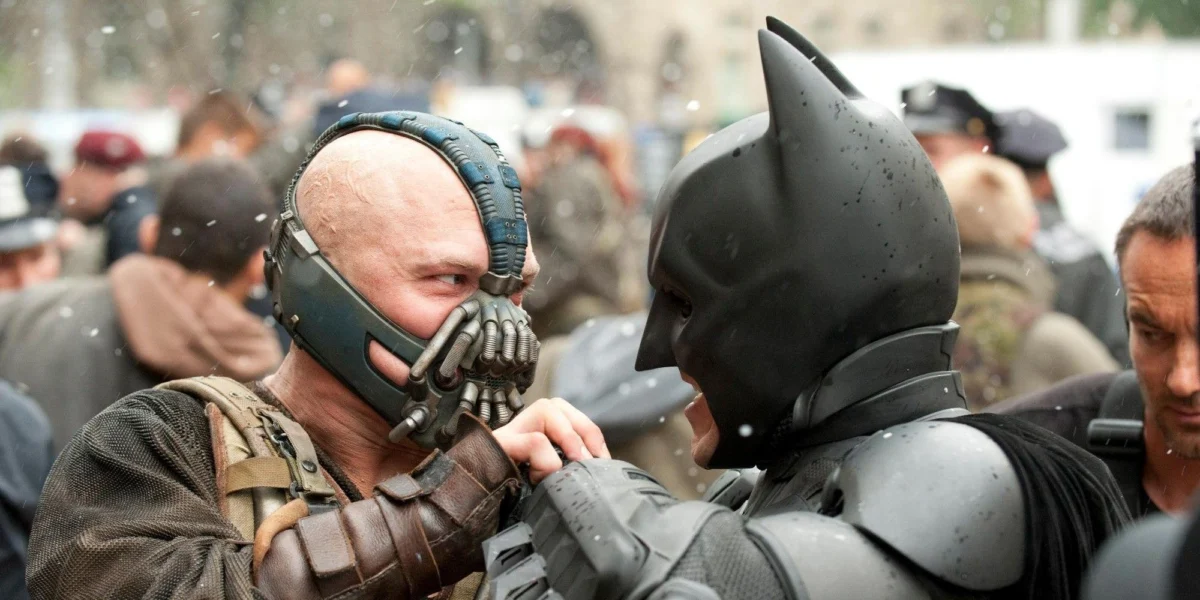
For decades, the cinematic legacy of Bane has been defined by polarized extremes. From the rubber-suit caricature in Joel Schumacher’s 1997 Batman & Robin to the tactical, yet ultimately sidelined, iteration in Christopher Nolan’s The Dark Knight Rises, the character has frequently struggled to find a foothold on the big screen that matches his towering presence in DC Comics.
However, a new paradigm has arrived. Premiering to critical acclaim at the Annecy International Animation Film Festival, Batman: Knightfall — Part 1 is not merely an adaptation; it is a corrective. By embracing an R-rated intensity and adhering strictly to the grueling, psychological warfare of the 1993-1994 comic arc, director Jeff Wamester and writer Jeremy Adams have finally delivered the definitive, terrifying version of the man who broke the Bat.
The Evolution of a Legend: From Pages to Pixels
To understand the weight of Knightfall, one must look at the landscape of the early 1990s. DC Comics, facing declining sales and a shrinking readership, looked toward bold, earth-shattering narratives to revitalize interest in their flagship characters. This era gave birth to The Death of Superman and, concurrently, Knightfall.
While Superman’s narrative introduced the brute force of Doomsday to physically dismantle the Man of Steel, Knightfall took a more calculated approach. It introduced Bane—a tactical genius born in the hellish Santa Prisca prison—whose primary goal was not just to defeat Batman, but to dismantle his spirit and his city before shattering his spine.
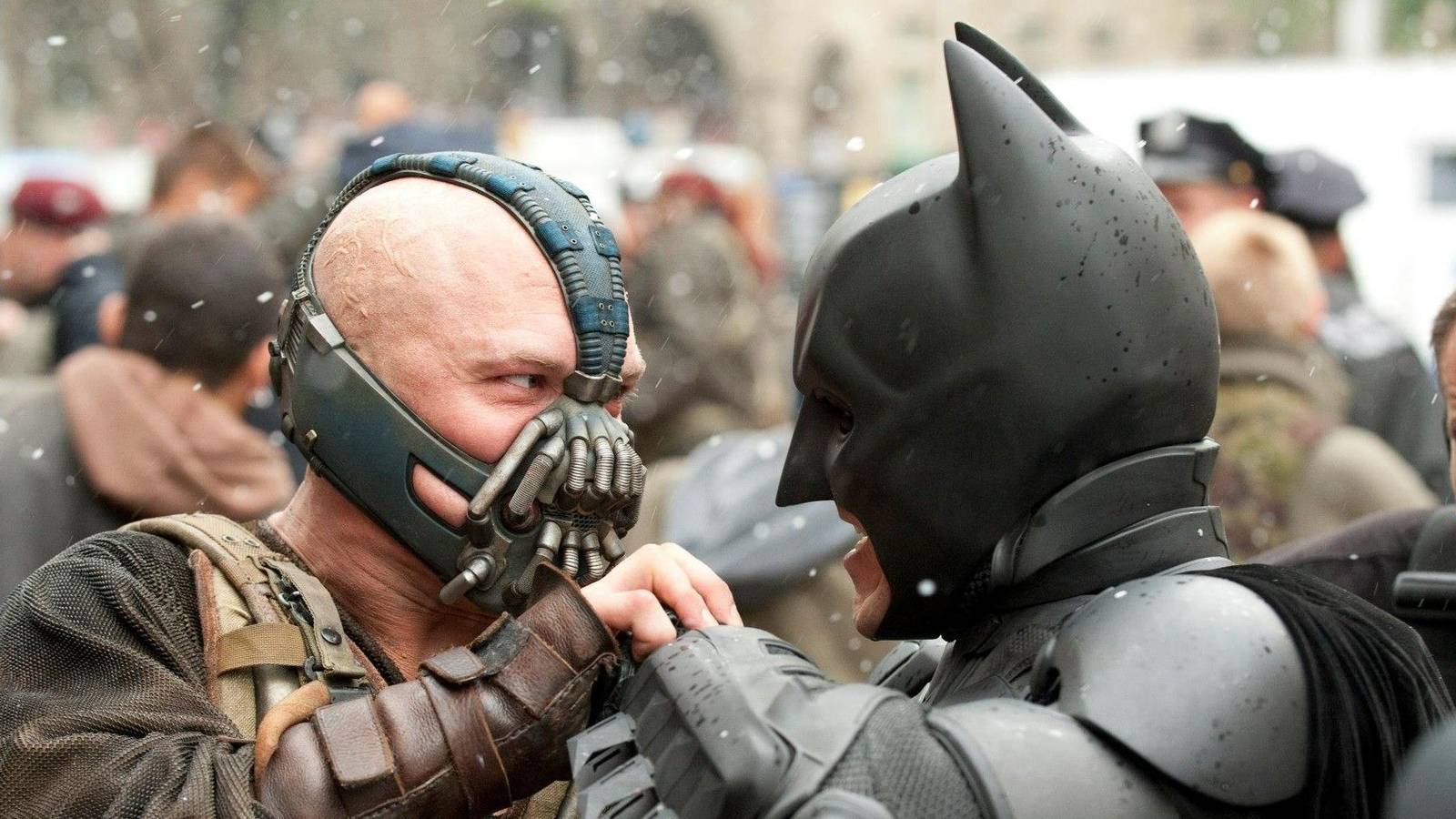
In The Dark Knight Rises, Christopher Nolan opted for a grounded, realistic approach that largely stripped Bane of his iconic, comic-accurate strategic depth. By relegating him to the role of a weaponized pawn for Talia al Ghul, the film inadvertently diminished the character’s autonomy. Knightfall — Part 1, by contrast, positions Bane (voiced with chilling precision by Michael Mando) as the undisputed architect of Gotham’s descent into chaos.
A Chronology of Carnage: The Anatomy of the New Adaptation
The structure of the Knightfall trilogy is designed to allow the story room to breathe, a luxury not afforded to the two-hour-plus constraints of a live-action blockbuster.
- The Foundation of Suffering: The film spends necessary time in the Santa Prisca prison. Much like the comics, we see a young Bane endure solitary confinement, his only intellectual stimulation being a profile on the Wayne family. The film illustrates his transformation from a man forged in agony to a chemically enhanced juggernaut.
- The War of Attrition: The central conflict of Part 1 is a masterclass in psychological warfare. Bane does not attack Batman (voiced by Anson Mount) directly at first. He orchestrates a massive breakout at Arkham Asylum. The resulting wave of chaos—featuring the Mad Hatter, Scarecrow, Victor Zsasz, and the Riddler—forces Batman into a state of perpetual combat.
- The Physical Toll: Unlike the cinematic versions that often show Batman at his peak, this adaptation highlights a hero already reeling from the trauma of losing Jason Todd. Each skirmish is a heavy, taxing affair that leaves the Dark Knight physically bloodied and mentally brittle.
- The Breaking Point: The climax of the film is a visceral, unvarnished realization of the iconic comic panel. The "breaking of the back" is not just a fight; it is the culmination of a systematic dismantling of Gotham’s protector.
Supporting Data: Why the R-Rating Matters
The transition to an R-rating is perhaps the most significant creative choice made by Warner Bros. Animation and Studio Mir. In previous iterations, Batman’s conflict with his rogues gallery often felt sanitized, hampered by the constraints of PG-13 ratings that required stylized, bloodless violence.
Knightfall discards these inhibitions. The film utilizes its rating to emphasize the lethality of its antagonist. When Bane engages in hand-to-hand combat, the result is not a choreographed dance, but a brutal exhibition of power. Bones are crushed, spines are tested, and the consequences of a missed block are severe. This shift serves a narrative purpose: it emphasizes that the stakes for Batman are no longer just about protecting his city, but about basic survival.
Furthermore, the animation style allows for a scale of destruction that feels dangerous rather than grandiose. By focusing on the "small-scale" brutality of individual encounters, the film grounds the threat. Bane doesn’t need a nuclear bomb to hold Gotham hostage; he simply needs to show the city that their guardian is mortal.
Official Perspectives and Creative Intent
The production team has been clear about their intent to move away from the "muscle-bound henchman" trope. Director Jeff Wamester noted during the Annecy festival that the goal was to return to the source material’s roots, where Bane is a man of significant intellect.

"Bane is a character of patience," Wamester stated. "In the comics, he is a strategist. He doesn’t just want to win a fight; he wants to break the Batman’s resolve. That is what we wanted to capture—a villain who is ten steps ahead of the hero from the very beginning."
Writer Jeremy Adams echoed this, emphasizing the importance of the Bat-Family’s presence in the narrative. By including the tension surrounding Tim Drake and the lingering ghost of Jason Todd, the film adds a layer of emotional vulnerability to Batman. This isn’t just about a physical fight; it’s about a man who is being pushed to his absolute limit by a villain who knows exactly which buttons to press.
Implications for the Future of the Batman Franchise
While Knightfall will likely reach a smaller audience than a billion-dollar Nolan blockbuster, its impact on the cultural perception of Bane is undeniable. For over three decades, the character has been defined by his voice, his mask, or his subservience to other villains. Knightfall reclaims the character.
This shift comes at a critical time for the Batman brand. With Matt Reeves’ The Batman universe exploring a more noir-inspired, grounded Gotham, the industry is currently asking what "new" stories can be told with these iconic figures. By demonstrating that faithful, high-stakes adaptations of classic comic arcs can thrive, Knightfall sets a high bar for future projects.
Furthermore, the success of this project suggests a shift in how Warner Bros. approaches its animated catalog. By treating these films with the same narrative gravity as their live-action counterparts, the studio is cultivating a dedicated audience that values character development and canonical accuracy over blockbuster spectacle.
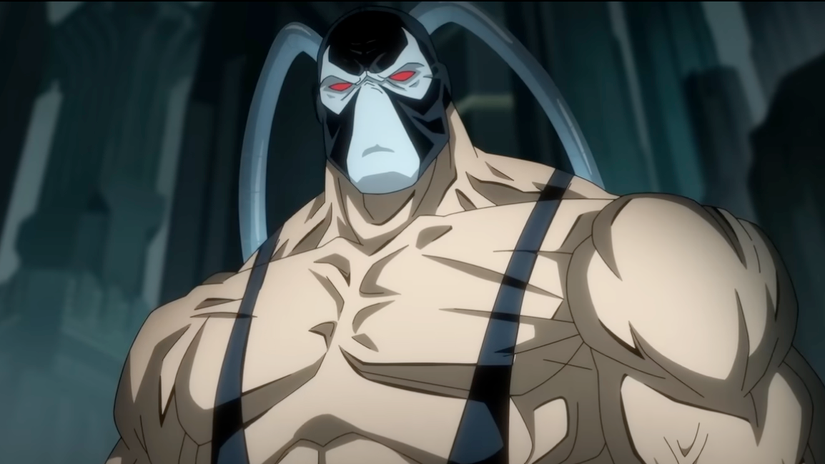
A New Standard for Gotham’s Greatest Threat
As the Knightfall trilogy continues, the audience is left with a compelling premise: if the first part is about the hero’s collapse, the subsequent films must address the arduous, painful road to recovery. This is where the story truly transcends the source material’s initial shock value.
In the comics, Bruce Wayne’s path to regaining the mantle of the Bat was a slow, deliberate reconstruction of both his body and his philosophy. If the creative team behind the Knightfall trilogy maintains this pace, they will provide a comprehensive look at the Batman mythos that few other adaptations have dared to attempt.
Ultimately, Batman: Knightfall — Part 1 is a victory for fans who have waited years to see Bane portrayed as he was intended: a brilliant, terrifying, and unstoppable force of nature. It serves as a reminder that sometimes, to see a character clearly, one must look back to the source, strip away the cinematic baggage, and let the original, haunting brilliance of the story speak for itself.
For anyone who left The Dark Knight Rises feeling that the character had been left on the table, Knightfall is not just a recommendation—it is essential viewing. It is a testament to the enduring power of the DC Comics library and a definitive answer to the question of who, exactly, is the man that broke the Bat.

