

October 9, 2026
By Jacob Kleinman
For years, Magic: The Gathering’s “Universes Beyond” (UB) line has occupied a fascinating, if sometimes controversial, space within the broader trading card game ecosystem. While massive blockbuster collaborations with intellectual properties like The Lord of the Rings, Final Fantasy, and various corners of the Marvel universe have shattered sales records and acted as powerful onboarding tools for casual players, they have traditionally suffered from one notable limitation.
Compared to Magic’s homegrown multiverse expansions—which feature deep, multi-year narrative arcs, intricate world-building, and mechanically rich draft environments—crossover sets have historically leaned heavily on being "skin-deep" novelty showcases. They answer a fun hypothetical (What if your favorite pop culture icons were printed as playable Magic cards?), but they rarely attempt to match the intricate storytelling depth or complex mechanical architecture of core Magic tentpole releases.
That paradigm is officially shifting.
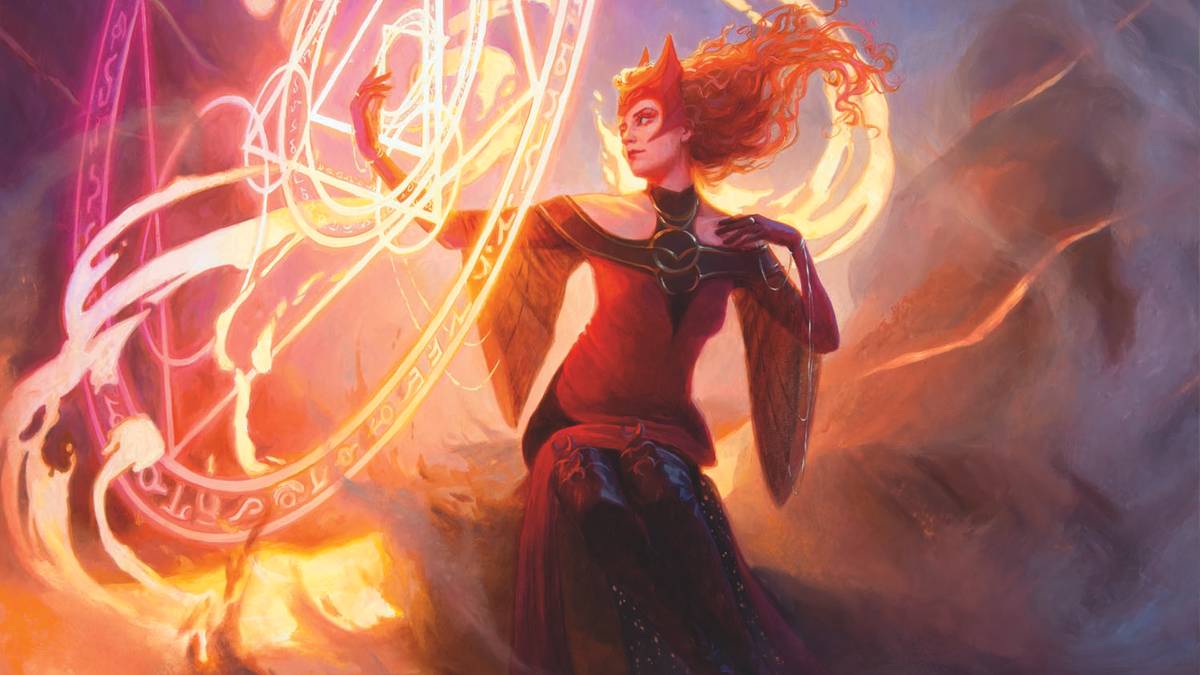
Ahead of its global reveal at New York Comic Con 2026, Wizards of the Coast sat down with Polygon to discuss Darkhold Destiny, the upcoming Marvel-themed Universes Beyond set slated for release in 2027. According to Magic’s head designers, this expansion is poised to shatter expectations, functioning not just as a standard crossover, but as the most ambitious, mechanically sophisticated, and story-driven Universes Beyond set the company has ever produced.
Main Facts: Uniting the Marvel Sandbox with MTG Mechanics
At its core, Darkhold Destiny represents a radical departure from how Wizards of the Coast approaches external intellectual properties. Rather than simply pulling iconic heroes and villains from the comics and dropping them into standalone trading cards, the set seeks to weave a bespoke, multi-layered narrative unique to this cross-brand venture.
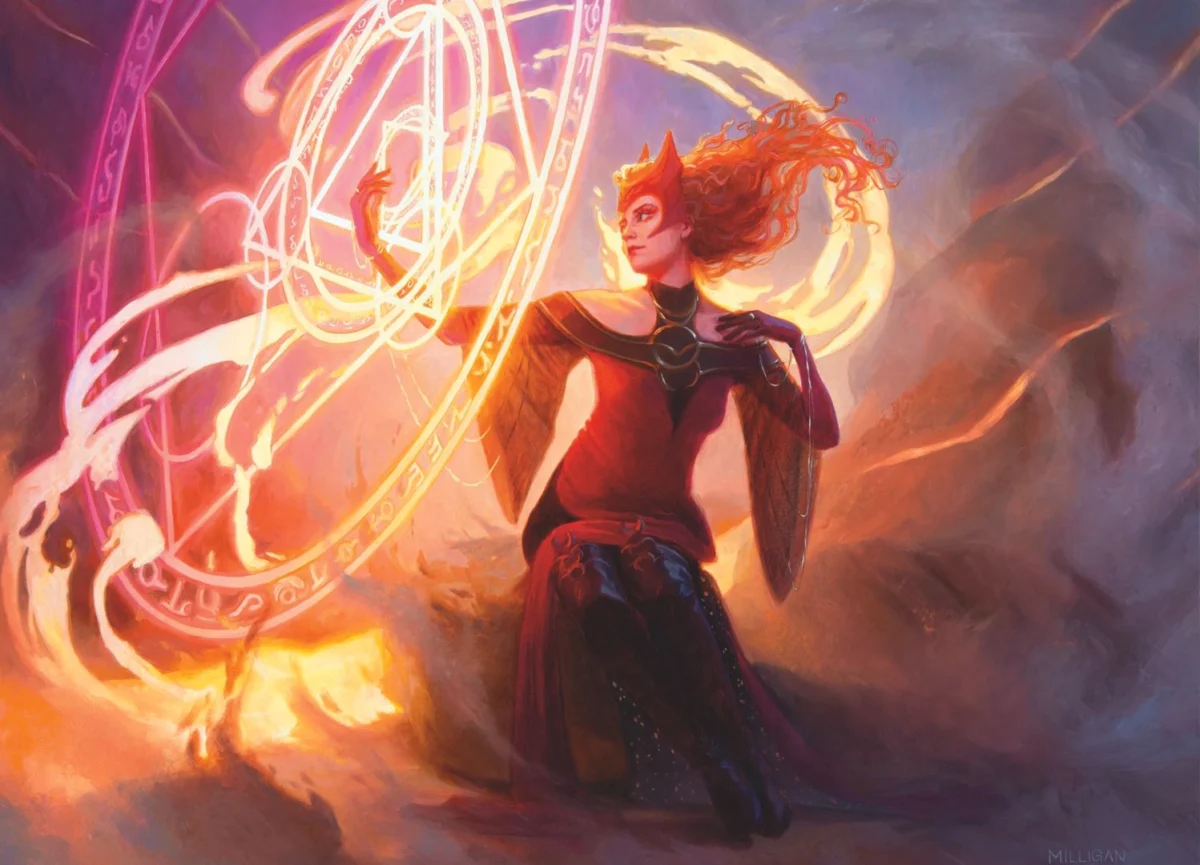
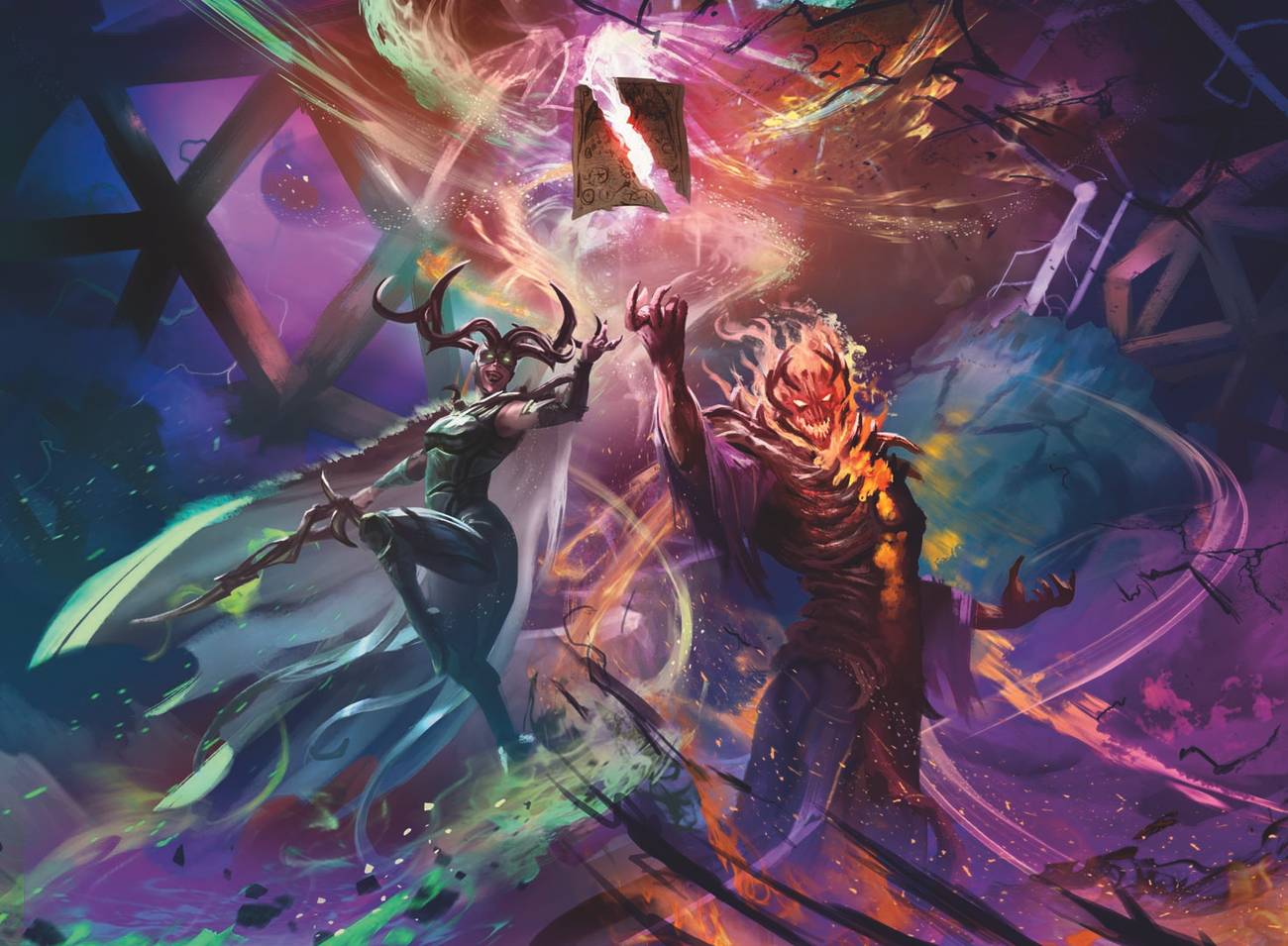
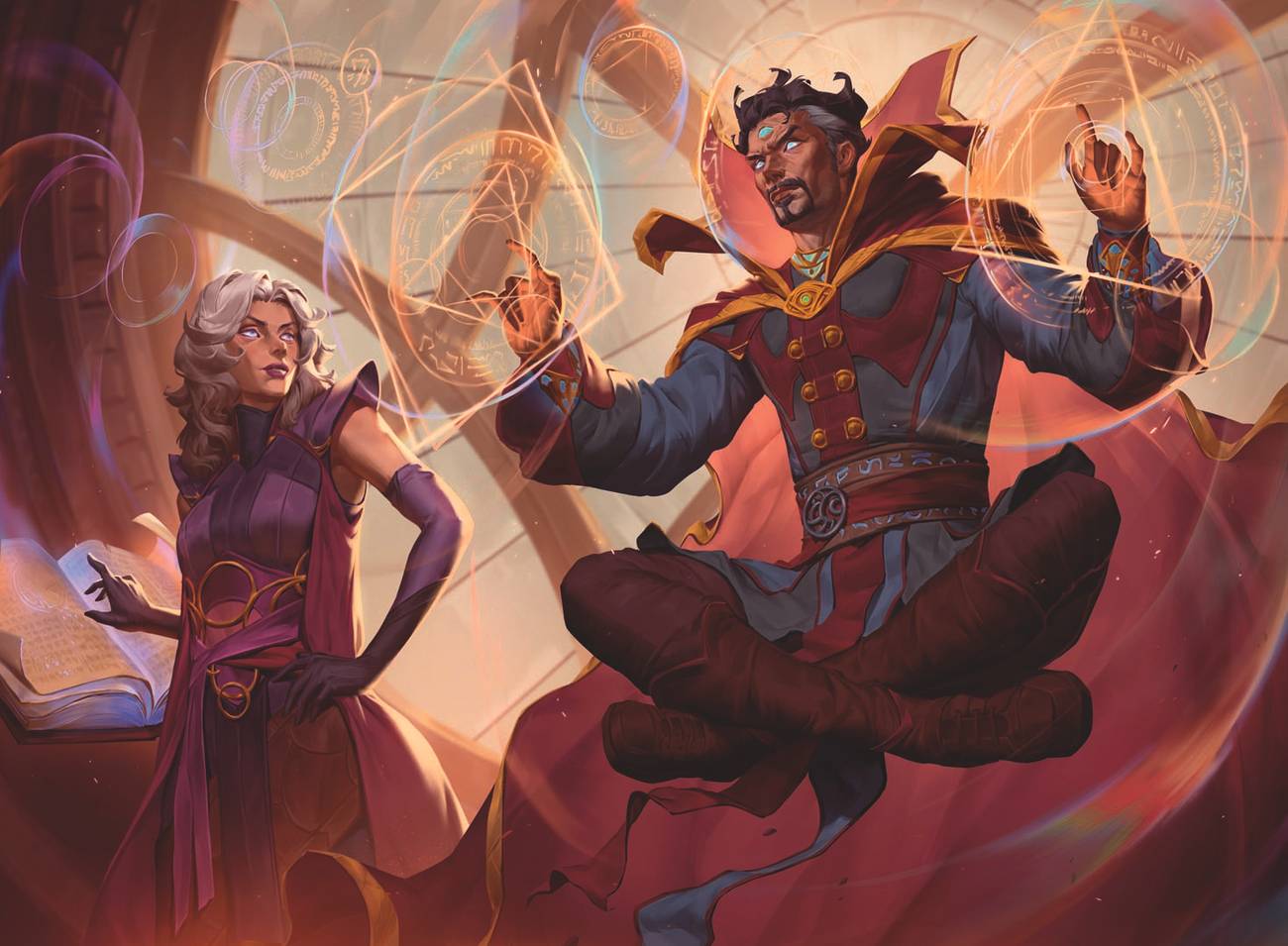
The setup for the narrative revolves around two of Marvel’s most formidable mystical villains: Hela and Dormammu. The pair manage to secure the infamous Darkhold—the book of sins and dark magic—and use its corruptive power to unleash catastrophic chaos across the wider Marvel multiverse. To combat this apocalyptic threat, an alliance of magic-focused heroes, including Thor, Doctor Strange, and the Scarlet Witch, must rise to defend their respective realms.
However, the ambitions of Darkhold Destiny extend far beyond a standard good-versus-evil storyline. Wizards of the Coast has built this set with veteran Magic players firmly in mind, leaning into complex card types, sophisticated draft archetypes, and an extensive array of artifacts, enchantments, and sorceries rather than relying solely on a barrage of legendary creature cards.

Chronology: How ‘Darkhold Destiny’ Came to Life
The road to Darkhold Destiny was not a sudden pivot, but rather the result of years of creative evolution within Wizards of the Coast and its collaborative relationship with Marvel.
- Phase One — The Crossover Boom: Wizards launched numerous Universes Beyond products, proving the immense commercial viability of merging major media franchises with the mechanics of Magic: The Gathering. Sets like The Lord of the Rings: Tales of Middle-earth attracted millions of new fans.
- Phase Two — Stockpiling Marvel Archetypes: As Wizards continued negotiating and planning Marvel-centric cards, design teams began intentionally setting aside characters whose identities leaned heavily into Magic’s traditional mechanical themes—such as spellcasters, elder gods, and mystic entities.
- Phase Three — Conceptualizing an Original Narrative: Recognizing the potential of these stockpiled characters, the creative team posed a bold question: What if, instead of merely recreating known stories, they used Magic cards to tell an entirely original narrative set within the Marvel sandbox?
- Phase Four — Partnering with Marvel Comics: Marvel responded enthusiastically to the pitch, encouraging Wizards of the Coast to push the envelope even further regarding world-building and character usage. To support the set’s release, Marvel committed to publishing an official companion comic book that covers the exact narrative depicted on the cards.
- Phase Five — The NYCC 2026 Reveal: Wizards officially pulls back the curtain on Darkhold Destiny at New York Comic Con in October 2026, setting the stage for its official launch in 2027.
Supporting Data & Design Philosophy: An Expert-Level Draft Experience
One of the most persistent criticisms leveled against past Universes Beyond sets has been their performance in Limited formats—specifically Draft and Sealed, where players build decks on the fly from randomized card pools. Because many external IPs have relatively narrow scopes or character rosters, previous crossover sets occasionally featured smaller card pools or simplified mechanics that failed to engage competitive players long-term.
Darkhold Destiny aims to completely dismantle this critique.
According to Magic’s head designer, Mark Rosewater, the set has been meticulously engineered to fully support strategic archetypes across all 10 two-color combinations—a design hallmark of premier, expert-level core sets that is rarely achieved in crossover expansions.
Aaron Forsyth, Magic’s senior vice president of design and creative, emphasized that the set is deliberately tuned for experienced players.
"It may be the most complex Universes Beyond set we’ve made because we knew that it was very aimed at Magic players," Forsyth noted during the interview. "We think this is in their wheelhouse, so we wanted to pull out all the stops with artifacts, enchantments, and sorceries. It’s not just wall-to-wall legendary creatures fighting each other."
By injecting the set with the structural complexity of a traditional tentpole expansion, Wizards is attempting to prove that crossover sets do not have to sacrifice mechanical depth in order to appeal to a broader mainstream audience.
Official Responses and Behind-the-Scenes Insights
The development of Darkhold Destiny also yielded an unexpected milestone for the Marvel universe itself: the creation of an entirely brand-new superhero.

While mapping out the narrative trajectory of the set, Wizards’ design team realized they needed a specific type of character that did not currently exist within Marvel’s sprawling canon. Armed with this realization, Wizards pitched five distinct concepts for original superheroes to their partners at Marvel. To their surprise, Marvel selected a concept that serendipitously aligned with an internal character archetype the comic publisher had already been exploring independently.
While Wizards of the Coast is keeping the identity of this new character strictly under wraps ahead of the set’s launch, the implications are profound. Both teams are deeply hopeful that this collaborative creation will eventually transition out of Darkhold Destiny and find a home in broader Marvel comic book storylines.
Mark Rosewater drew a historical parallel to illustrate how fruitful external character creation can be, pointing to the iconic anti-hero Harley Quinn. Quinn was originally created outside of traditional comic books specifically for Batman: The Animated Series in 1992 before eventually becoming an indispensable pillar of the broader DC Comics universe.
"That’s a staple of how comics work," Rosewater remarked. "They work with different partners and the good ideas sort of make their way in."
Implications: What ‘Darkhold Destiny’ Means for the Future of Universes Beyond
The release of Darkhold Destiny in 2027 serves as a watershed moment for Magic: The Gathering. Because Universes Beyond sets are typically locked into production pipelines years in advance to manage complex licensing agreements and global logistics, the ripple effects of this experiment will take time to fully manifest across the game’s release schedule.
Nevertheless, the internal sentiment within Wizards of the Coast suggests a profound shift in appetite. The success and creative fulfillment of building an original story within another company’s intellectual property has left the design team eager to explore similar avenues in the future.
"Now that we’ve done it once, at least it’s an idea that we now have," Rosewater concluded. "We’d have to find the right partner, but doing anything the first time just makes the second time more likely."
As Wizards of the Coast prepares to bring Darkhold Destiny to market, the trading card community will be watching closely. If this ambitious hybrid of high-concept storytelling and expert-level drafting mechanics succeeds, it could permanently redefine what players expect from Magic: The Gathering crossovers for decades to come.

