

For years, the StarCraft community has existed in a state of quiet, disciplined endurance. Following the conclusion of StarCraft II’s primary development cycle, fans of the legendary real-time strategy (RTS) franchise have largely subsisted on community-run tournaments and the occasional balance patch. However, as the countdown to BlizzCon 2026 begins, a series of mounting breadcrumbs suggests that Blizzard Entertainment may finally be ready to pull the trigger on a long-awaited return to the sci-fi universe that defined a generation of PC gaming.
While the "Pepe Silvia" style of investigative journalism—connecting disparate threads on a conspiracy-laden wall—is often a trope, the accumulation of evidence regarding a new StarCraft project is becoming increasingly difficult to ignore. From executive shifts to mysterious job postings and unexpected game updates, the signs point toward a potential blockbuster announcement this September.
A Chronology of Speculation: How We Got Here
The narrative of a StarCraft revival did not emerge overnight; it has been simmering in the background of the industry for several years.
The Seeds of Doubt and Hope (2024)
The current wave of optimism traces its roots back to 2024, when industry insider and Bloomberg reporter Jason Schreier published his definitive history of Blizzard Entertainment. In his reporting, Schreier revealed that the studio had been quietly "incubating" a new StarCraft project. Crucially, this wasn’t a return to the roots of the RTS genre, but rather a shooter—a concept that has historically been the "white whale" of the franchise. Blizzard has famously attempted to develop StarCraft shooters in the past, most notably the canceled StarCraft: Ghost, which remains a touchstone of "what could have been" for many fans. This time, however, the project is reportedly being steered by Dan Hay, a former producer on the Far Cry series, providing a level of pedigree that previous attempts lacked.
The Unreal Engine Pivot (April 2025)
Following the initial reports, the trail went cold for several months. Then, in April of this year, a job posting appeared that sent the rumor mill into overdrive. Blizzard was searching for a Lead Designer of Innovation to work on an "AAA open-world shooter" built on Unreal Engine.
The significance of this cannot be overstated. Blizzard has traditionally relied on its proprietary, internal engines for its major titles. The shift to Unreal Engine—an industry standard for high-fidelity open-world games—suggests a desire to accelerate development and leverage a massive, battle-tested toolset. Jeff Hamilton, a senior designer at Blizzard, hinted on Bluesky that the role would be "fairly unique," further fueling speculation that this isn’t just another generic shooter, but a high-priority title designed to capture the scale and ambition of the StarCraft lore.
The "Living Game" Strategy: Keeping the Flame Alive
If a new project is indeed in the works, one might wonder why Blizzard would bother updating a game that officially ceased active development years ago. Yet, the recent, massive patch for StarCraft II serves as a tactical reminder of the brand’s enduring relevance.
More Than Just Bug Fixes
The recent update to StarCraft II was not the standard "maintenance mode" patch players had grown accustomed to. Instead, it introduced significant meta-changing tweaks to early- and mid-game build varieties. By actively disrupting the competitive equilibrium, Blizzard demonstrated that they still have a dedicated team monitoring the game’s health. The reception from the community was overwhelmingly positive, proving that the player base remains not only active but deeply engaged.
From a marketing perspective, these updates act as a "soft launch" for the franchise’s relevance. By ensuring StarCraft II is in its best state in years, Blizzard creates a vibrant ecosystem that acts as a feeder for any potential future titles, whether they are direct sequels or spin-offs.
The BlizzCon 2026 Freebie Strategy
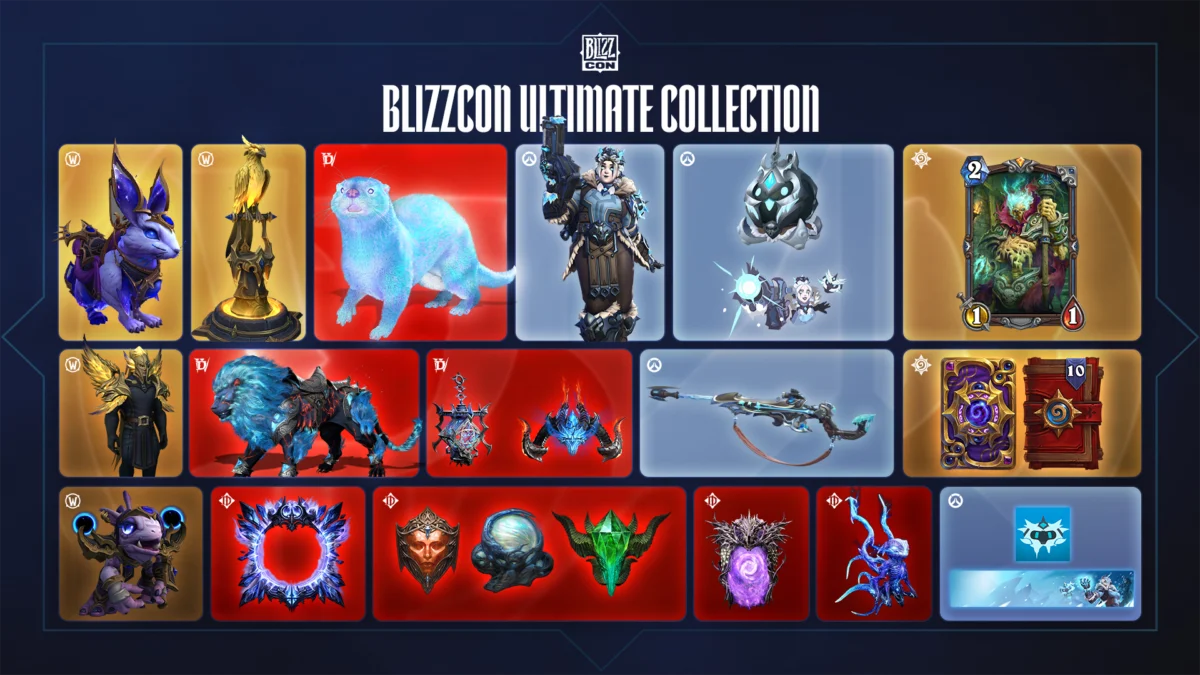
The most recent indicator of Blizzard’s intent is the announcement of the BlizzCon 2026 promotional rewards. While World of Warcraft and Diablo 4—the studio’s current cash cows—have cosmetic bundles tied to purchases, the StarCraft II and Heroes of the Storm rewards are being offered for free.
Specifically, StarCraft II players are receiving a 15-day co-op XP boost for Commander progression. While this is a minor gesture in isolation, in the context of a major industry event, it functions as a "wink" to the core audience. It suggests that Blizzard is actively attempting to keep the StarCraft player base satisfied and logged in, perhaps to ensure the servers are buzzing just in time for an impending reveal.
Implications: The Shooter Dilemma
The prospect of a StarCraft shooter creates a fascinating dichotomy among the fan base. For purists, StarCraft is synonymous with the high-APM (actions per minute), macro-intensive world of RTS gaming. The idea of a shooter might feel like a dilution of the franchise’s tactical identity.
However, Blizzard’s internal precedent suggests they have a different view. The success of Diablo 2: Resurrected proved that there is a massive appetite for the "Blizzard polish" applied to classic IP. If Blizzard can successfully marry the deep, established lore of the Koprulu Sector—the Zerg, the Protoss, and the Terrans—with the mechanics of a modern, open-world shooter, they could potentially tap into a market segment that has been largely ignored by the publisher since the heyday of Overwatch.
Furthermore, moving into the shooter space allows Blizzard to tell a more intimate, character-driven story. While the RTS games were grand, operatic epics about planetary conquest, a shooter offers the chance to ground the conflict in the mud and the trenches, giving players a visceral perspective on the horror of the Zerg infestation or the cold, calculated precision of the Protoss.
Official Responses and the Road to September 12
Blizzard has remained characteristically tight-lipped regarding any specifics, sticking to the standard corporate line of "nothing to announce at this time." However, the company has confirmed that the opening ceremony of BlizzCon 2026—the stage where historical announcements like World of Warcraft expansions and Diablo sequels have been made—will be streamed for free.
This accessibility suggests that Blizzard expects a high volume of traffic and wants to ensure the widest possible audience for its announcements. The panels that follow will dive into the "behind-the-scenes" of the new content, a structure that is perfect for introducing a new project and immediately justifying its existence to a skeptical or curious public.
The Verdict: A Calculated Risk
As we approach September 12, the evidence is compelling. The combination of a specialized lead designer, the adoption of the Unreal Engine, the unexpected revitalization of StarCraft II, and the continued, deliberate presence of the franchise in promotional materials creates a narrative arc that points in only one direction.
Blizzard is a company that understands its legacy. It knows that its intellectual properties are its most valuable assets. After years of focusing on its live-service titans, returning to StarCraft—the franchise that arguably built the modern eSports industry—is not just a creative choice; it is a strategic necessity. Whether the announcement is a StarCraft shooter, a new RTS, or a remaster project, one thing is clear: the sector is far from quiet. The war for the Koprulu Sector may be about to begin anew.

