

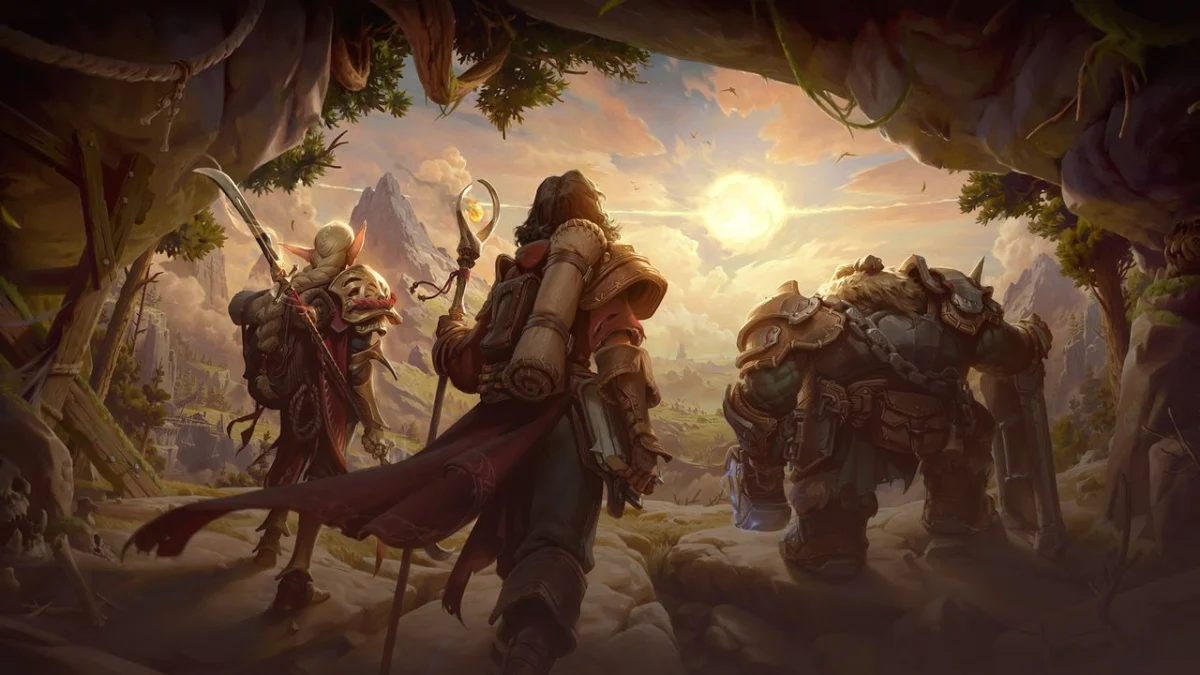
Just over a month after the triumphant release of 007 First Light—a title that shattered sales records to become the fastest-selling game in IO Interactive’s storied history—the Danish developer is grappling with a stark reversal of fortune. The studio, long celebrated for its meticulous craft and the runaway success of the modern Hitman trilogy, has confirmed that an "external partner" has abruptly terminated its funding agreement for Project Fantasy, an ambitious online role-playing game that has been in active development for years.
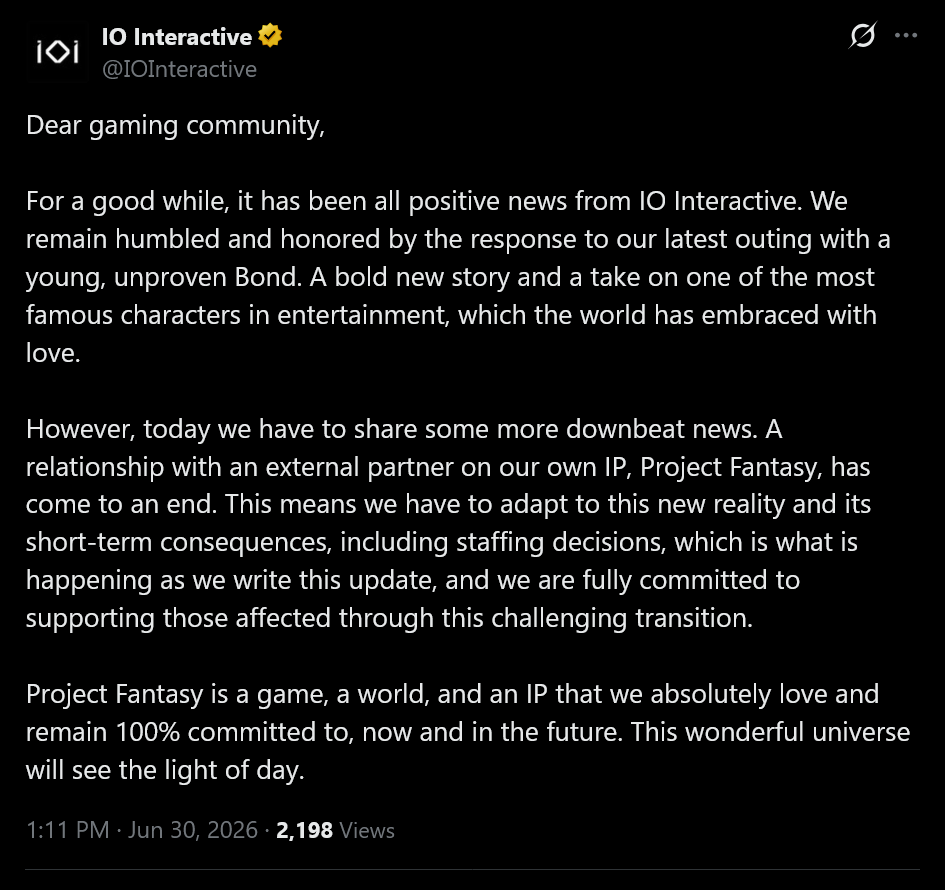
The news, delivered via an official statement on X (formerly Twitter), signals a period of profound uncertainty for the studio. While IO Interactive has not explicitly confirmed the scale of the fallout, the language used—specifically the mention of "staffing decisions"—strongly implies that significant layoffs are currently underway. This development casts a long shadow over a studio that, until this week, appeared to be riding the crest of an unprecedented commercial wave.
A Timeline of Ambition and Setbacks
To understand the weight of this announcement, one must look at the trajectory of Project Fantasy. First teased in early 2023, the project was framed as a radical departure for the studio—a transition from the precision-based stealth of Agent 47 to the expansive, collaborative world of a persistent online RPG.
The Evolution of the "Third Universe"
- 2021: Reports first emerged suggesting that IO Interactive was collaborating with Microsoft on a fantasy-themed project, internally referred to as Project Dragon. At the time, CEO Hakan Abrak characterized the project as a "third universe" that the studio’s veteran developers had long dreamed of creating, describing it as a true "love child" of the team.
- 2023: IO Interactive officially unveiled Project Fantasy. While sparse on details, the announcement confirmed an online multiplayer focus, positioning it as a cornerstone for the studio’s future growth beyond the Hitman and 007 IPs.
- 2024–2025: Throughout this period, Project Fantasy remained in active development, seemingly bolstered by the partnership that has now collapsed.
- Early 2025: The studio celebrated the massive success of 007 First Light, which solidified their position as a premier global developer.
- March 2025: The sudden termination of the funding partnership was made public, forcing an immediate pivot in the studio’s operations.
The Speculation Surrounding the "External Partner"
IO Interactive has maintained a veil of corporate discretion, declining to name the entity that withdrew its support. However, industry analysts and observers have pointed toward Microsoft’s Xbox division as the most probable candidate.
Microsoft has been engaged in a brutal period of organizational restructuring. Over the last several months, the gaming giant has pursued a strategy of aggressive cost-cutting, which has included shuttering multiple studios and ending high-profile publishing agreements with external partners. The timing of IO Interactive’s announcement coincides with a broader trend of "reset" within the Xbox ecosystem, where experimental projects and external investments are increasingly being sacrificed to shore up core profit margins.
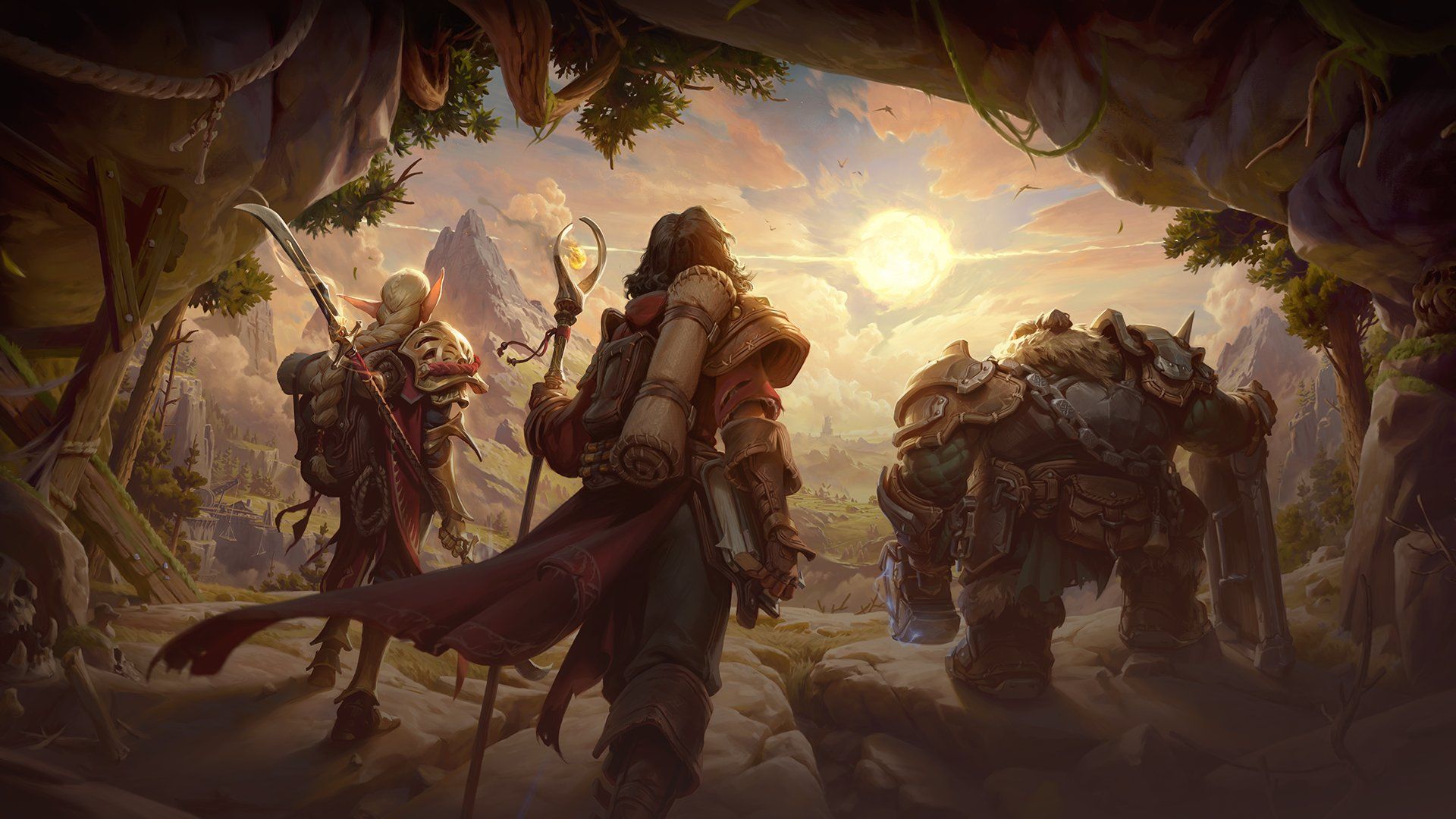
The impact of these maneuvers has been felt across the industry. Similar reports surfaced throughout 2025 regarding projects at Romero Games and Avalanche Studios, both of which suffered from the withdrawal of external funding, leading to diminished workforces and halted development. The pattern of "Project Dragon" transitioning into the current Project Fantasy model strongly suggests that the connection between Microsoft and IOI was the backbone of this particular development cycle.
Empathy from Industry Veterans
The news has sent ripples of concern through the game development community. John Romero, the legendary co-founder of Romero Games, offered a public message of solidarity to the team in Copenhagen. Having weathered his own studio’s struggles with funding, Romero’s words carried significant weight: "The people at IO Interactive have made some of my favorite games. I’m sorry to hear this news. As a company, we’ve been there, and it’s extremely difficult. Hoping you and Project Fantasy can find a way forward."
This sentiment reflects a broader industry anxiety. When a studio with the pedigree of IO Interactive—a company that has consistently delivered high-quality, critically acclaimed titles—is forced to cut staff due to shifting external financial winds, it highlights the fragility of even the most established independent developers in the current economic climate.
The Human Cost: Staffing Decisions and Transitions
The most concerning aspect of the studio’s statement is the immediate impact on its workforce. "This means we have to adapt to this new reality and its short-term consequences, including staffing decisions," the company wrote. While HR processes are private, "staffing decisions" in the context of a lost funding agreement almost universally translates to layoffs, project reassignments, and potential office downsizing.
IO Interactive has pledged that they are "fully committed to supporting those affected through this challenging transition." For the developers, artists, and engineers who spent years pouring their expertise into the world-building of Project Fantasy, this is a devastating blow. The loss of talent is an irreparable cost, even if the project itself survives.

Implications for the Future of Project Fantasy
Despite the chaos, IO Interactive has struck a defiant, albeit cautious, tone regarding the future of the game. They insist that they remain "100% committed" to the IP and that "this wonderful world will see the light of day."
Can the Project Survive?
The reality of game development is that major projects rarely move forward after losing a primary financier without a significant delay or a complete restructuring of the game’s scope. There are several potential paths for the project:
- Self-Funding/Internal Resourcing: IOI could pivot resources from their 007 post-launch support to keep Project Fantasy on life support. However, this is a risky strategy that could cannibalize their other successes.
- Finding a New Partner: The studio may attempt to pitch the project to other publishers or platform holders. In the current market, however, finding a partner willing to fund a large-scale, long-term online RPG is a monumental challenge.
- Scaling Back: The game could be significantly reduced in scope, shifting from a massive, high-fidelity RPG to a more modest experience that the studio can manage independently.
Industry Context: A Macro View
The struggle at IO Interactive is not an isolated incident; it is a symptom of a larger, more systemic issue within the gaming industry. Following the post-pandemic boom, the industry has entered a "correction" phase. Investors are becoming increasingly risk-averse, favoring established franchises over new, unproven intellectual property.
The "Live Service" and "Online RPG" markets, specifically, have become hyper-competitive. With titles like Helldivers 2, Warframe, and Destiny occupying the lion’s share of player attention, the barrier to entry for a new fantasy-based online title is higher than ever. Investors are no longer willing to fund the "long tail" of development required to build these worlds from scratch.
Final Reflections
The coming months will be critical for IO Interactive. The studio has proven its resilience before—most notably when it successfully bought its freedom from Square Enix to become an independent entity in 2017. That independence allowed them to redefine the Hitman series and find their own path to success.
Whether Project Fantasy ultimately survives in its current form or is transformed into something entirely different remains to be seen. What is clear is that the "golden era" of easy funding for ambitious, high-budget fantasy projects is cooling rapidly. As the industry faces these economic headwinds, the survival of creative visions like those at IO Interactive will depend on their ability to navigate a landscape that is increasingly hostile to uncertainty.
For now, the focus remains on the people behind the screens—the developers who find themselves navigating a "challenging transition" through no fault of their own. While the promise that Project Fantasy will eventually see the light of day remains on the table, for many, the immediate concern is not the release date of a game, but the livelihood of the individuals who have made IO Interactive a household name in gaming.

