


SAN FRANCISCO — Developer Innerspace, widely recognized for its whimsical and critically acclaimed VR puzzle adventures including A Fisherman’s Tale, has officially announced the full 1.0 release date for its ambitious time-manipulation espionage title, Spymaster. Following a five-month iteration and refinement period in Early Access across Steam and Meta Quest platforms, the game is set to graduate to a full commercial release on October 15.
The upcoming launch brings a definitive conclusion to the game’s espionage narrative, introducing three brand-new missions that escalate the gameplay mechanics. Most notably, the 1.0 update features a high-stakes finale that departs from the traditional two-agent formula, requiring players to seamlessly coordinate all three of Spymaster’s distinct operatives simultaneously.
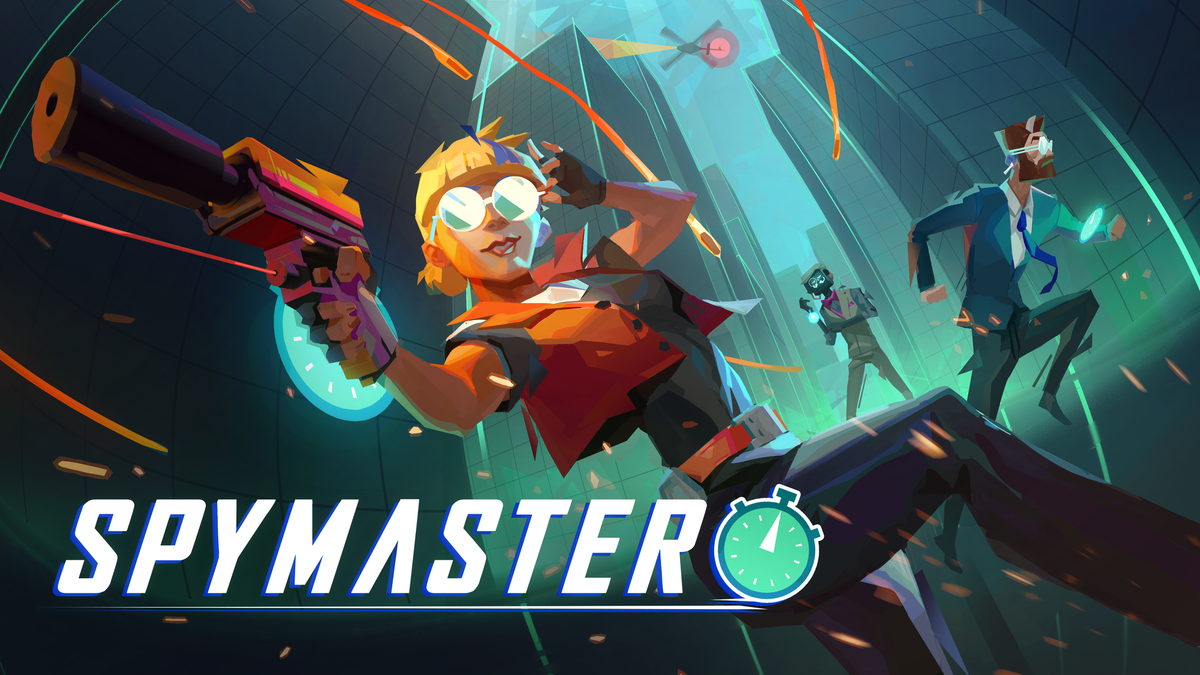
Combining high-octane extraction mechanics with intricate puzzle-solving and temporal mechanics, Spymaster has steadily built a dedicated following during its Early Access lifecycle. As the October 15 release date approaches, anticipation is high within the virtual reality community to see how Innerspace caps off its most action-oriented project to date.
Chronology of Development: From GDC Reveal to Full Launch
The journey of Spymaster from concept to full release highlights Innerspace’s iterative approach to virtual reality game design, balancing player feedback with ambitious design choices.

- March: Spymaster makes its public debut at the Game Developers Conference (GDC), where early hands-on previews showcase its unique blend of character hot-swapping and time-warping mechanics. Critics and attendees praise the game for translating fast-paced spy thriller tropes into immersive first-person VR space.
- Spring: Innerspace launches Spymaster into Early Access on Steam and Meta Quest. The initial release provides players with foundational extraction-style scenarios, testing the core gameplay loop of running, jumping, ziplining, and shooting across multi-agent environments.
- Summer: Throughout its five-month Early Access period, the development team actively gathers community feedback, fine-tuning the responsiveness of the time-rewind wristwatch mechanic, balancing difficulty curves, and optimizing performance for both PCVR and standalone Quest hardware.
- October 15: The official 1.0 release date arrives, bringing three new missions, polished quality-of-life updates, and a climactic series finale that integrates a third playable agent into the game’s temporal puzzle sandbox.
Gameplay Mechanics and Supporting Data: Mastering Time and Space
At its core, Spymaster challenges players to orchestrate flawless heists and extractions under pressure. Players take control of multiple operatives across dynamic, hazard-filled environments. Objectives require split-second execution—dashing across rooftops, sliding down ziplines, eliminating hostile targets, and dodging security systems.
What sets Spymaster apart from standard VR shooters is its signature mechanic: temporal manipulation. Built directly into the operative’s wristwatch interface, a time-rewind feature acts as both a safety net and a precision tool. If a player miscalculates a jump, leaves an agent exposed to enemy fire, or fails to synchronize movements between characters, they can instantly dial back time. This mechanic transforms trial-and-error gameplay into a strategic sandbox where runs are progressively optimized.
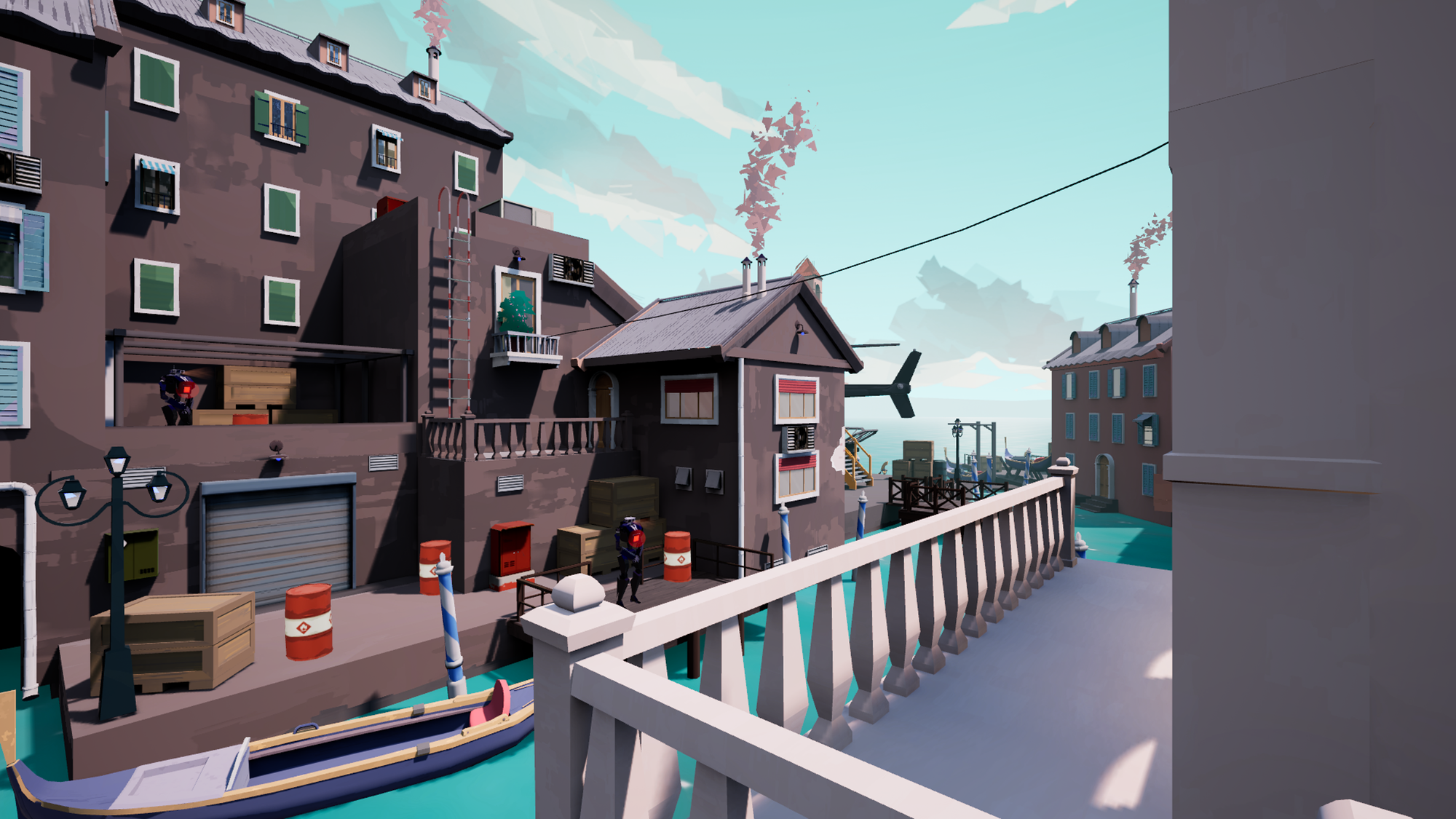
Industry analysts and early reviewers have noted that Spymaster successfully solves a common pitfall in the puzzle-adventure genre: replayability. While traditional puzzle games often lose their appeal once the solution is known, Spymaster’s action-oriented execution and optional objectives encourage players to continually refine their runs. The pursuit of perfection—achieving a seamless, cinematic extraction where every agent moves in clockwork harmony—drives the game’s addictive loop.
Official Responses and Developer Insights
Innerspace has positioned Spymaster as a deliberate evolution of the studio’s design philosophy. Known for mind-bending perspective puzzles in A Fisherman’s Tale, the studio wanted to translate that fascination with space, scale, and mechanics into a high-energy action framework.
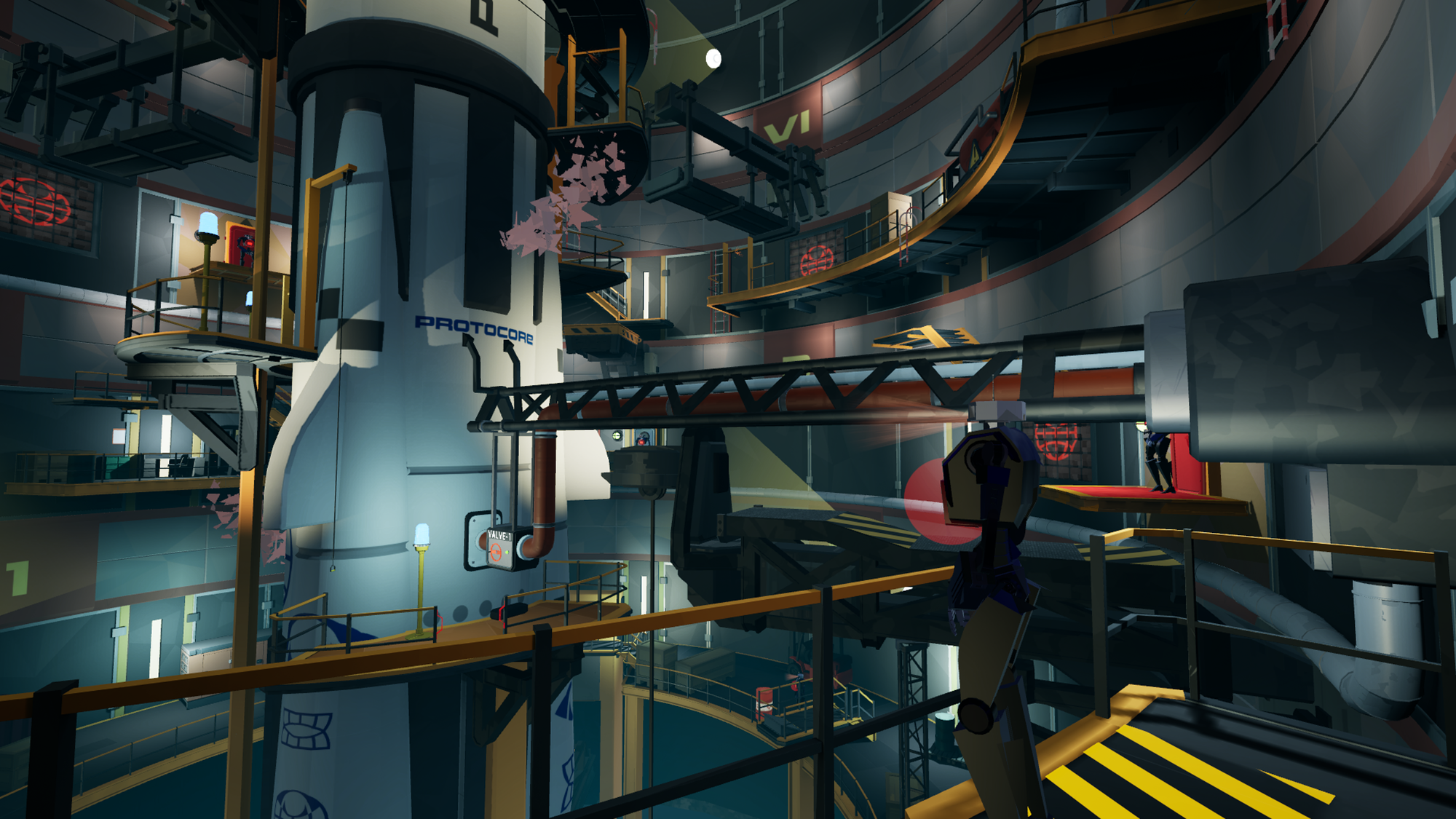
Speaking on the transition from Early Access to a full release, members of the development team have emphasized the invaluable role that the community played over the past five months. Early Access feedback allowed Innerspace to fine-tune the pacing of the extraction scenarios and ensure that the transition from managing two agents to three feels natural rather than overwhelming.
"The goal with Spymaster was never just to make another VR shooter," notes early development commentary from the studio. "We wanted to give players the tools of a master spy, paired with the ultimate superpower: the ability to fix your mistakes before they even happen. Seeing how players have embraced the trial-and-error puzzle mechanics during Early Access has been incredibly rewarding."

Early reviews from industry outlets have echoed this sentiment, describing the title as "equal parts charming and thrilling," praising Innerspace for retaining its trademark artistic flair while stepping into the espionage genre.
Industry Implications and Future Outlook
The launch of Spymaster on October 15 marks a significant milestone not only for Innerspace but also for the broader landscape of standalone and PC VR gaming.

- Advancing VR Puzzle-Action Hybrids: By successfully fusing the tactical planning of strategy games with the kinetic energy of an extraction shooter, Spymaster demonstrates that VR developers can innovate beyond traditional genre boundaries. The game proves that temporal mechanics, when tightly integrated with motion controls, can elevate standard action tropes into cerebral puzzles.
- The Value of Early Access in VR: Innerspace’s five-month Early Access strategy serves as a case study for mid-sized VR studios. By releasing a polished core build and iterating alongside a dedicated community, the developers were able to refine complex mechanics—such as multi-character synchronization—prior to delivering the final, content-complete narrative arc.
- Platform Availability: By launching simultaneously on Steam (catering to high-end PCVR enthusiasts) and Meta Quest (capturing the dominant standalone market), Innerspace ensures maximum accessibility for its audience.
As virtual reality continues to mature as a medium, titles like Spymaster highlight the demand for inventive, story-driven gameplay that respects the player’s intelligence and reflexes. With the full release just around the corner, players on both Steam and Quest will soon have the opportunity to test their tactical prowess and see if they have what it takes to orchestrate the ultimate espionage extraction.

