

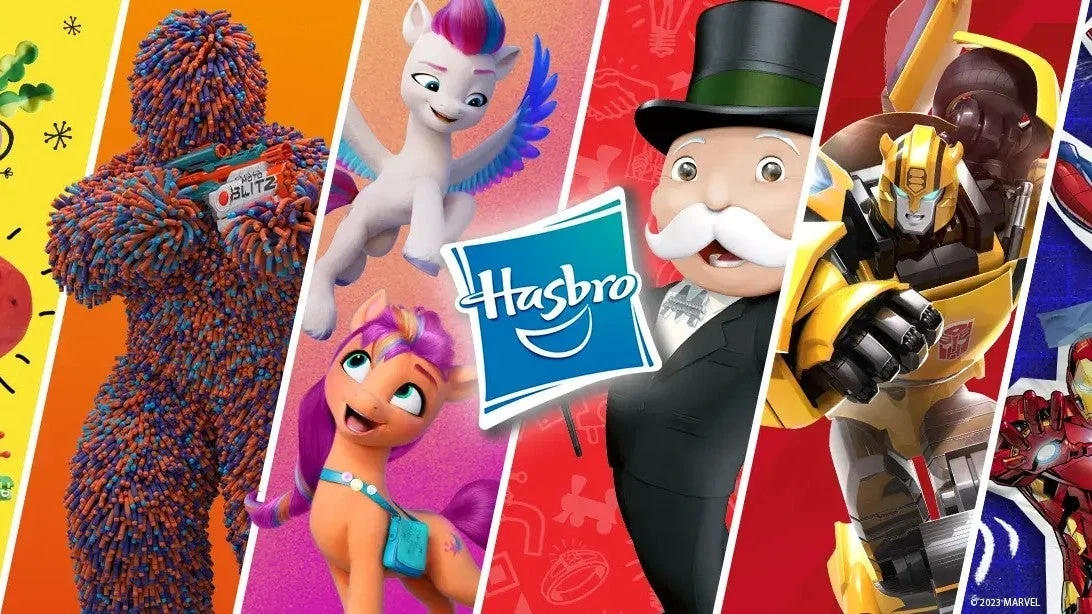
In a significant strategic recalibration, toy and media giant Hasbro has announced a major restructuring of its video game division. The company confirmed it has canceled a slate of unannounced gaming projects originally slated for release in 2028 and beyond, resulting in a $56 million non-cash impairment charge. This move marks a definitive shift in how the company approaches the high-stakes, high-cost world of interactive entertainment.
As Hasbro looks toward a more concentrated future, the company is abandoning its broader, more experimental gaming ambitions in favor of a "laser-focused" approach, emphasizing its most lucrative franchises and proven collaborative models.
The Core Facts: A $56 Million Pivot
The announcement, buried within the company’s recent shareholder presentation, serves as a stark reminder of the volatility inherent in the modern games industry. By recording a $56 million write-down for capitalized costs related to these canceled projects, Hasbro is signaling to investors that it is cleaning house.
CEO Chris Cocks, who has been steering the company toward a more digital-first model, framed the decision as a necessary evolution of their business strategy. According to the company, the canceled projects were deemed inconsistent with their updated internal metrics for success. The company is effectively trimming its portfolio to ensure that the capital it does deploy is directed toward projects with the highest probability of market dominance.
"We are focusing our digital investment behind the franchises, platforms, and partners where we see the clearest upside and where Hasbro has the strongest right to win," Cocks stated during the presentation.
Chronology: From Ambition to Retrenchment
The Expansionist Era (2020–2022)
Following the massive success of its various brands, Hasbro initially leaned into an aggressive expansion strategy. The company’s leadership sought to capitalize on the boom in gaming triggered by the global pandemic. During this period, the company invested heavily in internal studios and external partnerships, aiming to turn iconic IPs like Dungeons & Dragons, Magic: The Gathering, Transformers, and G.I. Joe into digital juggernauts.
The Turning Point: Rising Costs and Market Realities (2023)
By mid-2023, the industry landscape began to shift. Inflation, talent costs, and the rising price of AAA game development began to put pressure on profit margins. In March 2023, CEO Chris Cocks publicly noted that the video game industry needed to "think about things differently." He pointed to "massive cost inflation" as a primary obstacle for companies attempting to deliver high-fidelity AAA experiences. This comment served as a precursor to the eventual consolidation of their digital roadmap.
The Present: The "Strategic Reset" (2024)
The current fiscal quarter serves as the formal end to that expansionist phase. By canceling projects slated for 2028 and beyond, Hasbro has effectively pushed its "reset button," clearing the runway to focus on shorter-term, lower-risk, and higher-reward projects.
Supporting Data and Strategic Priorities
Hasbro has outlined a "four-pillar" strategy to guide its future in the gaming sector. These pillars are designed to mitigate risk while maximizing the utility of their vast intellectual property library.
1. Focus on Core Genres
The company is doubling down on its strengths. Specifically, Hasbro is pivoting its resources toward Trading Card Games (TCGs) and Role-Playing Games (RPGs). These genres leverage the company’s deepest brand wells—Magic: The Gathering and Dungeons & Dragons—where user engagement is high and community loyalty is long-standing.
2. Cost Discipline
The $56 million write-down is, in many ways, an act of "cost discipline." By killing projects now, the company prevents the compounding cost of development over the next four years. Hasbro is signaling to shareholders that it will no longer tolerate the ballooning budgets that have become standard in the AAA gaming space.
3. Ownable Platforms
The company is moving away from purely relying on third-party publishers for everything. By prioritizing "ownable" platforms, Hasbro aims to keep more of the player ecosystem within its own digital reach, allowing for better monetization and data collection.
4. Strategic Partnerships
Rather than trying to build every game in-house, Hasbro is prioritizing high-impact partnerships. The gold standard for this model, according to Cocks, is Scopely’s Monopoly Go!. The mobile game became a massive revenue driver for Hasbro by combining their iconic IP with Scopely’s expertise in mobile-first engagement, live-service updates, and aggressive user acquisition.
Official Responses and Corporate Sentiment
Hasbro’s leadership is framing the impairment not as a failure, but as a proactive "optimization." The tone from the top is one of fiscal pragmatism.
In the shareholder presentation, Cocks emphasized that the standard applied to the portfolio has been raised significantly. The implication is that the canceled projects—while perhaps creatively viable—did not meet the threshold for financial efficiency required in the current economic climate. By culling these projects, the company is attempting to reassure investors that it is capable of identifying and cutting "dead weight" before it becomes a multi-hundred-million-dollar liability.
Implications for the Gaming Industry
Hasbro’s decision sends ripples through the broader entertainment sector.
The End of the "Mega-Project" Era?
Hasbro is not the only company to recently scale back its gaming ambitions. Across the industry, publishers are canceling projects and laying off staff as the cost of development hits a ceiling. Hasbro’s move confirms a growing trend: companies with deep vaults of legacy IP are becoming more conservative, preferring proven mobile-first partnerships over speculative console blockbusters.
The Power of IP over Innovation
The pivot to TCGs and RPGs suggests that Hasbro believes its future lies in its existing "evergreen" franchises. Rather than attempting to innovate in genres where they have less experience, they are choosing to protect and amplify the brands that already generate consistent revenue. For consumers, this means fewer experimental titles and more digital adaptations of the card and tabletop games that made the company famous.
The "Partnering" Model
Expect Hasbro to continue shopping its IP to established mobile developers. The success of Monopoly Go! has likely set the blueprint for future Hasbro licensing deals. By acting as the licensor and stakeholder rather than the developer, Hasbro reduces its risk profile, keeping the development costs on the partner’s balance sheet while collecting royalties and brand-equity gains.
Conclusion: A Future Defined by Focus
Hasbro’s $56 million write-down is a decisive move that acknowledges the harsh realities of the current gaming market. By canceling projects years ahead of schedule, the company is prioritizing liquidity and predictability over long-term, high-risk development.
As the industry continues to grapple with the rising costs of production and the unpredictable nature of player retention, Hasbro’s retreat into its core strengths—TCGs, RPGs, and strategic mobile partnerships—seems a calculated attempt to maintain its relevance in a digital world. Whether this strategy leads to the creation of the next Monopoly Go! or leaves the company’s digital portfolio stagnant, remains to be seen. However, one thing is clear: the era of speculative, high-budget experimentation at Hasbro has come to a close, replaced by a cold, hard focus on the "right to win."

