


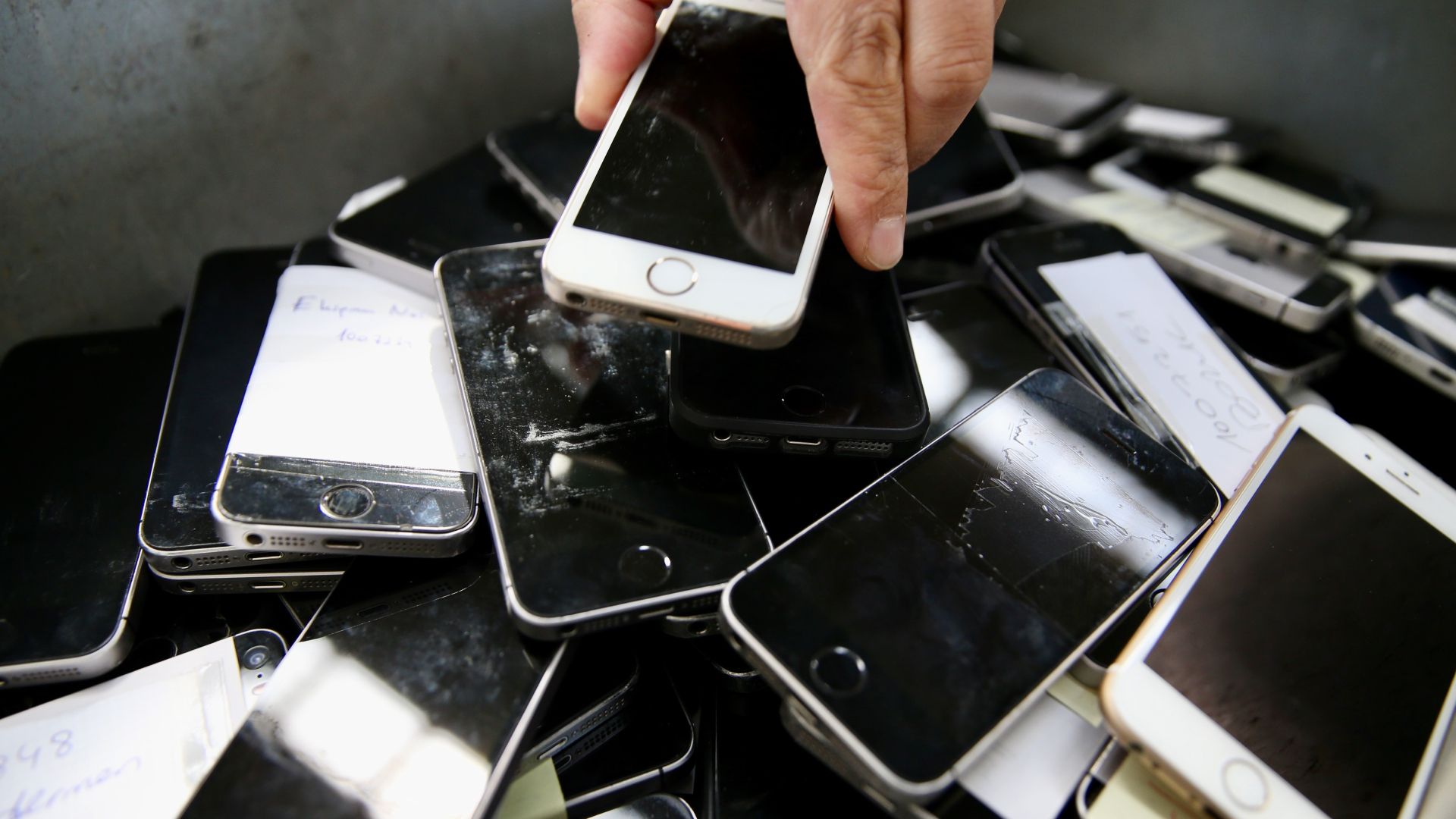
In an era defined by rapid technological turnover, the global accumulation of electronic waste (e-waste) has become one of the most pressing environmental crises of the 21st century. As consumers race to upgrade their devices every few years, millions of smartphones are relegated to the dark corners of junk drawers or, worse, sent to landfills. However, a pioneering research initiative from the University of California, San Diego (UCSD), backed by Google, is flipping the script on this "throwaway culture." The project proposes a radical, sustainable alternative: transforming thousands of retired smartphones into a functional, low-carbon cloud computing data center.
The Core Concept: Mining "Urban Ore"
The premise of the UCSD project is deceptively simple: modern smartphones are essentially pocket-sized computers with powerful processors, sophisticated memory architectures, and high-speed storage. While these devices may be "outdated" by the standards of a flagship consumer upgrade cycle—which typically spans just four years—their underlying hardware remains potent.
By aggregating 2,000 retired Google Pixel smartphones, the research team aims to create a distributed server cluster. The project focuses on the most resource-intensive components—the motherboards and their integrated chips—which represent the vast majority of the "embodied carbon" in a device. By stripping away non-essential elements like batteries, screens, and chassis, which are often inefficient or hazardous for data center environments, researchers are effectively "urban mining" the silicon that would otherwise go to waste.
A Chronology of Innovation: The Path to "Phone-as-a-Server"
The journey toward this project began with a fundamental recognition of the disconnect between hardware life cycles and actual utility.
- 2020-2022: The Initial Hypothesis: As the global conversation around the environmental cost of massive data centers grew louder, researchers at UCSD began evaluating the compute-to-power ratio of mobile ARM-based processors compared to traditional x86 server chips.
- Late 2023: Proof of Concept: Early experiments demonstrated that a small cluster of just 20 smartphones could handle the workload of a university classroom’s submission system, outperforming cloud-based backends in terms of latency and cost-efficiency.
- 2024: Google’s Integration: Recognizing the potential for a circular economy in tech, Google Research stepped in to provide technical support and hardware access, scaling the project’s ambitions to a 2,000-device cluster.
- Current Status: The team is currently refining the software orchestration layer, replacing the Android operating system with custom Linux distributions to strip away consumer-facing overhead and optimize for server-side tasks.
Supporting Data: Why Smartphones Outperform Expectations
One of the most surprising findings in the UCSD research is the raw performance parity between mobile chips and enterprise hardware. While traditional servers are built with dozens of multi-threaded cores and massive pools of RAM, they are often over-provisioned for "lightweight" tasks, such as hosting university grading portals, research data sets, or student software projects.
The single-threaded performance of a modern smartphone processor is surprisingly competitive with—and sometimes superior to—the individual cores found in many enterprise-grade server CPUs.
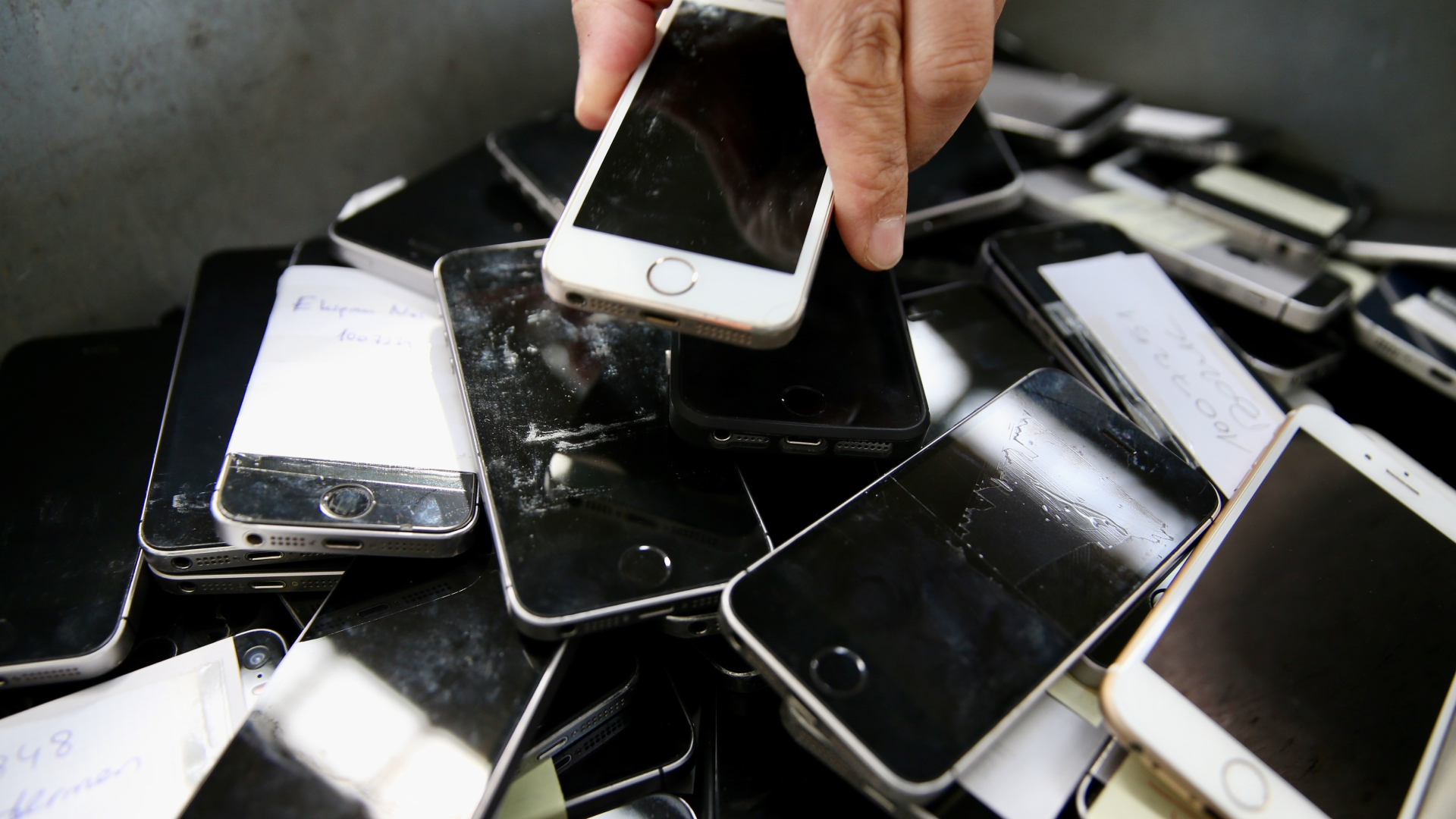
- Performance Metrics: A single phone offers 8–12 GB of RAM and a handful of powerful cores. When orchestrated via Kubernetes—an open-source container orchestration system—these devices function as a high-availability, low-power cluster.
- Latency Advantage: In preliminary trials, a 20-phone cluster handled peak submission rates for a class of 75 students with lower latency than traditional AWS (Amazon Web Services) backends.
- Scaling Potential: The projected 2,000-phone deployment is designed to support up to 100 concurrent university classes, offering a scalable, low-cost solution for academic computing needs.
Official Responses and Strategic Collaboration
Google’s involvement in this project marks a significant shift in how big tech companies view their hardware lifecycles. In a recent blog post, Google researchers emphasized that the initiative is about more than just recycling; it is about "low-carbon computing."
By extending the useful life of a smartphone by even a few years, the carbon debt incurred during the mining of rare earth metals and the energy-intensive manufacturing process is significantly amortized. "The aim," the researchers stated, "is to provide hundreds of researchers and students with low-cost, low-carbon cloud computing, reducing the need for newly manufactured hardware and their associated emissions."
This partnership highlights a growing trend among technology giants to address the environmental footprint of their operations. While the industry has been criticized for the massive energy requirements of AI and large language model training, projects like this serve as a necessary counterbalance, suggesting that innovation does not always require new, massive infrastructure.
The Environmental Implications
The environmental impact of this approach is multifaceted. Firstly, it prevents thousands of kilograms of electronic waste from reaching landfills, where lead, mercury, and cadmium can leach into the soil and groundwater. Secondly, it avoids the demand for "new" hardware. When a new phone is manufactured, it carries a heavy "carbon tax"—the emissions from raw material extraction, component fabrication, and global shipping. By keeping existing chips in circulation, the project prevents that tax from being paid a second time.
However, the project is not without its challenges. Critics point out that powering 2,000 phones—even recycled ones—still requires electricity from the grid, and the long-term reliability of "vintage" mobile hardware in a 24/7 server environment remains to be proven. Furthermore, while the initiative is a brilliant academic and environmental exercise, it is a drop in the ocean compared to the massive, gas-powered data centers currently being built to fuel the AI boom.
Toward a Sustainable Future
As we look toward the future of computing, the "phone-as-a-server" model offers a blueprint for decentralized, sustainable infrastructure. The concept demonstrates that we do not always need the latest, most powerful silicon to handle our digital needs.
For the average person, this project serves as a reminder that the device in their drawer is not just a forgotten relic of the past, but a high-performance computer capable of contributing to scientific research and academic success. If such projects can be scaled to the commercial level, or even adopted by community organizations, we could see a dramatic shift in how we value hardware.
Ultimately, the University of California and Google are proving that the most sustainable technology is often the one that already exists. By chaining together the discarded fragments of our digital past, they are building a more efficient, thoughtful, and responsible foundation for our technological future. While it may not solve the global climate crisis overnight, it represents a necessary and inspiring change in perspective—moving away from a culture of consumption and toward a culture of reuse, resilience, and ingenuity.
As the project scales toward its 2,000-device goal, the tech community will be watching closely. If it succeeds, it could set a new industry standard: that before we build the next massive data center, we should first look to the junk drawers of the world to see what we can build with what we already have.

