

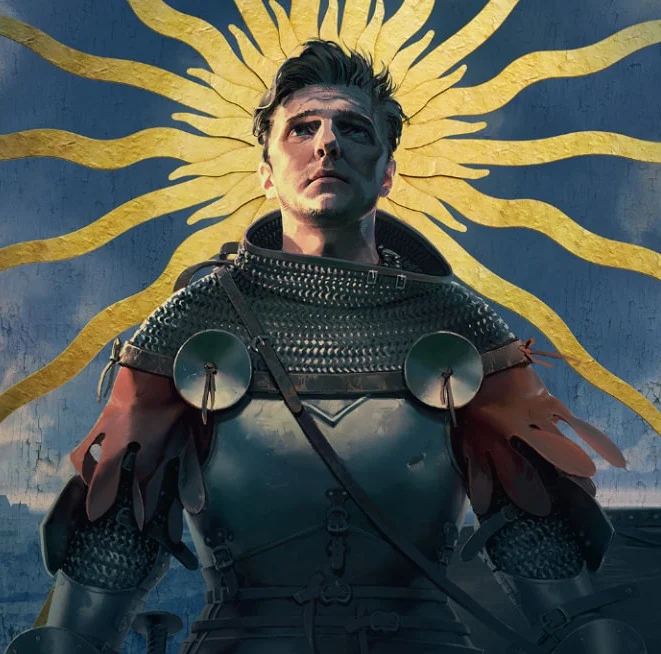
Following the massive critical success of Mouthwashing, the independent development studio Wrong Organ has become a name synonymous with visceral, narrative-driven psychological horror. However, with the reveal of their latest project, Carcass Clad, during the 2026 PC Gaming Show, the developers are signaling a deliberate and dramatic shift in their creative trajectory.
The studio, led by Jeffrey Tomec and Dave van Egdom, is trading the static, dialogue-heavy corridors of Mouthwashing for the claustrophobic, mechanical intensity of a co-op tank simulator. This pivot marks a pivotal moment for the team as they look to expand their mechanical expertise before tackling their next ambitious "hybrid" project.
The Evolution of Wrong Organ: A Brief Chronology
To understand why Carcass Clad represents such a radical departure, one must look at the studio’s developmental history. Wrong Organ first gained notoriety within the indie scene for How Fish is Made, a surreal, short-form horror experience that lasted roughly 20 minutes. It was a masterclass in disturbing, bite-sized atmosphere that left a significant cultural footprint.
The studio then pivoted to Mouthwashing, a longer, single-player narrative horror game that solidified their reputation for writing and thematic depth. Mouthwashing was a critical darling, praised for its exploration of isolation, human degradation, and the mundanity of terror. However, the development of that project was exhausting, and the team found themselves yearning for a different kind of creative output.
According to Tomec and van Egdom, the development cycle of Carcass Clad began shortly after the release of Mouthwashing. While the team remains proud of their narrative roots, they felt a creative itch to prioritize mechanics—specifically the complex, tactile systems involved in operating a machine under pressure—over the linear, cinematic storytelling they had previously mastered.
Decoding the DNA of ‘Carcass Clad’
At its core, Carcass Clad is a co-op tank sim, but it is one infused with the signature "Wrong Organ" aesthetic. While the gameplay loop is shifting toward the technical and the mechanical, the developers are keen to point out that they haven’t abandoned their identity.
"This game is a statement in some ways," Jeffrey Tomec explained during an interview ahead of the trailer reveal. "We made a story game and you loved it, but now we’re doing something that is nothing like that. To an extent, we definitely don’t want to pigeonhole ourselves."
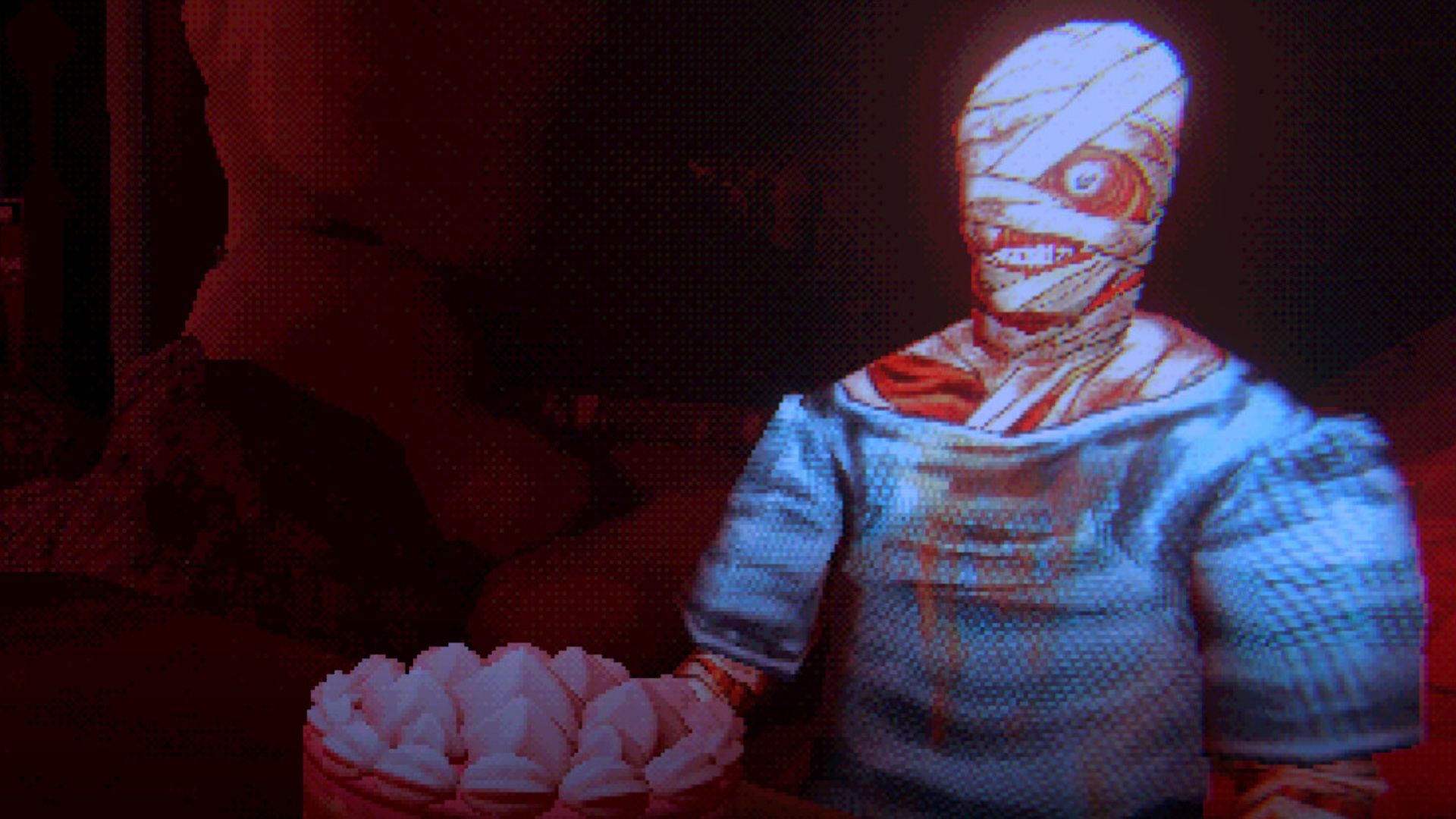
Despite the change in genre, the game retains the core pillars that define the studio’s work:
- Dehumanization: The feeling of being a cog in a larger, indifferent machine.
- Body Horror: Innovative, grotesque visual storytelling that forces the player to confront physical vulnerability.
- The Mundane Gone Wrong: Taking a routine workplace environment—in this case, the interior of a tank—and pushing it into a situation of impossible, surreal survival.
The shift, however, is a practical one. The team spent months obsessing over the physics of the tank’s internal components, wrestling with the minutiae of gear rotations and mechanical interactions. It is a far cry from the script-heavy work of Mouthwashing.
The Development Philosophy: Scaling Up Without Losing the Soul
One of the most compelling aspects of the conversation with Tomec was his reflection on how the studio plans to grow. He candidly discussed the limitations of their past work and the challenges of scaling up.
"How do you make How Fish is Made better? Well, you make it not 20 minutes long," Tomec said. "But now it’s like, what’s the natural progression of Mouthwashing? Mouthwashing isn’t better if it’s eight hours. It’s not a direct scale up."
For Wrong Organ, the path forward is a three-stage roadmap:
- The Story Game Phase: Establishing the brand through narrative-heavy hits like Mouthwashing.
- The Gameplay Game Phase: The current stage, exemplified by Carcass Clad, where the focus is entirely on mechanical cohesion and systemic design.
- The Hybrid Phase: The ultimate goal of combining their expertise in writing with the rigorous mechanical depth they are currently building.
Tomec admits that they do not yet feel ready to deliver a "gameplay-story hybrid" that meets their own internal standards. By separating these focuses, the team is effectively "leveling up" their studio’s production capacity. They are choosing to master the art of the "gameplay-first" experience so that when they do eventually return to narrative-driven titles, they will have the tools to make those stories feel like a truly cohesive, large-scale experience.
Supporting Data: Why the Shift Matters
The indie game market is currently saturated with "walking simulators" and short-form horror experiences. By opting to create a systemic, co-op, high-intensity sim, Wrong Organ is positioning itself to capture a different segment of the market.
- Mechanical Depth: Unlike narrative games, which rely on the player’s emotional investment in the plot, a simulator relies on "procedural mastery." The player is rewarded for learning the systems of the tank, which creates a different type of tension—a "stress of competence" rather than a "stress of narrative."
- The "Grass is Greener" Effect: Tomec noted that during the middle of any development cycle, the team often longs for the polar opposite of what they are currently doing. The transition to a "shooter/sim" style game was, in part, a reaction to the constraints of writing a narrative script.
- Capacity Building: By moving away from text-heavy projects, the studio is forced to innovate in visual and sound design. If the player cannot be told the horror, the horror must be shown through the machinery itself.
Implications for the Future of Wrong Organ
The decision to pivot to Carcass Clad carries significant implications for the future of independent horror. If Wrong Organ succeeds in merging their signature "disgusting" aesthetic with a rigorous, high-fidelity gameplay loop, they could set a new standard for the genre.
However, the risk is palpable. A studio’s fanbase often develops an attachment to a specific genre. By moving away from the narrative-first approach, they risk alienating those who came for the story. Yet, Tomec’s transparency suggests that this is a risk the studio is not only willing to take but views as a necessary step for their survival and creative longevity.
The studio has not provided a release date for Carcass Clad, indicating that they are allowing themselves the time required to refine the mechanical systems. This is a departure from the "crunch" culture often seen in the industry; instead, Wrong Organ is choosing a methodical, deliberate path to ensure that when the game does arrive, it feels like a professional evolution rather than just a side project.
Conclusion: A Gamble with Vision
As the industry moves toward increasingly bloated "AAA" titles, the small, focused pivots of independent studios like Wrong Organ remain the industry’s most interesting developments. Carcass Clad is more than just a tank simulator; it is a laboratory. It is a space where a talented team is testing their ability to craft experience through mechanics rather than just words.
Whether or not the "Wrong Organ vibe" can successfully bridge the gap between narrative horror and mechanical simulation remains to be seen. But for fans who have followed them since the 20-minute nightmare of How Fish is Made, the journey is just as important as the destination.
For now, players can keep an eye on the studio’s progress via their Steam page, as they continue to refine their craft in the bowels of their digital tank. The transformation of Wrong Organ from a narrative-focused indie darling to a multi-faceted studio is officially underway, and if their history is any indication, the results will be as unsettling as they are impressive.

