

By PC Gamer Review Team
Published: September 2026
Main Facts
- Game Toem 2
- Release Date: September 29, 2026
- Developer: Something We Made
- Publisher: popagenda
- Platform/Tested Hardware: PC (Intel Core Ultra 7 265, RTX 5070 Ti, 32GB RAM); Verified on Steam Deck
- Price: $17 / £13.59
- Multiplayer: None
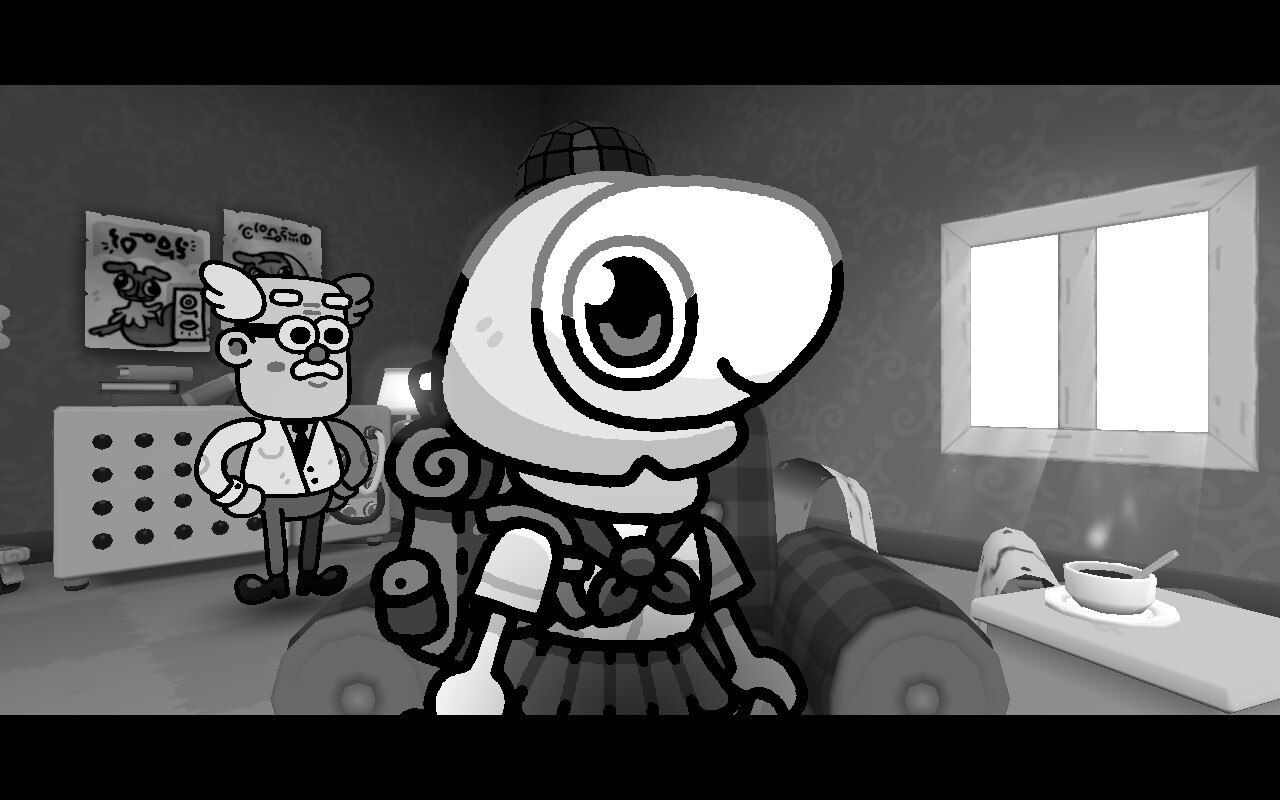
- Core Premise: A quest-driven, photography-centric adventure game where players use a vintage dynamic-zoom camera outfitted with various mechanical attachments to help locals, collect journal stamps, and catch the bus to see the legendary blooming of the whirling birch tree.
- The Verdict: While undeniably cute and mechanically sound, Toem 2 streamlines away much of the cerebral, open-ended puzzle magic that made its predecessor a standout indie darling, opting instead for a predictable, highly automated gameplay loop.
Introduction: Snapping Back to Reality
Adventure games live and die by their friction. The best entries in the genre engineer a very specific, electrifying neurological sensation: you stumble upon a seemingly insurmountable roadblock, you mill about the environment examining disparate pieces of context, you test a few far-fetched hypotheses, and then—click—the solution snaps into brilliant focus.
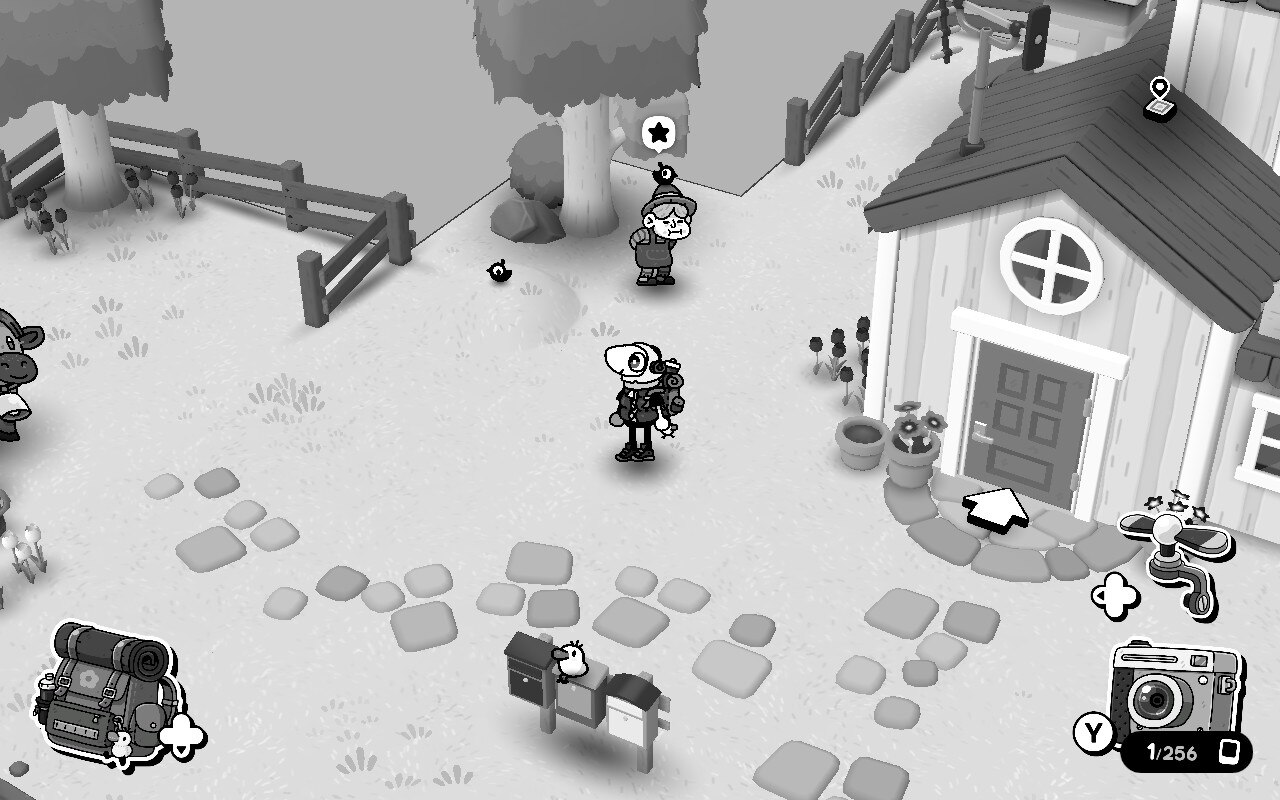
When Swedish indie developer Something We Made released the original Toem in 2021, it mastered this delicate formula. Armed with little more than a monochromatic world, a cheery disposition, and a camera, players solved gentle environmental riddles not by checking off a grocery list of linear tasks, but by observing the eccentric habits of its inhabitants and applying photographic ingenuity.
Now, with the September 29, 2026 release of Toem 2, the studio has returned to the drawing board. Priced at a modest $17 / £13.59 and fully Steam Deck verified at launch, the sequel invites players once more behind the viewfinder. Grandma is sending our nameless, bulbous-headed protagonist on a cross-country bus trip to witness the elusive, majestic blooming of the whirling birch tree. Yet, as the journey unfolds across four distinct towns, a lingering bittersweet truth settles over the experience: Toem 2 is undeniably cute, but in its quest to be smoother and more accessible, it has streamlined away the beating heart of its puzzle-adventure heritage.
Chronology and Progression: The Road to the Whirling Birch
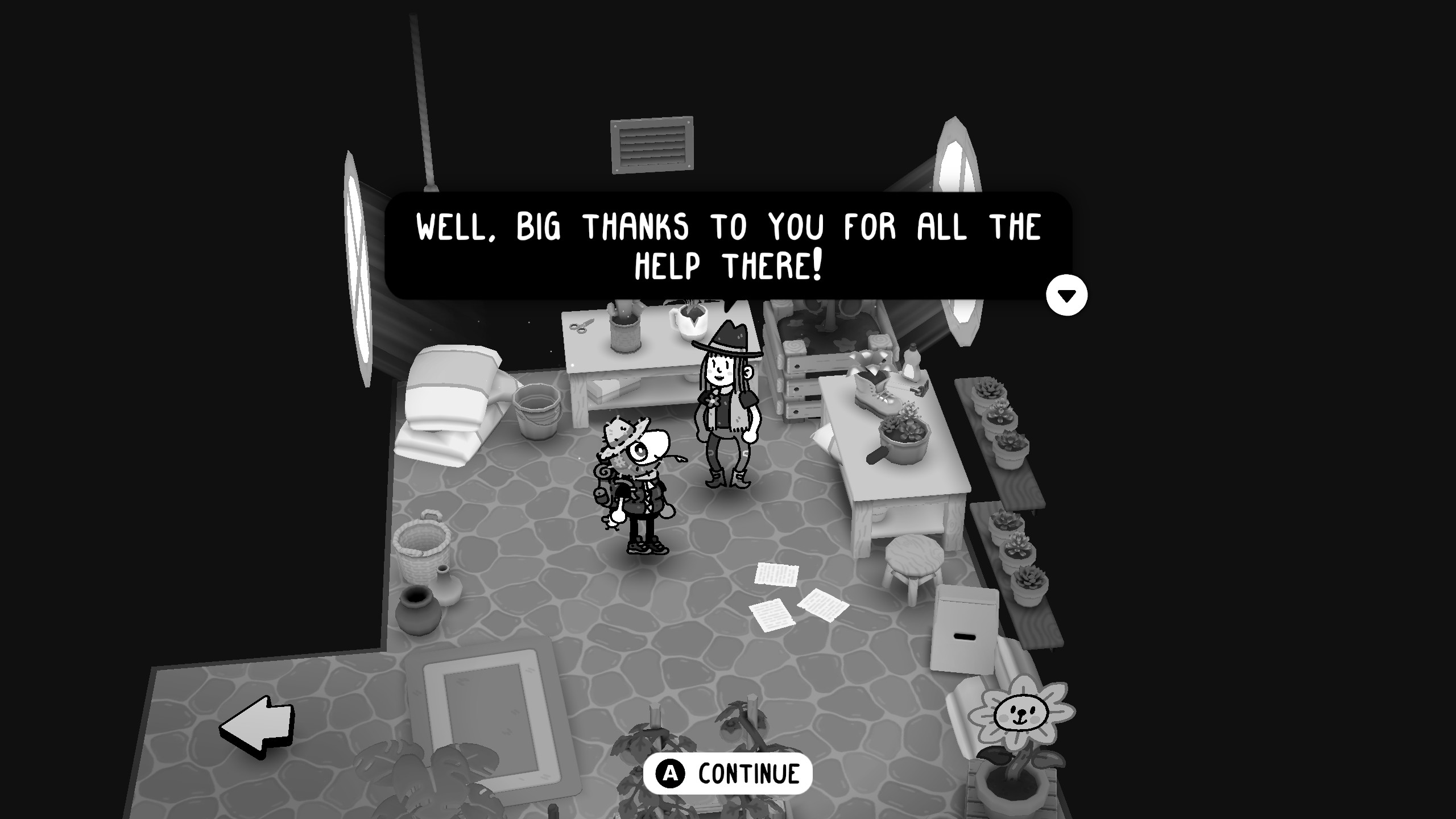
The narrative spine of Toem 2 kicks off in familiar comfort. Grandma packs you off with your trusty vintage dynamic-zoom camera, setting your sights on the horizon. However, the open-ended transit system of the first game—where collecting any random assortment of stamps across a zone would buy your ticket to the next destination—has been refitted with a much stricter structural pipeline.
The Four-Town Trek
Your voyage spans four distinct, beautifully rendered towns. Unlike the original title, which allowed players to tackle quests in almost total anarchic freedom, Toem 2 enforces a more linear choreography for progress. In each locale, you are paired with a specific, newly introduced camera attachment. Concurrently, you will run into a designated hapless local who explicitly requires your assistance using that exact tool before you can even think about boarding the next bus.
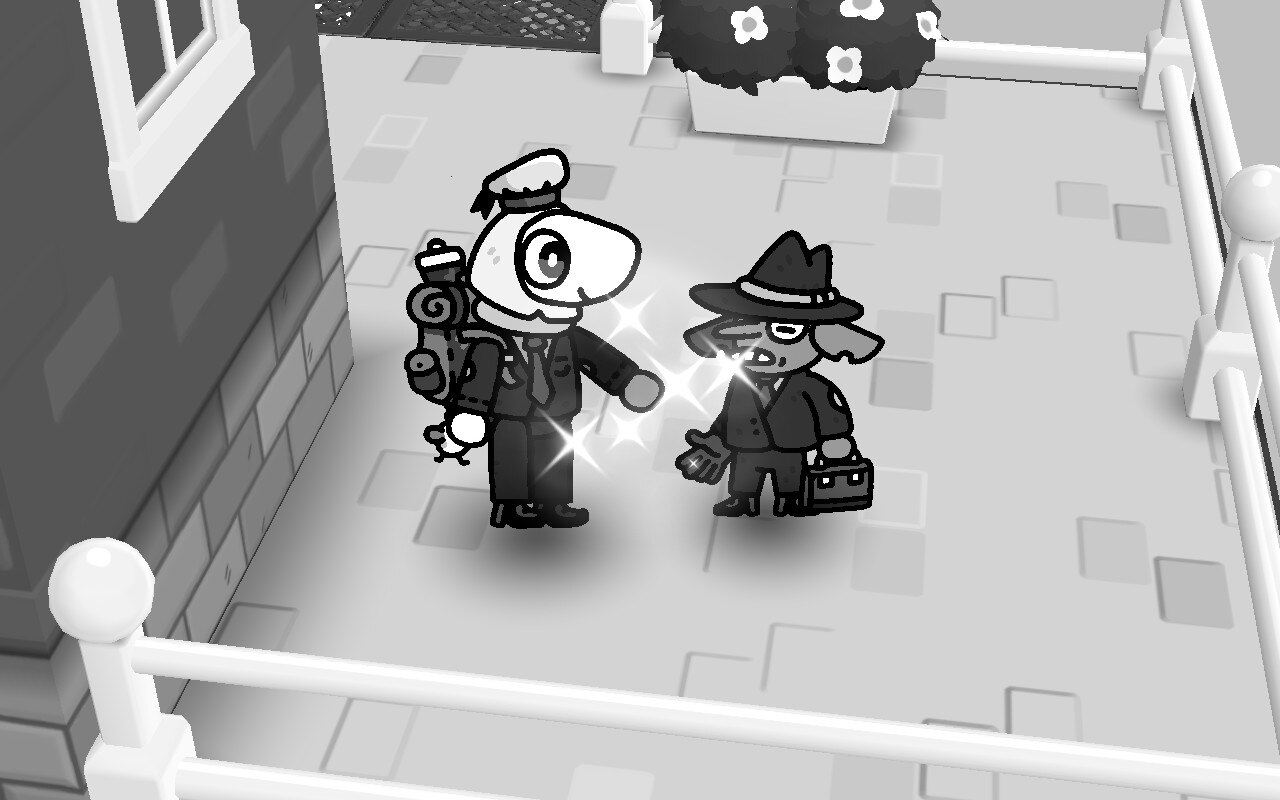
While helping these citizens is technically optional if you just want to speedrun the main path, engaging with them forms the intended, emotionally resonant core of the experience. You aren’t just taking random pictures anymore; you are fulfilling targeted service contracts dictated by the game’s carefully measured pacing.
A Typical Session on the Road
A standard hour spent traversing Toem 2 looks something like this:
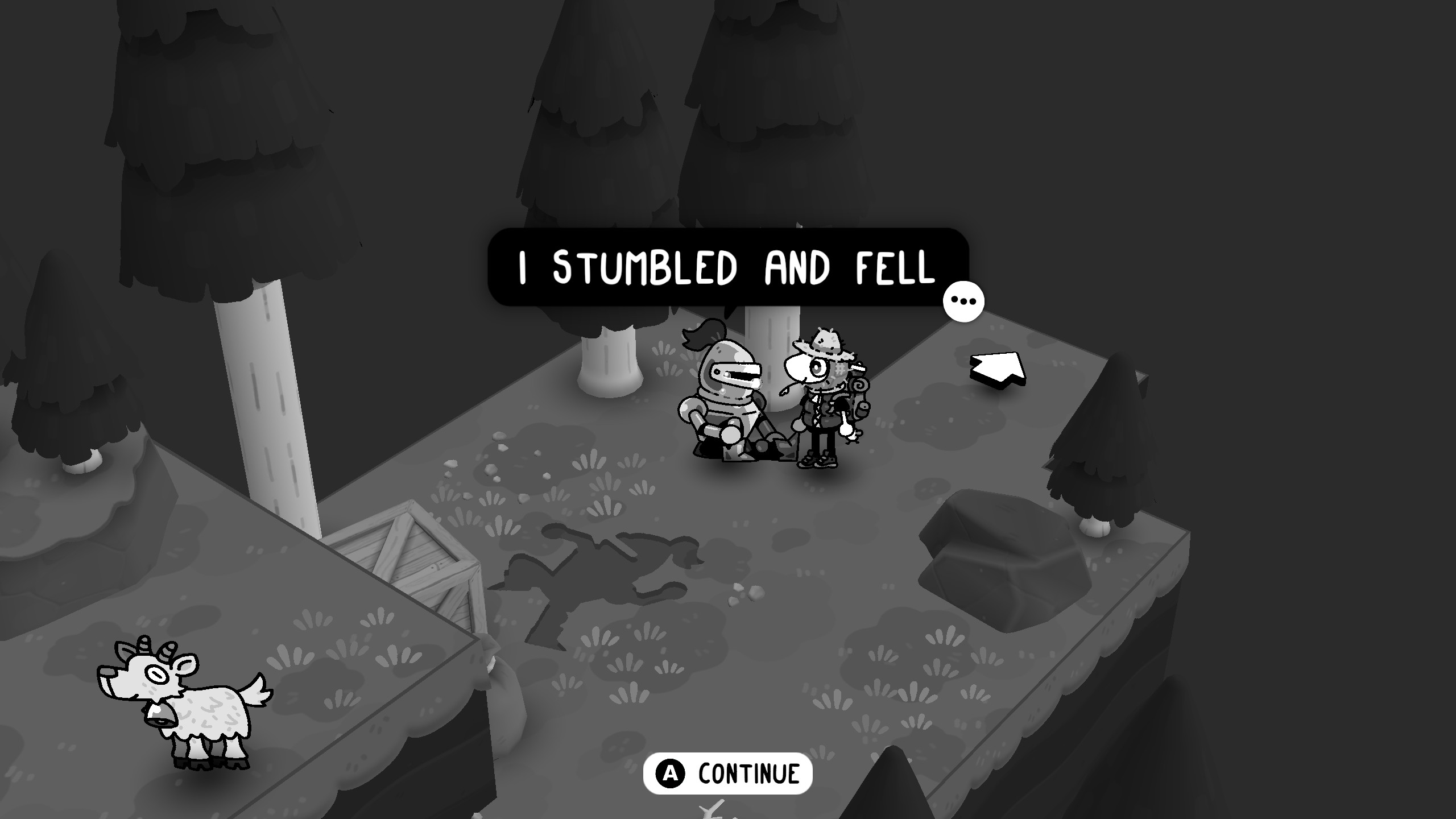
- Arrival & Assessment: You step off the bus into a new pastel-hued town, greeted by ambient, relaxing soundscapes and an eccentric local cast.
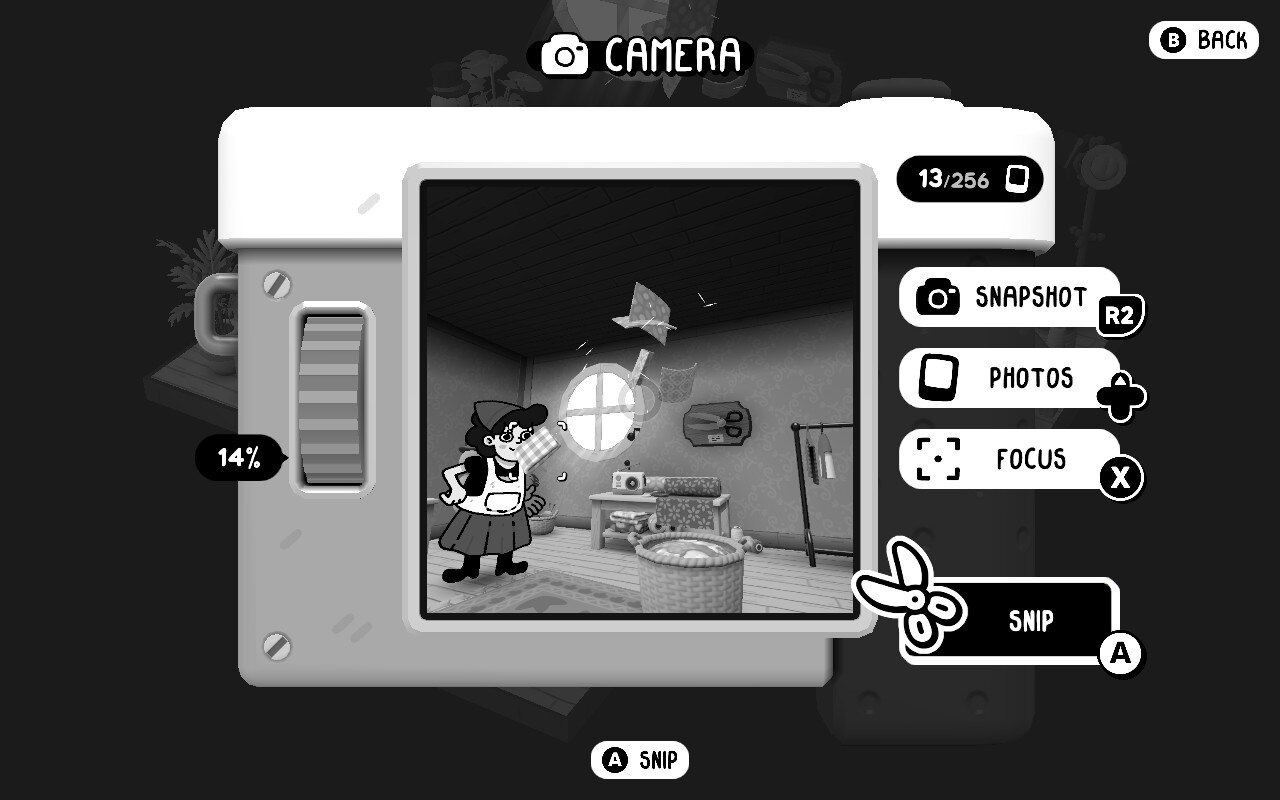
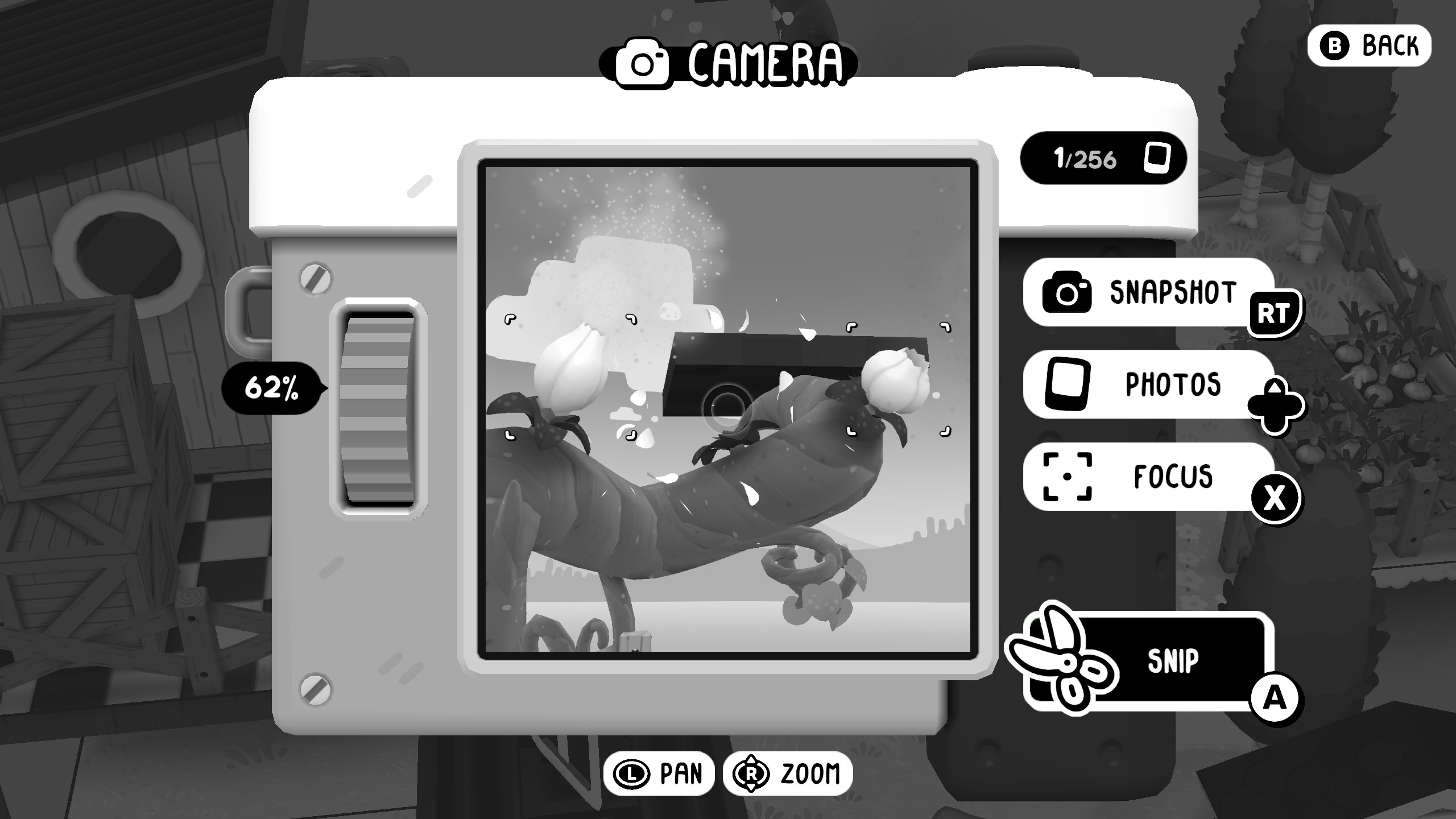
- The Tool Acquisition: You are handed or discover a new mechanical attachment for your camera (such as a pair of precision scissors built right into the viewfinder).
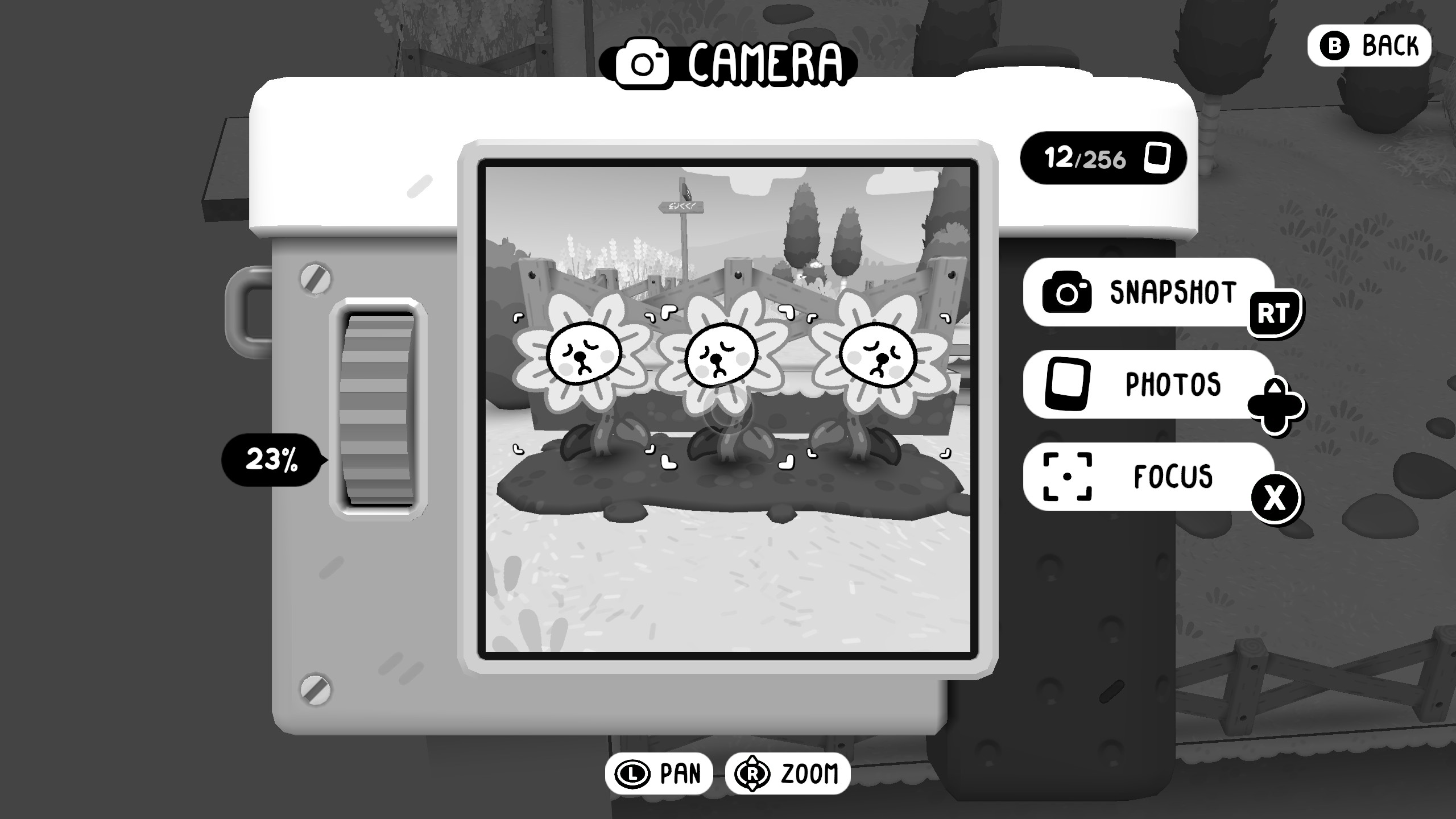
- The Directed Chore: You track down the local NPC whose dilemma directly counters your new tool—for instance, a frantic gardener who needs visual inspiration for creative, non-traditional plant pots, or a trio of melancholic dandelions seeking proof that their missing sibling is safe.
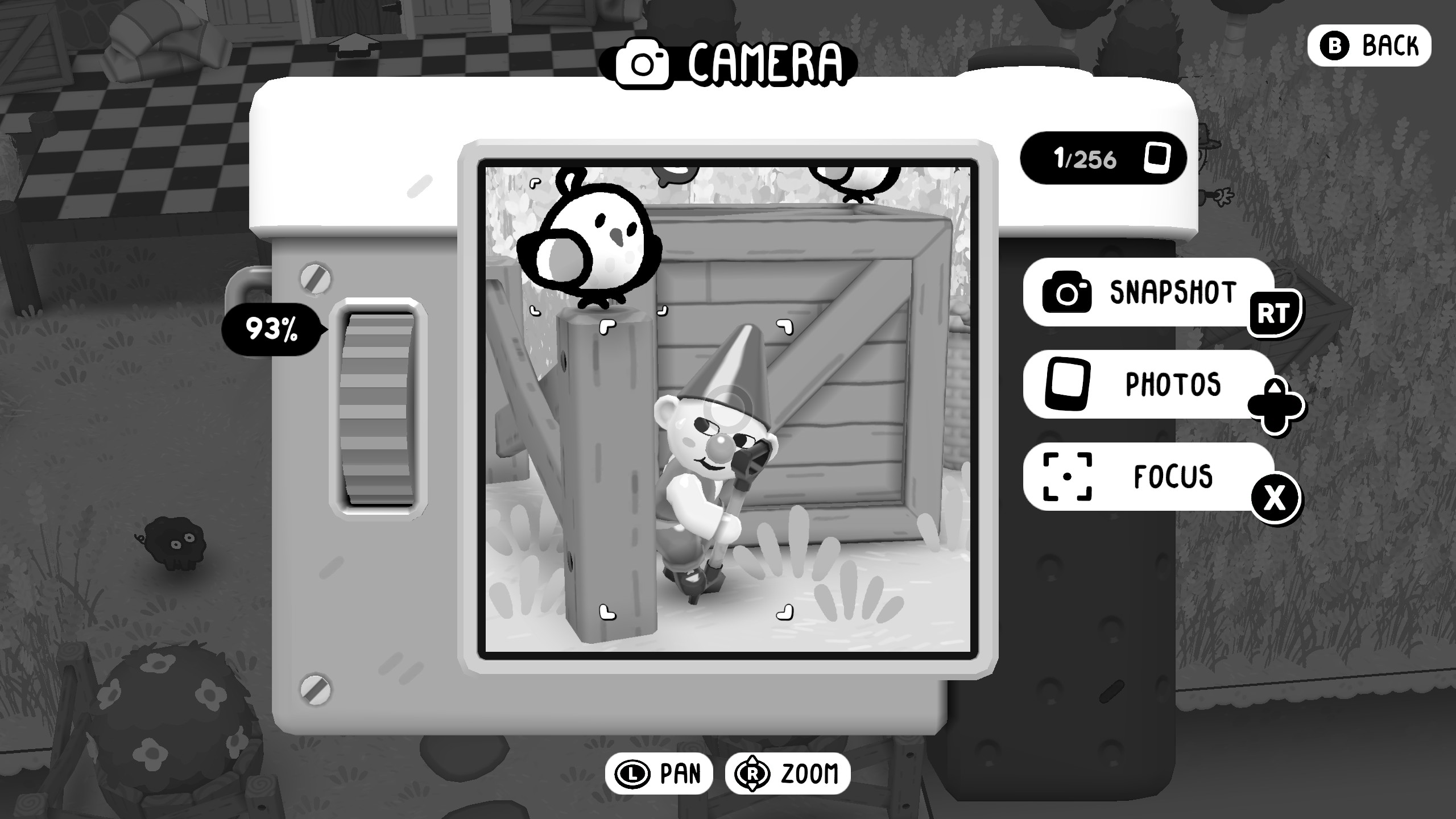
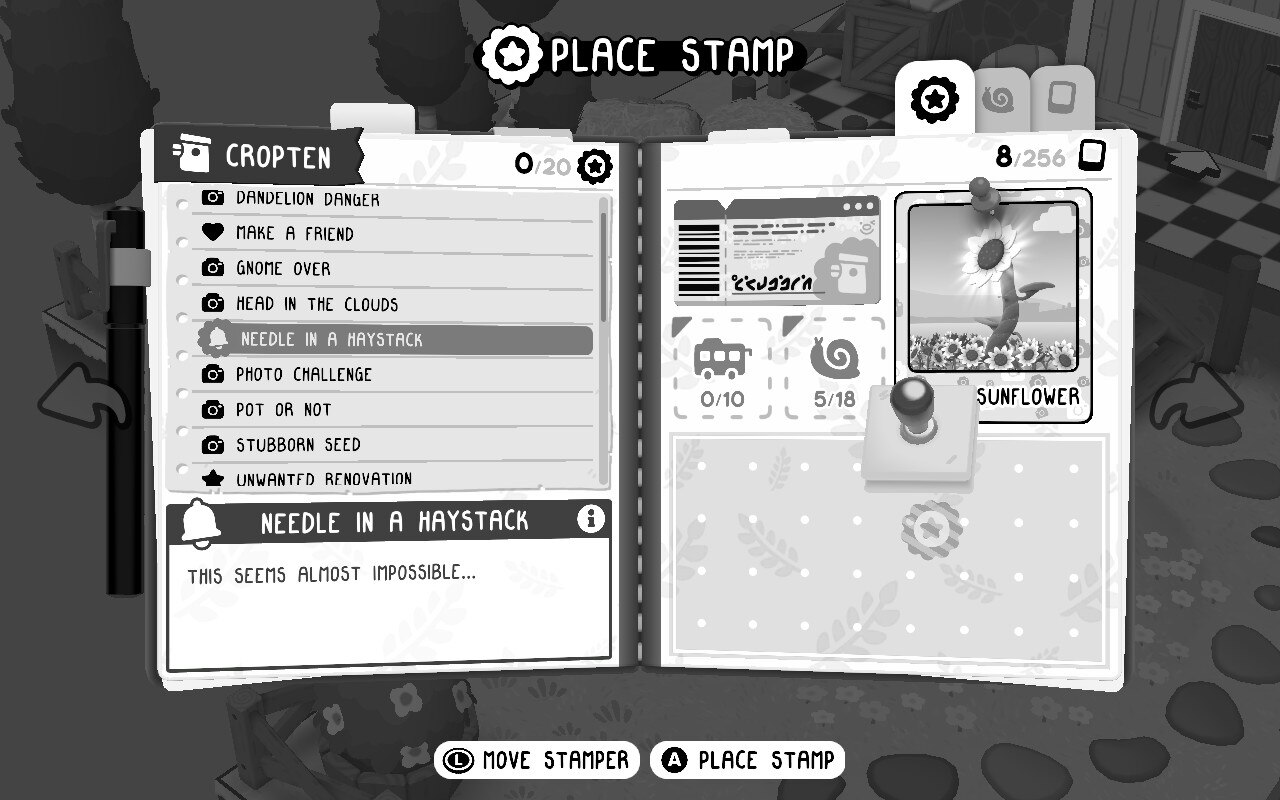
- The Snapshot: You aim, frame, adjust the dynamic zoom, and click. The game registers your success, stamps your journal, and gently pushes you toward the next checkpoint.
Supporting Data: Quests, Collectibles, and Camera Mechanics
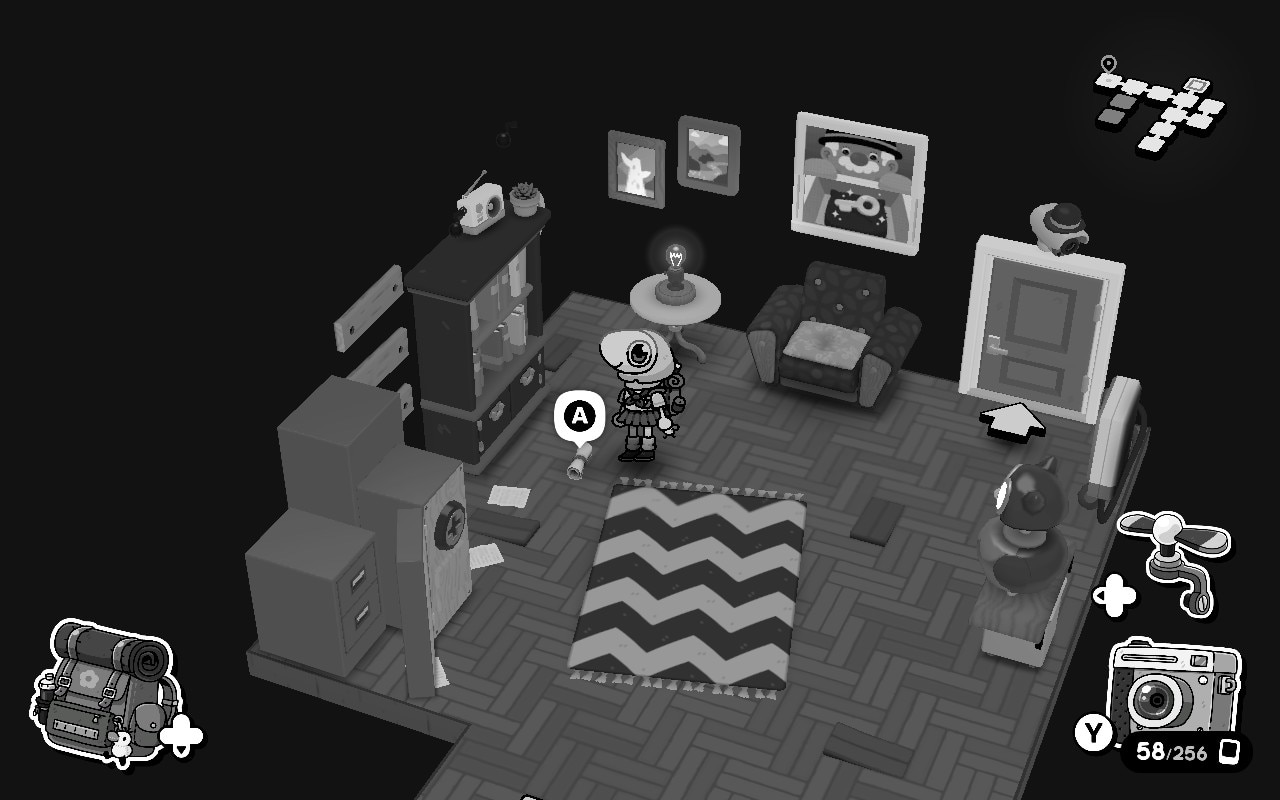
To its credit, Toem 2 expands significantly on the raw mechanical toybox available to the player. The camera is no longer a simple single-purpose lens; it is a versatile utility knife loaded with various attachments that double as non-photographic functional tools.
Camera Enhancements and Creative Tasks
- Scissors Attachment: Your first major upgrade functions as a precision cutting tool. By aiming your viewfinder at designated physical barriers or overgrowth and pressing the interaction button, you slice paths open directly through the lens.
- Airborne Camera Tripod (Heli-Camera): One of the most joyous additions for traversal and photography buffs alike is the deployable mini-copter tripod. Players can scramble onto a table, rock, or structural obstacle, and launch the heli-camera into the air to capture sweeping, bird’s-eye selfies or solve vertical environmental puzzles from afar.
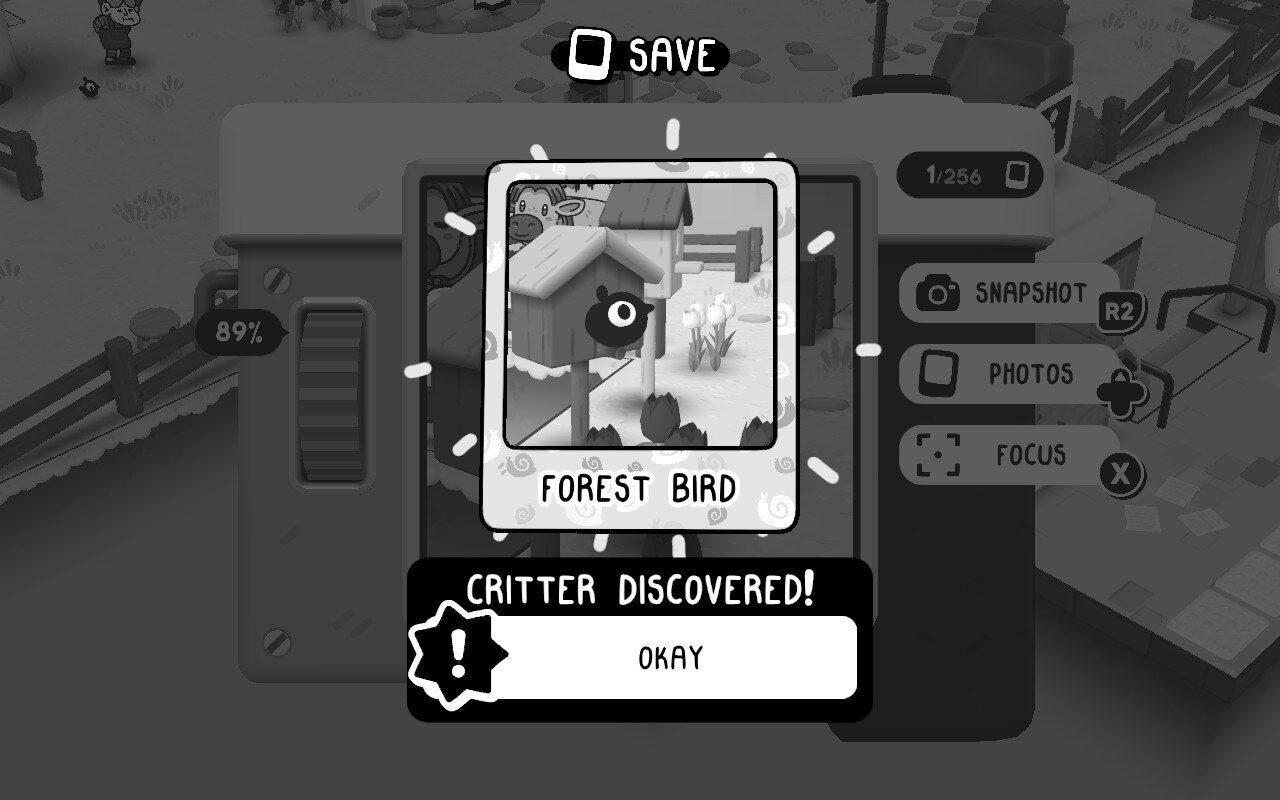
- The Critter Compendium & Outfits: For completionists, the sequel retains the creature cataloging system from the original game, challenging you to snap every hidden bug and beastie in the ecosystem. Additionally, a robust wardrobe of collectible outfits returns—with the standout favorite being a giant, inflatable mascot version of your own character’s head.
Traditional Adventure Elements
Not every problem in Toem 2 can be solved with the shutter button. The developers weave in several classic adventure game tropes that require old-fashioned spatial interaction rather than optical trickery:
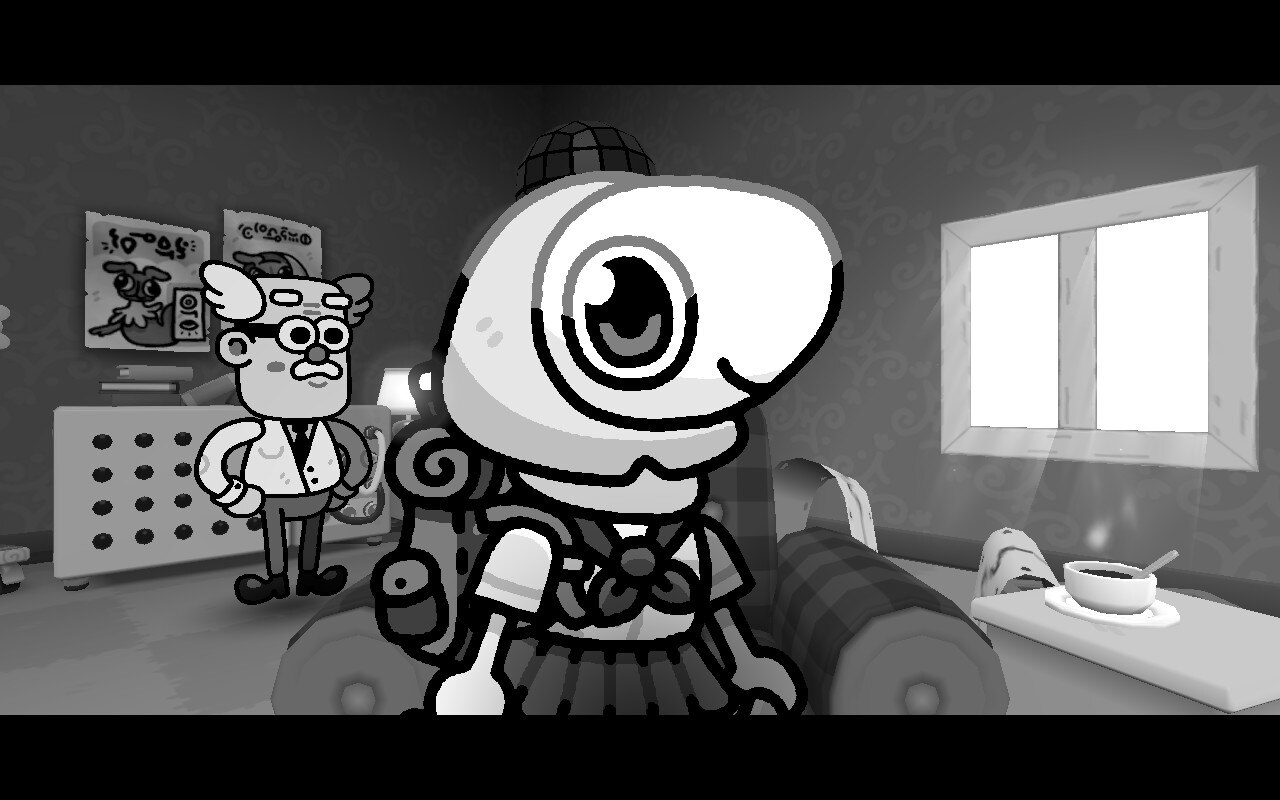
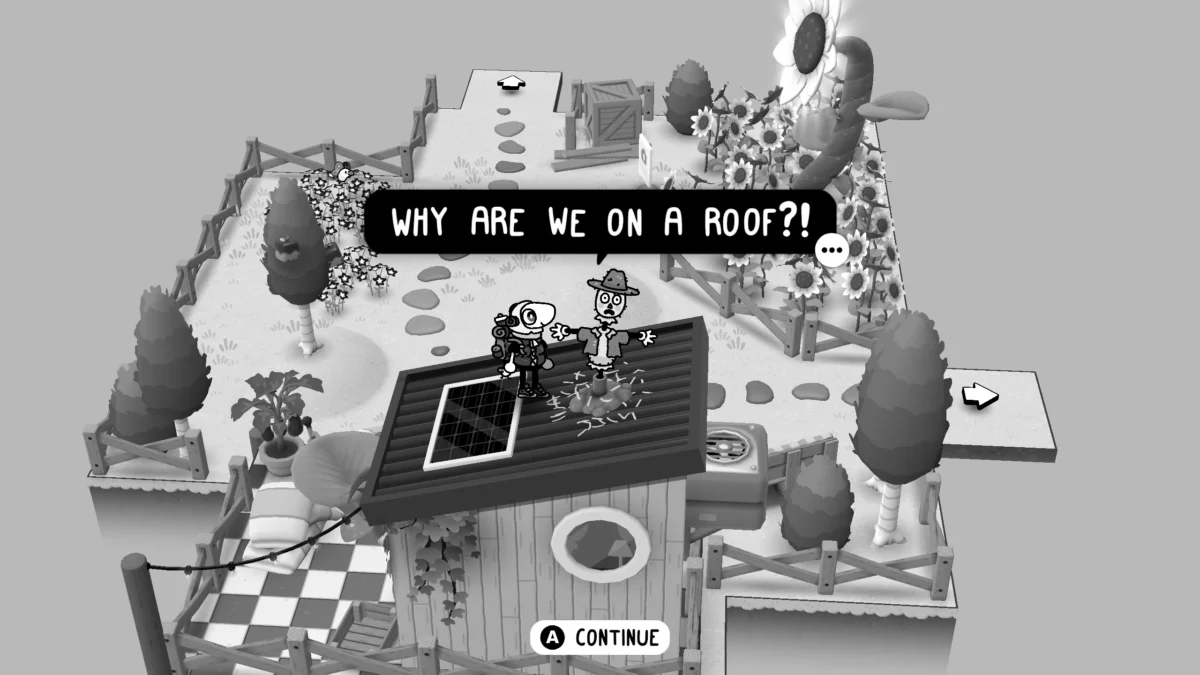
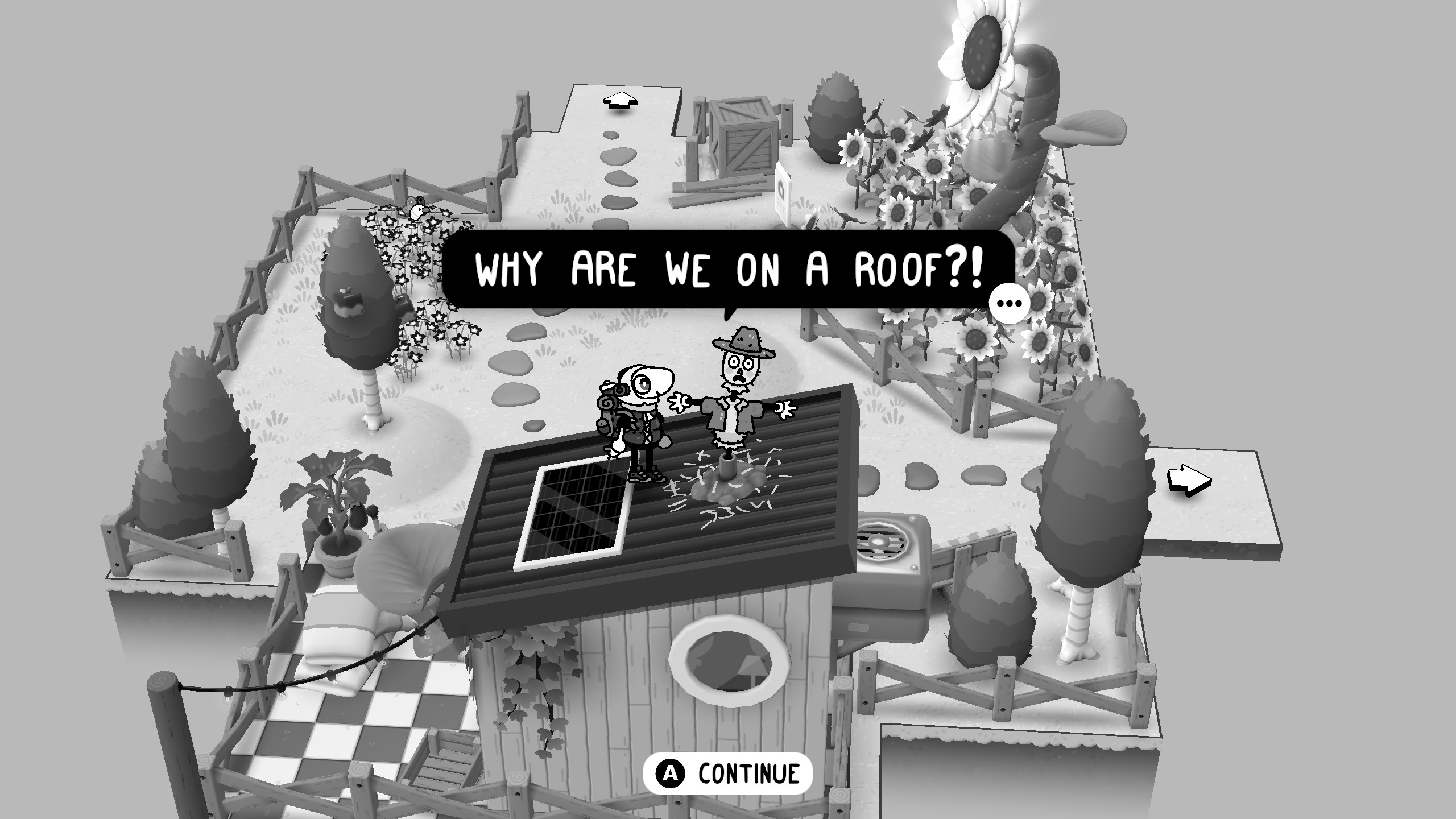
- The Scaredy-Cat Scarecrow: A terrified wooden guardian who refuses to move until you physically carry him to a bird-free perch.
- The Injured Knight: A valiant warrior nursing a serious medieval boo-boo who requires a very specific crafting potion to get back on their feet.
- The City Escape Room: A dedicated puzzle enclosure tucked away in the urban hub that awards a rare prize to players smart enough to crack its environmental code.
Official Responses and Developer Intent
Speaking around the design philosophy of Toem 2, developer Something We Made has emphasized a desire to make the adventure genre feel welcoming, frictionless, and cozy for modern players who might bounce off the obtuse moon-logic of classic point-and-click titles.
By tying specific tools to specific local conflicts, the team aimed to eliminate dead ends and reduce frustrating backtracking. In internal design notes and pre-release communications, the studio highlighted the sequel’s narrative clarity, ensuring that players always understand what tool they are expected to use and where the game wants them to point it.
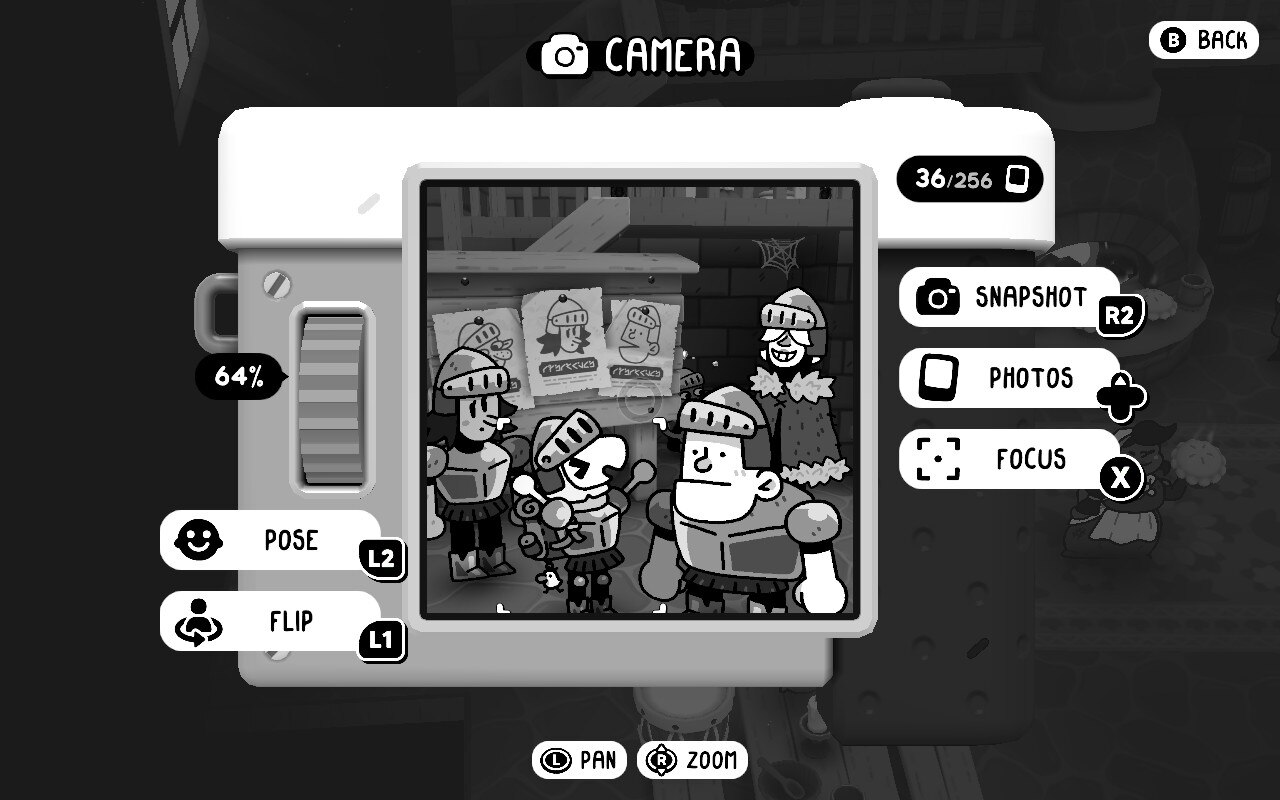
Yet, this design choice has created a distinct philosophical divide among critics and veterans of the first game, trading raw player discovery for guaranteed forward momentum.
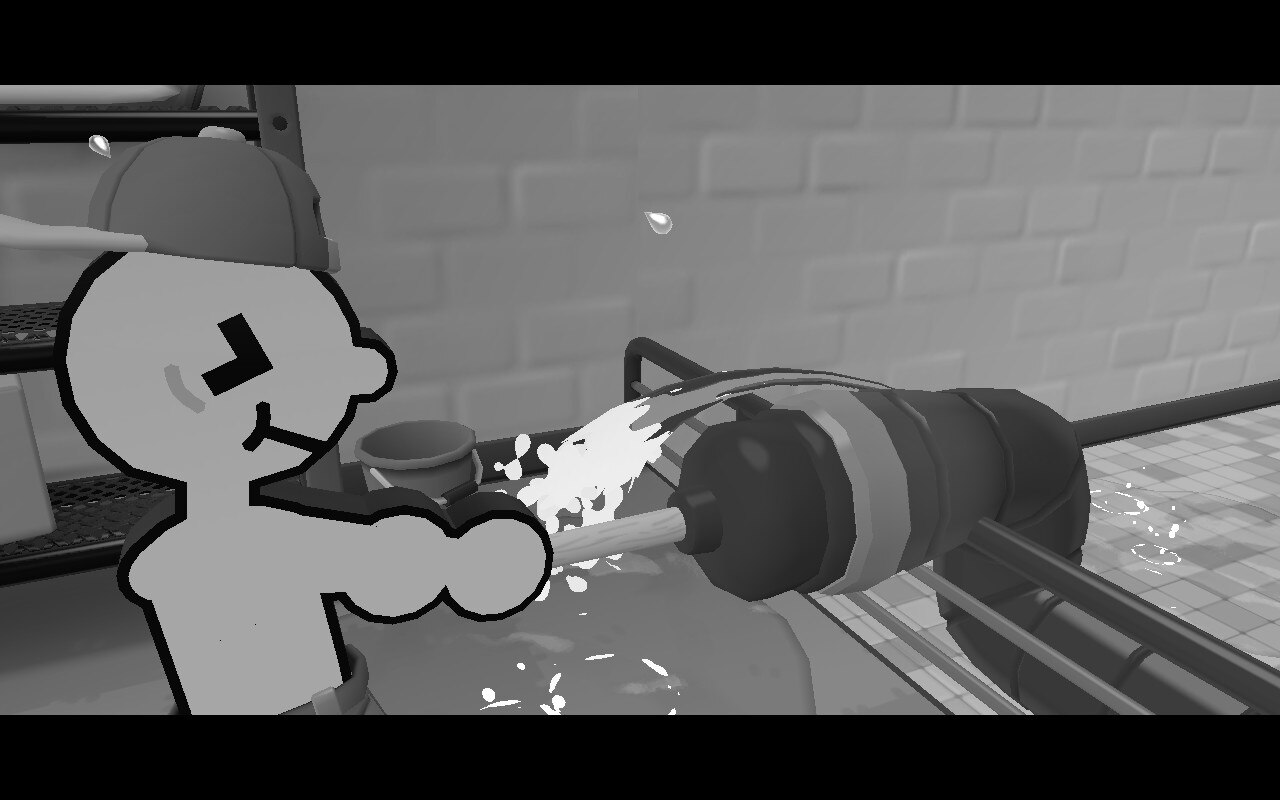
Implications: The Problem With "Nails and Hammers"
There is an old, well-worn adage in tool-based game design: “To a man with a hammer, everything looks like a nail.”
In the case of Toem 2, the developers gave players a brilliantly designed, multifaceted camera hammer—and then meticulously ensured that every single obstacle placed in the world was shaped precisely like a nail.
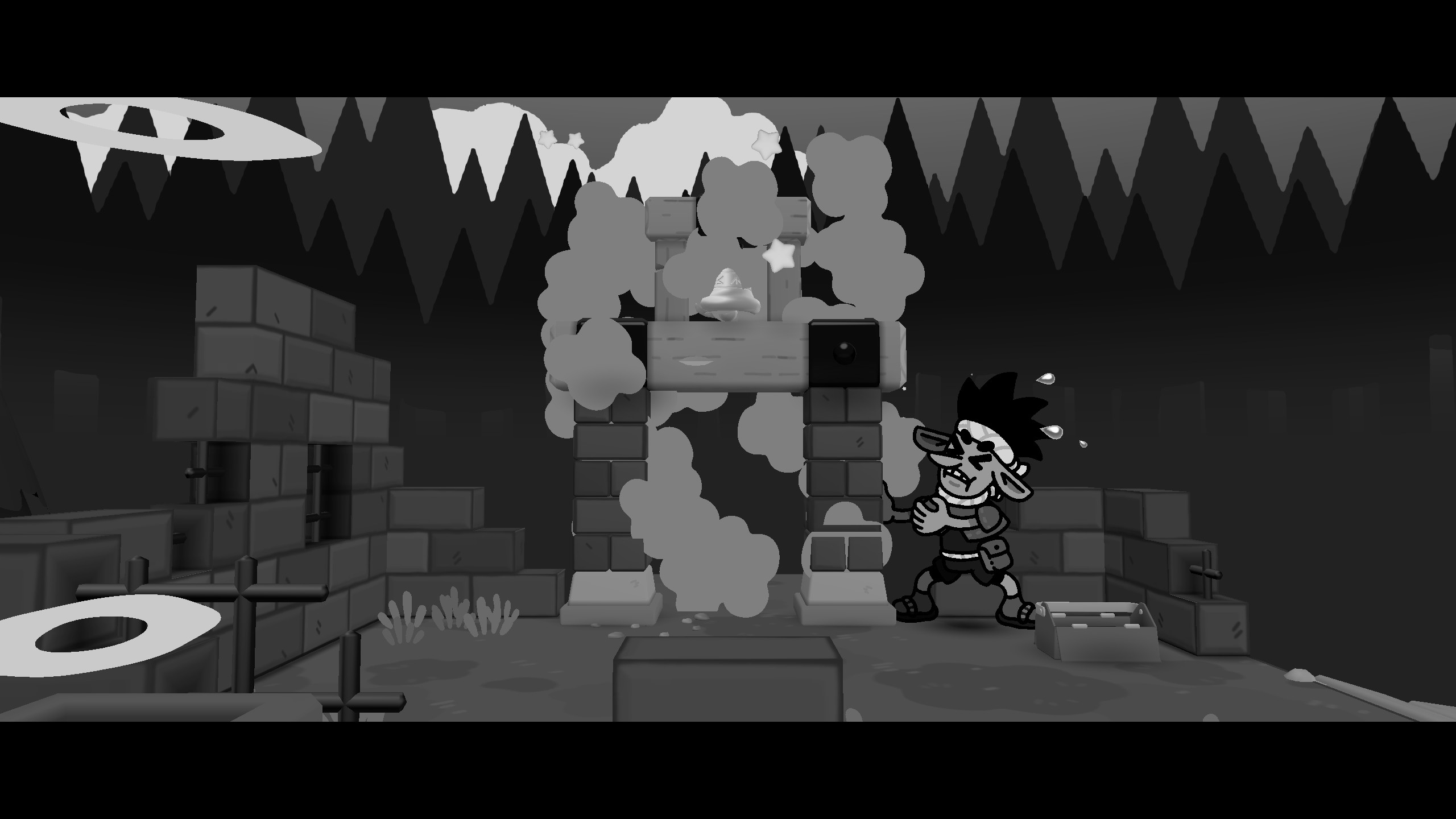
The Loss of Cerebral Friction
The fundamental critique facing Toem 2 isn’t about its charm, its art style, or its technical performance on the Steam Deck (where it runs flawlessly at a locked framerate). Rather, it stems from a lack of cognitive friction.
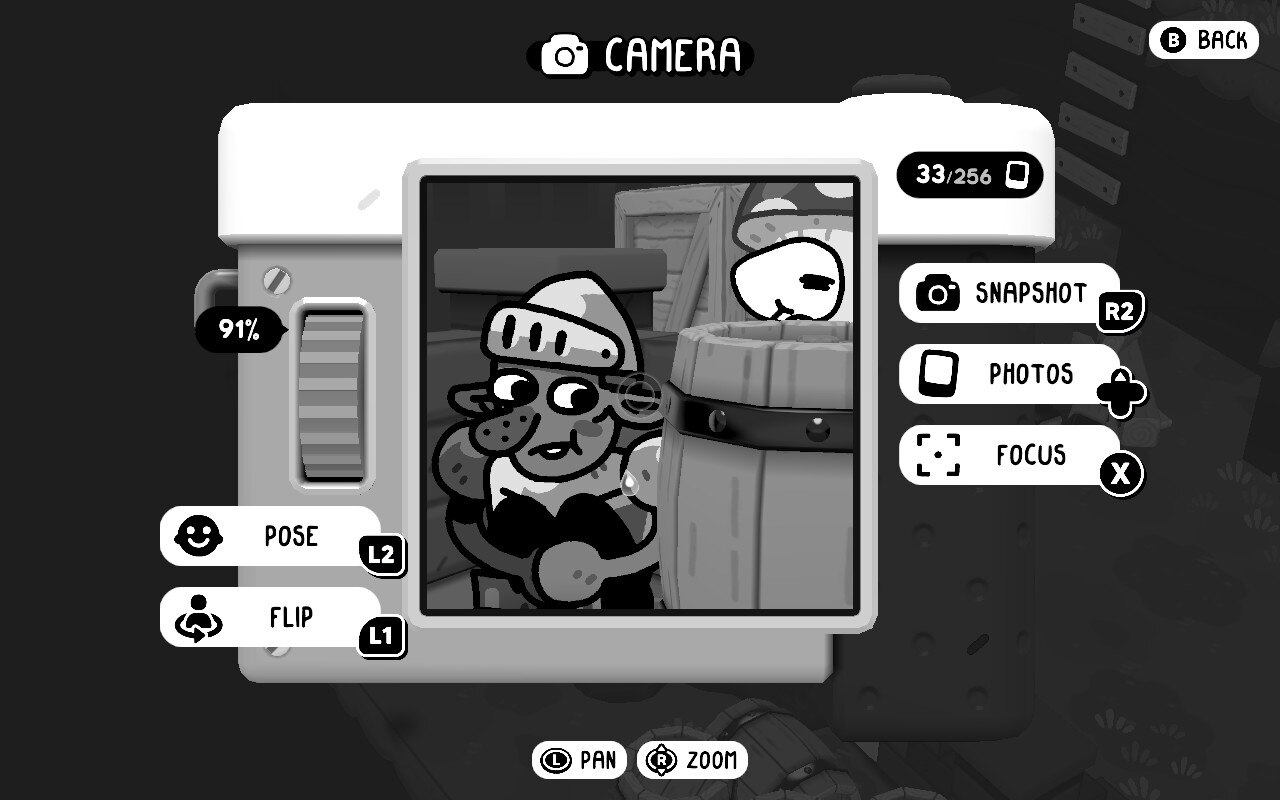
In superior puzzle and adventure games, riddles operate like abstract poems; they offer oblique hints rather than step-by-step instructions. The dopamine hit comes from the ambiguity—sorting through five different possibilities until your brain makes the intellectual leap.
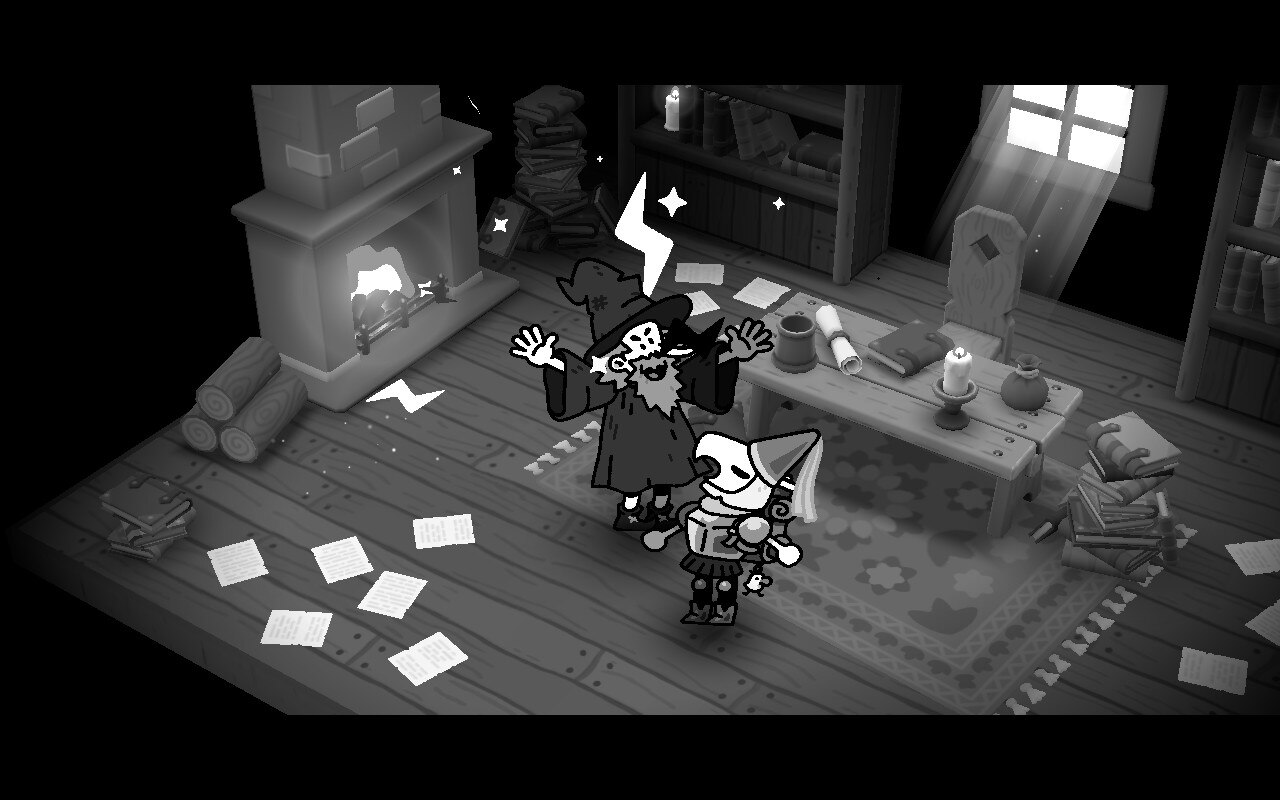
In Toem 2, the automation of the puzzle loop dampens that spark. Because each area is meticulously mapped around your current tool, you rarely have to think laterally. You simply walk forward until you encounter the glaringly obvious environment that demands your current attachment. You click the camera, solve the prompt, and move on. You do a lot of camera clicking, but very little brain clicking.
Conclusion: A Sweet Trip, But a Safe Sequel
Toem 2 is by no means a bad game. For players seeking a breezy, visually delightful, low-stress afternoon of cozy photography and charming character interactions, it delivers precisely what is advertised on the tin. It is warm, funny, mechanically polished, and effortlessly playable on handheld devices like the Steam Deck.
However, by smoothing away the jagged edges, trial-and-error experimentation, and open-ended wandering of the 2021 original, Something We Made has inadvertently sanded down the very qualities that made the first game feel magical. It is a sweet, fleeting road trip—just one where the GPS leaves virtually no room to get wonderfully, creatively lost.

