

By Jen Glennon
Published September 10, 2026
Main Facts: The Intersection of Virtual Destruction and Real-World Psychology
I have never pulled a legendary sword from a stone. I have never been recruited into the yakuza by a grizzled hardass in a dank Osaka bar. It is not often that modern society allows us to cleanly and safely act out the high-stakes, hyper-violent scenarios of a video game in real life.
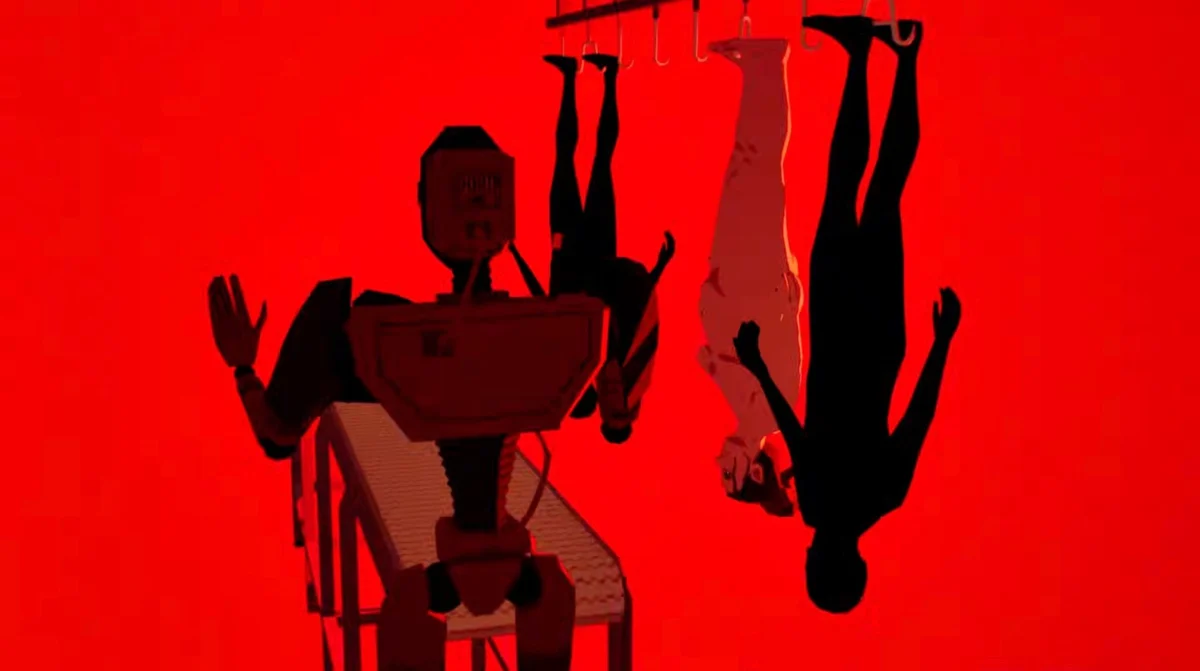
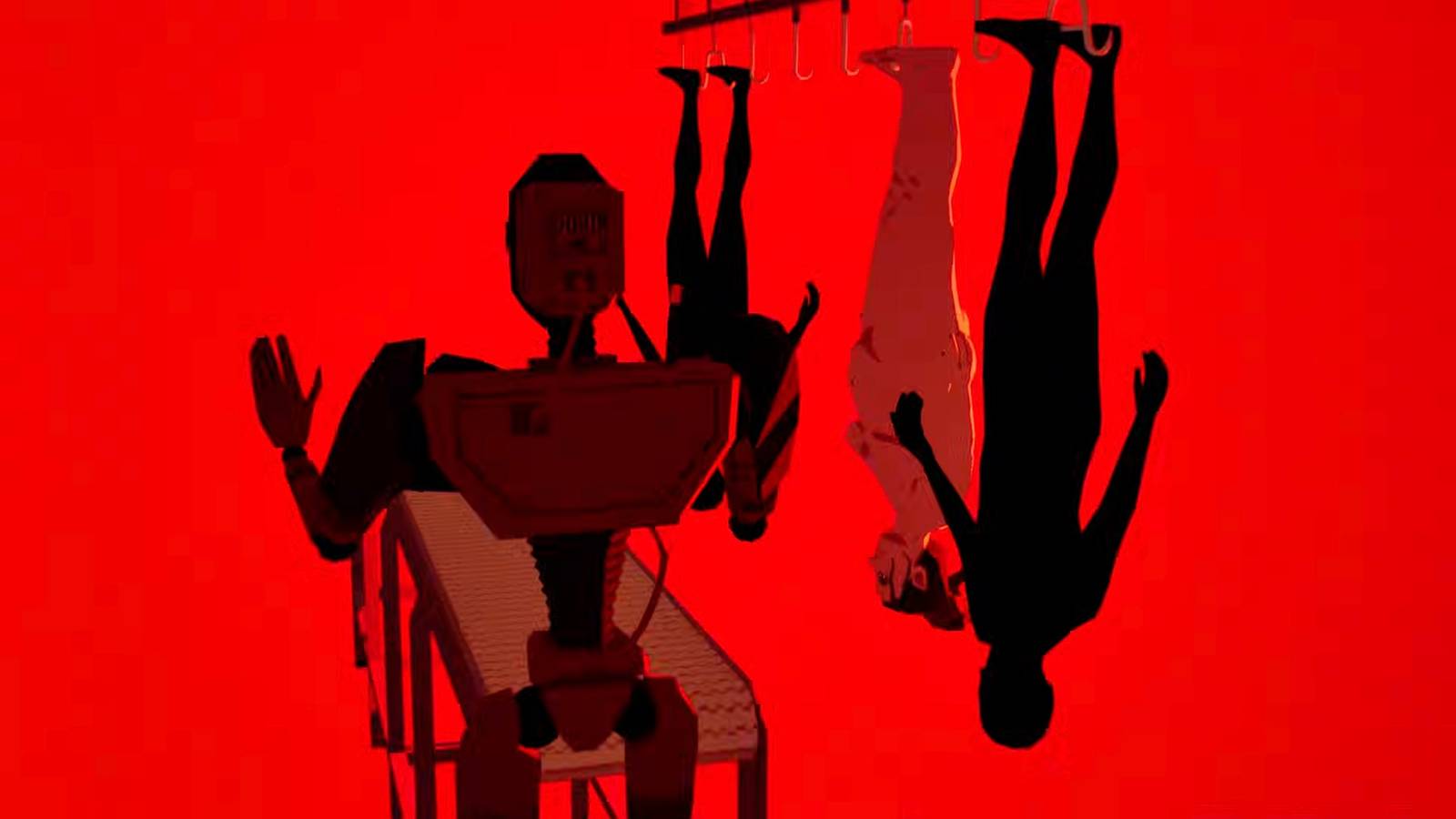
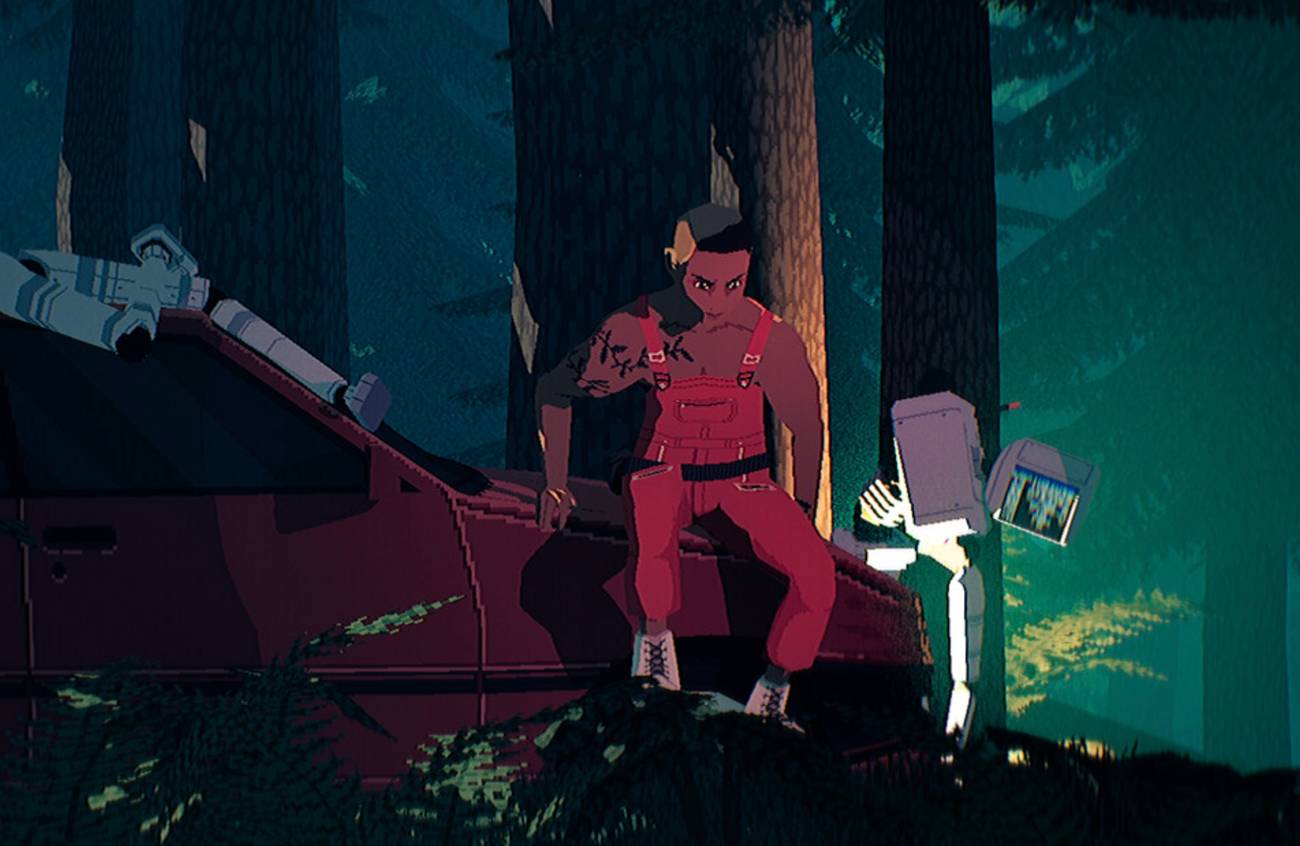
Yet, on a humid Wednesday afternoon, I found myself inside a rage room tucked away on Manhattan’s Lower East Side, actively living out the fever-dream narrative of Virtue and a Sledgehammer. Developed as a collaborative effort between indie studios Deconstructeam and Selkie Harbour, and published by Devolver Digital, the upcoming narrative adventure follows Pratelle. She is a one-woman army on a relentless crusade to demolish what remains of her hometown in rural Spain, armed only with what she aptly describes as "20 pounds of physical media."
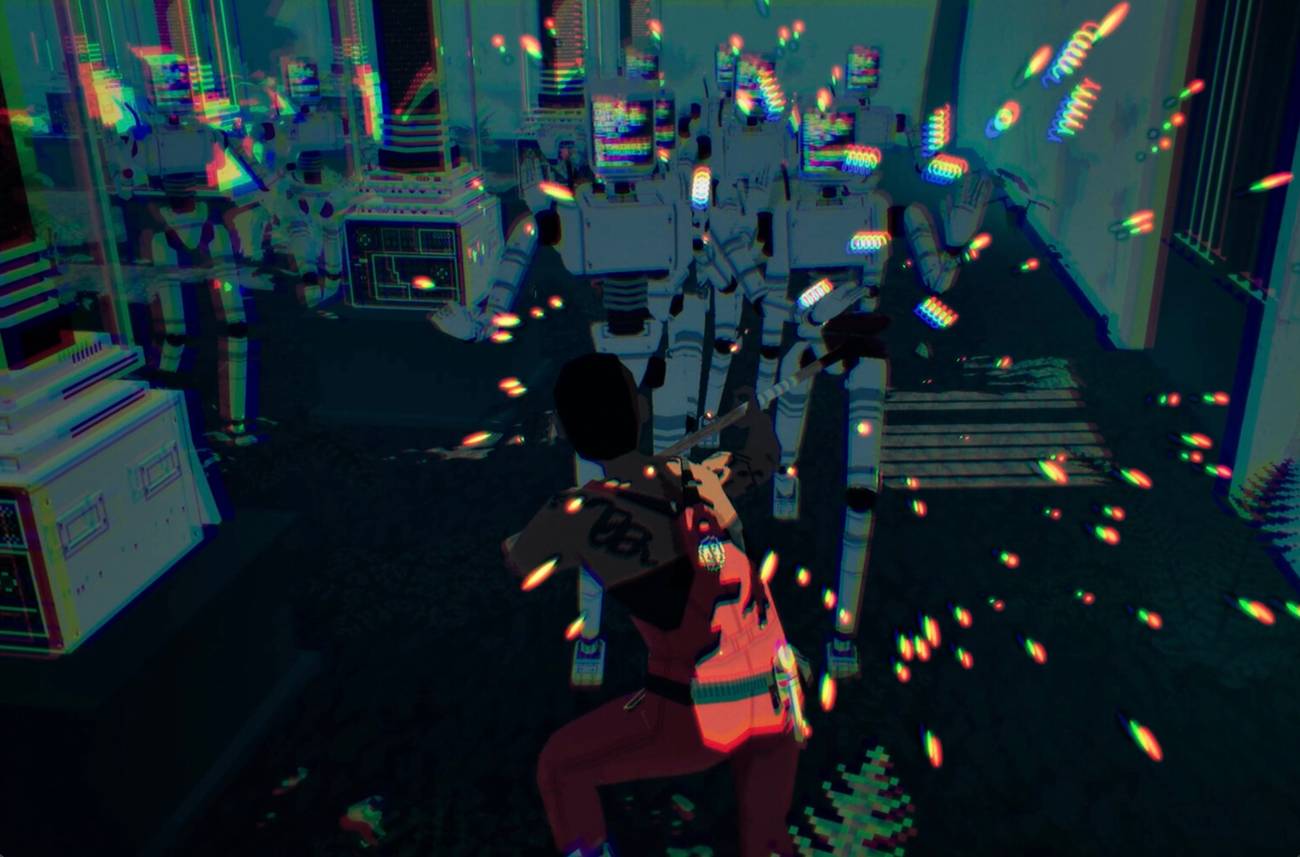
In Virtue and a Sledgehammer, Pratelle navigates the hollow, uncanny ruins of her childhood. Along the way, she encounters the digitized remnants of former neighbors whose memories have been crudely uploaded into cube-headed robots. Some of these mechanical phantoms greet her return with trepidation, while others meet her with outright hostility. Regardless of their disposition, they all share a singular fate: they get the hammer. Everything gets the hammer.
While the game presents an enticing, stylized playground for cathartic destruction, it also serves as a fascinating lens through which to examine our cultural obsession with breaking things. Why does swinging a blunt instrument into a pane of glass—whether on a PC monitor or inside a soundproofed urban demolition chamber—feel so profoundly satisfying? To find out, I spoke with Dr. Eric Leonardis, an affective neuroscientist and postdoctoral fellow at the Salk Institute in La Jolla, California, to unpack the complex neurochemistry and anthropology behind our primal urge to smash.
Chronology: From Ancient Burial Rituals to Modern Digital Catharsis
To understand why smashing things feels so intrinsically rewarding, one must look beyond the immediate adrenaline rush and examine how human beings have historically coped with grief, powerlessness, and technological anxiety.
The desire to destroy meaningful objects is not a modern aberration born of late-stage capitalism or video game culture. According to Dr. Leonardis, ritual destruction is a deeply rooted anthropological phenomenon that transcends millennia and geography. He points specifically to historical practices documented among Mayan and American Southwest indigenous cultures.
"They would take bowls and ceramics that belonged to people who died, and they would actually destroy them during burial rituals," Leonardis explains. "They would intentionally poke holes in the bowls so that no one could ever use them again, and then place them over the faces of the dead, to make sure that those who were still living could no longer use these objects because the person might need them in the afterlife."

This ancient practice was far more than mere vandalism or grief-stricken thrashing. It was a conscious attempt by humans to assert control and agency over situations where they found themselves entirely powerless. By destroying an object of profound symbolic value, survivors could navigate their grief and eventually move toward acceptance.
Fast forward to the present day, and that same impulse has been commercialized into urban rage rooms, while finding a safe, highly stylized outlet in interactive media like Virtue and a Sledgehammer. Pratelle’s crusade through her ruined hometown mirrors this ancient need for agency. Faced with a traumatic past and a present dominated by cold, sterile automation, she picks up the heavy iron tool herself rather than sitting idly by as the world burns around her.
Supporting Data: The Neurochemistry of the Smash
When I first stepped into the Manhattan rage room, I expected to instantly channel some inner, primal beast. The reality was far more humbling. The physical space was tight, and the physics of destruction proved surprisingly daunting at first. When I hurled a ceramic plate against the reinforced wall, it merely bounced back with superficial chips, leaving me feeling slightly embarrassed.
Eventually, I settled on my tool of choice: an aluminum baseball bat. I zeroed in on a decommissioned LED television set and went to town. Busting straight through the glass screen, I tore through the layers of plasticine sheets forming its internal matrix, driving all the way down to the heavy metal shell encasing the back. After just thirty minutes of vigorous swinging, I was drenched in sweat and grinning like an idiot.

To explain why this simple, destructive act triggered such an intense wave of euphoria, Dr. Leonardis breaks down the neurochemical cascade that occurs in the brain during bouts of physical exertion and destruction.
Contrary to popular belief, smashing things is not about venting anger or achieving emotional catharsis in the traditional sense. "The first intuition you have is that this is about venting anger… The idea that if you express your anger and let it out, then you won’t be angry in the future, right? Actually, this is a myth. This is something that’s been debunked scientifically," Leonardis notes.
He points toward a comprehensive meta-analysis evaluating 154 studies, which looked at attempts to soothe anger through physical activities like punching bags or running. The research revealed that such activities often result in more aggressive behavior because individuals ruminate on their grievances while engaging in the physical act. This phenomenon, known as "excitation transfer," keeps heart rates elevated and stress responses active, making it difficult for the brain to process the true source of agitation.
However, even if destroying a thrift-store television doesn’t magically cure deep-seated anger, it does flood the brain with a potent cocktail of pleasurable neurochemicals that mimic the effects of narcotics.
- Endocannabinoids: Responsible for the classic "runner’s high," released during sustained physical exertion.
- Endogenous Opioids: The brain’s natural morphine, secreted by the pituitary gland and hypothalamus directly into the bloodstream to dull pain and elevate mood.
- Dopamine: The primary reward chemical, released throughout the ventral tegmental area and striatum, reinforcing the behavior and making us want to repeat it.
- Serotonin: A critical mood-regulating chemical that surges when the body exerts physical force.
When my bat made that first solid, crunching dent in the TV screen, the resulting chemical flood felt remarkably similar to consuming a stiff drink. Furthermore, neurological studies on the "illusion of control" demonstrate that simply believing you have agency over a painful or stressful stimulus dramatically reduces how your brain and body experience that stress. When someone else inflicts pain or stress, physiological conductance (such as sweat and heart rate) spikes; when you hold the hammer, the psychological burden lightens.
Official Responses and Creative Vision: Crafting Virtue and a Sledgehammer
Virtue and a Sledgehammer amplifies these neurochemical responses by anchoring them to a deeply personal narrative of trauma, family resentment, and environmental decay.
The game’s aesthetic choices deliberately evoke a sense of hostility and raw emotional turbulence. Eschewing the ubiquitous, hyper-realistic sheen of modern Unreal Engine 5 titles, Deconstructeam and Selkie Harbour opted for blunt, low-poly angles, high-contrast blood reds, and vivid greens. A thrumming digital soundscape pulls players directly into Pratelle’s simmering headspace. Her movements are characterized by warm skin tones and raw physical power, creating a stark visual and thematic contrast against the skittish, gray, cube-headed automatons populating her path.
Dr. Leonardis notes that simulated destruction also satisfies a healthy, evolutionarily advantageous trait: morbid curiosity. Pratelle’s journey allows players to safely explore what it feels like to completely shatter their environment without facing real-world legal or interpersonal consequences.
"This whole exploration of the morbid actually offers evolutionary benefits," Leonardis explains. "This is a critical function of the prefrontal cortex, that we’re able to separate reality from the virtual… If you have trauma that you’re trying to deal with, it’s always good to go to a professional… But to explore your own morbid curiosity is not a negative thing, and it can help you see how you would respond in situations where things go south."
Implications: Tech Anxiety, Transhumanism, and the Return to the Physical
The timing of Virtue and a Sledgehammer’s release is far from accidental. The game arrives at a cultural inflection point where public anxiety regarding the encroachment of technology has reached a fever pitch.
In the real world, consumers are grappling with a barrage of technological grievances:
- Artificial intelligence models are aggressively scraping intellectual property, threatening creative jobs, and rendering hardware more expensive.
- Massive data centers are consuming staggering amounts of local water supplies while pumping environmental toxins into surrounding communities.
- Major hardware manufacturers, such as PlayStation, are actively fighting legal battles to assert that consumers do not truly own digital media, all while pushing aggressive plans to phase out physical game disks entirely.
"The idea of transhumanism is becoming more and more prevalent in our everyday life. And what we’re seeing is people are responding negatively to a lot of it, especially in the arts," Leonardis observes. "So the idea of hitting a robot with a sledgehammer, that’s very attractive today, when we have AI trying to steal a lot of people’s intellectual property. At the same time, there is this movement against these technological means and returning to physical media, returning to embodiment. We want other humans to be generating the content that we are consuming."

This broader cultural backlash explains why Pratelle takes her hammer to digitized robots rather than flesh-and-blood people, and why visitors flock to rage rooms to smash electronics rather than delicate glassware. Both mediums speak to a profound, collective yearning to take back control from sterile corporate systems and experience something genuinely authentic.
While Dr. Leonardis is quick to clarify that "smashing things is probably not the answer to your trauma," he acknowledges that it remains a deeply ingrained ritualistic tool for asserting human agency in an increasingly chaotic world.
For those who have spent the past several months feeling the itch to take a baseball bat to the digital machinery governing modern life, Virtue and a Sledgehammer offers a cathartic, beautifully crafted outlet.
Virtue and a Sledgehammer is scheduled for release on Windows PC via Steam this fall.

