

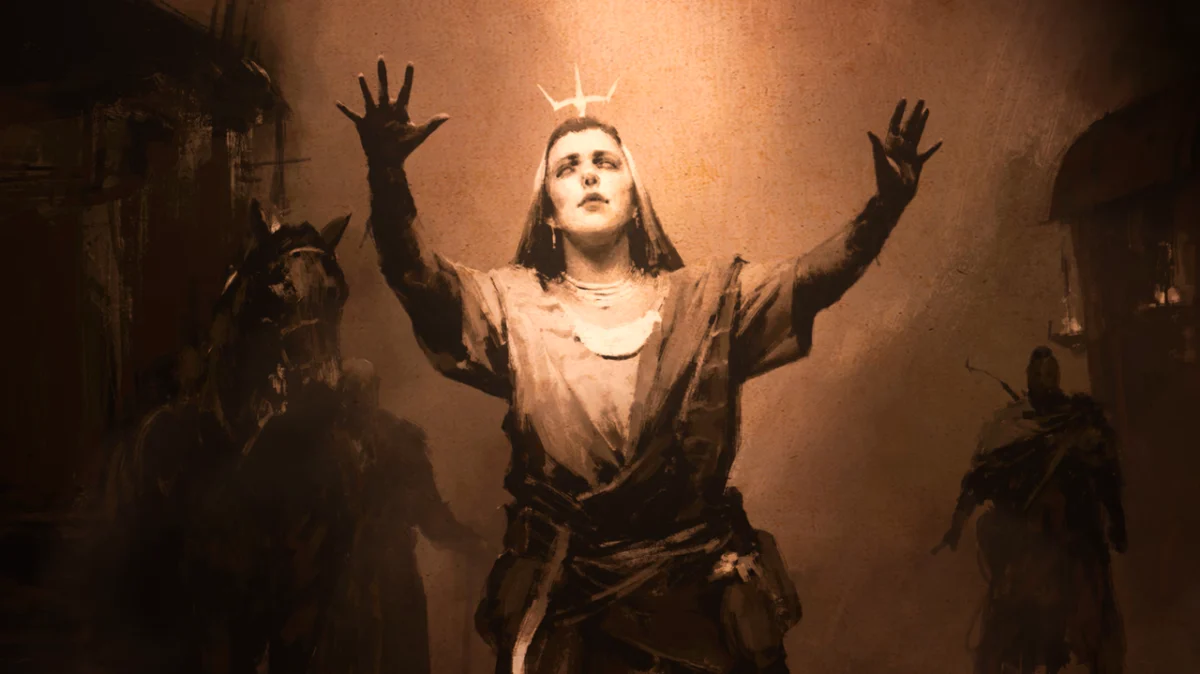
ANAHEIM, Calif. — Day 1 of BlizzCon 2026 delivered the gaming industry’s most seismic announcement in years: Blizzard Entertainment officially unveiled Diablo 5. Taking the main stage during the opening keynote, key members of the development team laid out an ambitious, highly experimental vision for the next major installment in the legendary action-RPG franchise.
Targeting a tentative spring 2029 release window, Diablo 5 is positioned as a dramatic tonal and mechanical departure from its predecessor, Diablo 4. Set a full century after the events of Diablo 4, the sequel drops players into a radically altered version of Sanctuary—one freshly devastated by the apocalyptic resurgence of the Prime Evil himself, Diablo.
According to the developers, the project is currently in a pre-alpha state, meaning systems, classes, and mechanics are heavily subject to change. However, the initial 30-minute deep-dive panel offered a comprehensive look at how Blizzard plans to evolve the franchise over the next three years, heavily leaning into fan feedback, modern ARPG competitor landscapes, and an uncompromisingly dark atmosphere.
Main Facts: What We Know About Diablo 5
The initial reveal established several core pillars for the upcoming sequel, distinguishing it sharply from both Diablo 3 and Diablo 4.
- Release Window: Blizzard has tentatively slated Diablo 5 for a Spring 2029 release, committing to an unusually transparent, early-announcement development cycle.
- Timeline: The story takes place 100 years after Diablo 4, following a brief, illusory "golden age" for humanity that is abruptly shattered by Diablo’s return.
- The Antagonist: Moving away from faceless monsters or sudden narrative shifts, Diablo will act as an active, overarching character throughout the campaign—mirroring how Mephisto was integrated into the narrative fabric of Diablo 4, rather than merely serving as a static end-game boss.
- Setting: The campaign centers heavily on the western continent of Sanctuary, tasking players with reclaiming and rebuilding the iconic realm of Westmarch, which has been left in a state of catastrophic ruin.
- Core Design Philosophy: Developers explicitly stated they are "doubling down" on a horror-centric, visceral atmosphere while fundamentally overhauling combat flow, class archetypes, and loot systems to address criticisms levied at Diablo 4.
Chronology: The Road from Diablo 4 to the Diablo 5 Reveal
To understand how Blizzard arrived at the concepts driving Diablo 5, it is necessary to examine the trajectory of the franchise over the past decade:
2023–2025: The Diablo 4 Era and Community Friction
Upon its release, Diablo 4 was praised for its campaign, atmosphere, and cinematic fidelity. However, the game quickly faced significant scrutiny regarding its end-game loops, itemization depth, and character progression. As seasons progressed, the development team implemented sweeping overhauls (such as the massive Itemization Update in Season 4). Despite these improvements, vocal segments of the community continually compared Diablo 4 unfavorably to genre competitors like Grinding Gear Games’ Path of Exile, citing a perceived lack of mechanical complexity and build variety.
Late 2025: Behind-the-Scenes Pivots
Recognizing the shifting expectations of the action-RPG market, Blizzard’s leadership greenlit structural redesigns for their long-term pipeline. Rather than iterating safely on the Diablo 4 engine and framework, the franchise directors decided to push the timeline forward by a century, allowing for a clean narrative slate that could accommodate radical mechanical reinventions without breaking past lore continuities.
BlizzCon 2026 Day 1: The Worldwide Reveal
Taking place at the Anaheim Convention Center, the opening day of BlizzCon 2026 shattered months of industry rumors. Developers walked out to a packed arena, bypassing teaser trailers to immediately deliver a robust technical and narrative breakdown of Diablo 5. The panel confirmed that planning has been underway for years, though the team opted to pull back the curtain early to establish an ongoing, collaborative dialogue with the player base.
Supporting Data & Market Context
The announcement of Diablo 5 arrives at a fascinating inflection point for the ARPG genre. Market data indicates that player appetites for deep, punishing, and highly customizable endgame systems have never been higher.
- The Competitor Landscape: Path of Exile 2 and its ongoing updates have set a new benchmark for build complexity, passive skill trees, and boss mechanics. Analysts note that Blizzard’s explicit nod to competing titles during the BlizzCon panel signals an acute awareness that Diablo can no longer rely solely on brand recognition and production value.
- Development Timeline Length: A three-to-four-year lead time from announcement to release (targeting 2029) is unusually long for modern AAA publishing cycles, which typically favor 12-to-24-month marketing windows. This extended runway suggests that Diablo 5 may utilize a new iteration of proprietary engine technology designed to handle seamless, massive-scale open-world horror environments and complex server-side calculations.
- Player Feedback Integration: Blizzard has pledged to roll out regular, quarterly development updates starting next year. This mirrors the successful communication strategy adopted late in Diablo 4’s pre-launch phase, though scaled up for a much earlier stage of production.
Official Responses and Developer Insights
During the BlizzCon 2026 panel, the development team was candid about the challenges of following up a major franchise entry while addressing the historical critiques of the series.
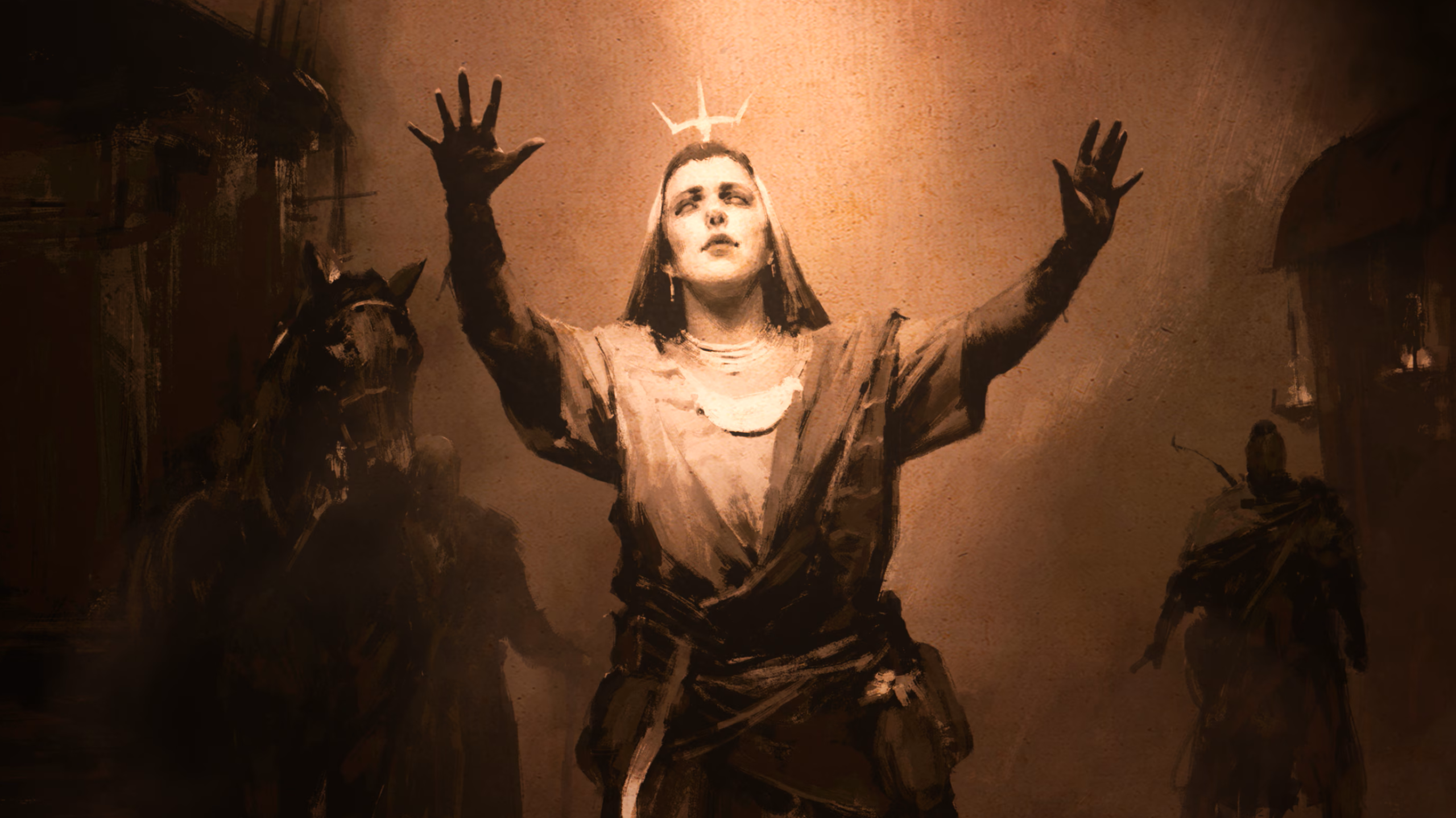
"We are looking at everything through the lens of what Sanctuary should truly feel like when humanity is pushed to the absolute brink," noted a lead system designer during the presentation. "Diablo isn’t just a force of nature you defeat at the end of a corridor; he is an intelligence dismantling the very concept of civilization in real-time."
Developers emphasized that the 100-year time jump was deliberately chosen to free the narrative team from legacy constraints, allowing them to introduce entirely new societal structures, factions, and geographic horrors.
Furthermore, the team addressed the elephant in the room regarding mechanics: loot and combat. While specific details were kept under wraps, developers promised that item hunt philosophies would feel significantly heavier and more consequential, drawing inspiration from classic ARPG loops while discarding systems that fans found tedious or uninspired in Diablo 4.
Implications for the Franchise and the Industry
The announcement of Diablo 5 carries profound implications for Blizzard Entertainment, the action-RPG genre, and the broader gaming landscape.
1. A New Standard for Dark Fantasy
By explicitly stating they are "doubling down" on horror, Blizzard is signaling a permanent shift away from the higher-fantasy, more vibrant color palettes occasionally seen in earlier series entries (most notably the initial launch reception of Diablo 3). The devastation of Westmarch and the omnipresent threat of Diablo as an active narrative agent suggest a campaign that is far more claustrophobic, desperate, and punishing.
2. The Pressure on Diablo 4’s Lifespan
With a sequel officially slated for 2029, questions immediately arise regarding the long-term support model for Diablo 4. Blizzard will need to carefully balance ongoing expansions and seasonal updates for the current game while maintaining community enthusiasm during a multi-year wait for the next generation.
3. Early Transparency as a Trust-Building Exercise
Announcing a game three years out is a high-risk, high-reward strategy. By inviting players into the design process early—and explicitly promising that systems will change based on community feedback—Blizzard is attempting to foster a symbiotic relationship with hardcore ARPG veterans. If executed correctly, this feedback loop could prevent the launch missteps that plagued previous titles.
Looking Ahead
As BlizzCon 2026 continues through its weekend panels, attendees will get deeper hands-off presentations and conceptual deep-dives into the art direction, lore implications, and foundational architecture of Diablo 5.
While a 2029 release means players have a long, dark road ahead before they can step foot into the ruined remnants of Westmarch, the sheer ambition of Blizzard’s vision ensures that Diablo 5 will dominate industry conversations for the remainder of the decade. Blizzard has promised its first formal round of structural development updates early next year, marking the true beginning of the long march toward Sanctuary’s next great reckoning.

