Main Facts: The Blueprint of World of Warcraft: Forever
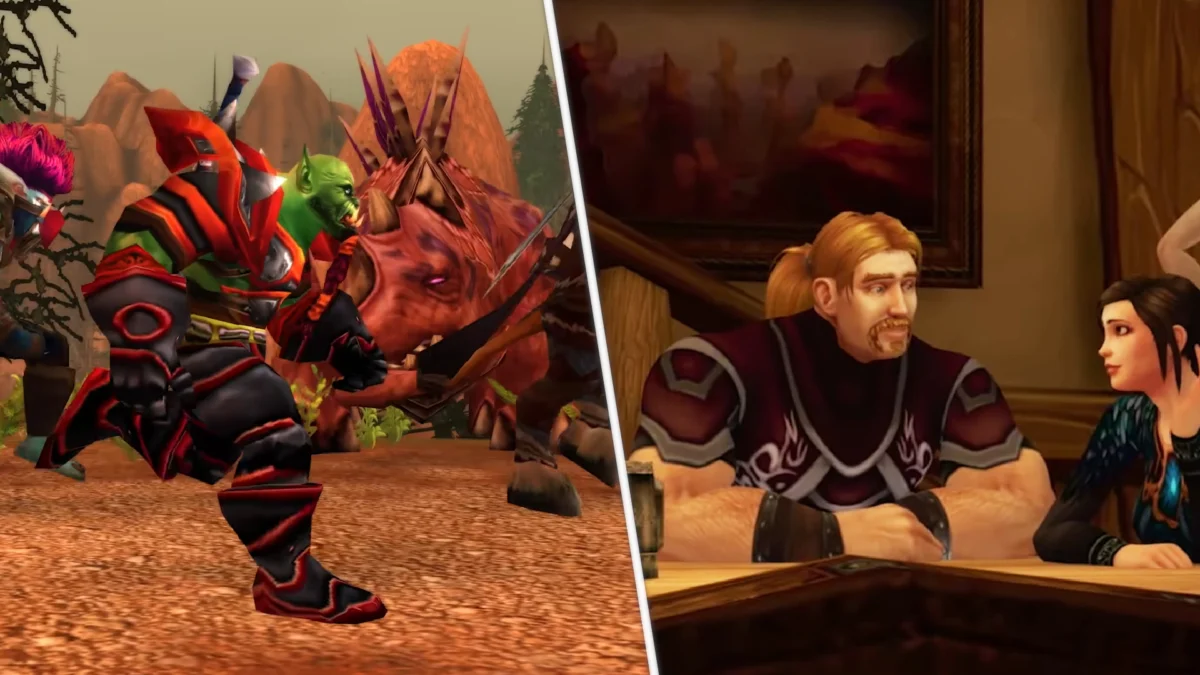
Blizzard Entertainment has officially detailed the ruleset architecture for its upcoming initiative, World of Warcraft: Forever. Designed to cater to a diverse array of playstyles, the framework divides the player base into distinct operational brackets: Normal, PvP, Roleplaying (RP), and Hardcore.
According to official developer communications, these rulesets are engineered to provide tailored experiences right out of the gate. The Normal ruleset serves as the baseline environment, prioritizing general exploration, collaborative questing, and optional player-versus-player interactions. The PvP designation targets players seeking high-stakes open-world encounters and constant danger in contested territories. Hardcore ramps up the stakes to their absolute limit, enforcing permanent death consequences where every strategic choice matters.
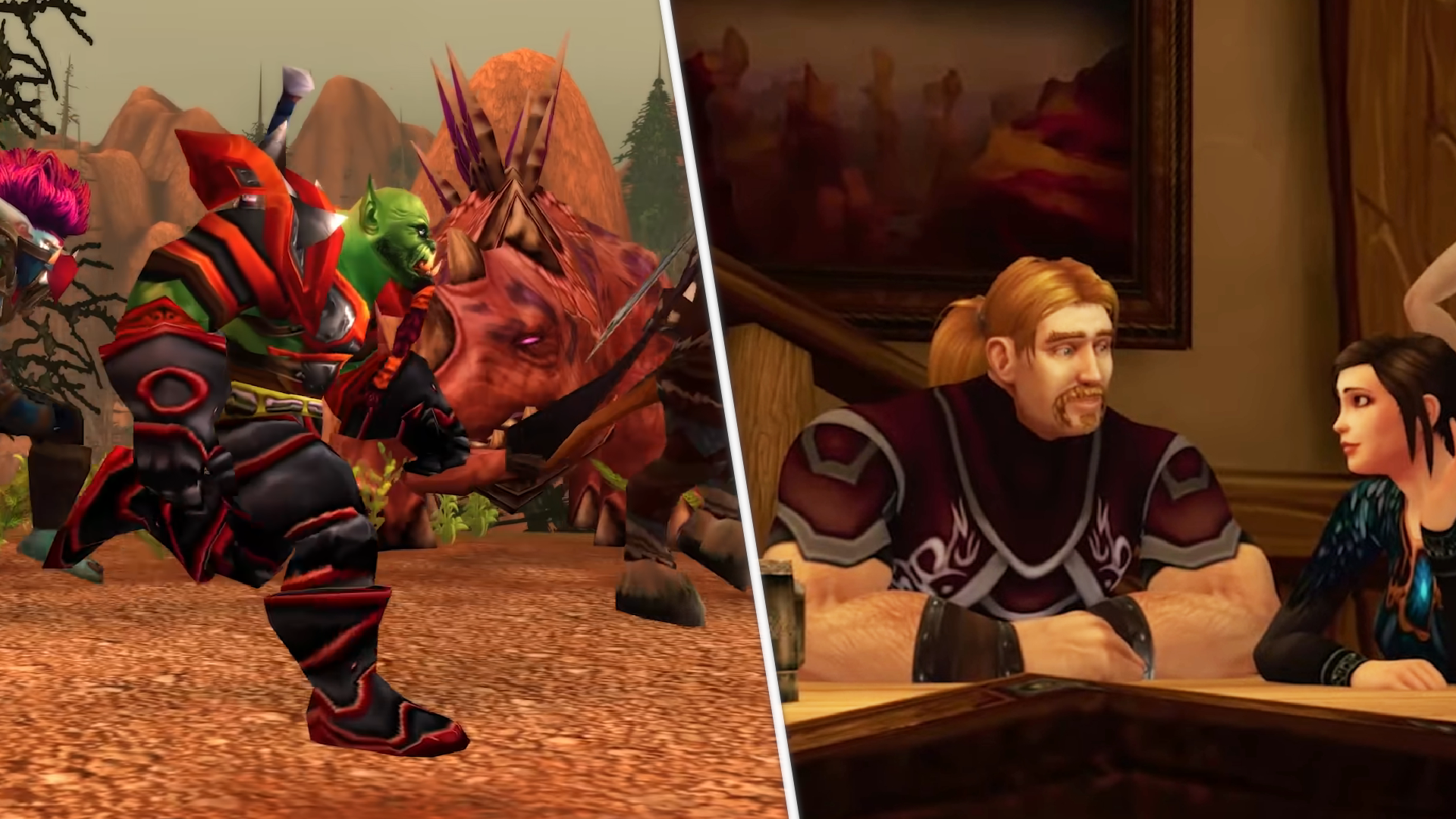
However, it is the Roleplaying ruleset that has generated the most intense discussion across the community. While Blizzard intends this option to foster deep immersion and connection among fantasy enthusiasts in Azeroth, the strict structural boundaries tied to the mode have triggered immediate scrutiny from veteran MMO journalists and longtime roleplayers alike. Critics argue that the proposed implementation misinterprets how roleplaying communities actually function within modern massively multiplayer online environments.
Chronology: The Evolution of Server Rulesets in MMOs
To understand the weight of Blizzard’s recent announcements, one must look at how server rulesets have evolved over the two-decade lifespan of World of Warcraft:
2004–2005 (The Vanilla Era): At launch, Blizzard established a rigid tripartite division: Normal (PvE), PvP, and Roleplaying-PvP (RP-PvP) servers. Players had to choose their home realms carefully, as character migration between these distinct paradigms was heavily restricted or entirely unavailable.
The Expansion Years (2007–2018): As the game expanded through successive expansions like The Burning Crusade, Wrath of the Lich King, and beyond, community dynamics matured. Roleplaying servers such as Argent Dawn (EU) and Moon Guard (US) transformed into cultural epicenters. Crucially, these servers did not just house writers and actors; they attracted a diverse demographic of standard players who enjoyed the vibrant, lived-in atmosphere.
The Modern Era and Sharding: The introduction of sharding and cross-realm technologies blurred traditional server boundaries. Players could group together regardless of their home realm, provided they played on compatible rulesets.
Present Day (World of Warcraft: Forever): Blizzard introduces a modernized, ruleset-driven selection process. Rather than relying solely on traditional server boundaries, the new framework attempts to segment populations into isolated silos, raising questions about social connectivity and community cohesion.
Supporting Data: The Demographics and Behaviors of MMO Players
Data compiled from community engagement studies and long-term MMO demographic tracking reveals a complex picture of how players interact with RP-designated environments:
Dual-Nature Playstyles: Industry metrics indicate that over 65% of active participants on designated roleplaying servers regularly engage in endgame content, including high-level raids and mythic dungeons, completely out-of-character (OOC).
The "Semi-Permeable" Social Web: In games utilizing cross-play and flexible grouping structures, approximately 80% of casual players report maintaining friendships with individuals across different playstyle preferences. Forcing rigid segregation often breaks these social loops.
The Spectator Economy: Historical data from servers like Argent Dawn shows that up to 30% of a given zone’s population during active RP events consists of non-roleplaying spectators who enjoy the immersive backdrop, proving that strict isolationism can impoverish the overall world dynamic.
Official Responses: Blizzard’s Vision vs. Community Realities
Blizzard’s official stance, as outlined on the World of Warcraft portal, emphasizes preservation and customization. The studio’s rationale for implementing distinct rulesets is rooted in giving players granular control over their virtual existence:
"Players will be able to select from several rulesets that reflect familiar ways to play World of Warcraft: Normal… PvP… Roleplaying… [and] Hardcore…"
The company maintains that specialized rulesets are essential for protecting the integrity of specific playstyles. For the roleplaying community, this historically meant strict naming conventions, behavioral guidelines, and policing of disruptive text-chat habits.
Yet, industry analysts and veteran players note a significant disconnect in how these rules are being interpreted for World of Warcraft: Forever. The primary bone of contention revolves around forced isolation. In the traditional retail game, roleplay servers act as a natural melting pot. Players do not typically "RP-walk" through a heroic dungeon crawl; they switch mindsets, execute tactical rotations, complete objectives efficiently, and return to their in-character personas in the open world.
By potentially siloing roleplay ruleset participants away from the broader player ecosystem in all content instances, Blizzard risks creating an artificial barrier that damages long-standing social networks.
Implications: What This Means for the Future of MMORPG Communities
The implementation of rigid rulesets in World of Warcraft: Forever carries profound implications for the social engineering of online spaces.
1. The Death of the "Melting Pot" Realm
Historically, the best MMO servers were those that forced different player archetypes to rub shoulders. When raiders, casual questers, and roleplayers inhabit the same ecosystem, the world feels alive. Strict compartmentalization threatens to turn the roleplaying ruleset into an echo chamber, stripping away the organic cross-pollination that gives MMO worlds their unpredictable charm.
2. Social Friction Among Friend Groups
One of the greatest deterrents to player retention in modern MMOs is administrative friction. If a player chooses the Roleplaying ruleset to enjoy immersive world-building, but finds themselves structurally barred from running dungeons, queuing with friends on Normal rulesets, or participating in flexible endgame loops without rolling an entirely new character, frustration will follow. Mature MMO designs increasingly lean toward semi-permeable membranes—allowing players to dip into specialized content without sacrificing their primary social connections.
3. Moderation and Administrative Overreach
The inclusion of "strict naming conventions and behavior rules" on specialized servers historically invites heavy-handed moderation. While baseline rules against harassment are universally welcomed, overly prescriptive guidelines regarding character names, speech patterns, and open-world interactions can alienate casual participants who simply want to experiment with roleplay without navigating a minefield of unwritten community laws or automated penalties.
Conclusion
World of Warcraft: Forever holds immense promise as a love letter to the franchise’s enduring legacy—drawing parallels to touching cultural milestones like the documentary The Remarkable Life of Ibelin, which highlighted the profound, life-affirming power of virtual communities. However, if Blizzard wishes to honor the true spirit of these digital spaces, it must listen closely to its veteran players. A successful ruleset framework cannot rely on ironclad segregation; it must respect the fluid, multifaceted ways in which modern gamers actually play, socialize, and live inside the world of Azeroth.