

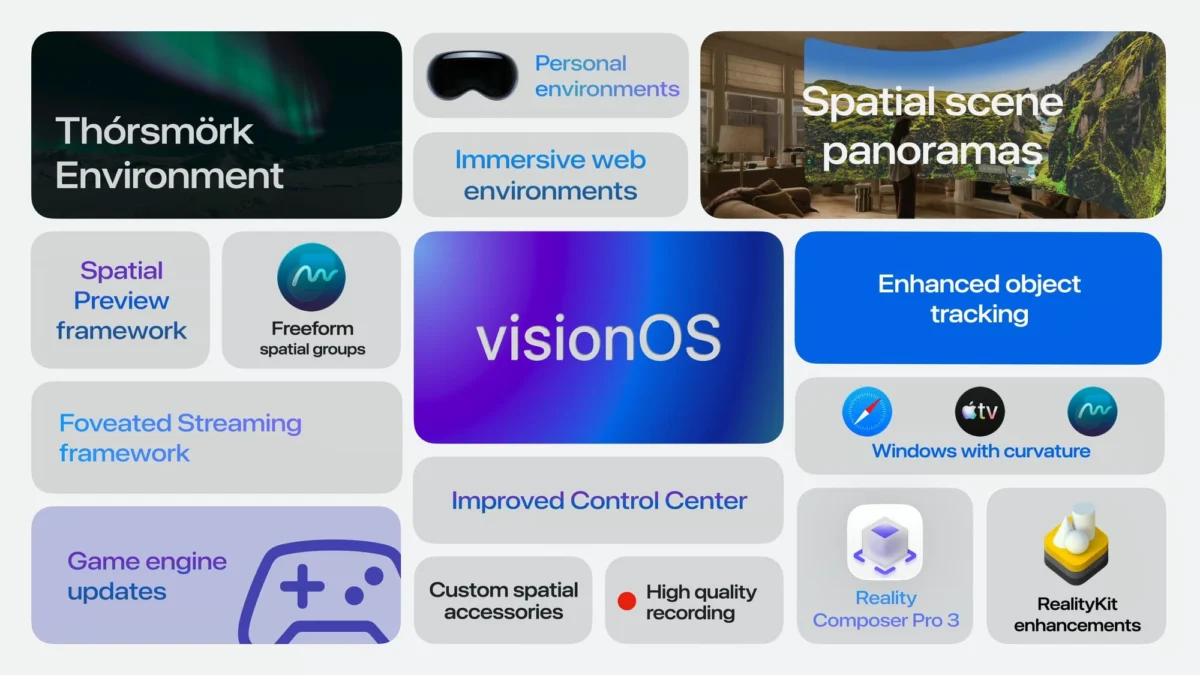
While Apple’s WWDC 2026 keynote focused heavily on broader software ecosystems, the true revolution for spatial computing was buried in the technical documentation and developer sessions released throughout the week. visionOS 27, the fourth major iteration of Apple’s operating system for the Vision Pro, represents a maturation of the platform that shifts focus from "proof of concept" to professional-grade utility. From the integration of advanced AI to sophisticated new rendering capabilities, this update promises to redefine how users interact with both their digital and physical worlds.
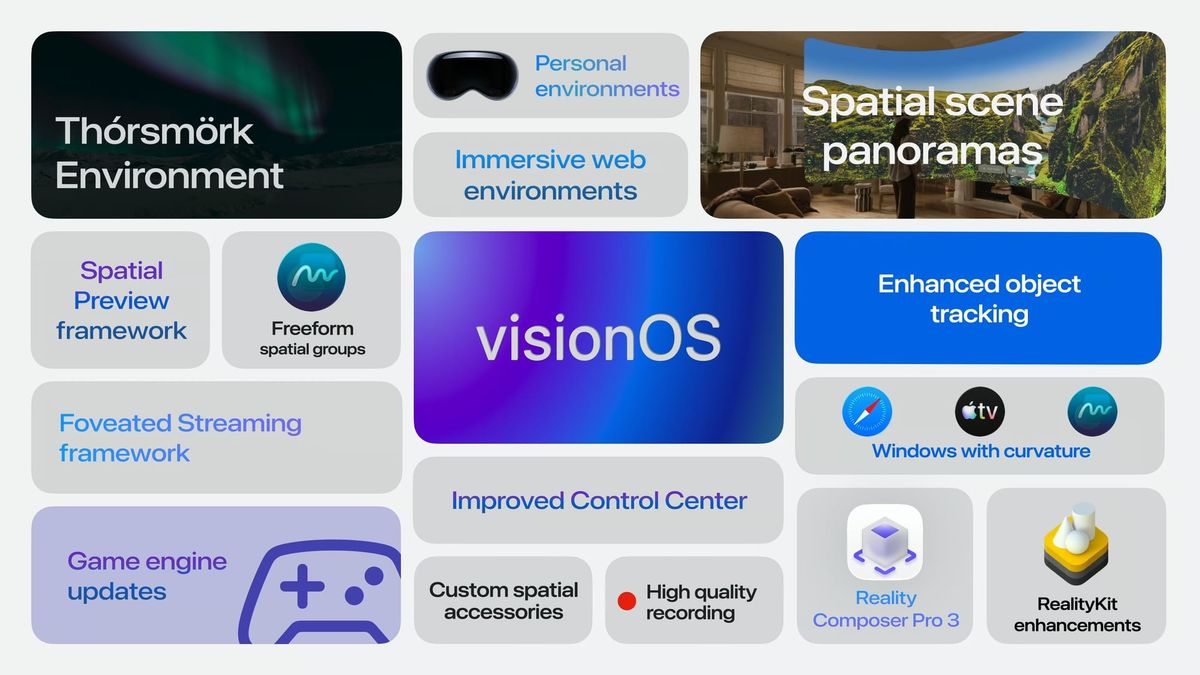
The Core Evolution: A Summary of visionOS 27
visionOS 27 is shaping up to be the most substantial upgrade in the headset’s history. While the initial beta release provides a foundation, the full public launch, slated for this fall, will unlock a suite of high-performance tools for both M2 and M5-powered Apple Vision Pro units. The update is characterized by three primary pillars: the democratization of high-fidelity tracking, the infusion of next-generation generative AI, and a massive overhaul of the RealityKit engine that powers the platform’s spatial experiences.
Chronology and Deployment Strategy
Apple has adopted a tiered rollout strategy for this release cycle.
- June 2026: Initial developer beta release announced at WWDC.
- Late Summer 2026: Public beta testing period, allowing for refinement of the "Siri AI" and "Visual Intelligence" features.
- Fall 2026: Official stable release for all compatible Vision Pro models.
While Apple was notably quiet about the OS during the keynote, the developer community—led by early adopters and XR enthusiasts—has already begun dissecting the API changes. The inclusion of new hardware-level support, such as the IR LED accessory framework, suggests that Apple is positioning the Vision Pro to compete directly with high-end PC-tethered VR setups by standardizing the way external input devices communicate with the headset.
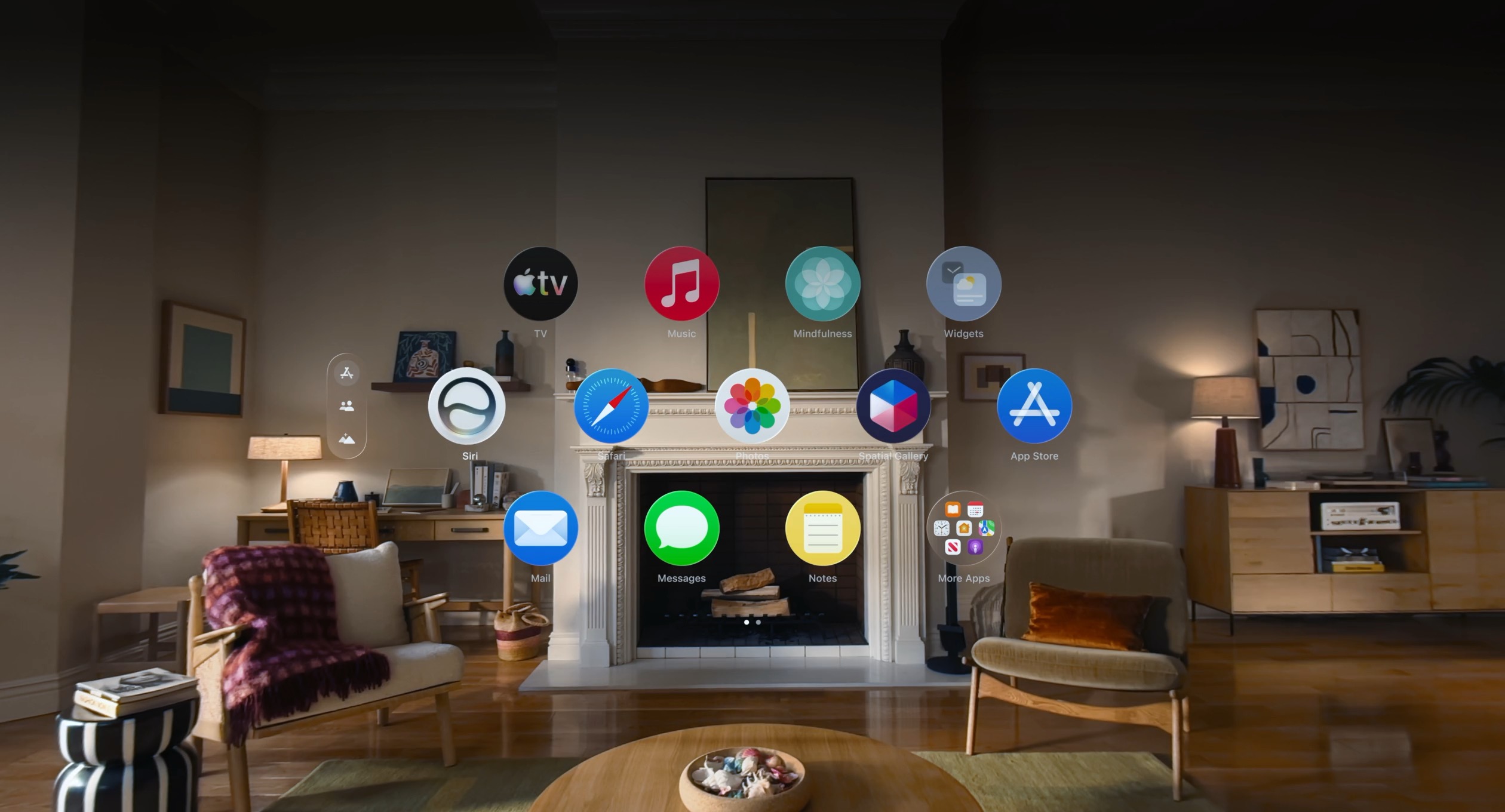
The AI Infusion: Siri and Visual Intelligence
The most significant long-term addition is the "Siri AI" overhaul. Based on a monumental $1 billion-per-year partnership with Google, Apple is integrating next-generation Foundation Models into the heart of the visionOS experience.
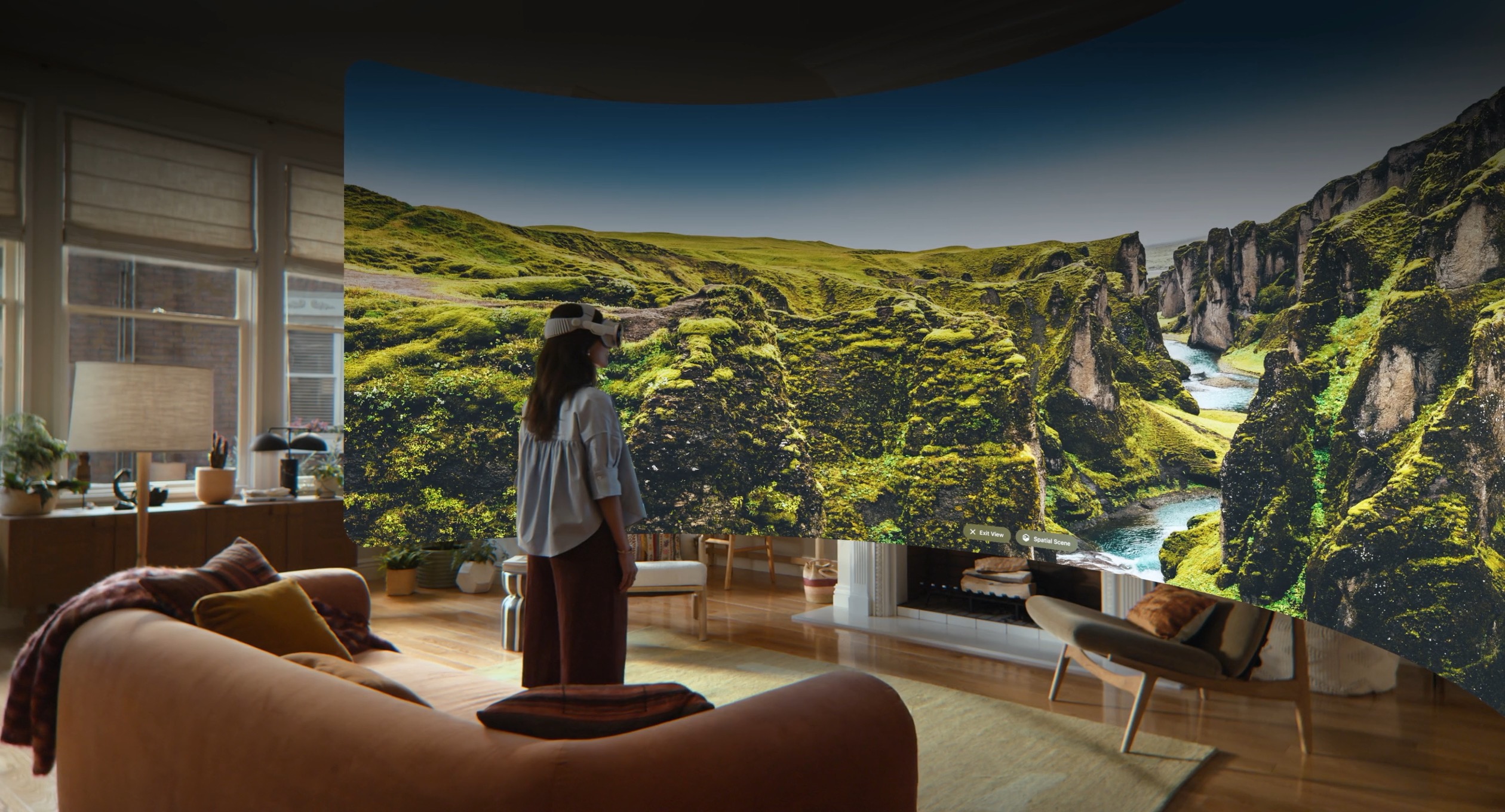
Persistent Spatial Intelligence
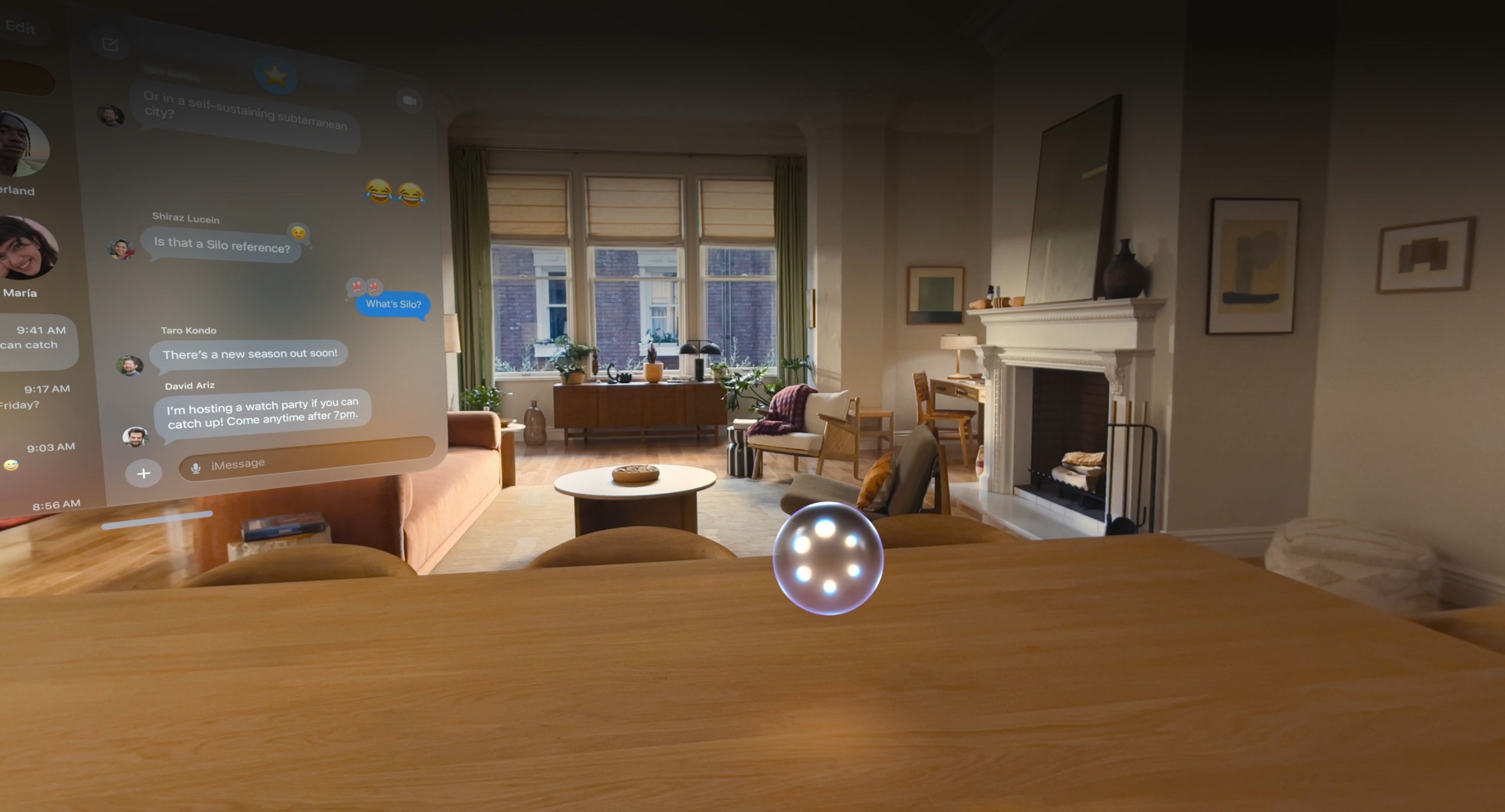
Unlike the floating, ephemeral assistants of the past, Siri AI on visionOS 27 functions as a "pinned spatial object." Users can anchor the AI orb to a physical location in their room, creating a persistent, interactive presence. By removing the "Hey Siri" activation requirement—relying instead on simple gaze-tracking—Apple has significantly reduced the friction of human-computer interaction.
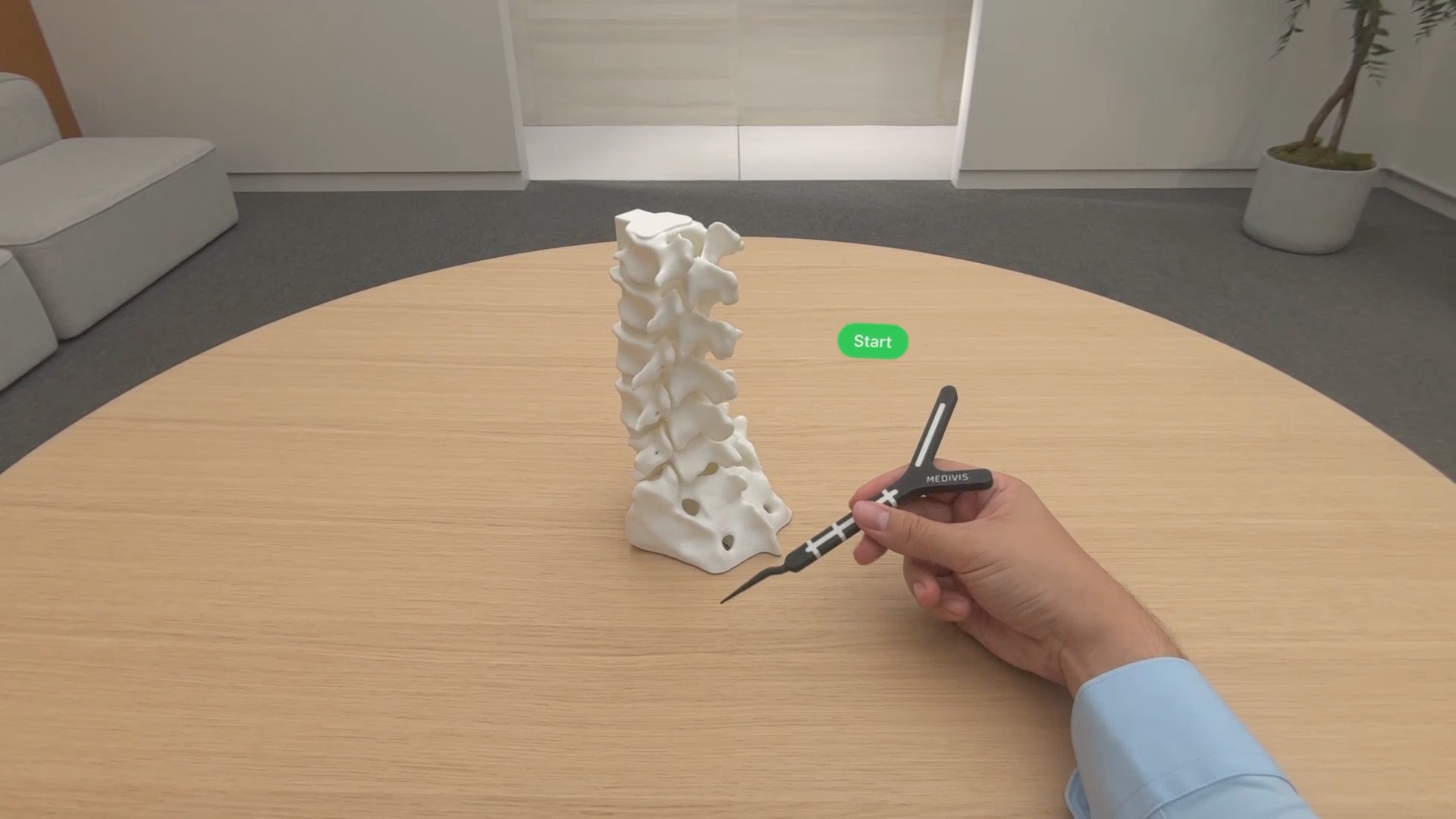
Visual Intelligence: The "See and Solve" Paradigm
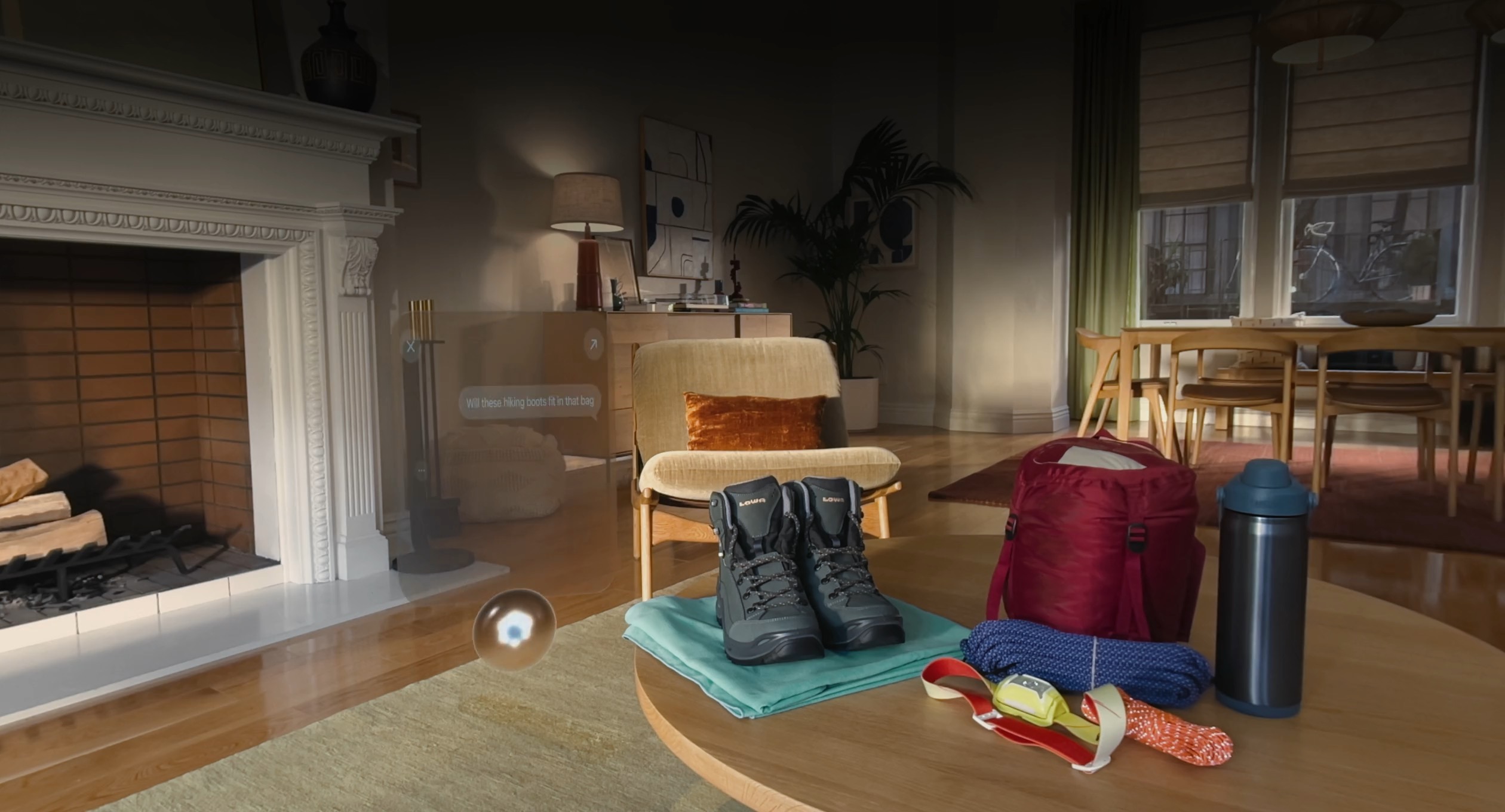
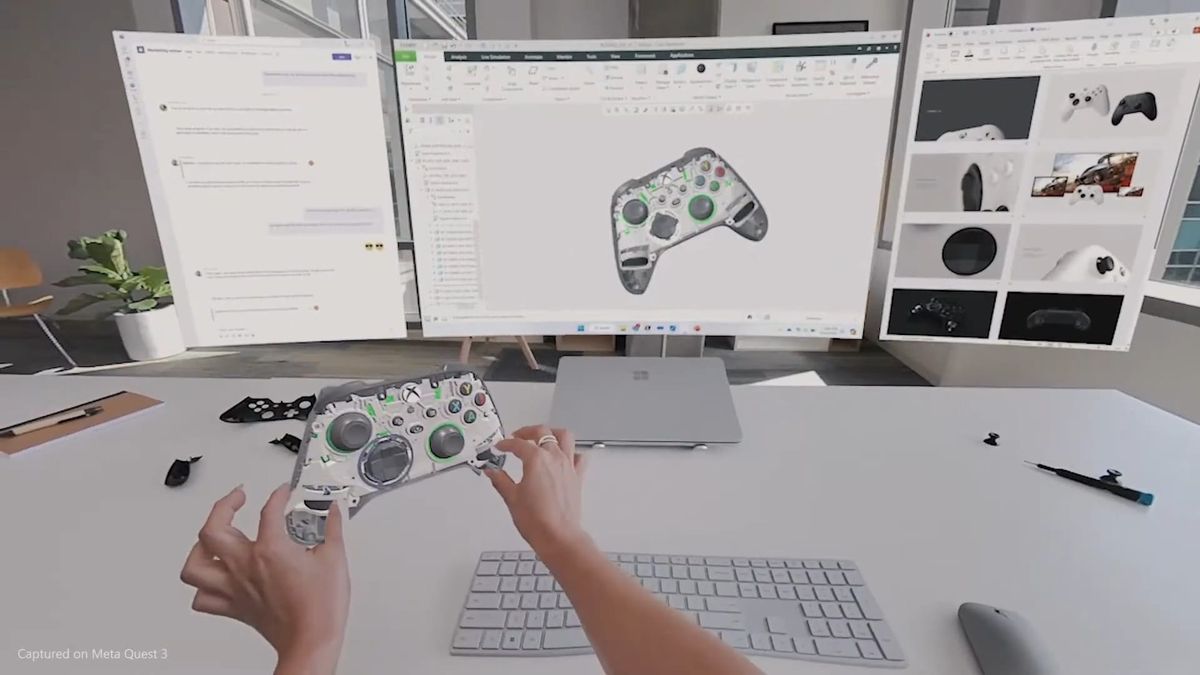
The new Visual Intelligence capability allows the headset to analyze the user’s surroundings in real-time. Whether a user is looking at a complex piece of machinery or a simple architectural sketch, the system can parse the visual data, answer questions, and perform actions. This capability effectively bridges the gap between digital assistance and real-world utility, positioning the Vision Pro as a tool for technicians, designers, and researchers.
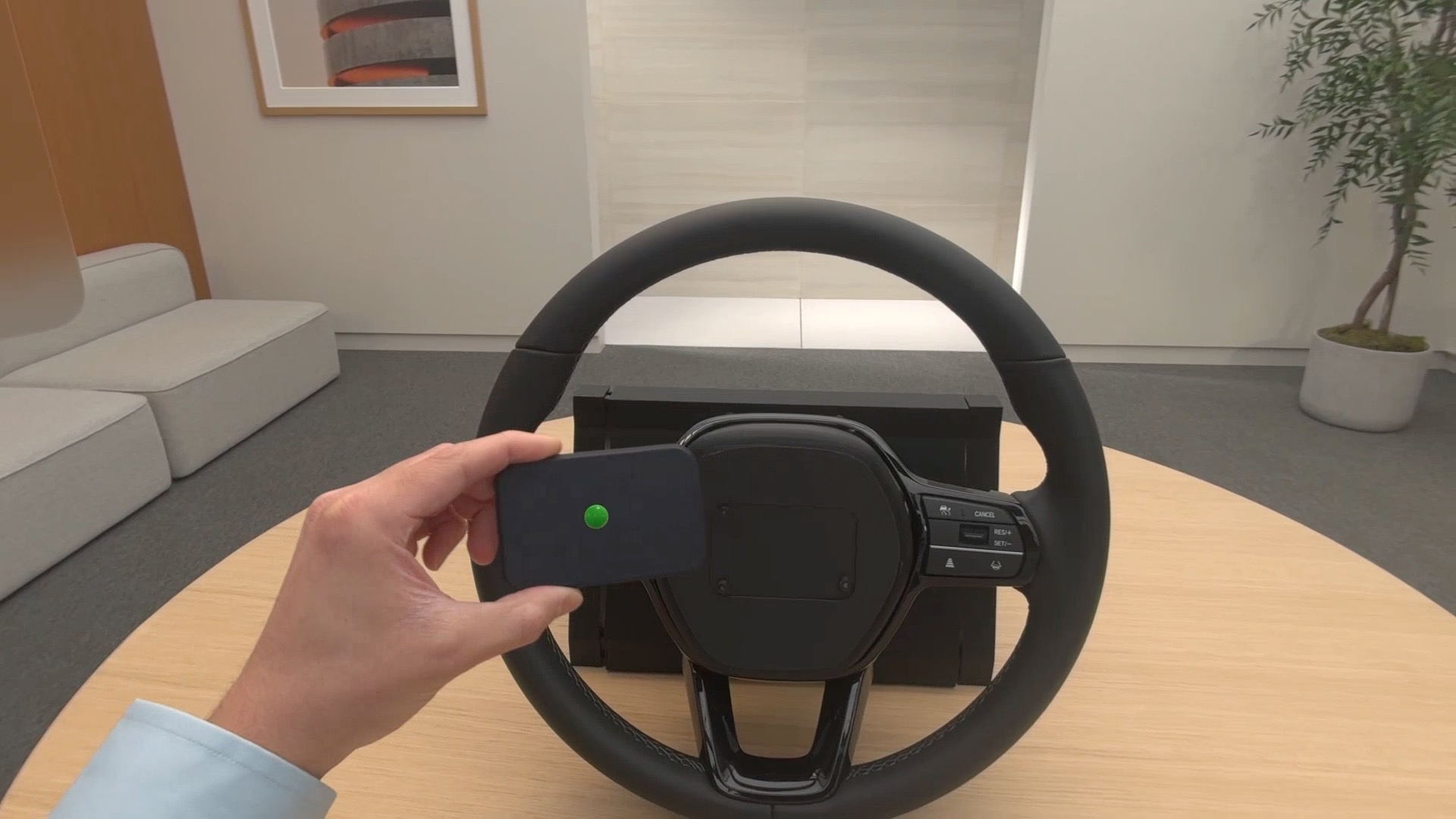
High-Performance Engineering: Tracking and Connectivity
For enterprise and power users, the technical upgrades in visionOS 27 are arguably more important than the AI features.
Advanced Object Tracking
Previously, visionOS 2 object tracking was largely restricted to static, pre-trained items. visionOS 27 introduces a high-frequency tracking mode, estimated at 30Hz, capable of following moving or held objects. This is a game-changer for industrial training simulations where users must interact with physical tools. While the "Extended Training" mode requires up to 18 hours to bake a model, the resulting precision provides a level of immersion previously unavailable on consumer-grade hardware.

IR LED Accessory Framework
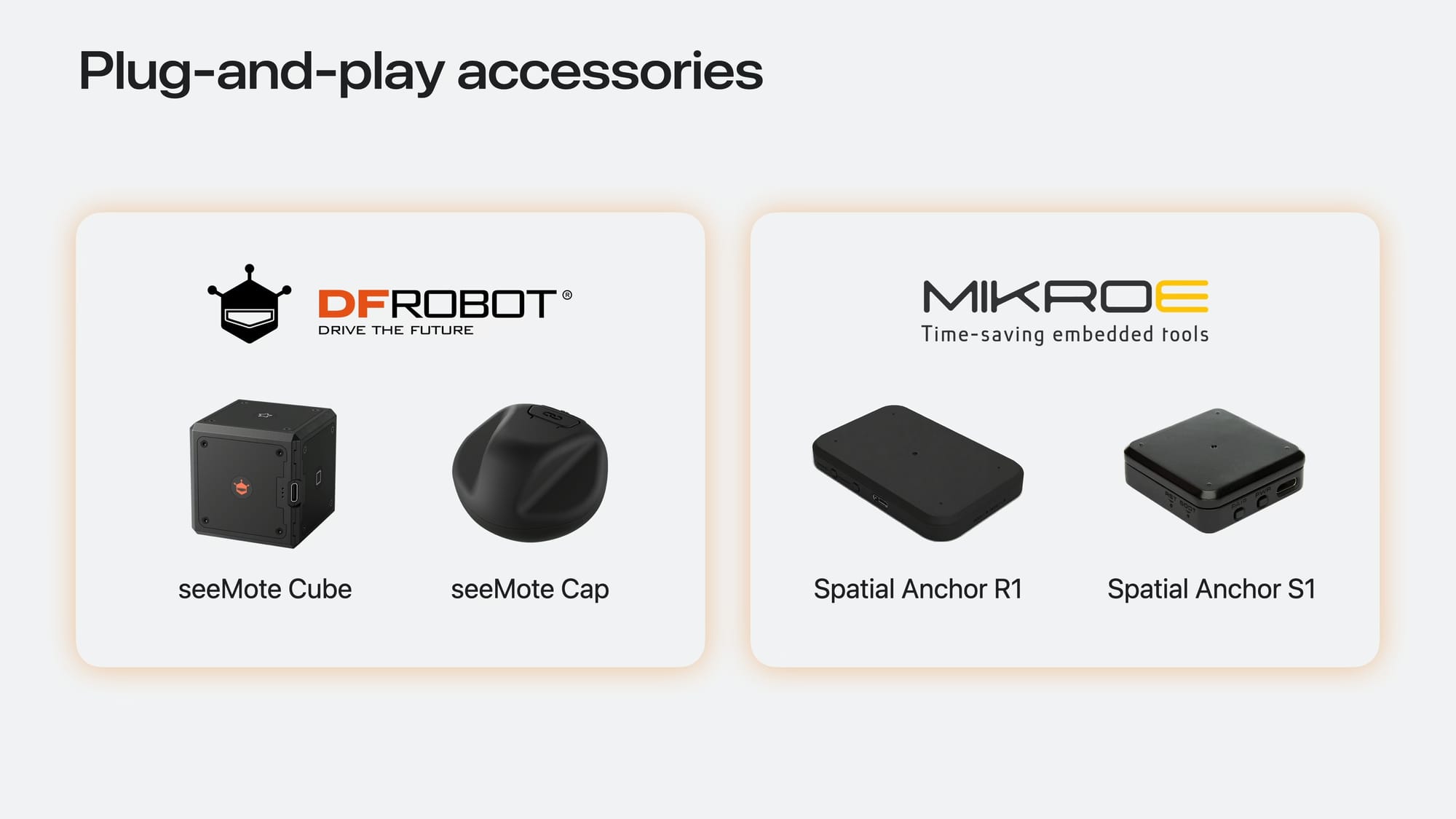
Apple is standardizing the "Lighthouse" tracking concept. By providing developers with the APIs to build their own IR LED-tracked accessories, Apple is essentially creating an open ecosystem for specialized controllers. Whether it is a haptic-enabled surgical tool or a high-precision stylus, the system allows for sub-millimeter accuracy by fusing optical data with the headset’s internal IMU (inertial measurement unit).
Connectivity and Workflow
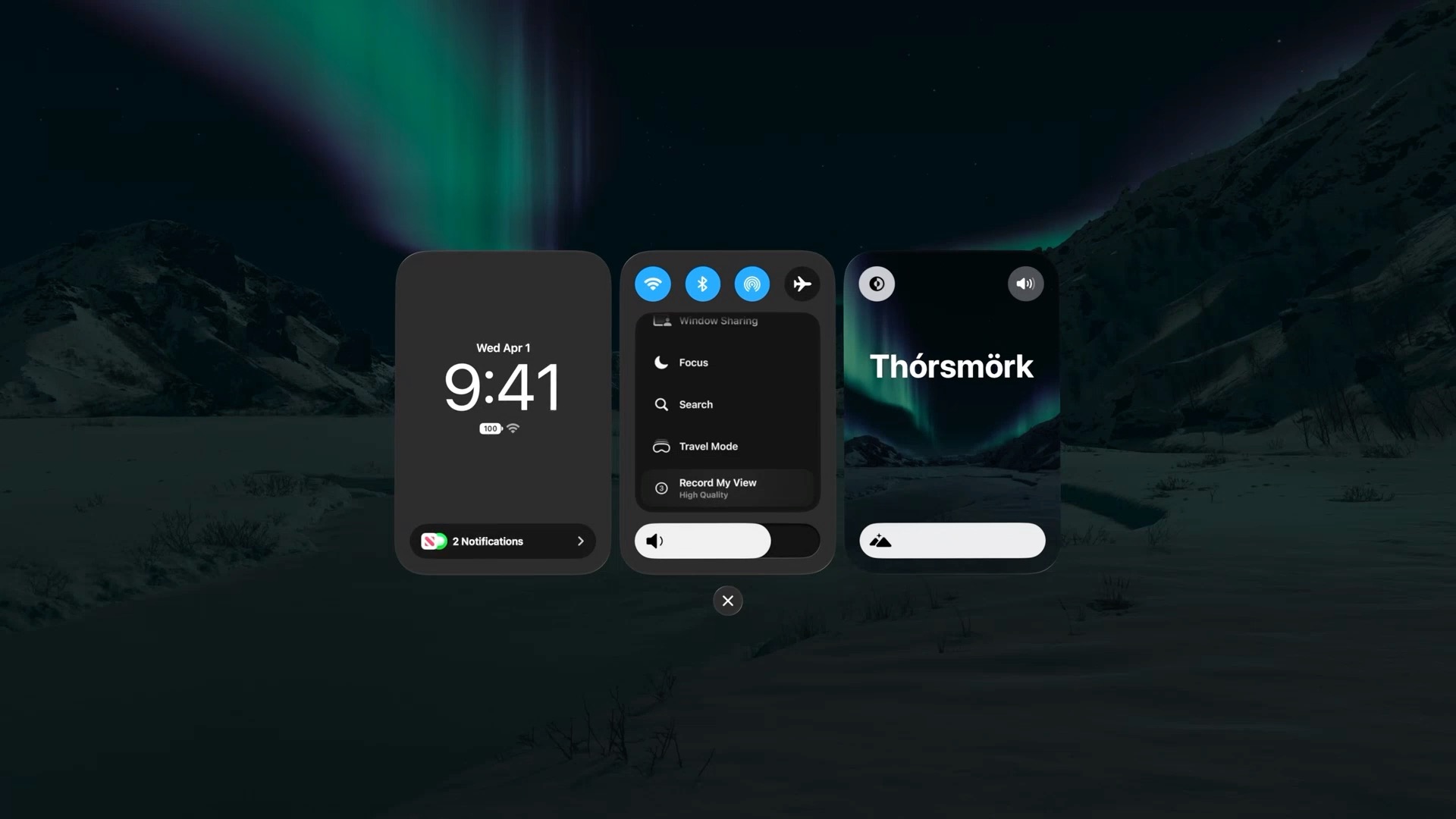
Apple has addressed a persistent pain point: Wi-Fi initialization speed. The M5-powered headsets will see a 3x increase in connection speeds upon startup, significantly reducing the "time to immersion." Furthermore, the new "Device Hub" in Xcode 27 allows developers to remotely launch apps on the headset, a long-overdue feature that will streamline collaborative work and user testing.
Visual Fidelity: RealityKit and Spatial Rendering
The core "engine" of visionOS, RealityKit, has received a major overhaul, bringing it closer to professional-grade game engines like Unreal and Unity.

Native Gaussian Splatting
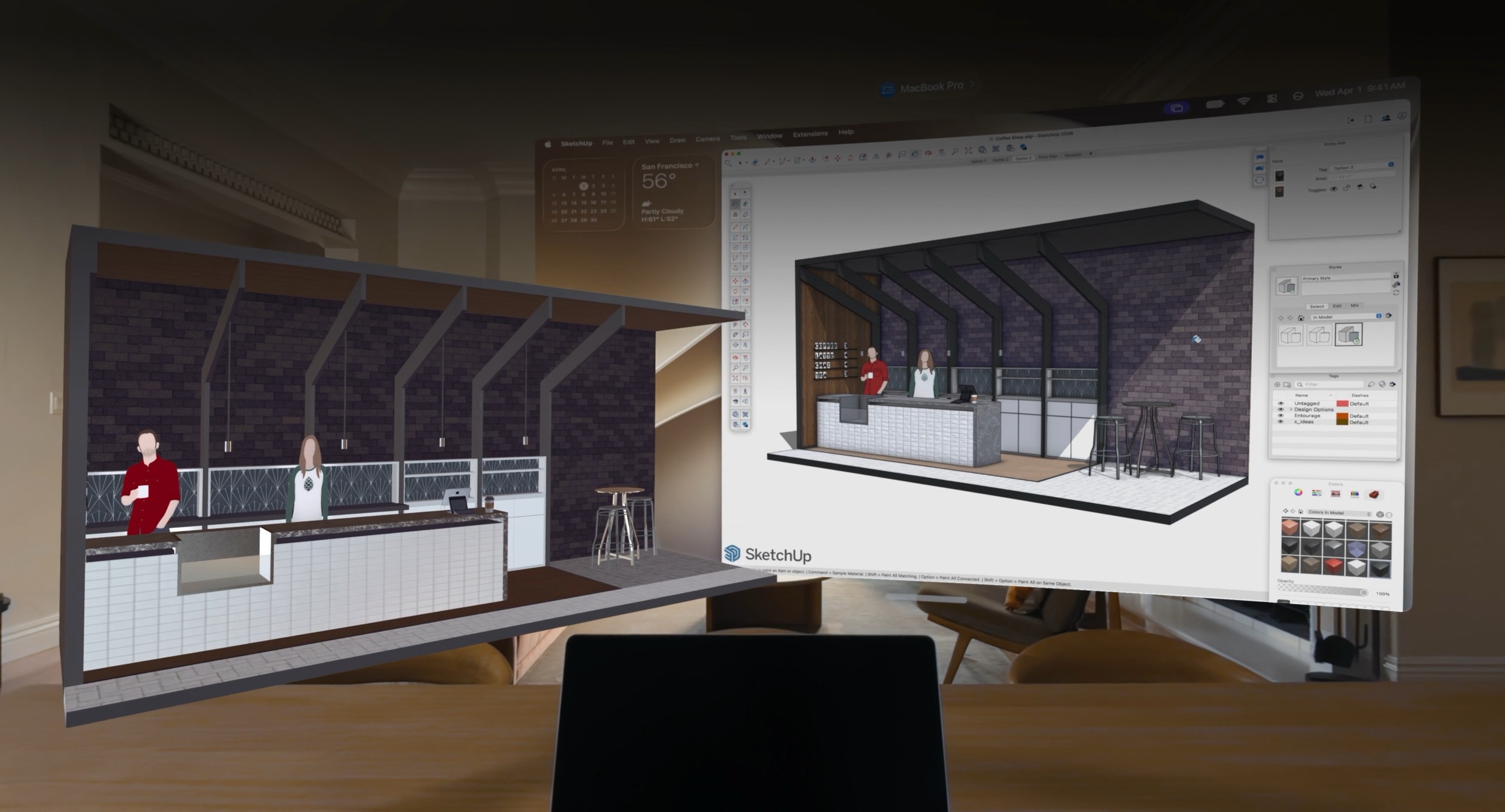
Gaussian splatting has become the industry standard for realistic 3D reconstruction. By building native support directly into RealityKit, Apple has eliminated the need for developers to write complex, proprietary code to render high-fidelity, volumetric scenes. This will result in better-looking 3D assets that are easier to load and interact with.
Real-time Cloth Simulation and Lighting
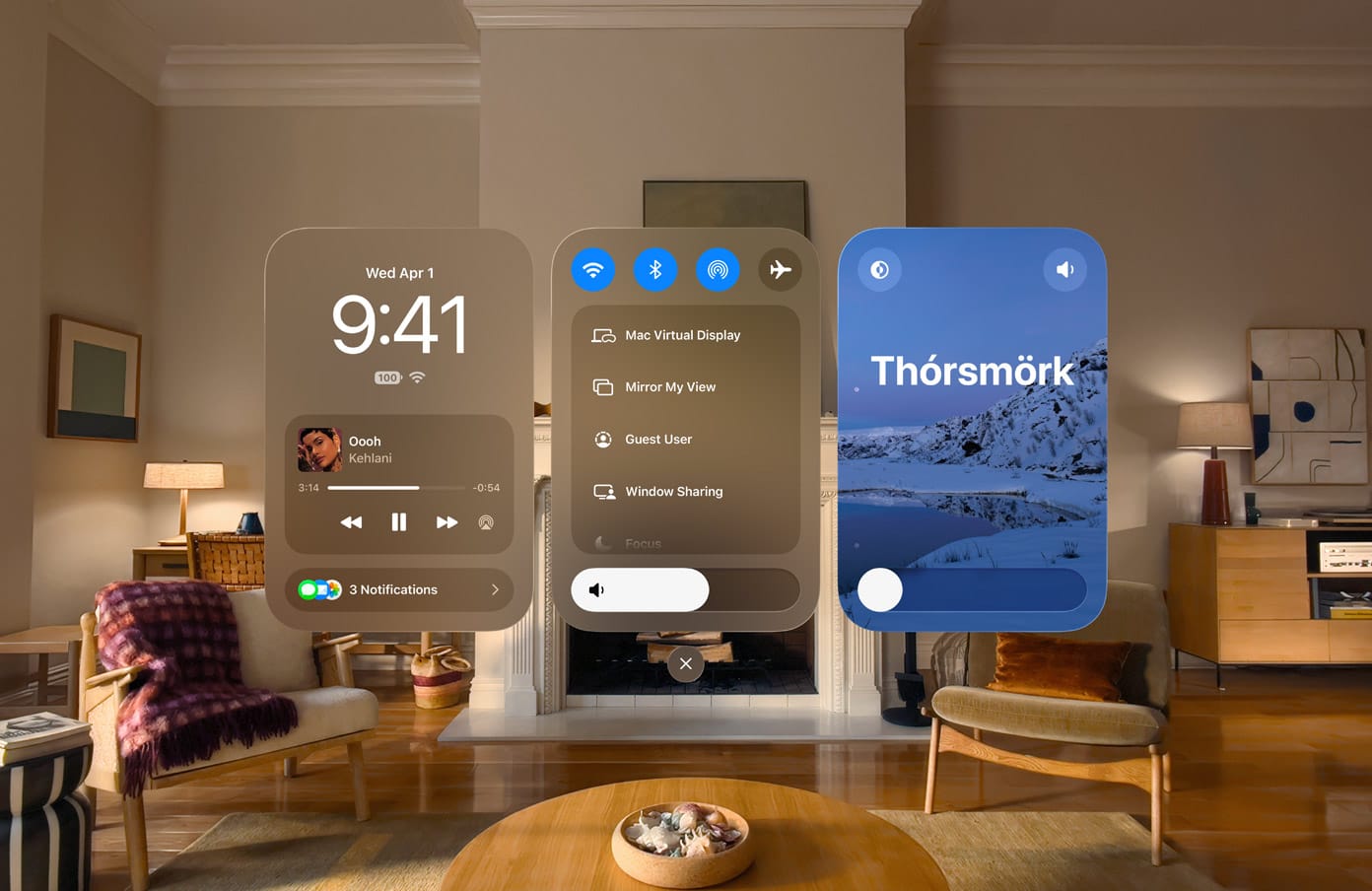
RealityKit now supports real-time deformable fabric simulation and dynamic "physical space lighting." Developers can now create virtual objects that cast light and shadows onto the real world with high precision. For instance, a virtual lamp can now realistically illuminate the physical desk it rests upon, creating a seamless blend between the digital and physical environments.
Audio and Accessibility
The introduction of the Reverb Mesh API is a subtle but profound update. By allowing apps to define the acoustic properties of a room, Apple is enabling sound to "bounce" off virtual walls in a way that corresponds to the environment’s geometry. This, paired with auto-subtitles and eye-controlled wheelchair integration, underscores Apple’s commitment to inclusive, high-fidelity spatial design.
Implications for the Future of Spatial Computing
The implications of visionOS 27 are broad and reach far beyond the casual user.
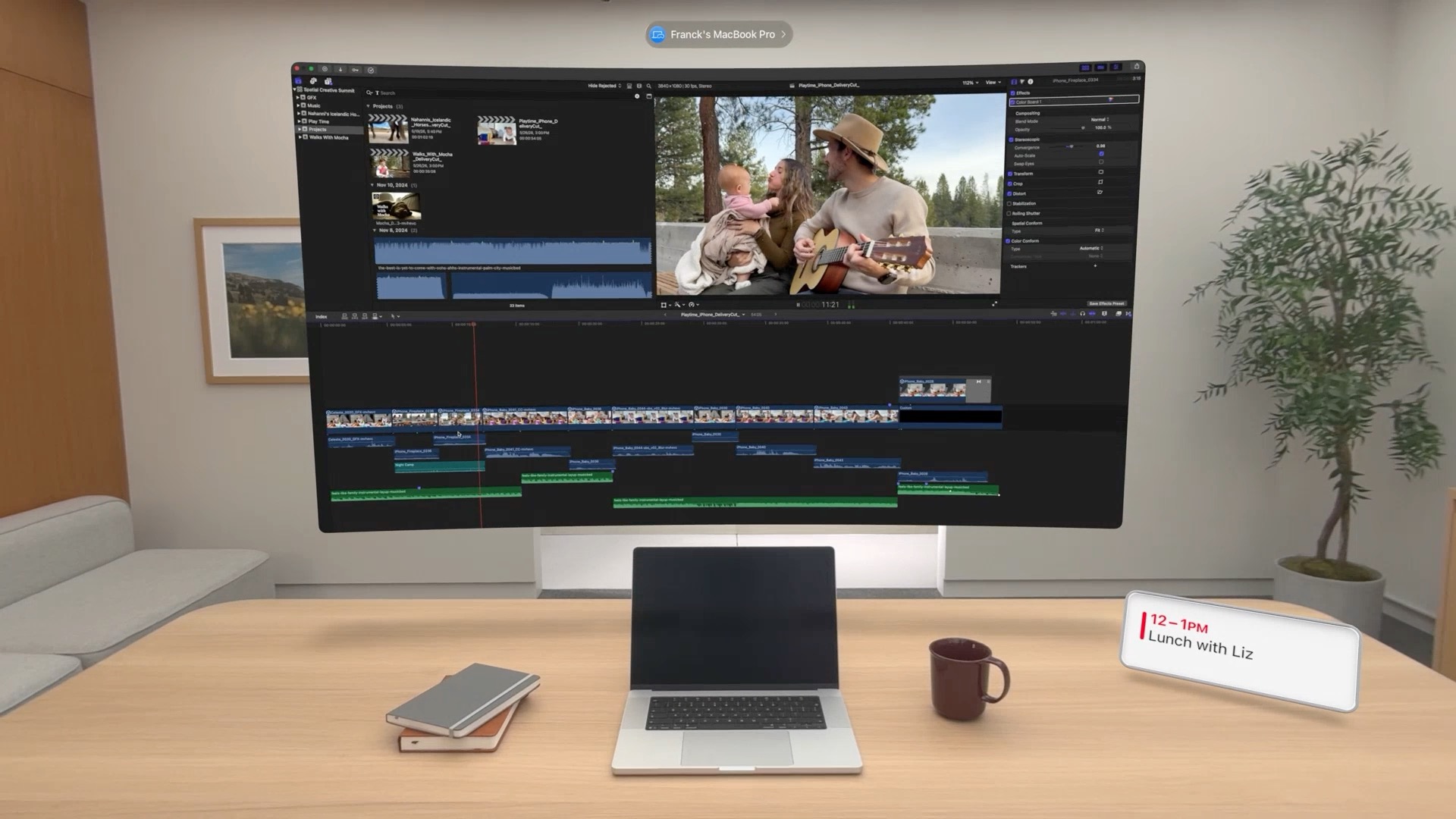
- The Enterprise Shift: With better object tracking, accessory support, and professional-grade rendering, the Vision Pro is shedding its "toy" label. Industries ranging from manufacturing to medical training are now far more likely to adopt the hardware as a legitimate daily tool.
- The Ecosystem War: The ability to pin AI agents and create specialized controllers puts Apple in direct competition with Meta’s Horizon OS and various Android-based XR platforms. By opening its APIs, Apple is betting that the quality of its "Shared Space" and the ease of its development tools will lure creators away from more closed ecosystems.
- The "High-Quality" Standard: The new unfoveated screen recording feature is a massive win for content creators. By allowing 4K, high-quality captures without the blur associated with foveated rendering, Apple is ensuring that the "marketing" of the platform—via social media and professional demos—accurately reflects the stunning visual quality of the device.
Final Thoughts
visionOS 27 is an exercise in refinement and expansion. It does not reinvent the headset; rather, it provides the missing infrastructure necessary for a professional computing platform. By merging generative AI, industrial-grade tracking, and sophisticated rendering into a single, polished update, Apple is proving that its vision for the future of computing is not just about showing the world a new way to consume media, but a new way to create, build, and interact with the physical reality around us. As the update rolls out this fall, the focus will shift from what the headset is to what it can do, and for the first time, the answer is "almost anything."

