

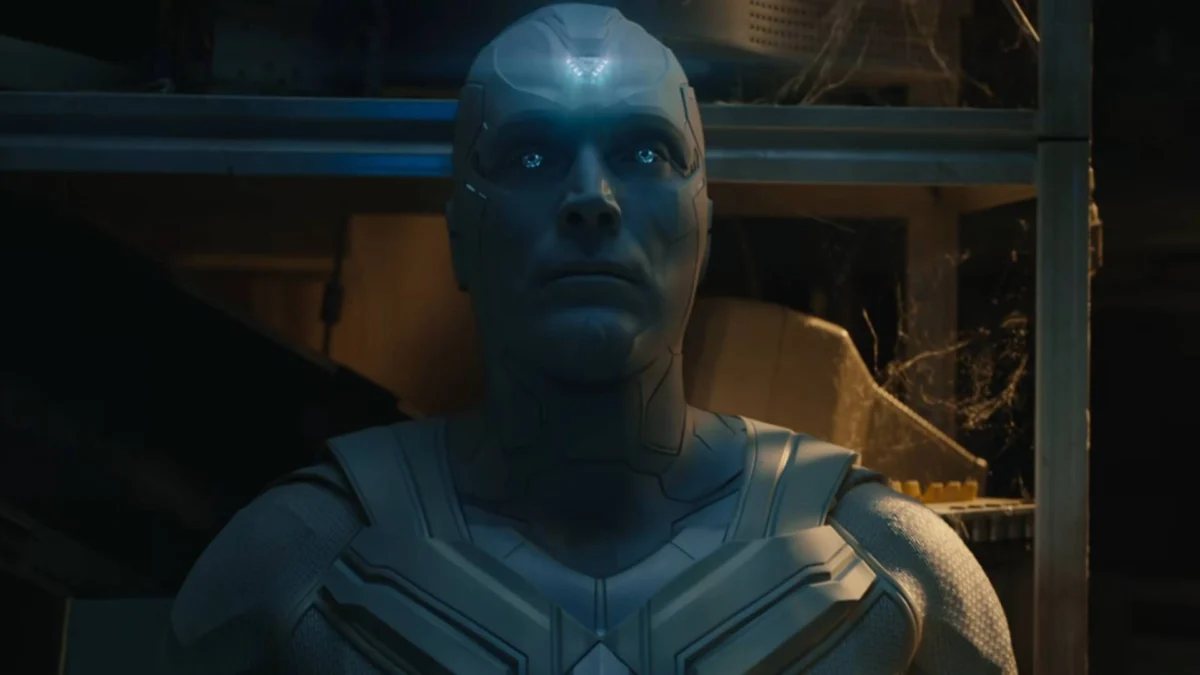
In the sprawling, interconnected tapestry of the Marvel Cinematic Universe (MCU), the line between artificial intelligence and human consciousness has always been razor-thin. From the sentient spark of JARVIS to the existential dread of Ultron, the franchise has grappled with what it means to be "alive." Now, as Marvel Studios prepares to release its latest Disney Plus entry, VisionQuest, showrunner Terry Matalas is pulling back the curtain on a creative decision that marks a significant tonal shift for the studio: a focus on raw, human-centric performance over the standard reliance on high-budget computer-generated imagery (CGI).
As the series prepares for its October 14 debut, Matalas has clarified that while the show will feature plenty of the metallic, menacing robot forms audiences expect, the heart of the narrative lies in the complex, "father-and-son" dynamic between Vision (Paul Bettany) and his creator, the malevolent Ultron (James Spader).
The Core Conflict: A Return to ‘Age of Ultron’ Roots
To understand the stakes of VisionQuest, one must look back at the climax of Avengers: Age of Ultron. The final confrontation between the two—a philosophical exchange regarding the nature of humanity, evolution, and death—remains one of the most poignant moments in MCU history. It was a brief, cerebral encounter that defined Vision’s entire existence.
Matalas, who has taken the helm of this project with a clear vision, explains that the series is fundamentally inspired by that specific, quiet moment. "The show is very much inspired by that last scene in Age of Ultron between the two of them," Matalas shared in an interview with Polygon. "But watching Spader and Bettany chew up the scenery was something I saw in my head from the very beginning."
This creative direction represents a departure from the "CGI-first" approach often associated with massive superhero franchises. By bringing these iconic characters into human form, Matalas is prioritizing the craft of acting—the micro-expressions, the cadence of speech, and the subtle, unspoken tension that only veteran actors like Spader and Bettany can provide.
The Humanization of the Machine: A Creative Necessity
The decision to manifest these AIs as humans is not merely a budgetary choice, despite what some cynical industry observers might suggest. Matalas is quick to dispel the notion that the series is skimping on visual effects.
"It’s funny, people say it’s a budget thing, it’s not, it’s a James Spader thing," Matalas stated. "I love James Spader. Who doesn’t love James Spader? I just want to see James and I want to see Bettany."
The technical limitations of CGI robots are, according to Matalas, a hindrance to the kind of emotional storytelling he intends to deliver. "It is prohibitively expensive to do a CGI robot 24/7, but I also don’t want to see a CGI robot," he noted. "It’s not going to be able to emote and do the things that James Spader can do with just the twitch of an eyebrow. So that’s pretty much the main reason."
This perspective underscores a growing trend in prestige television: the move away from "digital set pieces" toward character-driven drama. By allowing these AIs to inhabit human bodies, the show forces the audience to confront their humanity directly, stripping away the distancing effect of metallic armor and glowing eyes.
A "Happy Home" Under Duress: The Expanded Cast
The human-form trope extends beyond the primary protagonists. VisionQuest features a fascinating ensemble of actors stepping into the roles of legendary Marvel AIs. Orla Brady has been cast as FRIDAY, the tactical AI that guided Tony Stark through his final years; Emily Hampshire takes on the mantle of EDITH, the augmented reality system gifted to Peter Parker; and James D’Arcy returns to the fold as the legendary JARVIS.
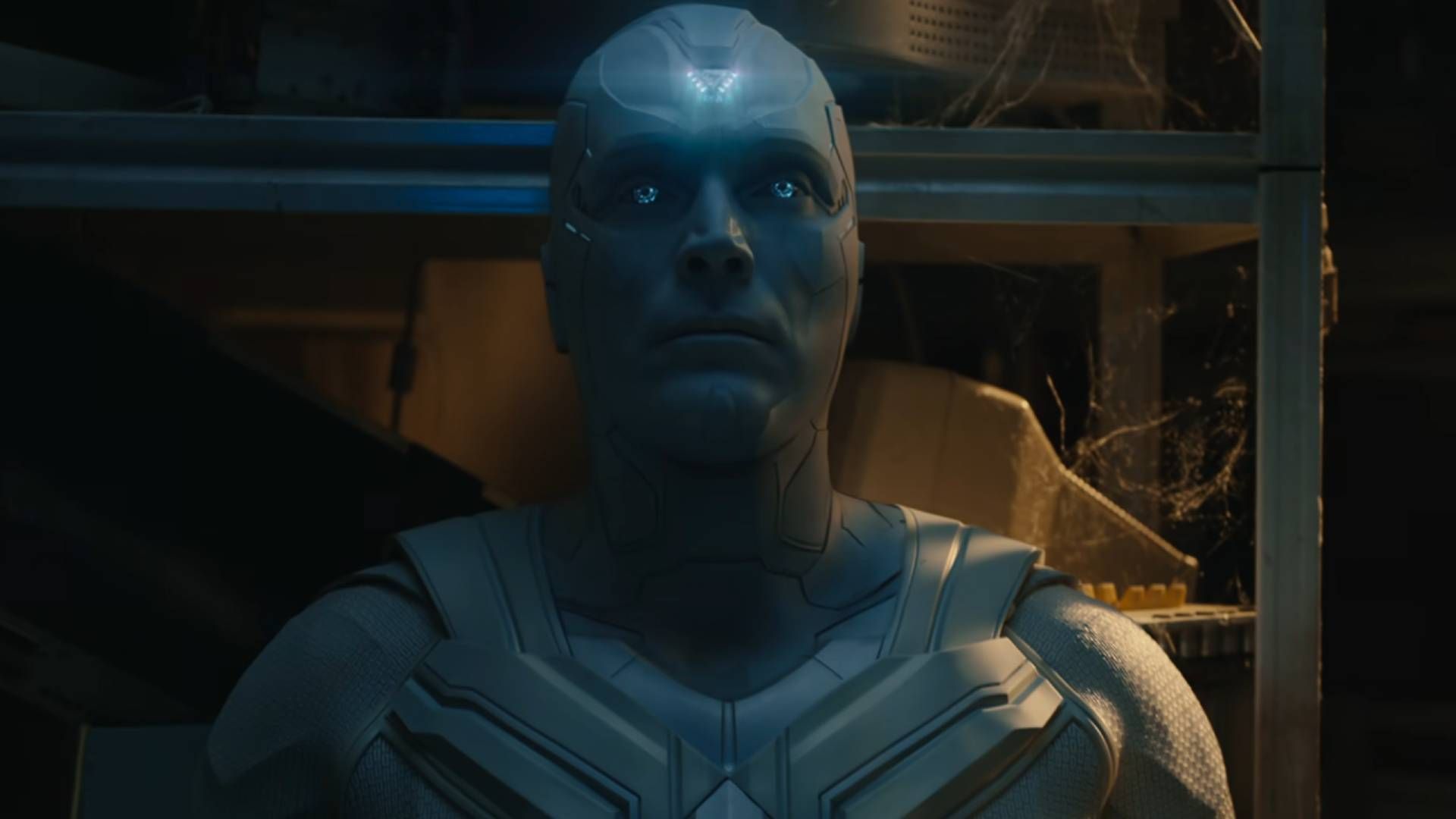
The premise behind this gathering is as domestic as it is unsettling. It is Vision himself who requests that these AIs adopt human forms to create a sense of normalcy and "happy home" vibes. This creates an immediate, inherent irony: the most advanced, potentially world-ending entities in the Marvel universe are attempting to play house.
The presence of Ultron in this domestic setting creates a volatile, ticking-clock tension. How can a home be "happy" when one of its residents is a genocidal architect of destruction? The show promises to explore this paradox, offering a unique perspective on the aftermath of Tony Stark’s sacrifice. As previously reported, the series will delve into the heartbreaking legacy of Iron Man, using the perspective of his former AIs to process the loss of their creator.
Chronology and Context: Where Does ‘VisionQuest’ Fit?
VisionQuest occupies a liminal space in the MCU timeline. Following the events of WandaVision, the "White Vision" (reconstructed from the original body by S.W.O.R.D.) has been wandering the world, seeking to define his own existence without the influence of the Mind Stone or his memories of Wanda Maximoff.
The timeline of the show acts as a bridge between the post-Thanos trauma and the upcoming Avengers events. By focusing on the "resurrection" of these personalities—specifically Ultron—the show is effectively re-canonizing elements of the past that have been dormant for years.
Key Narrative Pillars:
- The Reconstitution of Identity: Vision is tasked with reconciling the "ghosts" of the past.
- The AI Diaspora: The show explores what happens to support-system AIs when the heroes they served are gone.
- The Moral Ambiguity of Creation: Through the eyes of FRIDAY, JARVIS, and EDITH, we see the ethical consequences of Tony Stark’s technological genius.
Implications for the Future of the MCU
The success of VisionQuest could signal a pivot for Marvel Studios. For years, the franchise has been criticized for "CGI bloat," where final acts dissolve into chaotic, weightless digital brawls. If Matalas can deliver a compelling, high-stakes narrative that relies on the "twitch of an eyebrow" rather than a laser-beam explosion, it provides a blueprint for future Disney Plus series to follow.
Furthermore, the show leans into the "prestige drama" aesthetic. By focusing on the internal lives of synthetic beings, Marvel is leaning into the science-fiction roots that have always been present but often overshadowed by action beats. If VisionQuest performs well, we can expect a continued expansion of the MCU into more niche, character-focused sub-genres, potentially moving away from the "all-encompassing event" structure that has dominated the last decade.
Conclusion: A New Frontier
As October 14 approaches, anticipation is high not just for the spectacle, but for the performances. James Spader’s return to the Marvel fold is a major event for long-time fans, and his rapport with Paul Bettany is poised to be the series’ strongest asset.
In a world where artificial intelligence is a growing concern and a source of existential anxiety, VisionQuest arrives at a poignant moment. By stripping away the machinery and focusing on the humanity—or the imitation of it—Matalas is crafting a story that asks us to look at the machines we build and wonder if, perhaps, they understand us better than we understand ourselves.
Whether the "happy home" can survive the presence of Ultron remains to be seen, but one thing is certain: the most interesting battles in the MCU aren’t always fought with repulsor blasts or infinity stones. Sometimes, they are fought in the quiet, tense conversations between a creator and his creation, played out in the human faces of the very beings that were never meant to have them.

