

Tom’s Hardware Verdict
The Anycubic Kobra 4 Combo emerges as a significant refinement of its 2024 predecessor, the Kobra 3, borrowing aesthetic cues from popular competitors like Bambu Lab’s A1. While it may not drastically redefine the landscape of 3D printing in the same way some of its siblings have, it offers a solid, user-friendly experience and represents a commendable value proposition, particularly for those new to multi-material 3D printing. Its primary technical advancement lies in the highly improved multi-material handling system, the ACE Pro 2, which boasts integrated filament drying capabilities.
Pros
- Solid and reliable printing performance
- Excellent value for a multi-material system
- Streamlined assembly process
- Advanced automatic bed leveling and vibration compensation
- Quick-swap hotend and nozzle for easy maintenance
- ACE Pro 2 offers effective filament drying
- Quiet operation
- AI spaghetti detection works reliably
Cons
- Multi-material system (ACE Pro 2) cannot print flexible filaments like TPU directly
- Filament swapping in ACE Pro 2 is currently slow
- Camera resolution and placement limit timelapse quality
- Anycubic Slicer bug underestimates filament waste in multi-material prints
- Overall design, while improved, is still "unwieldy" compared to more integrated systems
- Faces stiff competition from Anycubic’s own Kobra X and rivals like Bambu Lab A1 and Creality SparkX i7
Why you can trust Tom’s Hardware
Our expert reviewers spend hours testing and comparing products and services so you can choose the best for you. Find out more about how we test.
The Anycubic Kobra 4 Combo: An Iteration, Not a Revolution
The Anycubic Kobra 4 Combo, officially launched on May 18, 2026, positions itself as an evolution within Anycubic’s rapidly expanding Kobra series. It serves as an updated version of the Kobra 3 Combo, released earlier in 2024, and can also be viewed as a more compact alternative to the larger Kobra 3 Max. This latest iteration clearly signals Anycubic’s strategy to refine existing successful platforms while integrating new features and design philosophies.
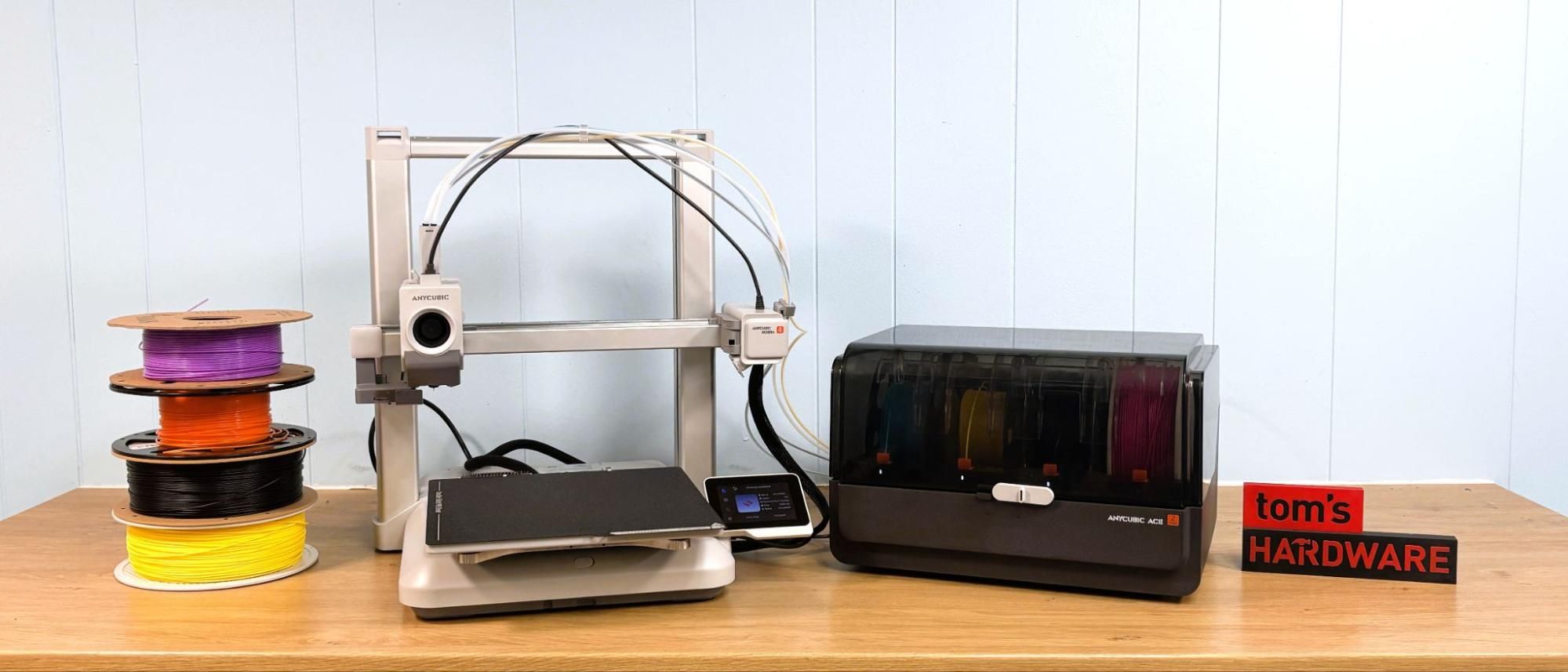
Visually, the Kobra 4 Combo adopts a sleek aesthetic, featuring a brushed aluminum frame paired with a pale plastic base. This design choice draws noticeable inspiration from the clean, modern lines of Bambu Lab’s A1, a testament to the competitive pressures and design trends shaping the current 3D printer market. While the core printing experience itself demonstrates a marked improvement over its direct predecessor, the most significant technological leap forward is found in its multi-material handling system: the ACE Pro 2. This updated unit is central to the Kobra 4’s appeal, offering enhanced functionality and user convenience.
Anycubic has strategically priced the Kobra 4 Combo to appeal to budget-minded beginners. During its initial sale, the combo unit is available for $379, with the single-color machine priced at $279. This pricing strategy places it in a highly competitive segment, especially when considering Anycubic’s own offerings. Notably, the single-color Kobra 4 is priced identically to the four-color Kobra X, a machine Tom’s Hardware reviewed in February, which introduced a groundbreaking multi-material filament switcher integrated directly into the tool head, lauded for its efficiency in reducing print time and filament waste. This internal competition poses an interesting challenge for the Kobra 4’s market positioning.
Chronology of Innovation: The Kobra Lineage and the ACE Pro 2
Anycubic’s Kobra series has seen rapid development, with each new model building upon the last. The Kobra 3 and Kobra 3 Max set the stage earlier in 2024, establishing a foundation for accessible 3D printing. However, it was the Kobra X, reviewed just months before the Kobra 4’s launch, that truly pushed boundaries with its integrated multi-material system. The Kobra X represented a "true leap forward" due to its clever design, which minimized filament path length and waste.
The Kobra 4 Combo, while incorporating many of the printing advancements from the Kobra X, such as the quick-swap hotend, chooses a different approach for multi-material management. Instead of integrating the filament switcher directly into the tool head, it relies on the external ACE Pro 2. This decision, while offering the advantage of external filament drying, contributes to a larger overall footprint and a less "clean" filament path compared to the Kobra X.
The evolution of the ACE unit is central to the Kobra 4’s narrative. The original ACE generation suffered from often requiring multiple attempts to load filament successfully. The ACE Pro 2 represents a significant refinement, addressing many of these past frustrations. This chronological progression highlights Anycubic’s commitment to iterating and improving its multi-material solutions, even if the optimal design (integrated vs. external) remains a point of divergence within their own product lines.
Supporting Data: A Deep Dive into Features and Performance
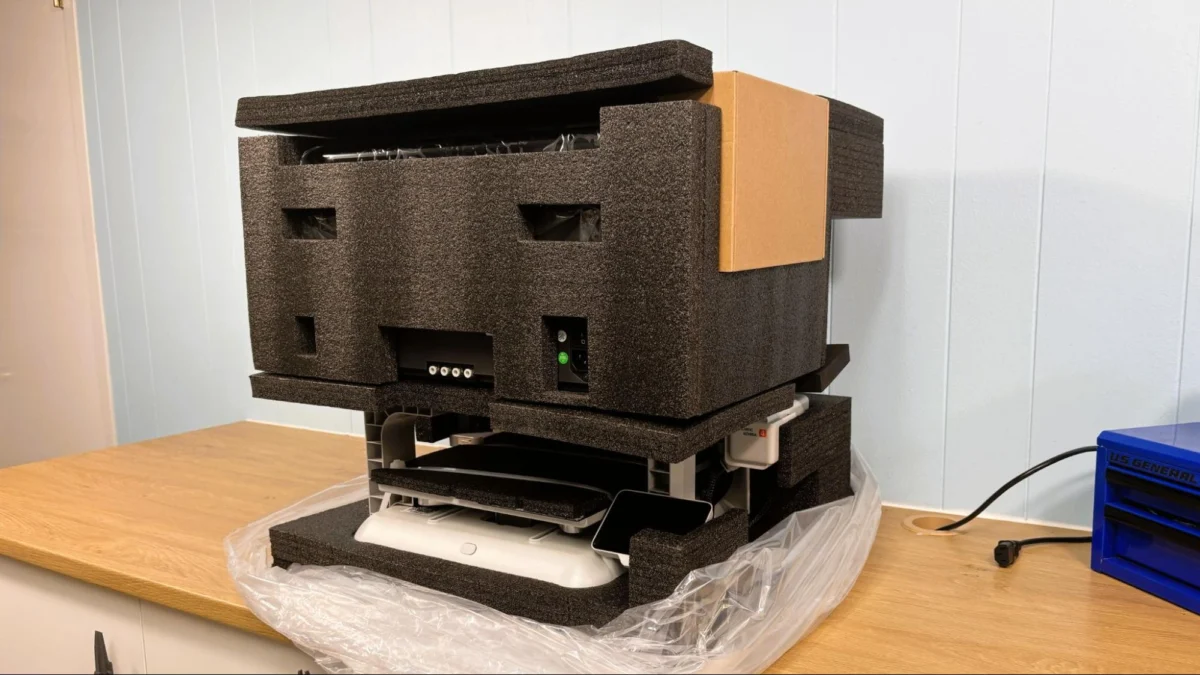
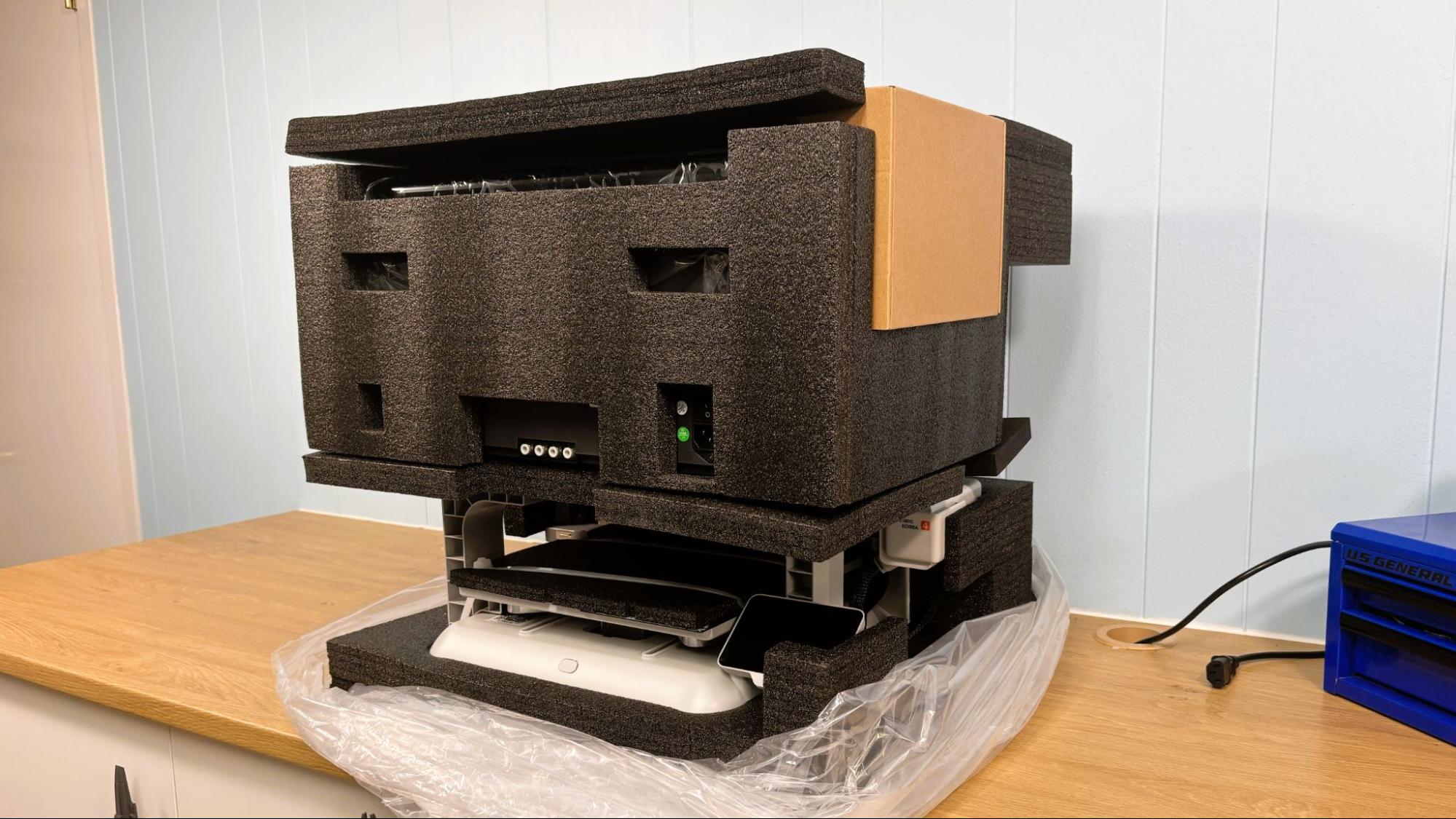
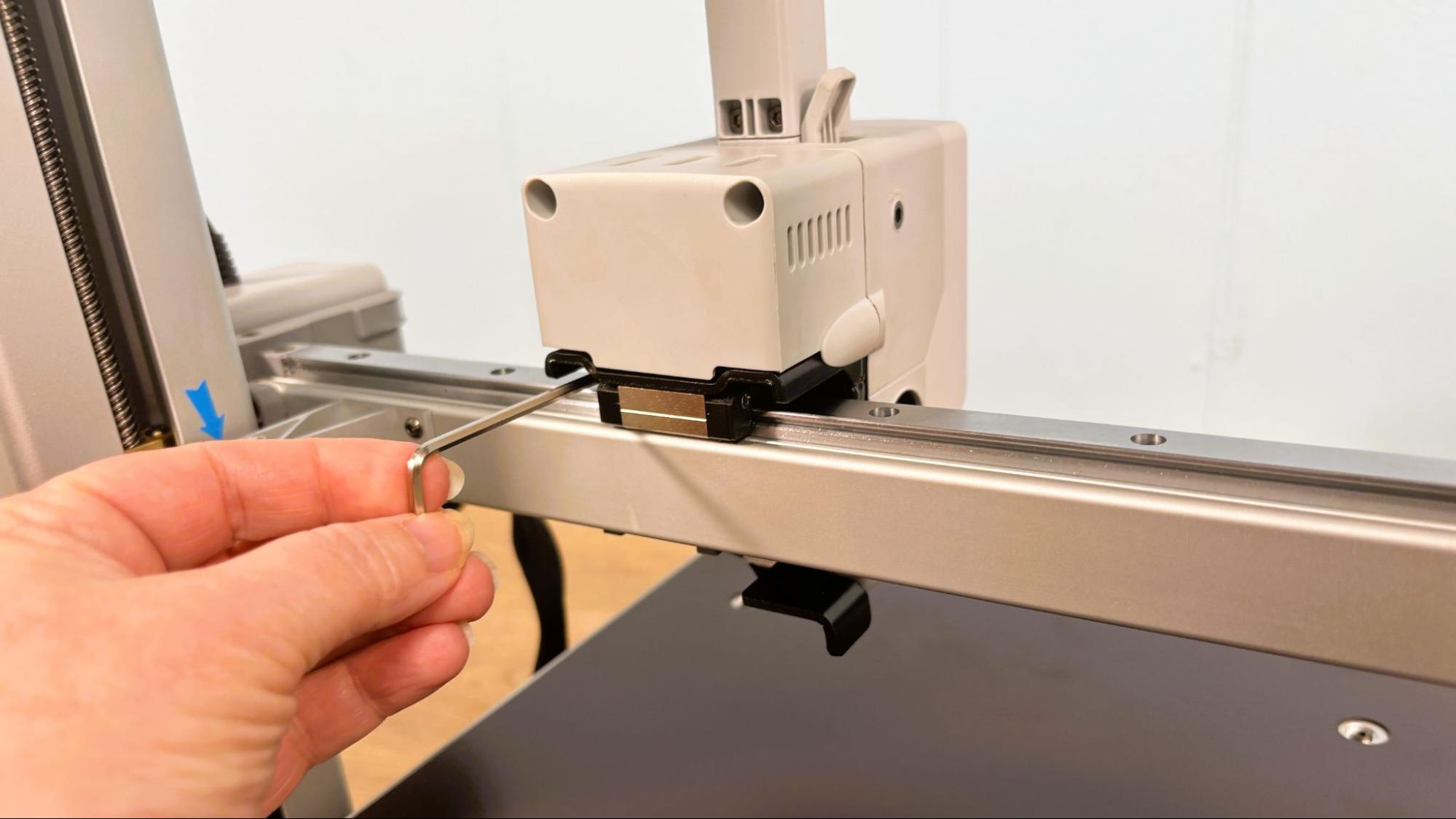
The Anycubic Kobra 4 Combo arrives as a largely pre-assembled unit, simplifying the initial setup for users. Our beta unit, which included the ACE Pro 2, required minimal assembly: primarily removing packing screws and attaching the toolhead and purge wiper. A notable detail was the inclusion of a remarkably long, magnetized hex key for accessing screws under the bed, a thoughtful touch that prevents dropped fasteners during assembly. Once the bed brackets are removed, trim pieces neatly conceal the resulting holes in the base. Connecting the printer to the ACE Pro 2 is straightforward, involving four Bowden tubes running from the tool head to the rear of the ACE Pro 2, alongside a signal wire. Both the printer and the ACE unit require separate power cords.
Specifications
| Feature | Detail |
|---|---|
| Build Volume | 260 x 260 x 260 mm (10.23 x 10.23 x 10.23 in) |
| Material | PLA/PETG/TPU (up to 300 degrees) |
| Extruder Type | Direct drive |
| Nozzle | .4mm |
| Build Platform | Double sided PEI spring steel flex plate |
| Bed Leveling | Automatic with Auto Z Offset |
| Filament Sensor | Yes |
| Connectivity | USB, LAN, Wi-Fi, App |
| Interface | 3.5-inch Color touch screen |
| Footprint | 455.4 x 445.3 x 461.3mm (not including spool holder) |
| Weight | 9.9kg (21.82 lbs) |
| MSRP | $499 |
| Release Date | May 18, 2026 |
Included in the Box
The Anycubic Kobra 4 Combo comes with all necessary accessories to get started. Beyond the printer and the ACE Pro 2, the package includes two power cords (one for each unit), a signal cable, and four Bowden tubes for connecting the printer to the multi-material handler. A comprehensive tool kit provides hex keys, grease, and a nozzle cleaner. Our early production unit notably lacked a single spool holder, a minor oversight that required borrowing one from an Anycubic Kobra X for specific filament types like TPU.
Core Printing Technology and User Experience
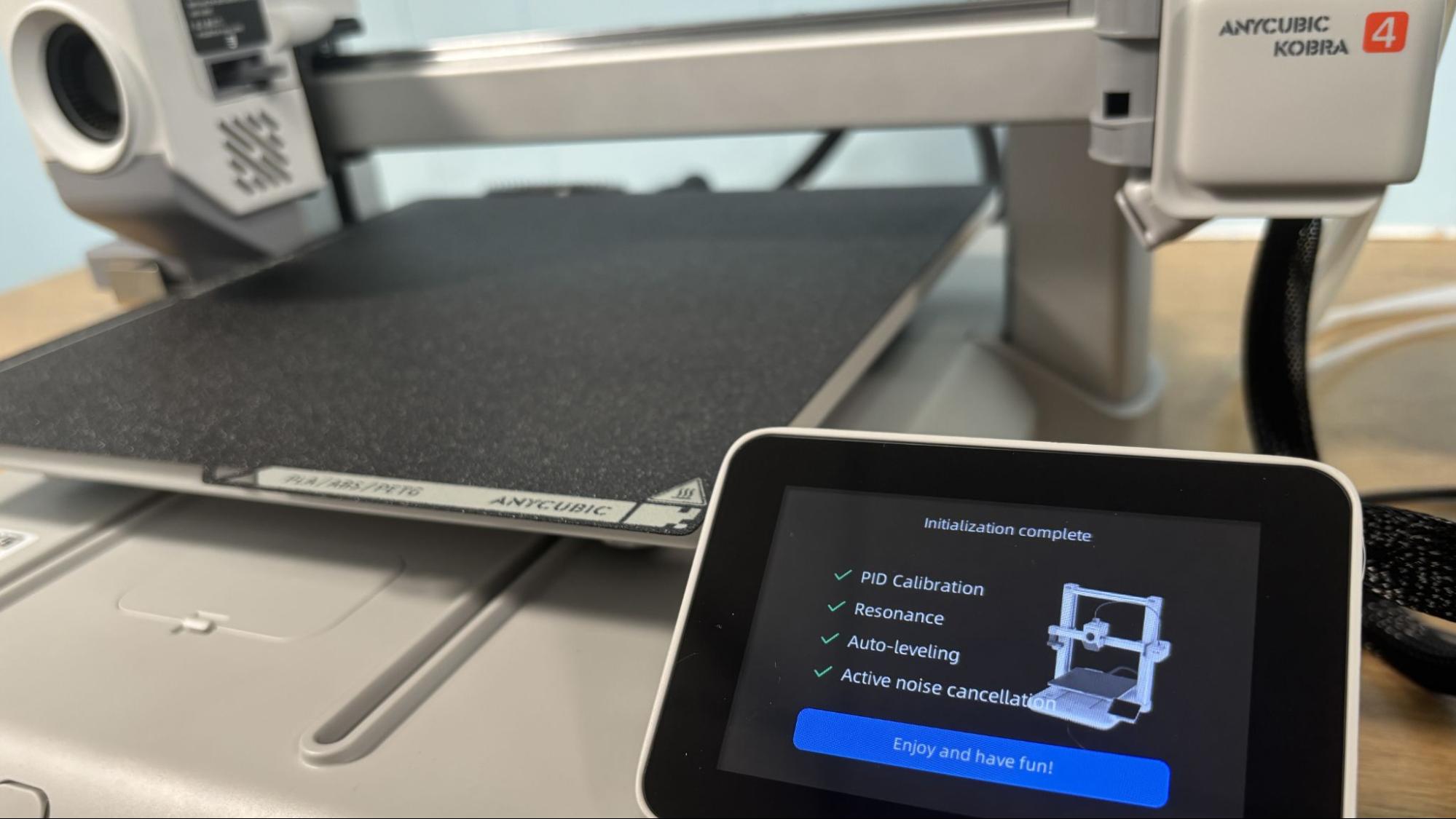
Anycubic has demonstrated its mastery of essential 3D printing functionalities, and the Kobra 4 continues this trend. The automatic bed leveling and Z-offset calibration, first perfected in the Kobra 3 lineup, remain excellent. The initial calibration sequence is thorough, encompassing PID tuning, resonance testing, bed leveling, and noise cancellation, ensuring optimal print conditions from the outset. For added reliability, the printer offers the option of performing bed leveling at the start of every print.
The Kobra 4 boasts a direct drive extruder and a .4mm nozzle, capable of handling a variety of materials including PLA, PETG, and TPU, with a maximum nozzle temperature of 300 degrees Celsius. The build platform is a double-sided PEI spring steel flex plate, known for its excellent adhesion and easy print removal. A filament runout sensor is also included, a crucial feature for preventing failed prints due to exhausted spools.
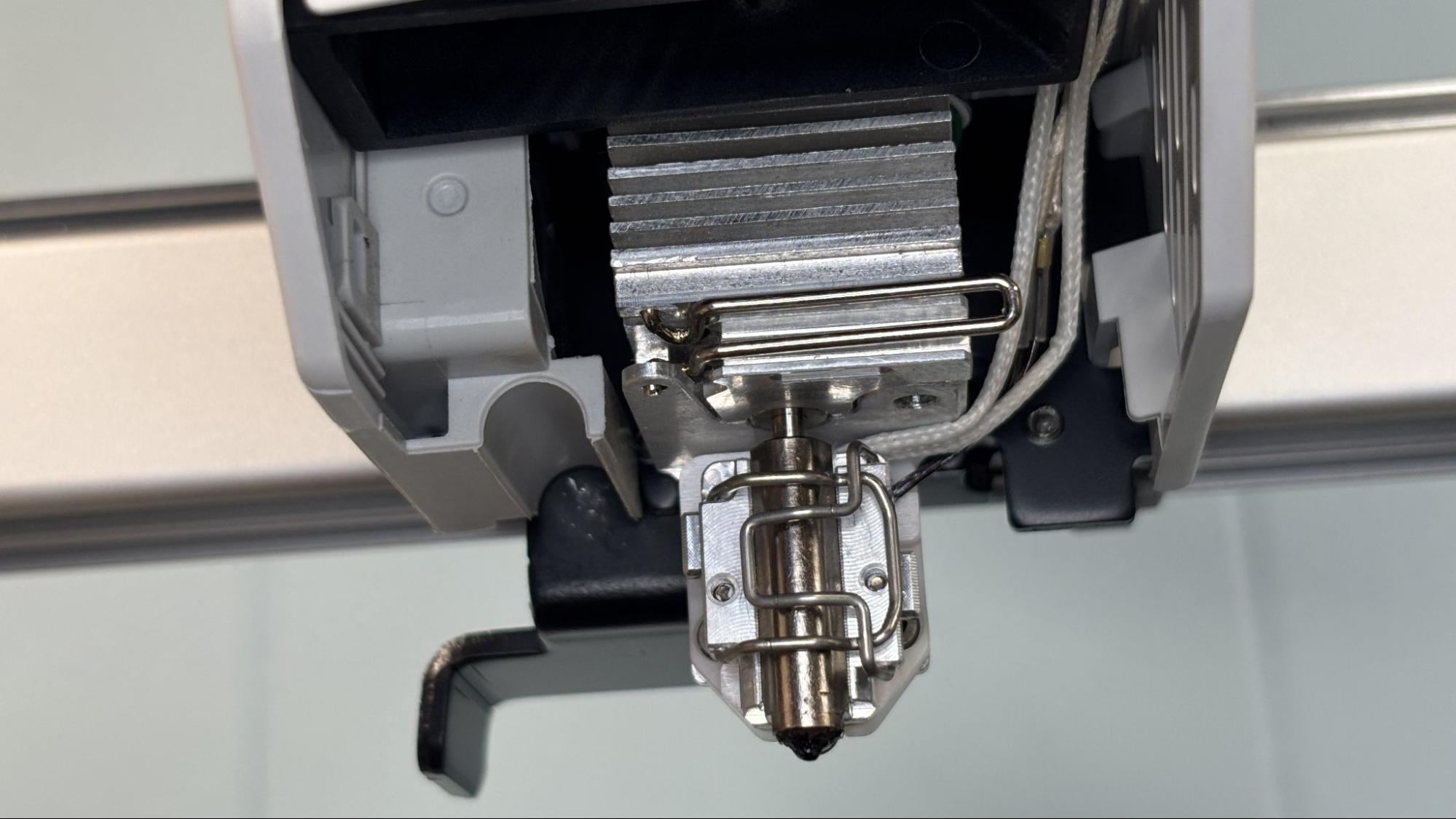
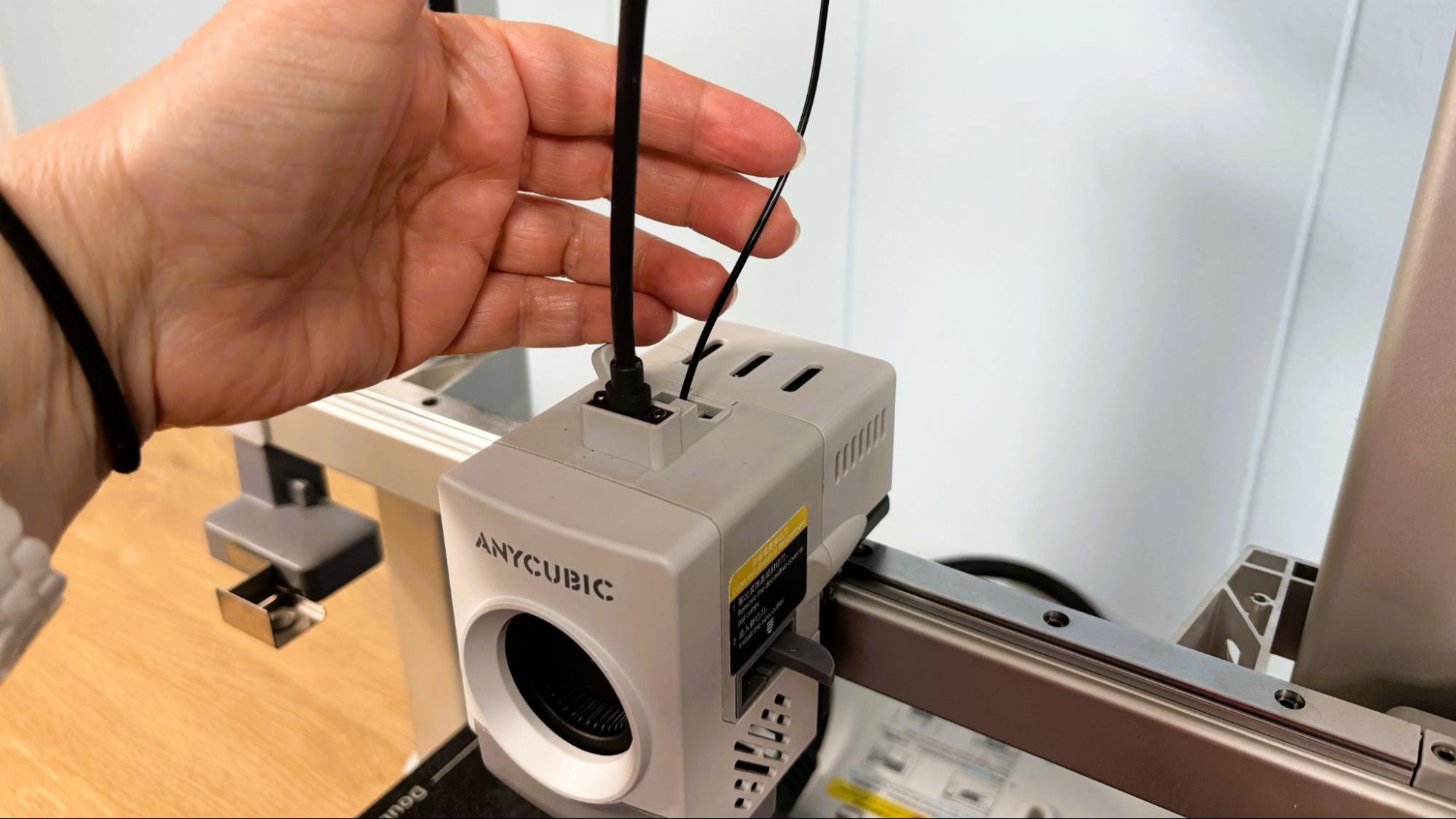
One of the significant upgrades inherited from the Kobra X is the quick-swap hotend. This innovative design uses a simple clip mechanism to secure the nozzle, allowing for tool-free replacement in seconds. Coupled with easily removable cutters, clearing filament jams becomes a quick and hassle-free operation, significantly improving maintenance and reducing downtime.
The ACE Pro 2 Multi-Material Handler
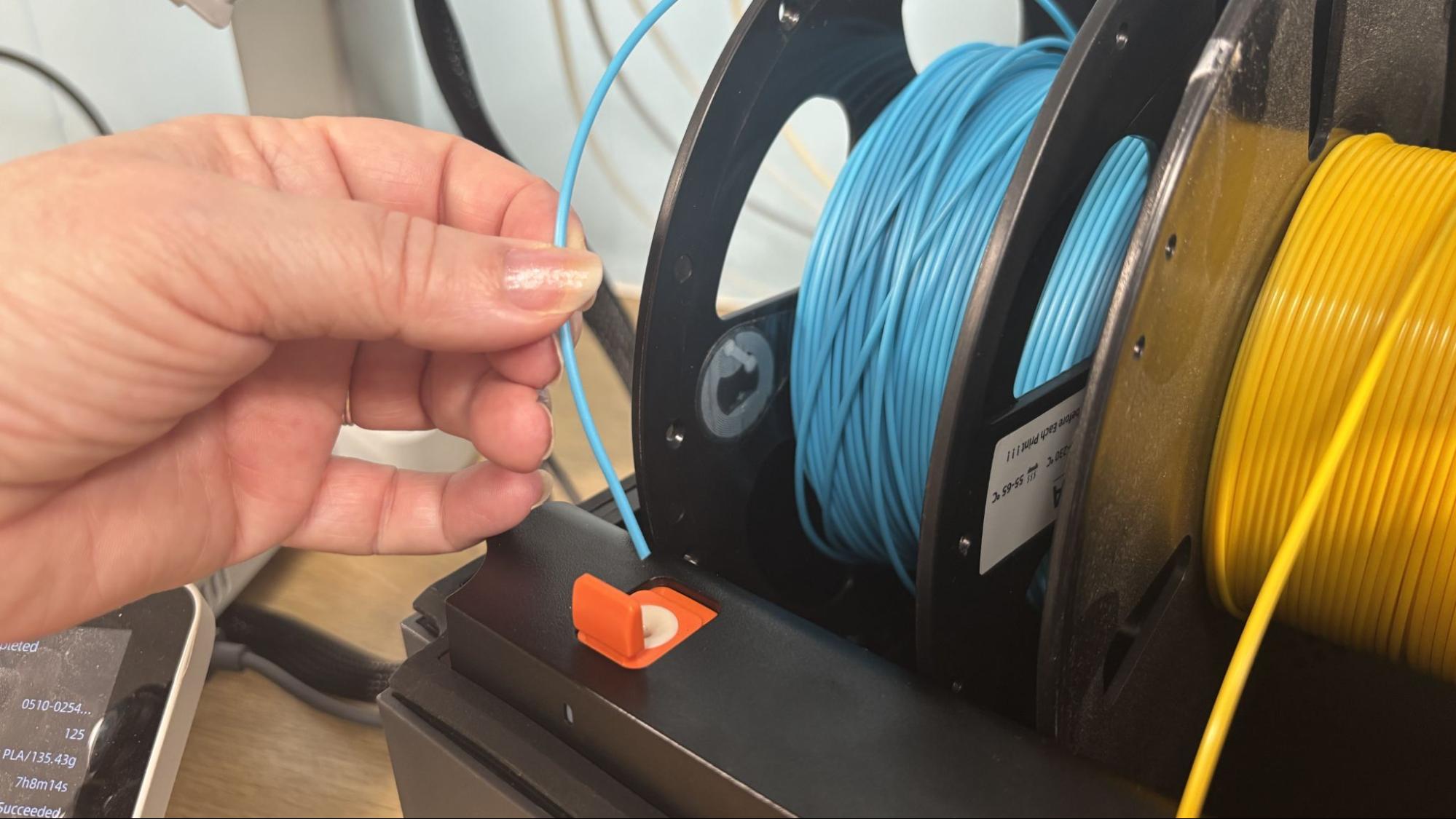
The ACE Pro 2 is the centerpiece of the Kobra 4 Combo, offering a refined multi-material experience. Filament loading, a point of frustration in earlier ACE generations, has been vastly improved. Users simply feed the filament into the designated feeder, and the system intelligently "slurps" it up, largely eliminating the multiple attempts often required previously.
A standout feature is the ACE Pro 2’s ability to read RFID tags embedded in Anycubic-branded filament, automatically identifying the material type and color. For third-party filaments, users can manually input the information via the printer’s touchscreen and sync it with the slicer software.
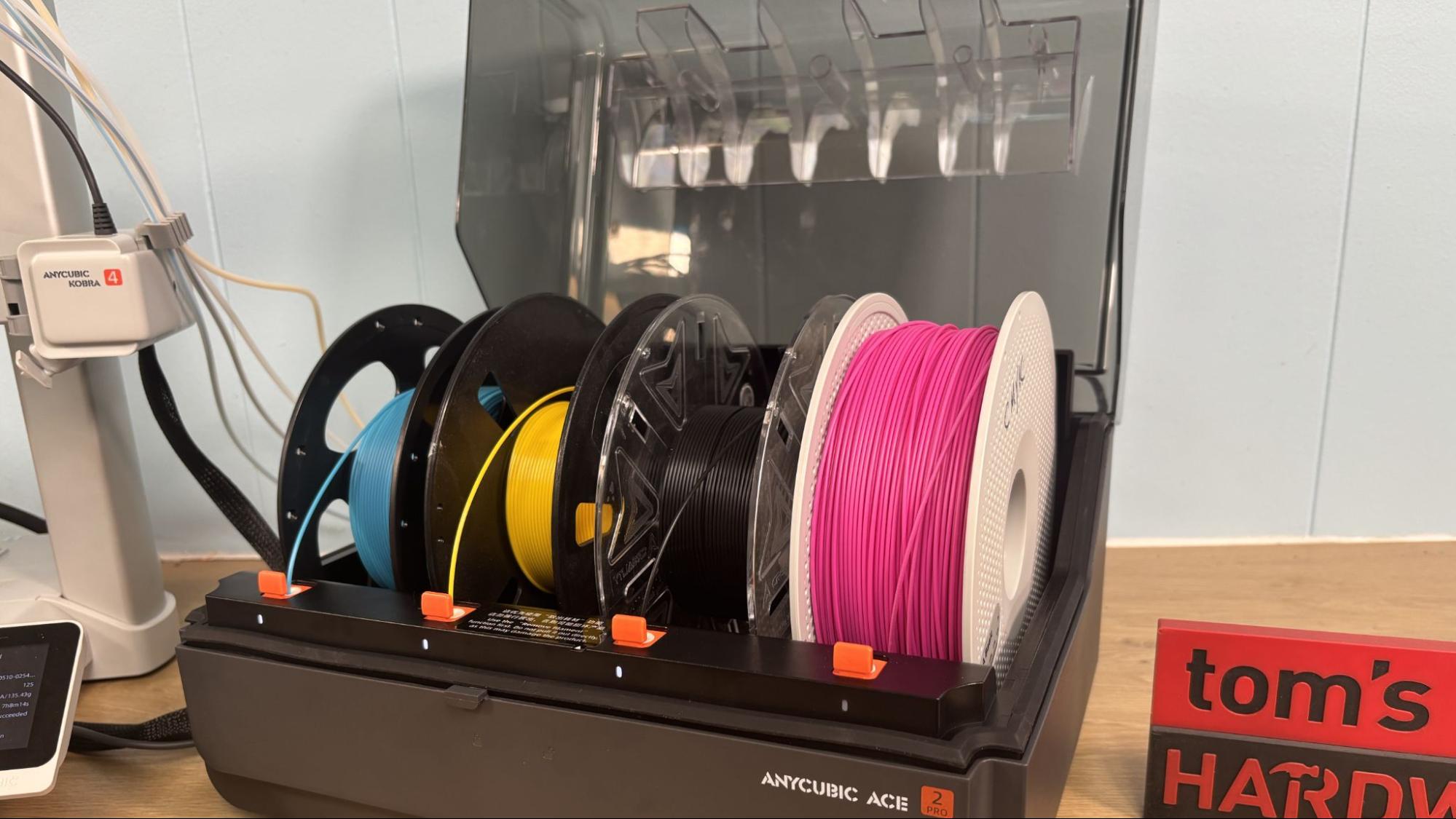
Beyond multi-material capabilities, the ACE Pro 2 doubles as a filament drier, a highly valuable function, especially for moisture-sensitive materials like PETG. This integrated drying capability means users can print with optimally conditioned filament, even during the printing process. The unit accommodates most standard filament spools, with guides on both the lid and the back. However, smaller spools, loose coils, or fragile cardboard spools are best handled via an external spool holder.
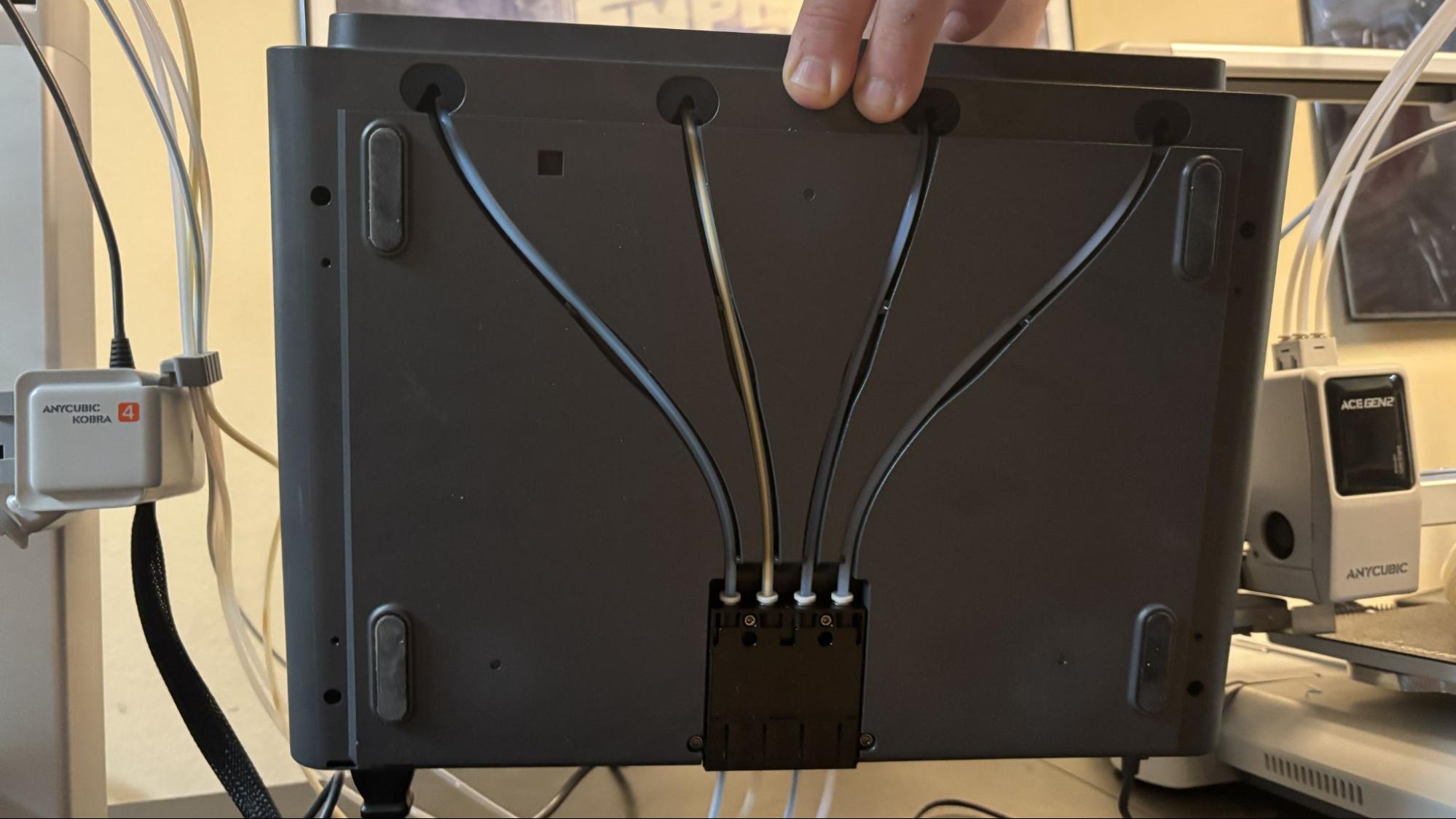
Addressing another common pain point of earlier multi-material systems, the ACE Pro 2 features externally routed filament tubes along the bottom of the unit with easy disconnects at the buffer. This design significantly simplifies the process of clearing jams, eliminating the need for extensive disassembly.
However, the ACE Pro 2 is not without its limitations. The current filament swapping process, while improved in reliability, is noticeably slow. This can significantly extend print times for multi-color models with frequent color changes. Anycubic has indicated that future firmware updates are expected to address and speed up this process. More critically, the ACE Pro 2, despite its advancements, cannot handle flexible filaments like TPU directly. To print TPU, users must bypass the ACE Pro 2 entirely, using an external spool holder (which was missing from our beta unit) and feeding the filament directly into the toolhead. While Anycubic has promised to add a printable "single hub" to the printer’s memory as a workaround, the necessity of this workaround diminishes the "all-in-one" convenience of the combo unit. Despite this limitation, the Kobra 4 proved highly capable with TPU, even down to 83A shore hardness, once the direct feeding method was employed.
Connectivity, Interface, and Noise
The Kobra 4 Combo offers robust connectivity options, including USB, LAN, Wi-Fi, and app integration. Its 3.5-inch color touchscreen provides an intuitive interface for controlling print parameters and monitoring progress. Operationally, the Kobra 4 Combo is remarkably quiet, with fan noise being the predominant sound during printing. The ACE Pro 2 is nearly silent, only emitting minimal noise when actively drying filament.
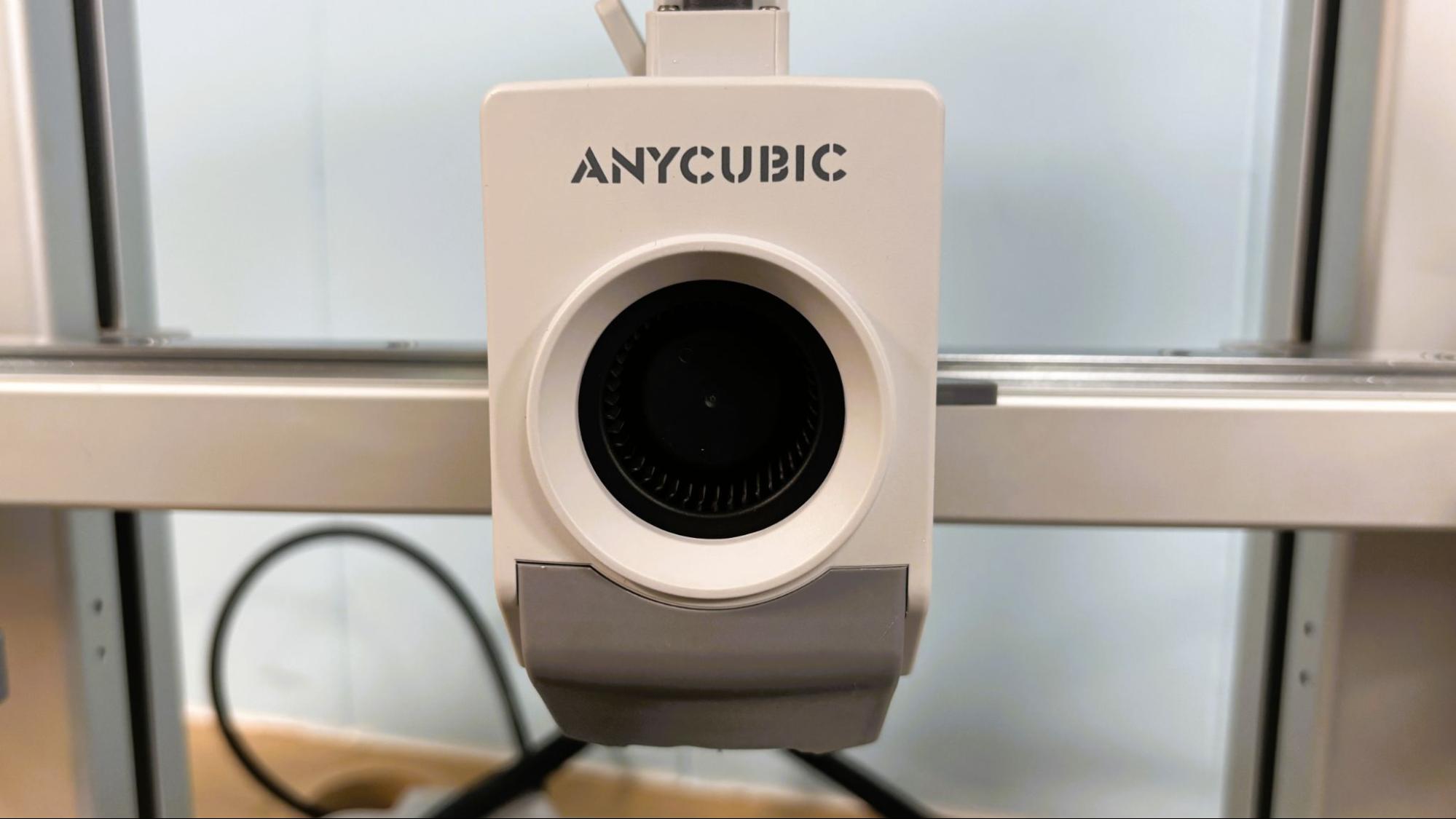
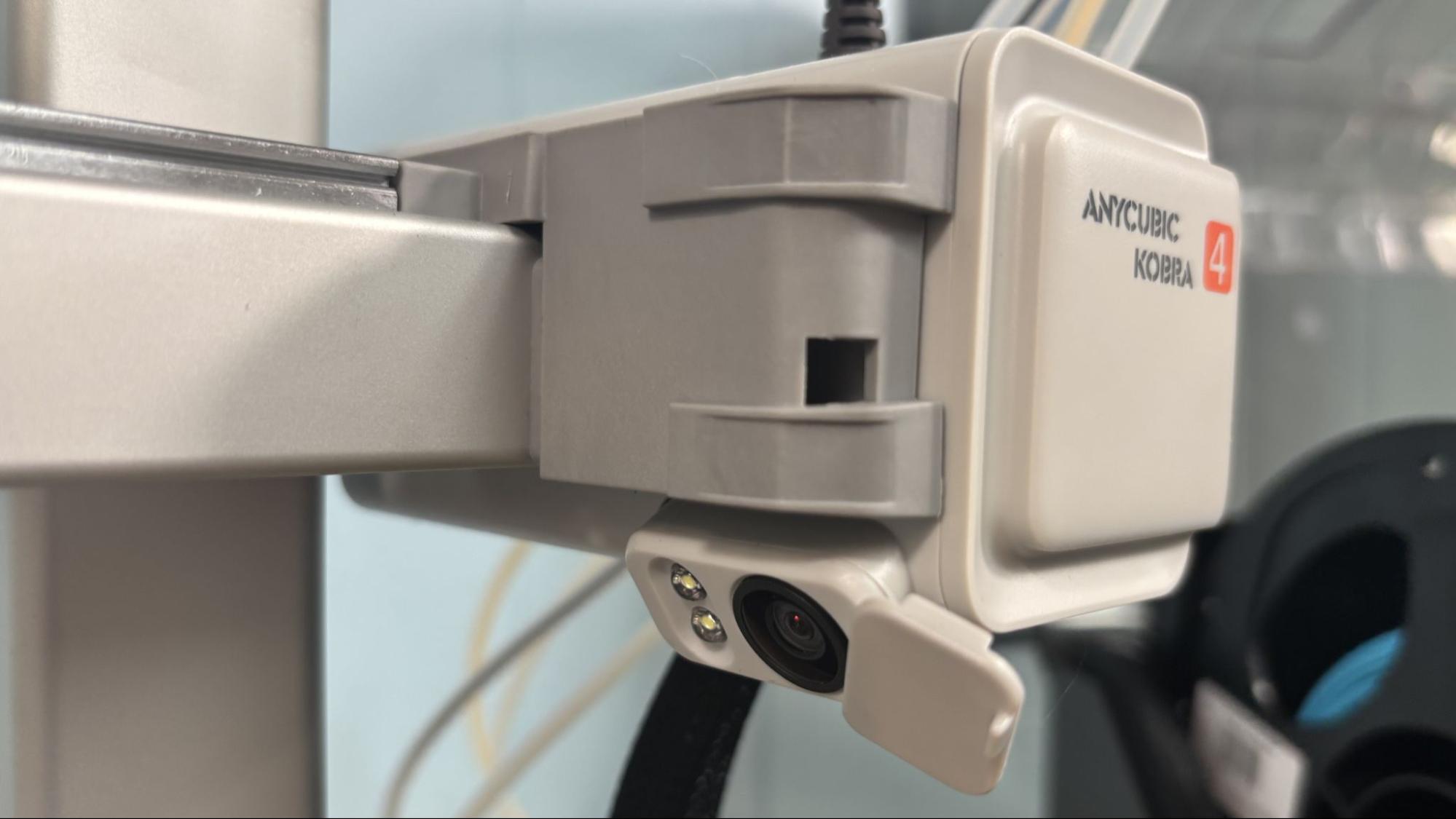
The integrated 720p camera provides adequate monitoring capabilities via PC or the Anycubic App. It also powers the AI spaghetti detection system, which proved effective and thankfully not overly sensitive during testing. However, due to its placement on the Z-axis, the camera’s angle makes it less suitable for high-quality timelapse recordings, a common limitation for bed slinger designs.
Software Ecosystem: Anycubic Slicer Next
The Kobra 4 utilizes Anycubic Slicer Next, a slicing software built upon a strong lineage, tracing its roots through OrcaSlicer, Bambu Studio, and ultimately PrusaSlicer. Users familiar with any of these platforms will find Anycubic Slicer Next intuitive and easy to navigate.
The slicer’s homepage offers quick access to recently opened files and Anycubic’s "Makeronline" file-sharing library. While files can be transferred manually via USB for offline printing, the integrated connectivity allows for seamless remote operation. From the slicer’s workbench page or the Anycubic App’s task details, users can remotely stop prints, skip parts, and adjust critical settings like print temperatures and speeds. Although the app allows printing of pre-sliced files, its ability to modify print settings on the fly is somewhat limited.
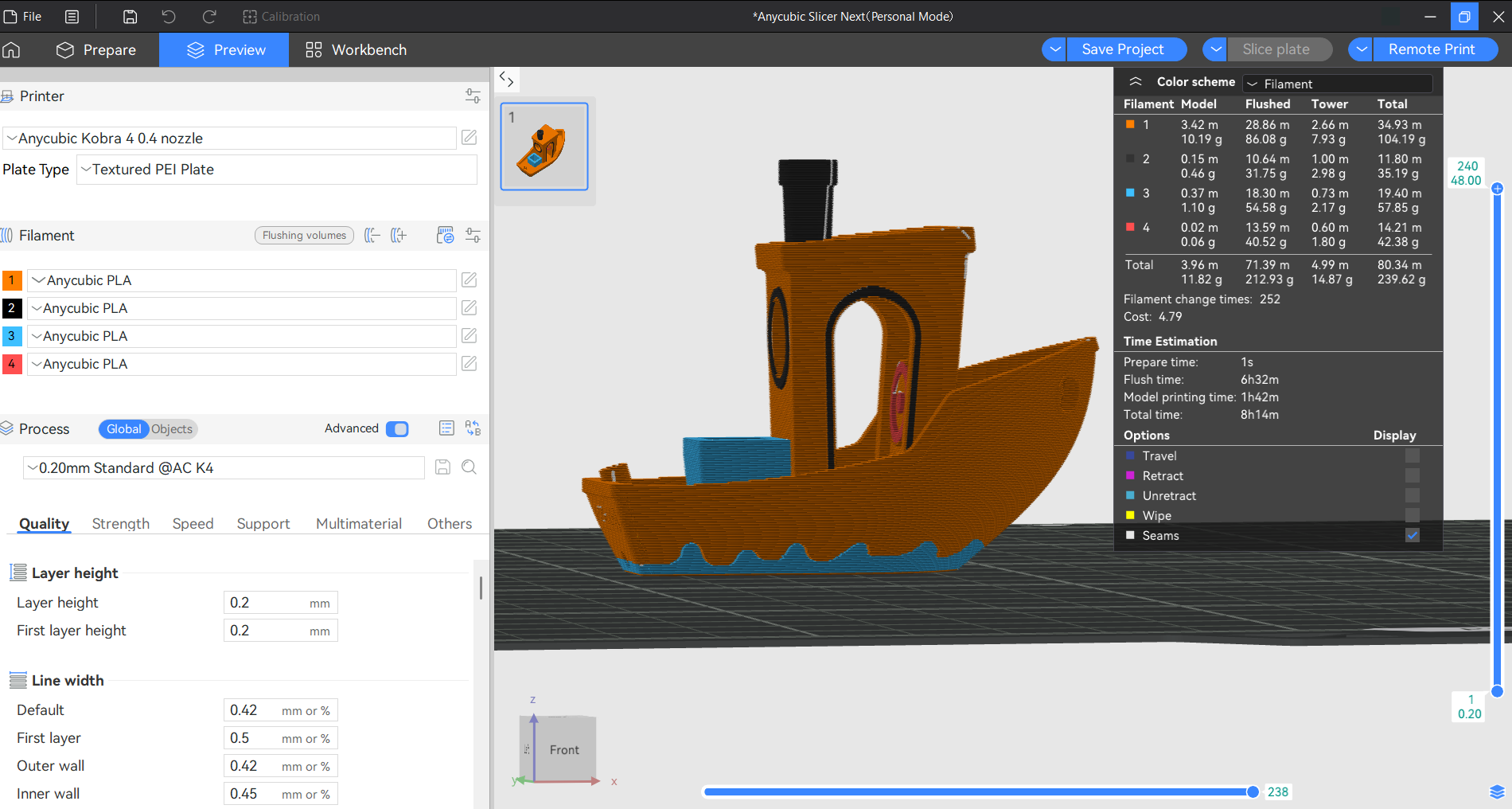
A persistent software bug, inherited from the Kobra X, was observed in Anycubic Slicer Next regarding multi-material prints: the slicer vastly underestimated filament waste (flushing volumes), even suggesting negative values for certain colors. While this doesn’t prevent printing, it’s an important inaccuracy that Anycubic should address.
Print Quality Showcase
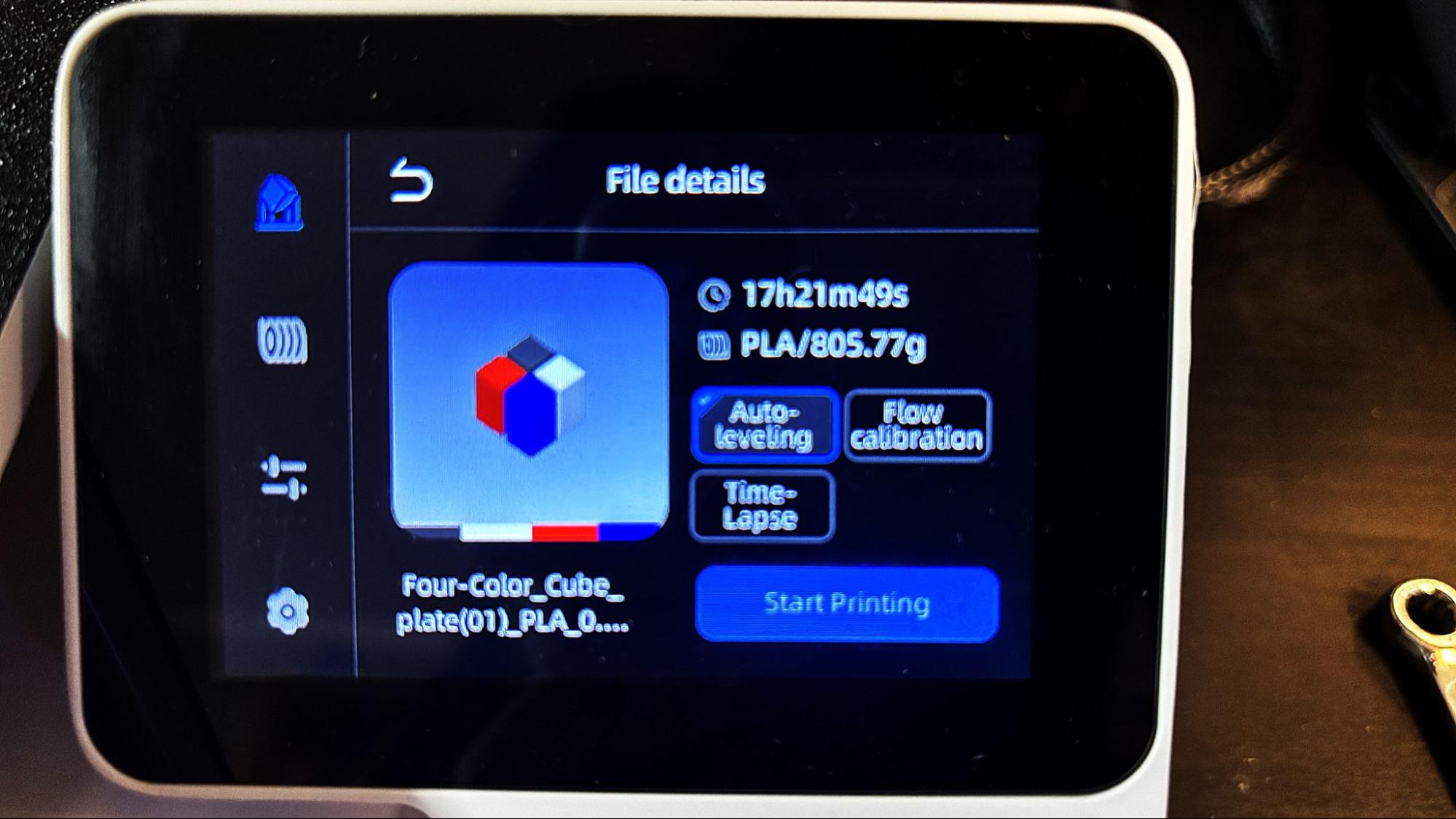
The review unit arrived with a small, vacuum-sealed pack of four PLA coils, sufficient for initial testing. For more robust options, users are encouraged to explore various high-quality filaments. The Kobra 4 comes pre-loaded with several useful tools, test prints, and fun models in its memory. A word of caution: the "four-color cube" test print, while showcasing multi-material capabilities, proved to be an excessive waste of filament and time.
PLA Performance: Geckos
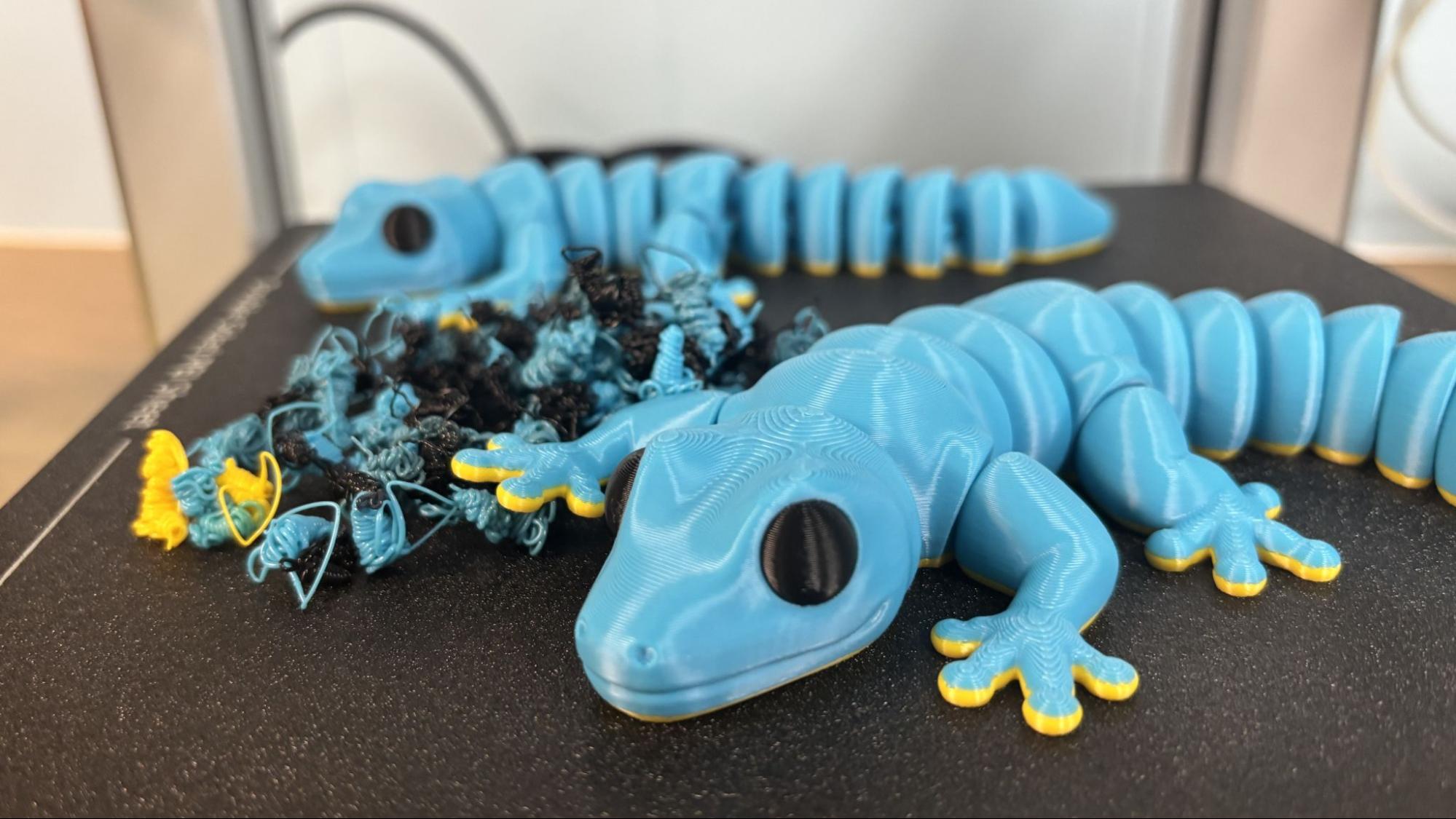
Extensive testing with PLA demonstrated the Kobra 4’s excellent print quality. A pair of detailed geckos, printed at a .2mm layer height with 3 walls and 10% infill using default speeds, showcased the printer’s capabilities. Despite the intricate geometry, resulting in an average print speed of approximately 160mm/s, the geckos were completed in 5 hours and 9 minutes. The prints, rendered in Anycubic’s Cyan, Yellow, and Black PLA, exhibited crisp details and smooth surfaces, indicative of reliable extrusion and motion control.
PETG Performance: PentaClick Balls
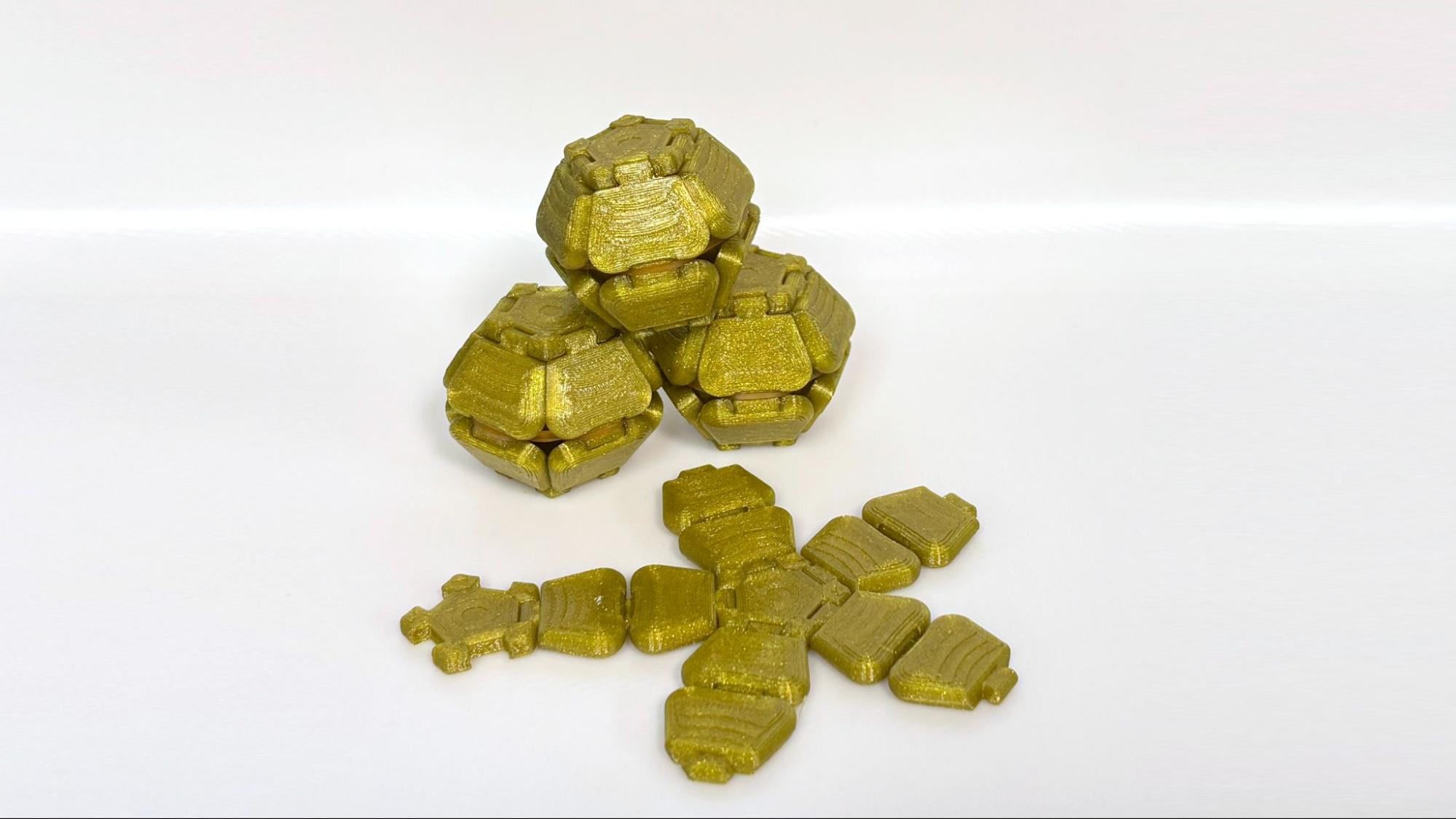
To assess PETG performance, a plate of PentaClick balls from YosaNatural on Makerworld was printed. With a .2mm layer height, four walls, and an average speed of 90mm/s, the print finished in 4 hours and 38 minutes. Printed in Prusament Yellow Gold PETG, the results were impressive. The print-in-place hinges of the PentaClick balls functioned perfectly, with no signs of overextrusion or adhesion issues. The models, which print flat and then fold into a ball shape, demonstrated the Kobra 4’s precision with functional parts.
TPU Performance: RC Deathracer Parts
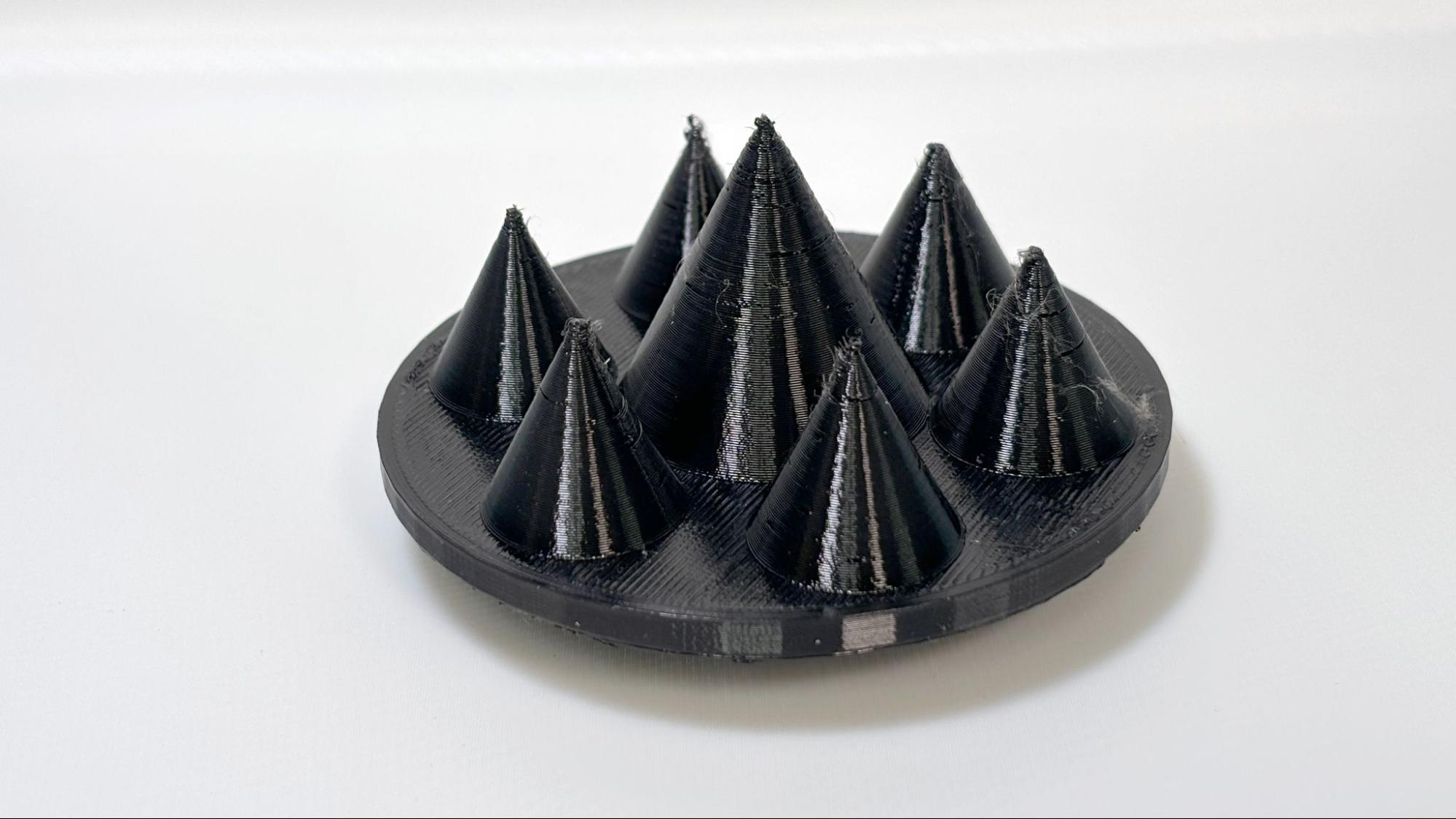
Testing with flexible TPU involved printing parts for an RC Deathracer, including hard 68D and soft 83A shore hardness filaments. While smooth bumpers printed flawlessly, spiked hubcaps, due to their intricate design, exhibited some stringing. This is a common challenge with TPU and could likely be mitigated with further retraction tuning. Using a .2mm layer height and capping the speed at 50mm/s, the hubcaps took 5 hours and 2 minutes to print using Microcenter’s TPU for MFS in black.
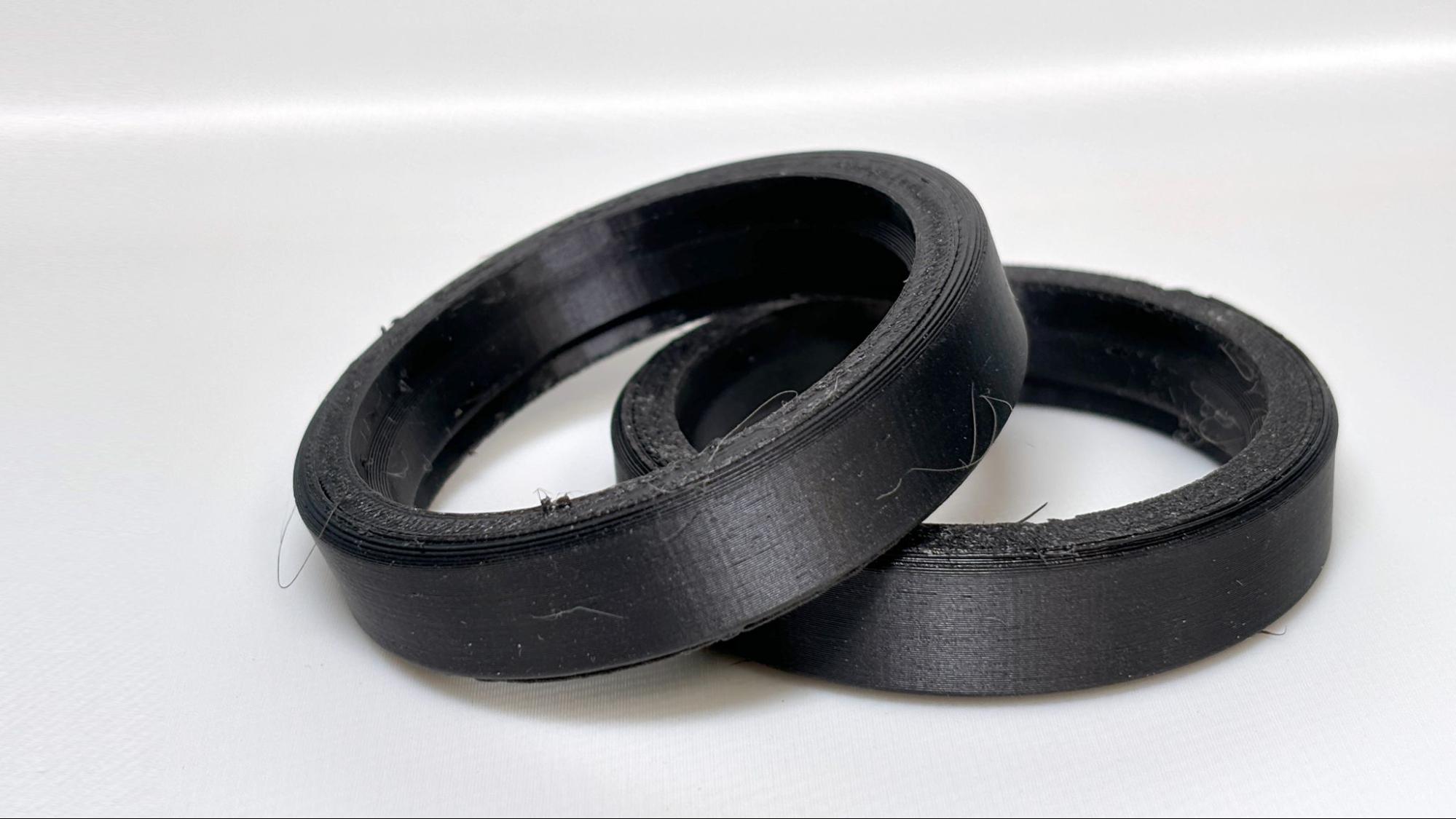
For even softer TPU (83A TPE from Esun), the workaround of removing the four Bowden hub from the tool head and forcing the material directly into the extruder was necessary. Despite this manual step, the Kobra 4 handled the exceptionally soft material beautifully. Printing tires designed in Tinkercad at a .2mm layer height, two walls, and 10% concentric infill, with an average print speed of 50mm/s, took 1 hour and 35 minutes. The resulting tires were super soft, grippy, and nearly perfect, with no stringing observed. This highlights the Kobra 4’s direct drive system’s excellent control over flexible filaments, even if the ACE Pro 2 cannot facilitate their multi-material use.
Implications: Positioning in a Crowded Market
The Anycubic Kobra 4 Combo represents a commendable effort to deliver a feature-rich 3D printer for beginners at an attractive price point. It successfully integrates modern conveniences like advanced auto-leveling, vibration compensation, and a user-friendly interface. The ACE Pro 2 is a significant upgrade over previous Anycubic multi-material handlers, particularly its reliable filament loading and integrated drying capabilities, which are invaluable for maintaining filament quality, especially for hygroscopic materials like PETG.
However, the Kobra 4 Combo faces stiff competition, not just from external rivals but also from within Anycubic’s own product line. Its "unwieldy" design and the current slow filament swapping in the ACE Pro 2, coupled with the inability to print TPU through the multi-material system, prevent it from surpassing the Anycubic Kobra X as Tom’s Hardware’s "best budget 3D printer." The Kobra X’s integrated multi-material solution offers a more compact footprint and streamlined filament paths, making it a more efficient choice for pure multi-color printing.
For potential buyers, the decision between the Kobra 4 Combo and the Kobra X largely hinges on the priority given to filament drying. If an all-in-one filament drying solution is a critical requirement, the ACE Pro 2’s capabilities might tip the scales in favor of the Kobra 4. Otherwise, the Kobra X remains a stronger contender for multi-material printing efficiency.
Furthermore, the Kobra 4 Combo’s pricing places it in direct contention with established market leaders. At $379 (sale price for the combo), it is only $20 cheaper than the Bambu Lab A1, which boasts a highly praised ecosystem and robust performance. It is also only $10 less than the Creality SparkX i7 Combo, which currently holds our recommendation for the best beginner 3D printer. This narrow price margin means that while the Kobra 4 offers good value, it struggles to carve out a distinct advantage over these highly capable and often more polished alternatives.
Bottom Line
The Anycubic Kobra 4 Combo is a solid, reliable 3D printer that offers an excellent out-of-the-box experience for beginners. Its updated design, robust core printing features, and the highly improved ACE Pro 2 multi-material system with integrated drying make it a strong contender in the entry-level market. It delivers excellent print quality across various materials, including challenging flexible filaments, provided the user is willing to work around the ACE Pro 2’s TPU limitation.
However, its incremental advancements over the Kobra 3 and its positioning relative to the more innovative Kobra X, as well as its direct price competition with industry leaders like the Bambu Lab A1 and Creality SparkX i7, mean it doesn’t quite stand out as a revolutionary product. For users whose primary need is an integrated filament drying solution within a multi-material setup, the Kobra 4 Combo presents a compelling option. For others seeking maximum multi-material efficiency or the most comprehensive beginner package, alternative printers in its price bracket may offer more distinct advantages. The Kobra 4 Combo is a competent and welcome addition to the market, but its ultimate success will depend on how Anycubic continues to refine its software and address the remaining quirks of the ACE Pro 2.

