

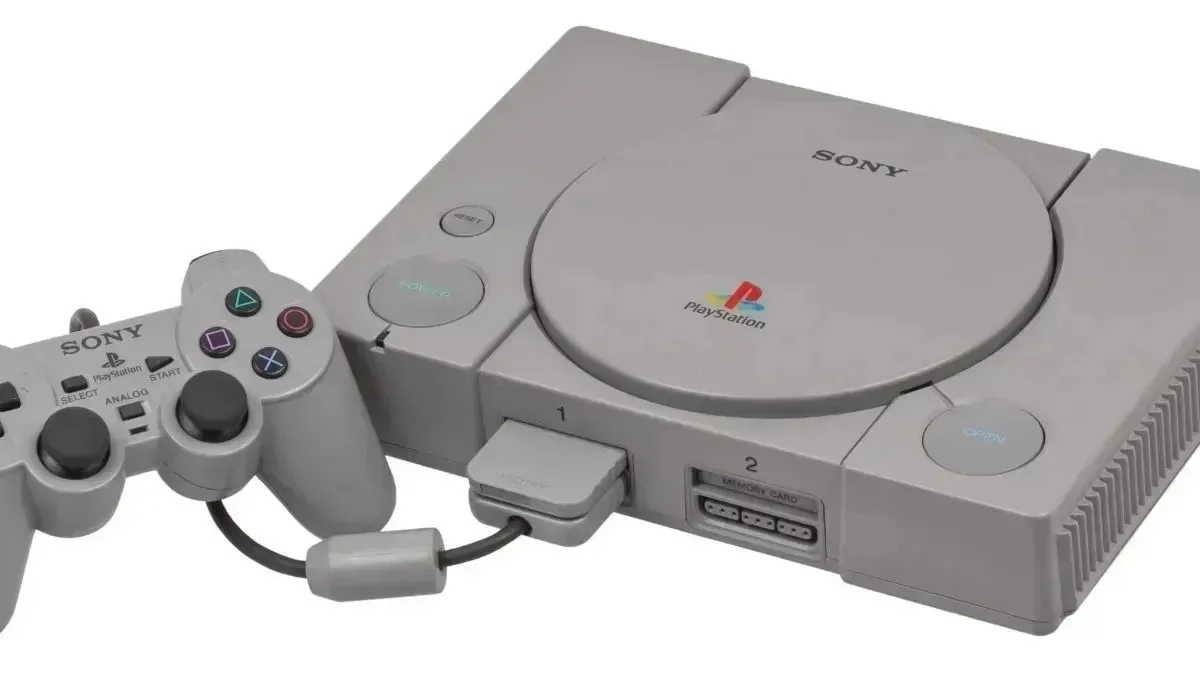
The landscape of modern gaming is often dominated by high-fidelity open-world epics and live-service behemoths, yet there remains an insatiable appetite for the niche, the bizarre, and the historically significant. On July 16, 2026, that appetite was satiated for a specific corner of the gaming community as ’70s Robot Anime Geppy-X—a long-lost PlayStation 1 mechanical marvel—officially made its way to Western shores for the very first time.
Available across PlayStation 5, PlayStation 4, Xbox Series X|S, Nintendo Switch, and PC, the HD remaster serves as both a preservation effort and a celebration of a golden era of Japanese animation. Retailing at $39.99, the title has arrived with an immediate incentive: PlayStation Plus subscribers can secure the game at a 10% discount, bringing the price point to $35.99. For many, this is not merely a purchase; it is the correction of a twenty-seven-year-old oversight.
The Main Facts: What is Geppy-X?
At its core, Geppy-X is a high-octane mecha shoot-’em-up (shmup) that masquerades as a television production. When it first launched in 1999 on the original PlayStation, it was an outlier even by the experimental standards of the era. Rather than simply providing a series of levels, the developers crafted an experience that mirrored the structure of a classic 1970s "Super Robot" anime series.
The game is a meta-narrative masterpiece. Players do not just play a game; they participate in the "broadcast" of a fictional show. This includes authentic-to-the-era time signals, high-energy opening themes composed by legendary anime artists, episodic story structures, and even simulated commercial breaks. With over 8,000 hand-drawn animation frames, the game was a technical juggernaut in 1999, pushing the hardware to its absolute limits to capture the aesthetic of cel-animated robots battling against insurmountable odds.
The HD remaster, released this July, seeks to honor this legacy while bridging the gap for modern hardware. The developers have implemented sophisticated upscaling techniques to bring the visuals into the high-definition era without sacrificing the charm of the original art style. Perhaps most notably, the animation sequences have been restored to their original 24 frames per second cadence, ensuring the movement feels as fluid and cinematic as a classic television broadcast.
A Chronological Odyssey: From 1999 to 2026
To understand the significance of Geppy-X, one must look back at the late 1990s—a time when the Japanese gaming market was saturated with unique, genre-bending experiments that rarely saw the light of day in North America or Europe.
The 1999 Genesis
Geppy-X was released in Japan on the original PlayStation during a time when the "Super Robot" genre was experiencing a massive resurgence in domestic pop culture. Developers sought to capture the feeling of watching shows like Mazinger Z or Getter Robo on a Saturday morning. By integrating actual anime production techniques into the game’s engine, the creators of Geppy-X became pioneers of the "interactive anime" genre. However, due to the prohibitive costs of international licensing—specifically regarding the music and the massive amount of video content—the game remained a Japan-exclusive "cult classic," known only to importers and fans of niche mecha titles.
The Decades of Waiting
Between 1999 and 2026, Geppy-X maintained a legendary status in online forums and retro-gaming circles. As the PlayStation 1 became a retro console, the scarcity of physical copies drove prices to astronomical heights. Emulation efforts kept the game alive for a small subset of fans, but the language barrier and technical hurdles meant the game remained inaccessible to the general public.
The Path to Restoration
The project to bring Geppy-X to the West began in earnest in the early 2020s. With the rise of digital distribution platforms like Steam and the unified storefronts of the PS5 and Xbox Series, the logistical nightmare of international publishing was significantly mitigated. The remastering process was not merely a "port"; it required a complete overhaul of the game’s assets to ensure they held up on 4K displays. The team prioritized the preservation of the original animation data, working to clean up the interlaced video artifacts that plagued the original 1999 release.
Supporting Data: Why This Remaster Matters
The decision to localize Geppy-X is supported by a growing trend in the industry: the "Retro-Preservation" movement. Publishers are finding that consumers are increasingly willing to pay premium prices for "digital museums."
- Visual fidelity: The new HD look utilizes AI-assisted upscaling, which detects the original hand-drawn lines of the 8,000 animation frames and sharpens them, preventing the "blurriness" typically associated with playing PS1 games on modern TVs.
- Audio Restoration: The original soundtrack, featuring iconic 70s-style synth-pop and orchestral rock, has been remastered. The audio mix now supports modern surround-sound setups, providing a deeper, more immersive soundscape that highlights the "broadcast" nature of the game.
- Accessibility: By releasing on the Nintendo Switch and Xbox Series X|S alongside the PlayStation ecosystem, the publisher has effectively dismantled the hardware barrier that kept the game locked to the Sony ecosystem for over two decades.
Official Responses and Developer Insight
In a recent press briefing, the lead producer behind the remaster expressed the team’s philosophy regarding the project: "Our goal was never to change Geppy-X. It was to allow it to be seen as it was intended to be seen. In 1999, the limitations of standard definition televisions and the console’s hardware meant that much of the detail in the animation was lost. Today, we can finally present those 8,000 frames with the clarity they deserve. We aren’t just selling a game; we are selling a piece of television history."
The reception from the Japanese original development team has been overwhelmingly positive. Many of the original animators, now veterans in the industry, have noted their surprise at seeing their work from nearly thirty years ago being treated with such reverence. "Seeing our ‘commercial breaks’ and our time signals displayed on a 75-inch 4K monitor is a surreal experience," one former staffer remarked. "It feels like we finally finished the broadcast."
Implications: The Future of Niche Remasters
The successful launch of Geppy-X carries significant implications for the future of the video game industry.
1. The Validation of the "Cult Classic" Market
This release proves that there is a viable financial model for taking obscure, Japan-only titles and giving them a global stage. The 10% discount for PlayStation Plus members is a clever marketing maneuver that suggests the publisher is confident in the game’s longevity, relying on word-of-mouth rather than massive, expensive advertising campaigns.
2. Setting a Standard for Preservation
By explicitly restoring the 24 frames-per-second animation rate and cleaning up the original video source material, the developers of Geppy-X have set a new bar for how retro games should be treated. Consumers are becoming more critical of "lazy" ports that simply emulate old software; they want remasters that respect the original aesthetic while optimizing for modern display standards.
3. The Cross-Platform Normalization
Historically, cult classics were tied to the console they were born on. By launching Geppy-X on four distinct platforms simultaneously, the publisher is acknowledging that the "retro-gamer" demographic is hardware-agnostic. This indicates a shift in how smaller publishers view their distribution strategies, favoring maximum reach over platform exclusivity.
Conclusion: A Love Letter to the Mecha Genre
’70s Robot Anime Geppy-X is, by modern standards, a peculiar creature. It is a game that demands the player embrace its artifice, its repetition, and its deliberate simulation of a bygone era of Japanese television. It does not try to be the next Elden Ring or Call of Duty. Instead, it succeeds by being exactly what it promised to be: a perfect, high-definition capsule of 1999’s vision of 1970s anime.
For those who grew up watching dubbed mecha shows on grainy VHS tapes, or for those who simply appreciate the craft of traditional animation, this remaster is an essential addition to the library. It is a rare example of a "cult classic" actually living up to the weight of its own reputation. As the game finds a new audience in 2026, it serves as a reminder that great art, regardless of the medium or the era, has a way of finding its audience eventually—even if it takes twenty-seven years to arrive.
Whether you are a veteran of the PlayStation 1 era or a newcomer curious about the roots of the mecha genre, Geppy-X is ready to begin its broadcast. The time signals are set, the opening theme is queued, and the battle for the fate of the world is about to begin. It is time to suit up and witness the rebirth of a legend.

