

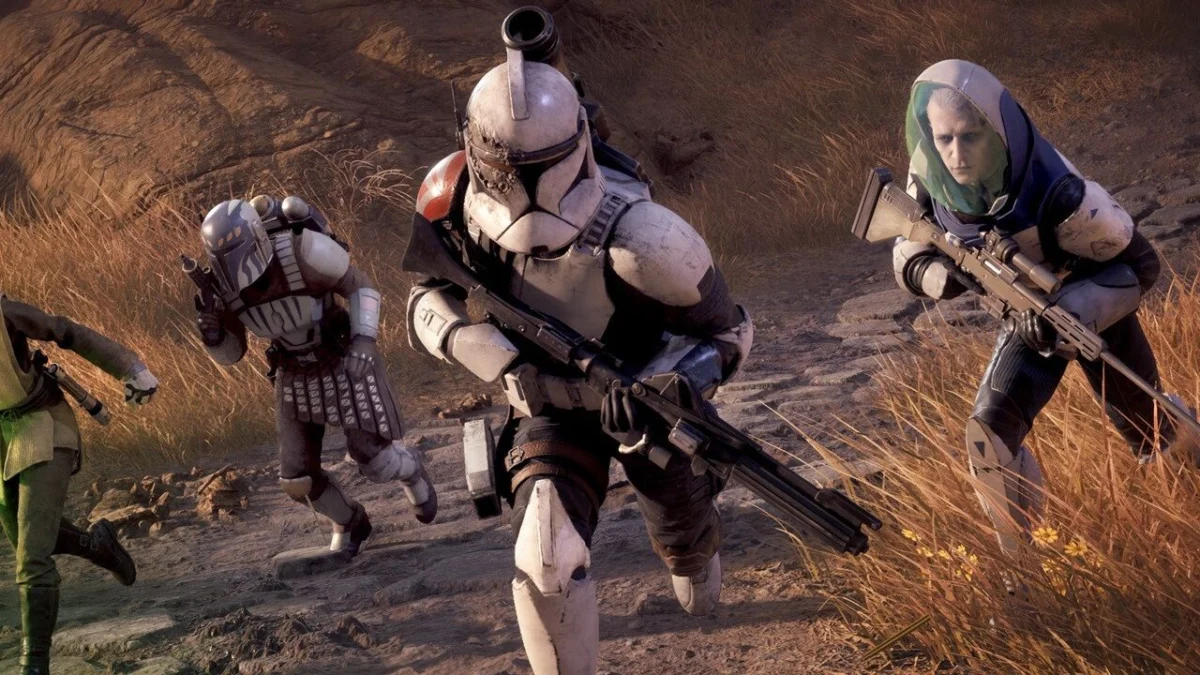
In an era where the “AAA” industry seems locked in a race to the bottom—not in price, but in consumer goodwill—a surprising outlier has emerged from the 2026 Summer Game Fest. Bit Reactor, the studio comprised of industry veterans behind the legendary XCOM series, has confirmed that their highly anticipated project, Star Wars: Zero Company, will launch at a price point of $50. In a market where the $70 benchmark has become the standard and premium editions often soar into triple-digit territory, this decision feels less like a corporate misstep and more like a calculated, pro-consumer disruption.
The Main Facts: A Return to Value
The announcement, which arrived alongside a slew of gameplay reveals and a confirmed release date of August 27, caught many observers off guard. While the industry has spent the last few years normalizing the "next-gen" price hike, Bit Reactor and publisher EA have opted for a more conservative strategy.
For those who grew up on the tactical rigors of XCOM: Enemy Unknown, this pricing structure feels like a time capsule from 2012. It is a bold statement that quality, pedigree, and accessibility can coexist. By undercutting the current market standard by $20, Bit Reactor is effectively lowering the barrier to entry for a genre that, while beloved, has historically been perceived as niche. This is not just a discount; it is a signal that the studio is confident enough in the game’s core loop to let the product speak for itself without the artificial inflation associated with modern blockbusters.
A Chronology of Anticipation
The journey to Zero Company has been one of high expectations and steady reveals. Since the initial announcement of a partnership between EA and the XCOM alumni at Bit Reactor, the gaming community has been vibrating with speculation.
- Initial Tease: The project was first framed as a "Star Wars strategy game," leading to rampant speculation about a potential Empire at War successor or a grand strategy epic.
- The Reveal: Early previews confirmed that the title would focus on squad-based, turn-based tactics—a genre the development team essentially perfected.
- Hands-On Impressions: Following early demos earlier this year, the narrative shifted. Journalists noted that Zero Company wasn’t just a "reskin" of XCOM with lightsabers; it was a hybrid experience, blending third-person exploration and cinematic storytelling with the crunchy, high-stakes combat the team is known for.
- The Summer Game Fest Blowout: The most recent showcase provided the final pieces of the puzzle: the August 27 launch date, the cameo of Anakin Skywalker, and the surprising $50 price tag.
Supporting Data: The Economics of the Tactical Market
To understand why this $50 price point is so significant, one must look at the landscape of recent releases. When XCOM 2 launched in 2016, it arrived at the standard $60 price point. To see a game with Zero Company’s level of production—featuring high-fidelity cutscenes, a sprawling voice cast, and complex mechanical systems—launch for $10 less than its predecessor is an anomaly.
Furthermore, the competition for the player’s wallet is fiercer than ever. Independent developers have successfully captured the market with titles ranging from $10 to $30, while major publishers push for $80 or $100 for premium editions of titles like Grand Theft Auto VI. By pricing Zero Company at $50, Bit Reactor is positioning itself in a "sweet spot." It is affordable enough for the casual fan to take a risk on, yet substantial enough to be taken seriously as a major franchise entry.
Data from Steam and other platforms suggests that the "tactical" genre has a dedicated, albeit price-sensitive, audience. By choosing not to inflate the price, Bit Reactor is betting on volume and positive word-of-mouth rather than initial day-one "whale" revenue.
Mechanical Innovation: Beyond the Grid
What makes the pricing even more impressive is the ambition behind the mechanics. Most turn-based tactics games are static, often feeling like a digital board game. Zero Company breaks this mold through a seamless transition system.
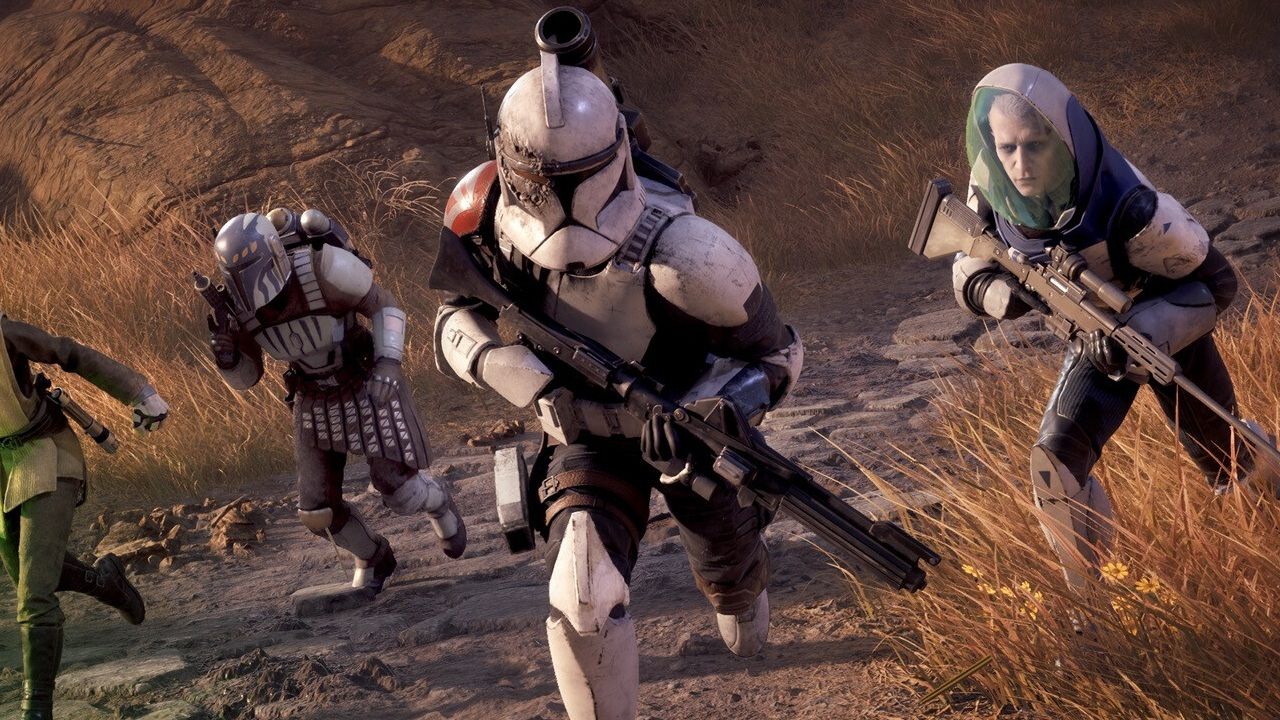
Players explore the environment in a third-person perspective—a nod to the cinematic feel of Mass Effect—which creates a sense of scale and immersion rarely seen in the genre. When combat initiates, the game pulls the camera back into the "god-view" tactical layer. This fluidity is technically demanding and production-heavy. The fact that the studio has achieved this level of polish while maintaining a modest price point suggests a level of production efficiency that other, larger studios have struggled to master.
The Implications: A Shift in Industry Strategy
The broader implications of this pricing move cannot be overstated. We are currently in a cycle where gamers are increasingly fatigued by "feature creep" and the "Games as a Service" model, which often uses high launch prices to justify unfinished products.
1. The "Breath of Fresh Air" Effect
By bucking the $70 trend, Zero Company positions itself as the "people’s choice." It avoids the immediate cynicism that greets many big-budget releases. When a game costs $80 without a gameplay trailer to show for it, the consumer feels exploited. When a game offers a polished, transparent, and fairly priced experience, the consumer feels respected. This goodwill is a form of currency that often results in higher long-term sales.
2. Competition with the Indie Scene
The modern "AAA" landscape often forgets that it is competing with a vibrant, high-quality indie market. A $50 price point makes Zero Company an easy purchase for someone who might otherwise spend that money on three smaller indie titles. It creates a value proposition that is hard to ignore, effectively cannibalizing the competition by offering the "prestige" of a Star Wars title at a "mid-tier" price.
3. Mitigating the Risk of a "Flop"
Every launch is a gamble. By pricing at $50, Bit Reactor lowers the barrier for potential players who are "on the fence" about a tactical game. A lower price point increases the conversion rate from wishlists to purchases. In an era where a "flop" can threaten the future of a studio, this pricing strategy is a defensive maneuver designed to ensure a successful launch day and a sustained community.
Looking Ahead: The Verdict
As we approach the August 27 launch date, all eyes will be on how Zero Company performs. If the game delivers on the promise of its early previews—a hybrid of XCOM-style permadeath tactics and high-production, cinematic storytelling—it could very well define the genre for the next decade.
It is rare to see a title associated with a massive intellectual property like Star Wars avoid the temptation of maximum price extraction. Bit Reactor has shown that they understand the pulse of the community. They are not just selling a game; they are selling a philosophy. In a climate of ballooning budgets and questionable monetization, Star Wars: Zero Company is a reminder that sometimes, the most effective marketing strategy is simply offering a great game at a price that makes sense.
Whether this becomes a trend for other studios remains to be seen, but for now, it stands as a refreshing departure from the status quo. For those eager to jump into the fray, the game is currently available for wishlisting on Steam, and if the early hype is to be believed, it may well be the strongest contender for Strategy Game of the Year.

