

By Aimee Hart
Published June 26, 2026
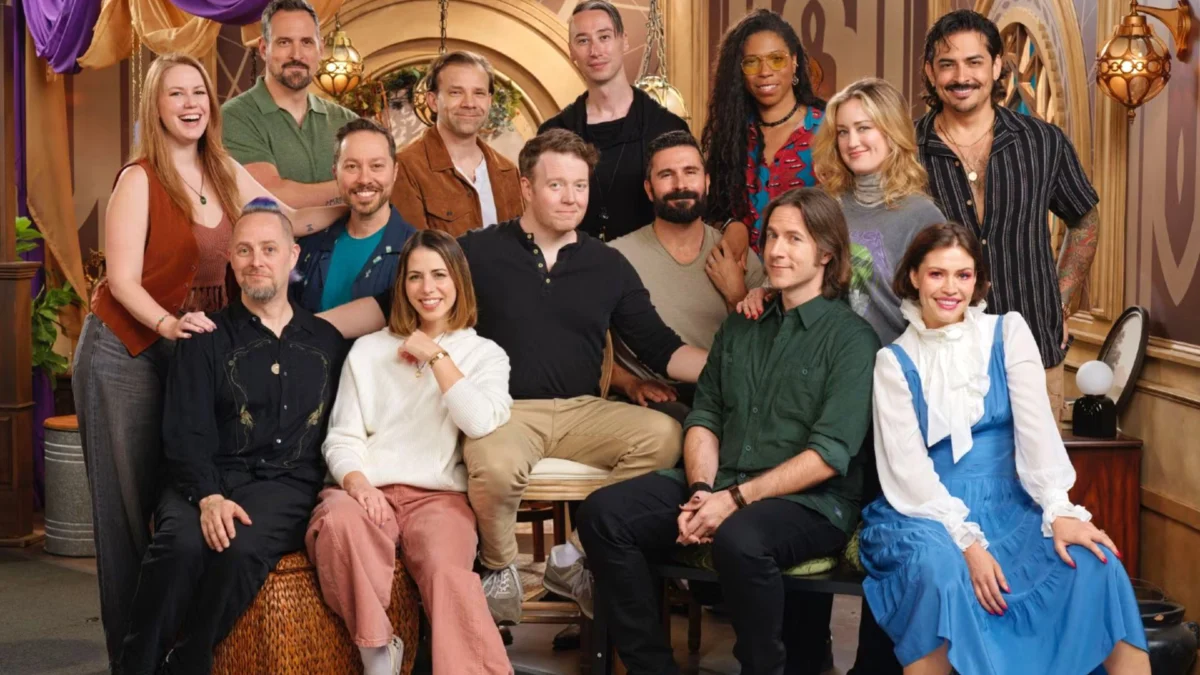
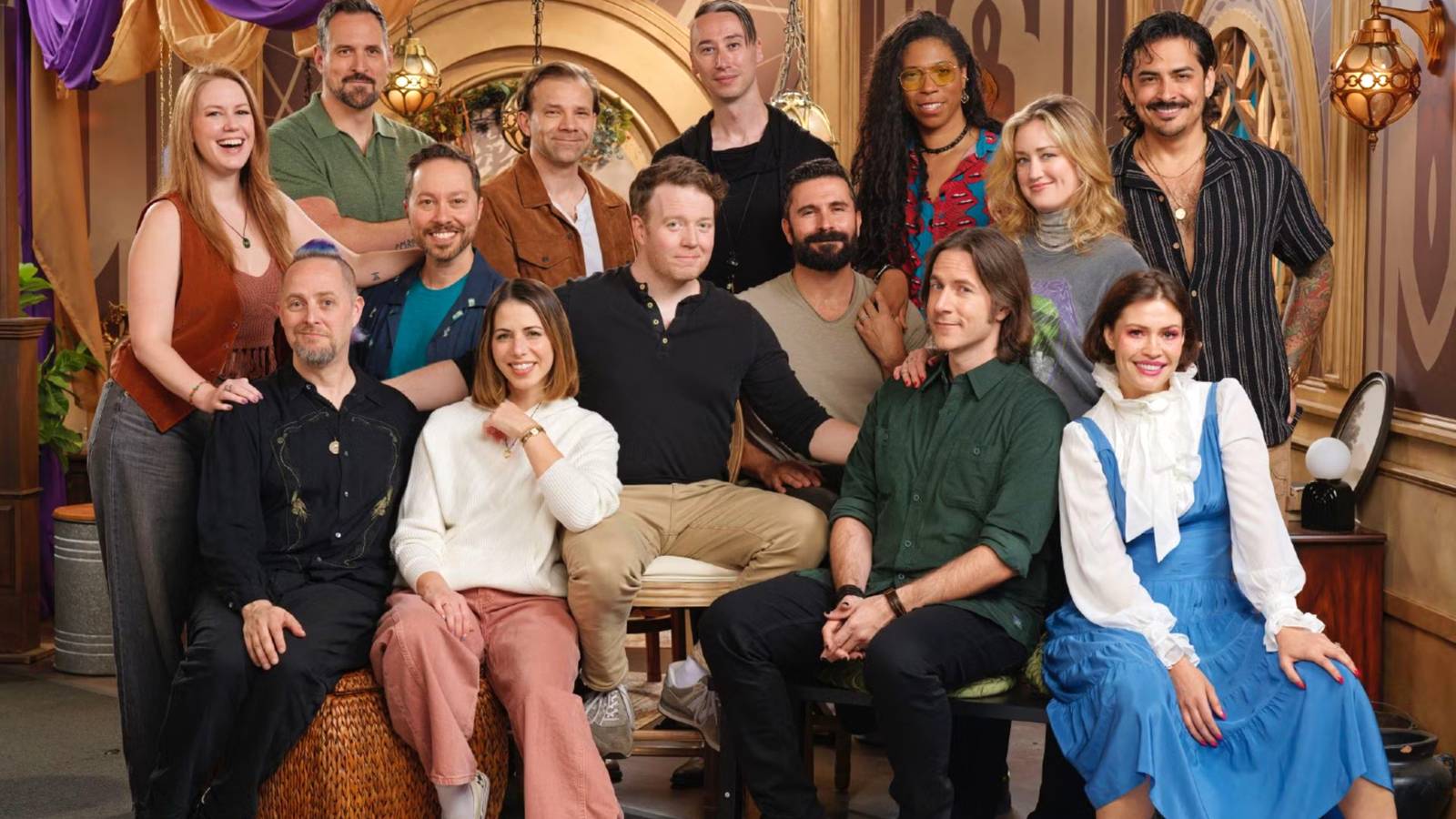
The sprawling, ambitious experiment that is Critical Role Campaign 4 has reached a pivotal turning point. Following the dramatic conclusion of the campaign’s first arc, the narrative landscape of the world of Aramán is undergoing a significant structural shift. As the dust settles on the events of the episode "Trick of the Light," Dungeon Master Brennan Lee Mulligan has signaled that the West Marches-style format—a hallmark of this campaign’s unique identity—is evolving, pushing the 13-member cast into new configurations that promise to redefine the stakes for the heroes of this saga.
The Evolution of the West Marches Format
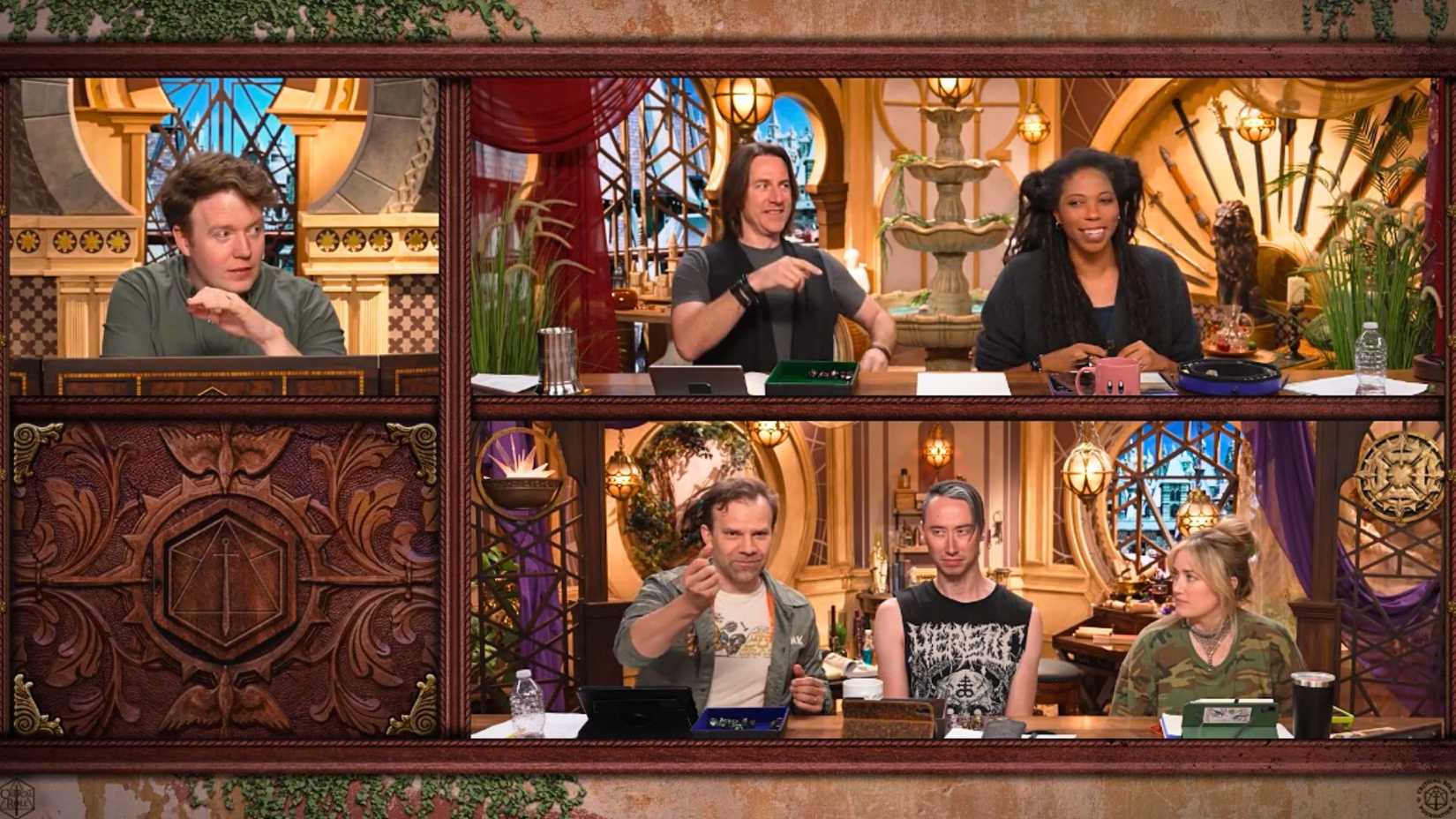
When Critical Role first unveiled the premise for Campaign 4, the announcement sent ripples through the tabletop community. Departing from the traditional, singular adventuring party dynamic that defined the franchise’s first three campaigns, the cast committed to a rotating "West Marches" structure. This design choice allowed the story to expand exponentially, focusing on three distinct tables: the Soldiers, the Seekers, and the Schemers.
Each table was designed with a specific thematic and mechanical focus. The Soldiers focused on high-octane, tactical Dungeons & Dragons combat; the Seekers delved into the deep lore and arcane mysteries of Aramán; and the Schemers emphasized the narrative, sandbox-style social dynamics that have long been a strength of the Critical Role cast.
For months, these groups operated with a sense of autonomy, navigating their own corners of the map. However, in May, the show orchestrated a "convergence," bringing the tables together for a massive, multi-table reunion. With the conclusion of episode 31, it has become clear that while the convergence was a temporary event, the status quo has been permanently altered. The narrative is moving into its second arc, and with it, the rigid boundaries between the tables are becoming increasingly porous.
Chronology of Crisis: From Triumph to Transition
The path to this reorganization has been fraught with peril. The past several episodes have pushed the player characters to their breaking points. The antagonists of the current arc—specifically the powerful, entrenched families of the Sundered Houses—have proven to be formidable adversaries. Characters like Occtis Tachonis (played by Alexander Ward) and Kattigan Vale (played by Robbie Daymond) have found themselves in the crosshairs of dangerous entities like Primus and Yanessa of House Tachonis, as well as the relentless Halovar.
Despite the loss of cherished allies and the mounting pressure of the Sundered Houses’ reach, the party has achieved monumental successes. They have successfully restored the afterlife for the orcish population, effectively disrupting the spiritual monopoly held by their enemies. Furthermore, their resistance against the rising religious fervor whipped up by the Candescent Creed has earned them both allies and targets.
This mix of hard-won victory and lingering threats has necessitated a shift in the cast’s tactical approach. As the heroes look toward the horizon, they have split into new groups, effectively abandoning the original three-table structure in favor of mission-specific cells.
The New Configuration: Breaking the Mold
The reorganization for the second arc presents a fascinating look at how the campaign will handle its diverse cast moving forward.
The Seekers Table
The new Seekers table is a powerhouse of investigative and arcane talent. It features:
- Occtis Tachonis (Alexander Ward)
- Thimble (Laura Bailey)
- Bolaire Lathalia (Taliesin Jaffe)
- Sir Julien Davinos (Matthew Mercer)
- Kattigan Vale (Robbie Daymond)
- Vaelus (Ashley Johnson)
This group is tasked with a high-stakes mission: investigating the true intentions of the Tachonis family in Timmony. Their path will eventually lead them to the Golden Orchard, where they intend to rendezvous with Mara the Wing and members of the underground organization known as the Cloak. This table represents the "investigative arm" of the current rebellion, focused on uncovering the secrets that could topple the Sundered Houses.
The Schemers Table
Remaining in the urban center to engage in political maneuvering and direct sabotage, the new Schemers table includes:

- Murray Magnesson (Marisha Ray)
- Tyranny (Whitney Moore)
- Wicander Halovar (Sam Riegel)
- Azune Nayar (Luis Carazo)
- Halandil Fang (Liam O’Brien)
This group will continue to challenge the Sundered Houses on their home turf. By focusing on social manipulation and intelligence gathering, they remain the primary thorn in the side of the city’s ruling elite.
The Lone Soldier
Perhaps the most striking development involves Thaisha Lloy (Aabria Iyengar). In an unprecedented move, Thaisha has been separated from the other groups, effectively becoming a one-player "Soldiers" table. Her mission is a desperate diplomatic gambit: traveling to the region of Dol-Rungja to confront the Druidic people. She aims to persuade them to abandon their long-held neutrality and join the fight against the encroaching threat of the Sundered Houses.
Implications of the New Format
The shift to having a single-player table—at least temporarily—suggests a significant evolution in Brennan Lee Mulligan’s narrative technique. The decision to place Thaisha in a solo storyline is believed to be a practical response to Aabria Iyengar’s personal schedule following the recent birth of her child.
However, rather than removing the character from the narrative, the production team appears to be integrating her journey through "cold opens" and side-segment vignettes. This approach allows the show to maintain the continuity of the campaign without forcing a break in the character’s arc. It signals a move toward a more fluid, character-driven narrative structure where the DM can facilitate smaller, more intimate moments between characters or focus on singular character-driven goals that don’t require the full table to be present.
Official Responses and Future Outlook
Polygon has reached out to Critical Role for clarification on how this structure will affect future scheduling and the long-term viability of the rotating format. As of the time of writing, no official statement has been provided regarding the permanent dissolution of the original three-table system.
Critters (the Critical Role fanbase) can rest assured that the content pipeline remains robust. While the first arc of Campaign 4 has concluded, the momentum is unlikely to slow down. In addition to the ongoing Campaign 4, fans are eagerly anticipating the return of Matthew Mercer as the Game Master for the upcoming Age of Umbra: Sallowlands, further expanding the depth of the Critical Role universe.
Summary of the Current State
The transition into the second arc of Campaign 4 is more than just a change in table rosters; it is a fundamental shift in how the story is told. By moving away from the rigid, thematic separation of Soldiers, Seekers, and Schemers, the production is allowing for more organic, mission-based storytelling.
The stakes are higher than they have ever been. With the Sundered Houses escalating their aggression and the heroes scattered across the map of Aramán, the upcoming episodes will test whether this new, fragmented strategy can survive the pressure. For the audience, this shift promises a more unpredictable narrative, where any combination of players could find themselves facing the ultimate consequences of their actions.
Campaign 4 of Critical Role airs live on Twitch, YouTube, and Beacon.tv every Thursday at 10 p.m. PDT. VODs are available on the Critical Role YouTube channel the following Monday.

