

The gaming industry is reeling following reports that Microsoft’s Xbox division is undergoing a sweeping, aggressive restructuring, internally dubbed the "Xbox reset." Under the leadership of newly appointed CEO Asha Sharma, the division is reportedly preparing for significant studio closures and divestments, marking a dramatic reversal of the aggressive acquisition strategy that defined the Phil Spencer era.
According to recent reporting from Bloomberg and The Verge, the instability is not limited to a single entity. Compulsion Games, Ninja Theory, and the legendary Double Fine Productions are all reportedly facing existential threats as Microsoft attempts to rectify what Sharma has described as an "over-extended" gaming portfolio.
The Current Crisis: Who is at Risk?
The list of studios facing potential closure or spin-off is a "who’s who" of the creative talent Microsoft spent years and billions of dollars to acquire.
- Compulsion Games: Despite receiving public praise from Xbox leadership earlier this year for their award-winning work, the studio behind South of Midnight is reportedly on the chopping block.
- Ninja Theory: The developers of the critically acclaimed Hellblade series are currently in a precarious position. Reports suggest the studio will be closed unless it can secure a buyer, a shocking development considering they recently used an Xbox showcase to announce their latest project.
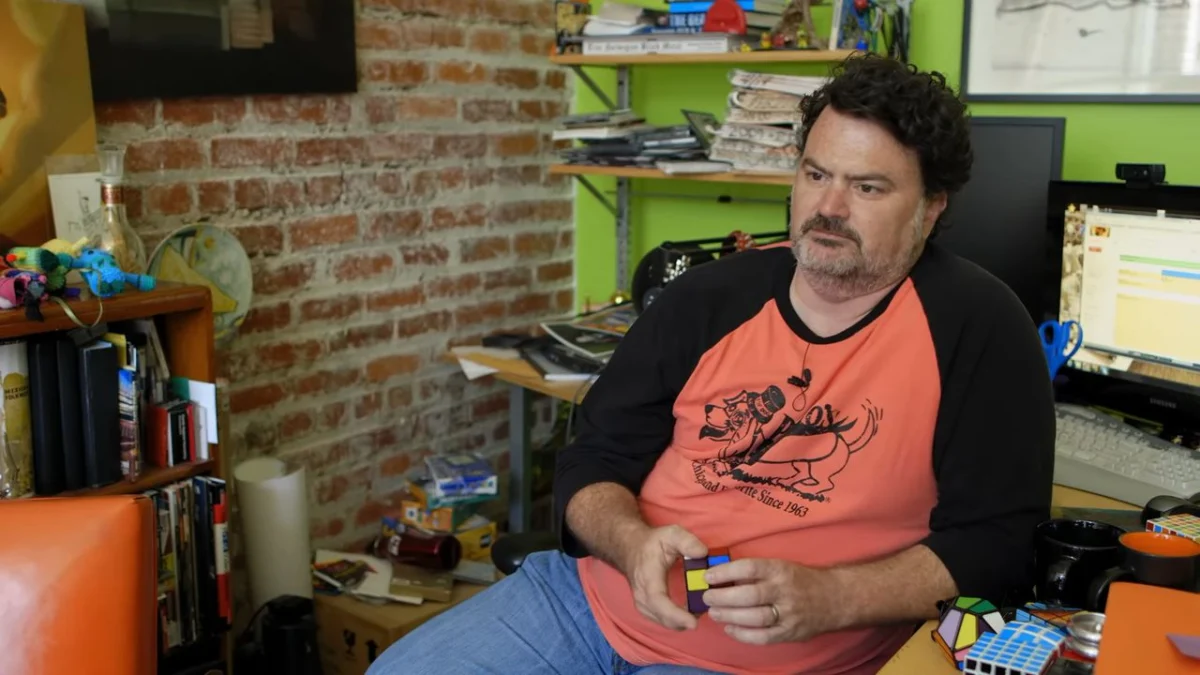
- Double Fine Productions: Led by industry icon Tim Schafer, the studio is reportedly in active negotiations to spin off into an independent entity. However, sources familiar with the matter indicate that even if they manage to regain their independence, significant job losses are likely inevitable.
A Chronology of the Microsoft Gaming Spree
To understand the magnitude of this "reset," one must look at the meteoric rise and current stagnation of the Xbox Game Studios ecosystem.
2018–2021: The Era of Expansion
Under former CEO Phil Spencer, Microsoft embarked on a historic spending spree. Aiming to bolster the Game Pass library and provide exclusive content to combat competitors like Sony and Nintendo, Microsoft acquired a massive array of talent. This period saw the addition of legendary studios, including Obsidian Entertainment, inXile, and notably, Double Fine Productions in 2019.
2022–2023: The Mega-Deals
The strategy reached its zenith with the pursuit and eventual acquisition of ZeniMax Media (Bethesda Softworks) and the colossal $68.7 billion takeover of Activision Blizzard. These deals were framed as "future-proofing" Microsoft’s position in the interactive entertainment market.
2024–2025: The Internal Shift
As the economic landscape shifted and the costs of integrating massive conglomerates became apparent, cracks began to form. Publicly, the rhetoric remained focused on "creative freedom," but internal pressures regarding profitability and operational efficiency were mounting.
2026: The "Xbox Reset"
The appointment of Asha Sharma as CEO signaled a pivot from "growth at all costs" to "fiscal consolidation." The "next 100 days" initiative, announced by Sharma in June 2026, laid out a roadmap for shrinking the division’s footprint, leading to the current wave of reports regarding closures and executive departures.
The Paradox of Independence: The Double Fine Case
The potential loss of Double Fine is particularly poignant for the industry. Founded 26 years ago by Tim Schafer, the studio is a bastion of creative ingenuity, responsible for cult classics like Brütal Legend, Psychonauts, and the crowdfunded Broken Age.
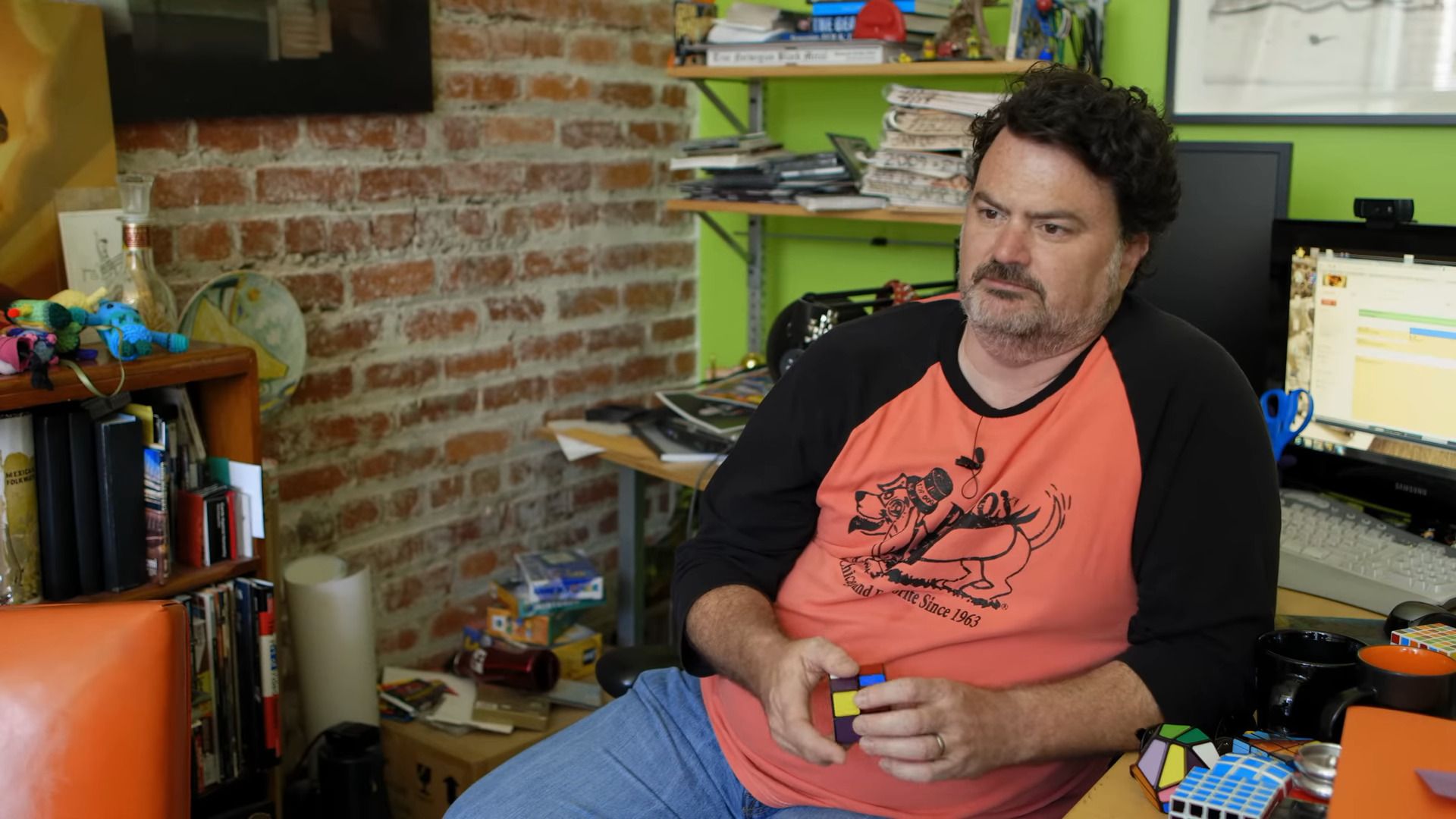
As recently as last year, at a media summit, Schafer and then-CEO Phil Spencer stood on stage to discuss the merits of the acquisition. Schafer was effusive, claiming that Microsoft had honored the promise of maintaining the studio’s unique culture. "When we talked about becoming acquired, it was a big thing for me, like, ‘How do we keep our culture intact?’" Schafer said at the time. "And everyone was like, ‘No, we really want you to stay who you are.’ And that’s been true all these years."
Now, that culture is under threat. The transition from being a protected subsidiary of a tech giant to a struggling, potentially independent studio—or a shuttered office—is a stark reminder that in the corporate world, creative autonomy is often the first casualty of balance sheet adjustments.
Financial Context: The Billion-Dollar Disconnect
The central tension of this "reset" lies in the disparity between the health of Microsoft as a parent company and the specific struggles of the Xbox division. In the most recent fiscal quarter, Microsoft reported a staggering $32 billion in profit. The company has also been heavily prioritizing investments in artificial intelligence, pouring tens of billions into AI infrastructure and research.
Critics argue that the "over-extended" narrative provided by leadership serves as a convenient justification for cutting costs in a sector that, while highly profitable, does not share the same hyper-growth trajectory as the company’s AI ventures. By trimming the fat from the gaming division, Microsoft appears to be prioritizing shareholder dividends and AI-driven growth, even at the cost of the creative ecosystem it spent the last decade carefully curating.
Executive Exodus: A Leadership Vacuum
The instability is further compounded by a top-down leadership crisis. Alongside the news of studio closures, it was confirmed that the head of Xbox Game Studios and the division’s chief of staff have both stepped down.
This exodus at the executive level suggests that the "reset" is not a universally supported strategy within the company. When leadership abandons ship during a period of intense restructuring, it often signals a lack of alignment on the future of the brand. For developers on the ground, this creates a vacuum of direction, leaving them unsure of their projects’ futures and their own job security.
The Implications for the Industry
The implications of this reset go beyond just the specific studios mentioned. If Microsoft, a company with virtually bottomless pockets, finds its gaming division "over-extended," it sends a chilling message to the rest of the industry.
- Consolidation Fatigue: The era of "bigger is better" appears to be over. We are likely to see a shift toward smaller, more agile teams and a move away from the high-risk, high-budget "AAA" development model that has dominated the last decade.
- The "Spin-off" Trend: If companies like Double Fine are forced to spin off, we may see a resurgence of independent studios. While this could lead to more creative freedom, it also strips developers of the financial security and marketing muscle provided by a parent corporation.
- Consumer Trust: The "Xbox reset" risks alienating a core fanbase. Players who invested in the ecosystem based on the promise of a vast, expanding library of exclusive titles may feel betrayed if those studios are liquidated or shuttered shortly after releasing or announcing new games.
- Talent Drain: The uncertainty is already driving top-tier talent to consider other industries. When the "safe" corporate harbor becomes as volatile as the independent market, the best developers may choose to leave the games industry entirely.
Conclusion
As the dust settles on the "Xbox reset," the industry is left to wonder what the future holds for Microsoft’s gaming ambitions. Is this a necessary correction to build a leaner, more sustainable business, or is it a short-sighted abandonment of a creative legacy that once promised to define the next generation of interactive media?
For now, the developers at studios like Compulsion, Ninja Theory, and Double Fine remain in a state of professional limbo, waiting to see if their work—and their livelihoods—will be part of the next chapter of Xbox, or if they will become another footnote in the history of a company that, for a brief time, believed it could buy the future of gaming.

