


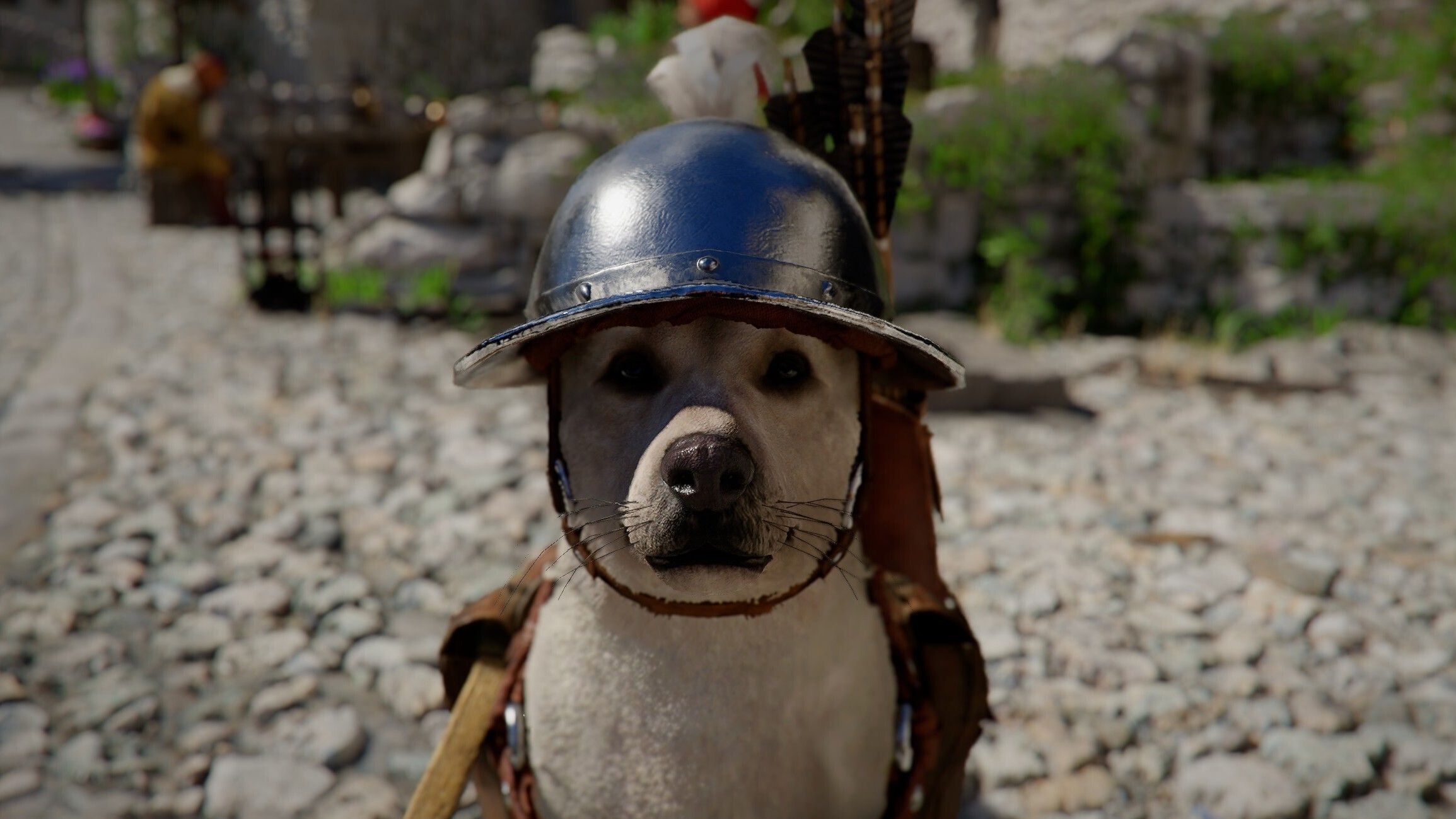
For most pet owners, the responsibility of caring for a handful of animals is a significant life commitment. Managing two or three pets requires a delicate balance of time, resources, and emotional bandwidth. However, for players of Pearl Abyss’s Crimson Desert, the conventional boundaries of pet ownership have been obliterated. In a move that has sparked both bewilderment and unbridled enthusiasm within the community, the developers have officially raised the registration cap for pets from 30 to a staggering 100.
This update is not merely a quality-of-life adjustment; it represents a philosophical shift in how Crimson Desert approaches the "collectathon" aspect of the open-world RPG genre. By allowing players to amass an army of companions, Pearl Abyss is leaning further into the chaotic, sprawling identity of a game that refuses to be categorized.
The Core Update: 100 Pets and Counting
According to the latest patch notes released by Pearl Abyss, the transition to a 100-pet capacity is facilitated by new, specialized reward items that unlock additional slots for players. While the previous limit of 30 was already substantial by industry standards, the jump to 100 suggests that the developers are leaning into the "collector’s itch" that drives many MMO-style game loops.
To maintain some semblance of order in the game’s camp environments, Pearl Abyss has implemented a limit of 50 pets summoned simultaneously. While this prevents the game’s engine from buckling under the weight of hundreds of character models, it still allows for a surreal, Ace Ventura-esque experience that few other modern RPGs are willing to facilitate.
A Chronology of the "Pet Evolution"
The journey to this pet-centric update did not happen overnight. Crimson Desert has been undergoing a consistent metamorphosis since its initial reveal.
- Initial Launch Phase: The game introduced basic companion mechanics, focusing on utility pets that provided minor buffs or resource-gathering assistance.
- The Expansion Era: As the game world grew, players began requesting more meaningful interactions with the wildlife. Developers responded by introducing advanced taming mechanics, allowing players to move beyond domestic pets to include exotic fauna.
- The Birdwatching Shift: Recent updates transformed parts of the game into what some have dubbed an "ornithologist’s paradise," focusing on high-fidelity animal AI and environmental interaction.
- The Current Milestone: With the most recent patch, the game has officially transitioned into a "pet collector" simulator, integrating new UI elements and reward items to accommodate the 100-pet cap.
Supporting Data: Why Players Want More
The desire for massive pet collections is a well-documented phenomenon in gaming history. From the early days of Pokémon to the "Hunter" class in World of Warcraft, the compulsion to capture, train, and display rare creatures is a primary driver of player retention.
Data from the Crimson Desert community suggests that players are not just interested in the utility pets provide. They are interested in the diversity of the ecosystem. The inclusion of baby wyverns—now marked with dedicated map icons—highlights a pivot toward a more creature-focused exploration loop. When developers provide the tools to "collect them all," they create a secondary gameplay loop that can often outlast the primary narrative content.
Beyond the Pets: An Eclectic Patch
While the pet expansion is the headline, the recent patch is emblematic of Crimson Desert’s "everything-and-the-kitchen-sink" design philosophy. The patch notes are a tapestry of bizarre, delightful additions that defy standard genre tropes.
Improved Pinball Mechanics
One of the most surprising inclusions in the update is the refinement of the game’s internal pinball minigame. In an era where RPGs often take themselves with grave seriousness, the commitment to developing a fully-featured, physics-based pinball experience within a high-fantasy world is a testament to the developers’ eccentric vision.
Industrialization of the Wilderness
For long-time players who have invested hundreds of hours into the game’s progression, the update offers more than just cosmetic changes. The characters Damiane and Oongka have received significant functional updates, now being able to equip industrial tools like mining drills and chainsaws. This change signals a move toward more granular resource management and construction-based gameplay, bridging the gap between an action-RPG and a survival-crafting title.
Official Stance and Community Reception
Pearl Abyss has maintained a consistent, if slightly unconventional, communication strategy. By ignoring the traditional "standardization" of RPG mechanics, they have garnered a reputation for being unpredictable.
The South Korean government has even taken notice of the title’s unique trajectory. Prime Minister-level discourse surrounding the game has framed it as a "pillar of K-content," emphasizing that the game’s success lies in its refusal to "play it safe." In the competitive landscape of modern gaming, where many developers are terrified of straying from established formulas, Crimson Desert is effectively betting that players want a game that feels like a collection of different genres smashed together.
Implications for the Genre
What does this mean for the future of the open-world RPG? Crimson Desert is proving that "feature creep" can be a design feature if executed with enough charm.
- The "Single-Player MMO" Identity: By implementing features like 100-pet caps and complex mining systems, the game effectively serves the player who wants the social-collection density of an MMO without the social-interaction requirement.
- Wildlife as Content: The game treats its animals not as mere environmental dressing, but as content. Whether it is riding a grizzly bear into combat or cataloging rare birds, the wildlife is becoming the central pillar of the game’s longevity.
- Player Agency: By providing the tools to customize one’s camp with dozens of pets, the developers are handing the narrative agency over to the player. The story is no longer just about the quest; it’s about the life the player builds within the world.
Conclusion: A Game of Many Faces
The latest Crimson Desert patch is a curious, delightful, and admittedly overwhelming update. Whether you are an amateur ornithologist looking to log every species of bird, a survivalist interested in the new chainsaw mechanics, or simply someone who wants to walk through a digital forest followed by an entourage of 50 animals, the game has something for you.
As the industry continues to chase safe, iterative sequels, Crimson Desert stands out by being proudly, unapologetically messy. It is a game that knows exactly what it is—a sandbox where the only limit is the number of pets you can fit in your camp. And for a growing number of players, 100 is just the beginning.
While my two guinea pigs at home might be jealous of the digital bounty available in Crimson Desert, they can rest easy knowing that their owner isn’t about to try and register 100 of them anytime soon. But for those ready to embrace the madness, the gates are wide open.

