

By PC Gamer Staff
Valve has officially unveiled the 50 most-played demos from the latest iteration of Steam Next Fest, a digital celebration that drew from a massive pool of over 8,000 playable prototypes. While the multi-day event continues to serve as an invaluable launchpad for independent developers, the final list of top-performing titles offers a striking snapshot of changing consumer tastes.
The data highlights a distinct cultural shift in PC gaming: casual, chaotic multiplayer co-op experiences and endlessly repeatable incremental games are dominating player interest. Meanwhile, titles featuring overt generative AI integrations remain largely sidelined by the community. Comparing this year’s roster to the festival’s lineups from just half a decade ago reveals how drastically the platform’s audience and indie development trends have evolved.
Main Facts: The Top 50 Breakdown
Out of more than 8,000 entries submitted to Steam Next Fest, Valve’s list of the top 50 most-played demos provides a clear roadmap of what captivates modern PC players. At the apex of the chart sits Worst Class Ever, an asymmetrical party game designed for one to six players that heavily leans into chaotic social dynamics.
Beyond individual winners, broader industry takeaways emerged from the numbers:
- The Death of AAA Involvement: Among all 50 of the top-performing demos, traditional blockbuster publishers were virtually non-existent. The solitary entry associated with a major publisher name was initially misattributed to Ubisoft, though it was later clarified that Tropico 7 falls under the Kalypso Media umbrella.
- The AI Rejection: Despite heavy industry pushes toward generative artificial intelligence, Steam players continue to vote with their playtimes against it. Only four games out of the top 50 openly declared the use of generative AI in their development pipelines.
- The Rise of Casual Co-Op and Incremental Play: The upper echelons of the chart are heavily populated by casual, "friendsloppy" multiplayer games designed for casual streaming and social interaction, alongside number-go-up incremental titles that demand hundreds of hours of passive engagement.
Chronology: From Digital Showcase to Industry Barometer
Steam Next Fest has transformed from a modest digital alternative to physical convention floors into the premier barometer for indie game success.
- The Genesis of the Digital Fest: Originally launched as the Steam Game Festival in response to the cancellation of physical events like E3 and GDC during the COVID-19 pandemic, the event quickly established itself as a vital promotional tool.
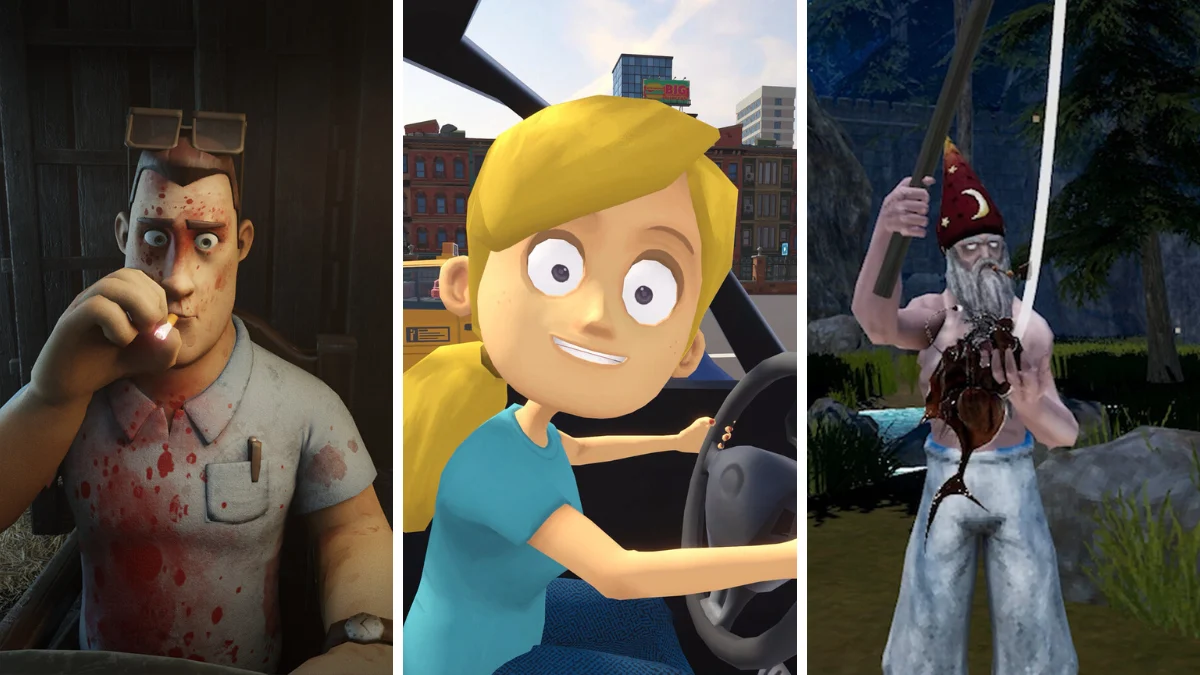
- The 2021 Golden Era: Five years ago, the festival spotlighted narrative-driven adventures, moody atmospheric puzzlers, and meticulously crafted artistic indies. Demos for games like Norco, Death Trash, Sable, Unpacking, and The Inheritance of Crimson Manor defined the event’s cultural footprint. Many of these titles went on to achieve critical acclaim, maintaining active communities years later.
- The Modern Era (2026): Fast-forward to the present, and the festival reflects a completely altered ecosystem. The sheer volume of submissions has exploded past 8,000, forcing developers to fight tooth and nail for visibility. Concurrently, player preferences have pivoted toward high-replayability, community-driven, and socially viral titles over deliberate, solitary narrative journeys.
Supporting Data and Economic Realities
The financial and developmental realities behind these 50 games vary wildly, highlighting the strange economics of modern indie game development.
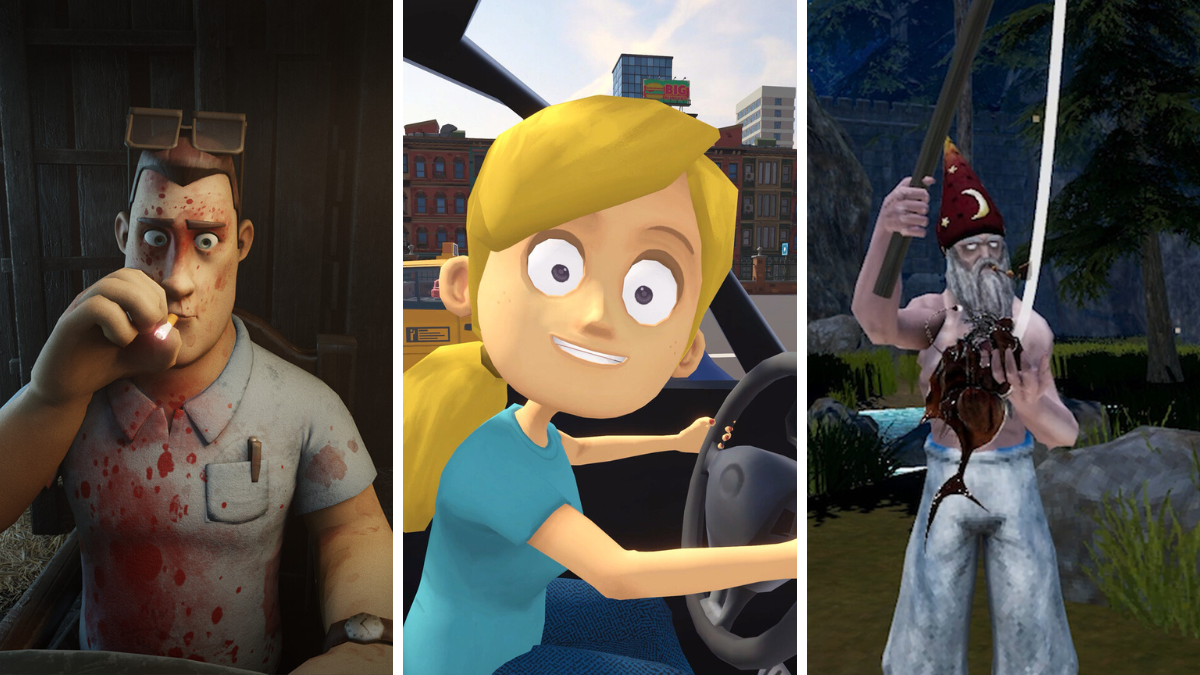
A prime example of the friction surrounding new technologies is Teach My Little Sister How To Drive, one of the rare top-50 titles to disclose the use of generative AI. The game relies heavily on a Large Language Model (LLM)-powered NPC to drive its core interactive mechanics. However, this technical choice comes with a staggering financial overhead: the developer reportedly spends upwards of $1,000 per month just to keep the demo’s backend servers and AI systems running for the public.
This starkly contrasts with the low-overhead, high-engagement loop of the casual co-op games that dominate the rest of the list. These titles rely on clean, accessible gameplay hooks that cost next to nothing to maintain during a demo phase, yet yield massive viral exposure through platforms like Twitch, TikTok, and YouTube.
Industry and Community Responses
The stark generational divide between past and present Steam Next Fest hits has not gone unnoticed by developers, critics, and players. Discussions across community hubs like Reddit and industry forums have dissected how quickly player demographics are shifting.
Veterans of the PC space have pointed out the undeniable influence of User-Generated Content (UGC) platforms and mobile ecosystems. A generation of gamers raised on accessible, freewheeling software—typified by platforms like Roblox and hyper-casual smartphone games—is now migrating to Steam en masse.
For traditional PC purists who grew up reading about sprawling narrative RPGs and complex strategy titles, the current landscape can feel disorienting. Yet, market analysts argue that Valve’s data simply reflects pure consumer demand: players want games that facilitate instant social connection and endless loops of amusement over slow-burn artistic statements.
Implications: What This Means for the Future of PC Gaming
The 2026 Steam Next Fest results carry profound implications for independent developers looking to break into the market over the next few years.
- The Shift in Indie Development Strategy: Developers who once focused on deep, single-player atmospheric experiences may find it increasingly difficult to break through the noise of Next Fest. To secure a spot in the top 50, studios are increasingly incentivized to build titles with inherent "streamer appeal"—games featuring chaotic multiplayer mechanics, emergent comedy, or compulsive progression loops.
- Skepticism Toward AI Innovation: The cold reception of AI-driven games in the top 50 sends a clear warning to studios attempting to bake LLMs or generative tools into their core gameplay. While technological experimentation will continue, consumers have shown little appetite for paying for—or even playing—demos where generative tools act as the primary selling point.
- A Fundamentally Different Steam Marketplace: The platform is no longer exclusively the domain of hardcore PC traditionalists. As younger, mobile-and-UGC-native demographics reshape the user base, the types of games that achieve viral breakout success will continue to evolve, permanently altering what it means to be an "indie hit" on PC.

