

The cinematic landscape of the 2020s has undergone a seismic shift. Once considered the "kiss of death" for creative reputation, video game adaptations have emerged as the new gold standard for blockbuster entertainment. Following the success of The Last of Us and the Fallout series, Hideo Kojima’s seminal 2019 masterpiece, Death Stranding, is officially making its transition to the silver screen. However, those expecting a frame-by-frame reenactment of Sam Porter Bridges’ arduous trek across a fractured America should prepare for something entirely different.
In a recent reveal, director Michael Sarnoski—fresh off the critically acclaimed A Quiet Place: Day One—has confirmed that the Death Stranding film will deviate significantly from the source material, opting instead to build a fresh narrative within the game’s haunting, post-apocalyptic universe.
The Genesis: A Project Years in the Making
The journey toward a Death Stranding film began in late 2022, a period during which Hideo Kojima’s production house, Kojima Productions, officially entered a partnership with the independent powerhouse A24. At the time, the announcement sent ripples of excitement through both the film and gaming communities. A24, a studio known for its commitment to auteur-driven, high-concept genre cinema, seemed the only logical home for a game as eccentric and philosophical as Death Stranding.
Yet, the project remained shrouded in mystery for nearly two years. As the industry grappled with shifting trends, the film sat in development, allowing the creative team the necessary breathing room to avoid the "rushed adaptation" trap that has doomed countless predecessors. Now, with the script nearing completion, the project has entered a pivotal phase of development, shifting from abstract concepts to concrete production planning.
Chronology of Development: From Concept to Script
- December 2022: Kojima Productions announces a partnership with A24 to produce a live-action adaptation of Death Stranding.
- Late 2023: Search for a director begins, with a focus on filmmakers capable of balancing high-stakes spectacle with intimate, character-driven storytelling.
- Early 2024: Michael Sarnoski is tapped to write and direct the feature, signaling a tonal shift toward the grounded, tension-filled atmosphere he mastered in A Quiet Place: Day One.
- Mid-2024 to Present: Sarnoski confirms he is in the final stages of drafting the screenplay, working in close collaboration with Kojima himself to ensure the "soul" of the game remains intact, even as the narrative path diverges.
A New Perspective: Why the Deviation?
During a recent appearance on IGN Live, while promoting his upcoming film The Death of Robin Hood, Michael Sarnoski offered a candid look at his creative process. The director was firm in his stance: the movie will not be a "delivery simulator" in the cinematic sense.
"I’m writing the script right now, and [am] hopefully almost done with that and really excited to dive into it," Sarnoski explained. He emphasized that rather than retreading the specific plot points of Sam Porter Bridges’ journey, the film will focus on "a story with my own characters and my own corner of the world."
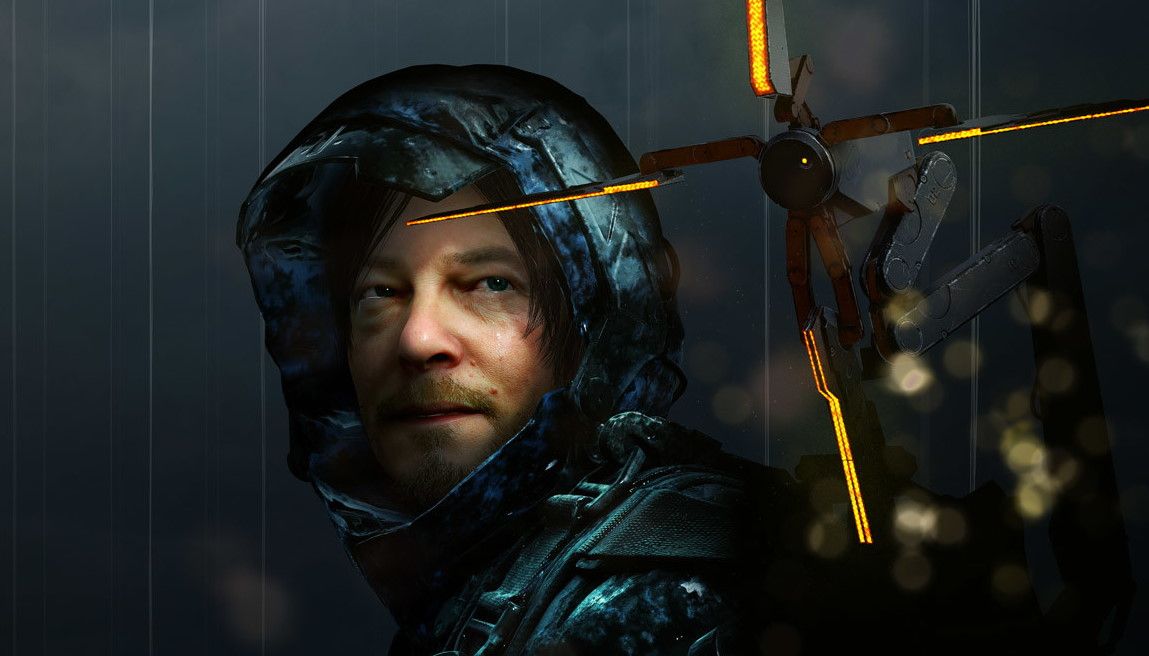
This approach addresses one of the most common criticisms of game-to-movie adaptations: the attempt to condense 50+ hours of interactive gameplay into a two-hour narrative. By focusing on a "corner of the world," Sarnoski is free to explore the themes of connection, isolation, and the "Death Stranding" phenomenon without being beholden to the specific plot beats that fans already know by heart.
Official Responses and Creative Synergy
The relationship between Sarnoski and Kojima appears to be one of mutual respect. Sarnoski noted that during a script review session, he was taken aback by the depth of Kojima’s cinematic literacy. "I was impressed that when he read this script, without me needing to talk to him about it, he knew every single [film] reference," Sarnoski shared. "He was like, ‘Oh, you’re doing a Come and See reference there. I see that. I like that.’ He just knows movies incredibly well."
A24, for their part, has signaled full confidence in the direction of the draft. According to Sarnoski, the studio has reviewed the latest iteration of the script and is "super excited and happy with it." This backing is crucial, as it suggests that the studio is prioritizing the director’s creative vision over a rigid adherence to the original game’s canon.
While the story will feature new protagonists, Sarnoski did offer a glimmer of hope for fans of the original game: "You might see some characters from the game pop up." This implies a world-building approach where the film exists in the same universe but acts as a side-story or an expansion, rather than a sequel or a remake.
Implications for the Genre: The A24 Factor
The Death Stranding project is not an isolated incident but part of a larger trend of high-prestige game adaptations. The industry is currently witnessing a "gold rush" of sorts, with 2027 being positioned as a landmark year for the medium, featuring everything from the live-action Legend of Zelda to the Minecraft movie.
However, the involvement of A24 in this space is unique. Their concurrent work on the Elden Ring adaptation, helmed by Alex Garland, underscores a desire to move away from the "popcorn flick" aesthetic that once defined video game movies. By employing directors like Garland and Sarnoski, studios are clearly aiming for critical acclaim and cultural relevance, moving the genre toward the status of "prestige television" or "arthouse cinema."
Reports from the set of the Elden Ring production—which include leaked footage of real-world locations like Conwy Castle in North Wales standing in for the game’s iconic architecture—suggest that these upcoming films are prioritizing location and atmosphere over heavy reliance on digital backlots. If this philosophy holds true for Death Stranding, we can expect a film that feels tangible, visceral, and hauntingly grounded.
Looking Ahead: The Future of the Kojima Cinematic Universe
Hideo Kojima has long been cited as one of the most "cinematic" game designers in the industry, often incorporating long, film-like cutscenes into his work. Consequently, the transition to film feels like a natural evolution for his brand. By allowing Sarnoski to explore his own "corner of the world," Kojima is effectively expanding his intellectual property into a transmedia franchise rather than a simple adaptation.
For the audience, this is a win-win scenario. Those who played the game will get to see the world of Death Stranding through a fresh lens, free from the constraints of having to "re-play" the story they already know. For newcomers, it provides an entry point that is not burdened by the dense lore of the original title.
As production continues to ramp up, the focus will inevitably shift toward casting. With Sarnoski’s penchant for working with strong, understated actors, the rumor mill will likely swirl with speculation about who will inhabit the desolate, rain-soaked landscapes of the film.
Ultimately, the Death Stranding film is shaping up to be a test case for the future of the medium. Can an auteur director take an established, beloved, and highly specific piece of interactive media and turn it into something that stands entirely on its own merit? If Sarnoski’s passion and Kojima’s blessing are any indication, the answer is a resounding yes. The delivery is coming, but it won’t be what we expect.

