

By Gaming Industry Desk
Published: October 2023
Main Facts
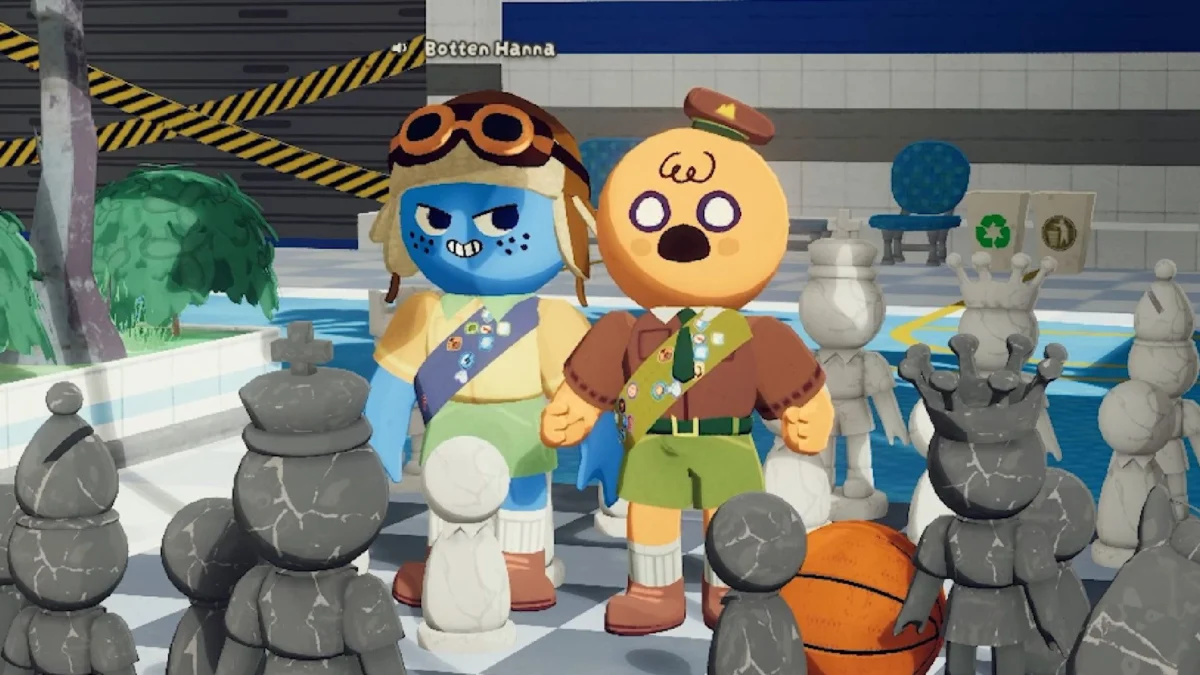
The viral co-op climbing phenomenon Peak has officially made its long-awaited debut on consoles, launching simultaneously across the PlayStation 5, Nintendo Switch 2, Xbox Series X|S, and Xbox PC. Developed collaboratively by indie powerhouses Aggro Crab (known for Another Crab’s Treasure) and Landfall (creators of Totally Accurate Battle Simulator and Haste), the game’s transition to console hardware has been accompanied by a massive update that introduces cross-play across all supported platforms.
However, this substantial expansion has come with a notable technical footprint on PC. Steam users quickly noticed that a new 10GB patch pushed the game’s overall file size to approximately 15GB—effectively tripling its original storage requirements.
According to Team Peak, the reason behind the sudden bloat is an unprecedented overhaul of the game’s level design architecture. Rather than relying on the traditional method of cycling through a small rotation of manually generated levels via frequent patches, the developers have baked a staggering 208 maps directly into the game’s permanent rotation. This move is designed to ensure long-term, endless replayability for players as the development team begins winding down active, hands-on content support for the title.
Chronology: From PC Sensation to Multiplatform Arrival
The journey of Peak from an unexpected indie darling to a multiplatform staple spans over a year of rapid growth, community building, and technical iteration.
- The Early PC Ascent: Peak first captured the attention of the PC gaming community over a year ago, spreading rapidly through viral streaming clips and word-of-mouth recommendations. Its chaotic blend of physics-based traversal and high-stakes cooperative multiplayer quickly earned it a dedicated player base on Steam.
- The Manual Patch Era: During its initial months on PC, Team Peak maintained player engagement through periodic updates. Every few weeks, the developers would manually generate and upload a fresh batch of approximately 30 daily maps via Steam patches, swapping out older environments to keep the experience feeling dynamic.
- Wrapping Up Active Development: As the lifecycle of the project matured, the joint development teams at Aggro Crab and Landfall began shifting their focus toward closing out active production on Peak while simultaneously preparing its console ports.
- The Console and Cross-Play Launch: The culmination of this development cycle arrived with the simultaneous launch of Peak on PlayStation 5, Nintendo Switch 2, Xbox Series X|S, and Xbox PC. Alongside the hardware expansion came full cross-play capabilities and the massive 10GB update that fundamentally altered the game’s map distribution system.
Supporting Data and Technical Breakdown
The technological implications of transitioning Peak from a PC-only indie hit to a cross-platform multiplayer ecosystem highlight the complex engineering challenges small studios face when scaling titles for modern hardware.
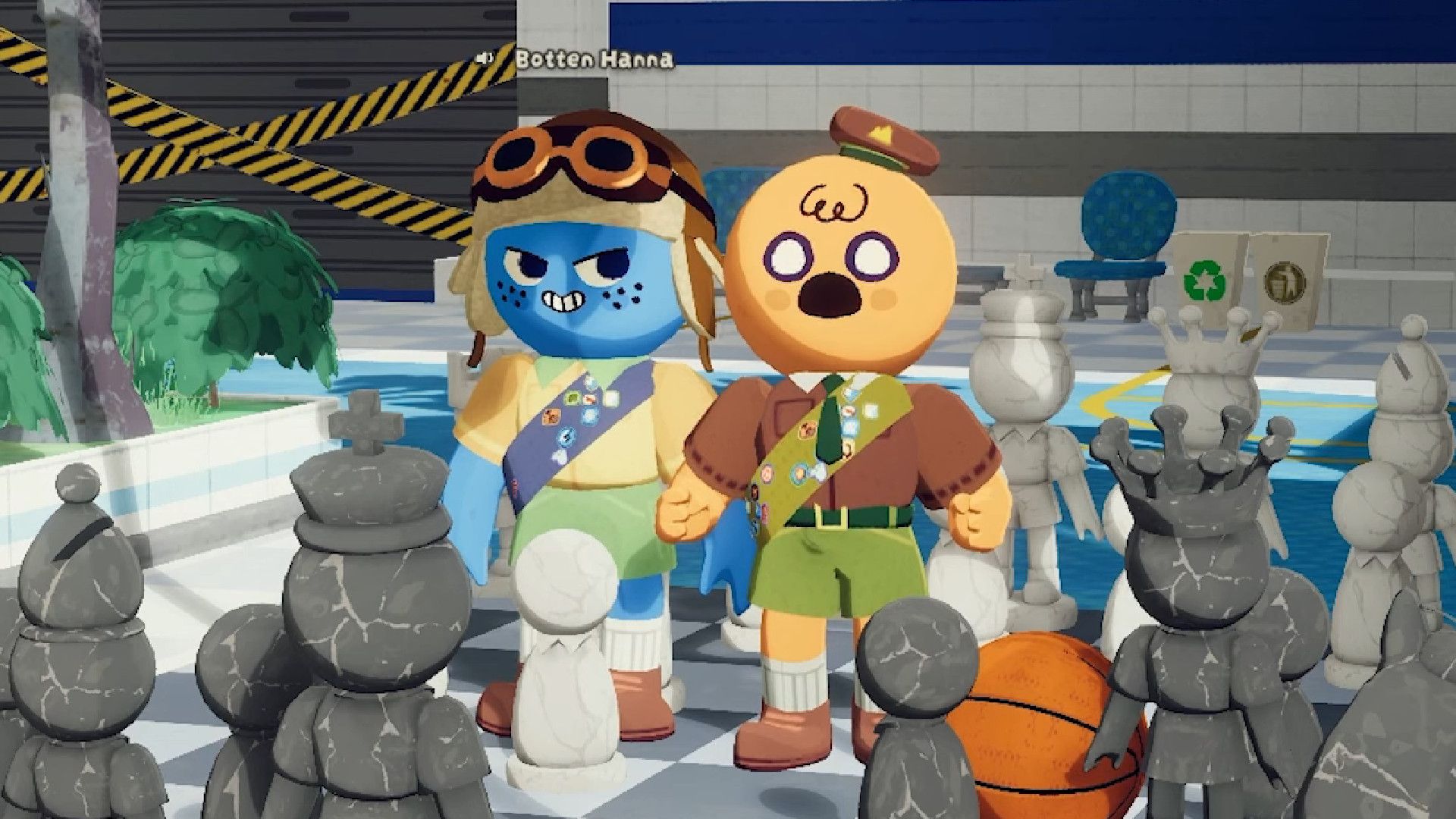
- File Size Tripling: Prior to the recent update, Peak hovered around a modest 5GB on Steam. Following the deployment of the 10GB patch, the game’s total footprint expanded to roughly 15GB.
- Map Rotation Metrics: Under the old system, players experienced daily rotations pulled from a pool of roughly 30 maps. The new update permanently integrates 208 maps directly into the game files, eliminating the need for frequent, rolling map-swap patches.
- Platform Ecosystem: The title is now fully accessible across five distinct ecosystems—PC (Steam and Xbox PC), PlayStation 5, Xbox Series X|S, and Nintendo Switch 2—all united via cross-play functionality.
- Immediate Technical Hotfixes: Despite the smooth rollout of cross-play, the developers quickly identified and addressed several platform-specific bugs:
- Steam Lobbies: A region-mismatch bug affecting lobby creation was identified and patched live on Steam.
- Switch 2 Clipping: Developers are actively working to resolve an issue causing player models to clip through floors when executing high jumps on the Nintendo Switch 2.
- Xbox Performance: Reported framerate dips on Microsoft’s current-gen consoles are currently under active investigation and patch deployment.
- Regional Pricing: PlayStation users in specific global markets, notably Brazil, faced temporary pricing discrepancies, with developers advising players to hold off on purchases for a few days while corrections are processed.
Official Responses and Developer Insights
In a detailed behind-the-scenes video breaking down the console release, Team Peak candidly addressed the community’s questions regarding the sudden file size increase and the philosophy driving their post-launch support.
Addressing the dramatic jump in storage requirements, the development team explained the logistical nightmare of their previous patch cycle:
"Why is it so big? So, the way daily map rotations work is we upload about 30-ish new maps in a Steam patch, which means every few weeks we’ve had to keep patching just to swap out the game with new maps that we have to manually generate on our side every god damn time."
With production on Peak officially wrapping up, the developers wanted to guarantee that the community wouldn’t be left stranded with a stale, repetitive experience once regular content drops ceased. By packaging all 208 maps directly into the game files, they have effectively future-proofed the title’s replayability.
"So, since we’re wrapping up development on Peak, we wanted to make sure there was still re-playability for players. Instead of the same 30 daily maps rotating forever, you get 208 maps rotating forever. That’s why the update was so big," the developers added.
Furthermore, the studio addressed minor launch anomalies with transparency, reassuring fans that critical lobby bugs on Steam were already neutralized server-side, while hardware-specific quirks on the Nintendo Switch 2 and Xbox Series X|S are being prioritized by engineering teams. Regarding regional pricing errors on the PlayStation Store—such as anomalies reported by players in Brazil—the team issued a straightforward consumer warning: "We’re fixing that, so feel free to wait a few days before purchasing."
Industry Implications: The Future of ‘Friendslop’ and Indie Longevity
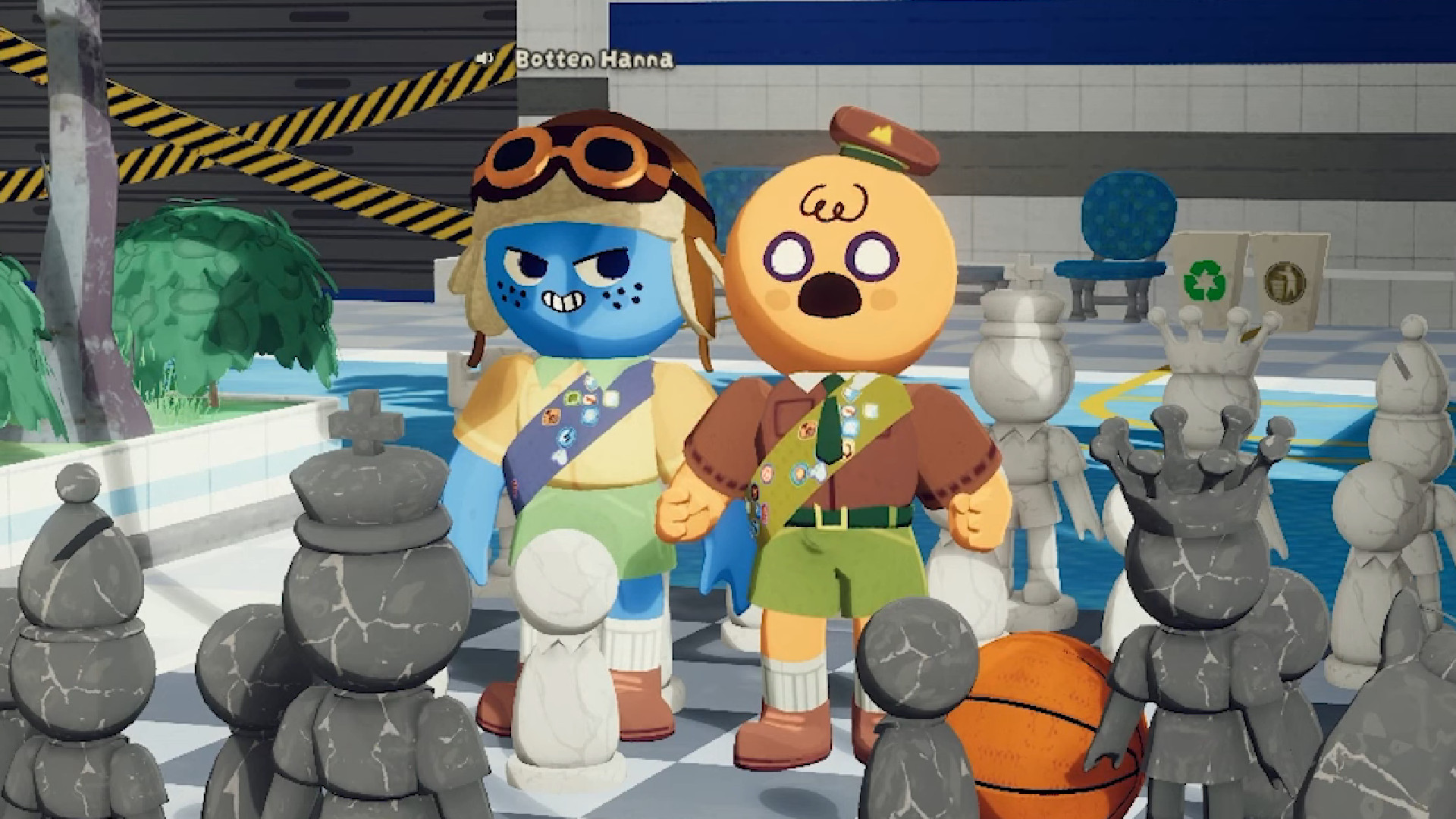
The success and maintenance strategy of Peak offer a fascinating case study in modern indie game development, particularly for titles built around cooperative multiplayer chaos—affectionately termed the "friendslop" genre by its creators and community.
In previous statements, co-developers Aggro Crab and Landfall have been vocal about the unsustainable nature of trying to turn every viral indie hit into an endless-service game modeled after giants like Fortnite. The studios have argued that unique, personality-driven co-op games simply would not exist if developers chained themselves to the treadmill of endless content updates and live-service monetization models.
By baking 208 maps directly into the game files and shipping a complete, cross-play-enabled console package, Aggro Crab and Landfall are opting for a sustainable conclusion to Peak‘s active development cycle. Rather than forcing a continuous stream of server-side updates that require constant resource allocation, the studios have chosen to hand a fully realized, self-sustaining sandbox directly to the players.
For fans of cooperative gaming, this approach demonstrates that an indie hit can achieve longevity and multiplatform ubiquity without sacrificing the creative independence that made it a viral sensation in the first place. As Peak enters its next chapter on consoles, the massive file size on Steam serves not as a technical warning, but as a monument to a complete, preserved, and endlessly replayable indie milestone.

