

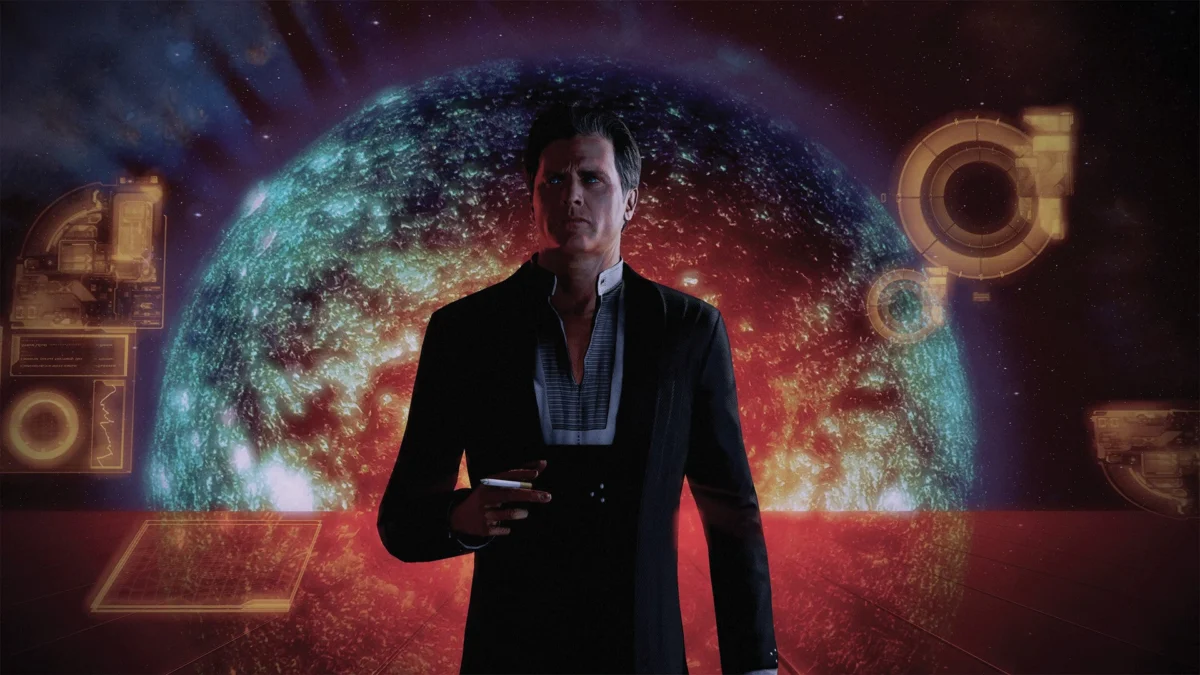
In the wake of recent industry restructuring, the shuttering of BioWare—a name synonymous with the golden age of Western role-playing games—has sent shockwaves through the gaming community. While the closure of the studio is a direct consequence of broader corporate consolidation under private equity-backed Electronic Arts (EA), the event represents more than just a fiscal footnote. It marks the conclusion of a thirty-year saga that saw one of the industry’s most creative engines slowly dismantled by the very forces intended to sustain it.
For those who grew up traversing the sword-and-sorcery landscapes of Baldur’s Gate or the interstellar politics of Mass Effect, the news is not merely an inconvenience of business; it is a profound cultural loss. The closure of BioWare, part of a larger wave of 400 layoffs across EA, serves as a grim epitaph for a studio that once defined the gold standard for narrative-driven gaming.
A Legacy Built on Narrative Excellence
From 1998 to 2014, BioWare occupied a singular space in the gaming pantheon. Its early output—Baldur’s Gate, Neverwinter Nights, and Knights of the Old Republic—did more than entertain; they resurrected the Dungeons & Dragons framework for a digital generation, influencing everything from contemporary literature to modern prestige television.
The studio’s ability to weave complex, character-driven narratives into robust mechanical systems created a sense of agency that remains rare in the AAA space. Even after its 2007 acquisition by Electronic Arts, BioWare maintained a period of sustained brilliance, releasing the Mass Effect trilogy and the critical darling Dragon Age: Inquisition. However, the transition from an independent, creator-led studio to a subsidiary of a massive public conglomerate—and eventually a target of private equity maneuvering—introduced a friction that would eventually erode the studio’s foundation.
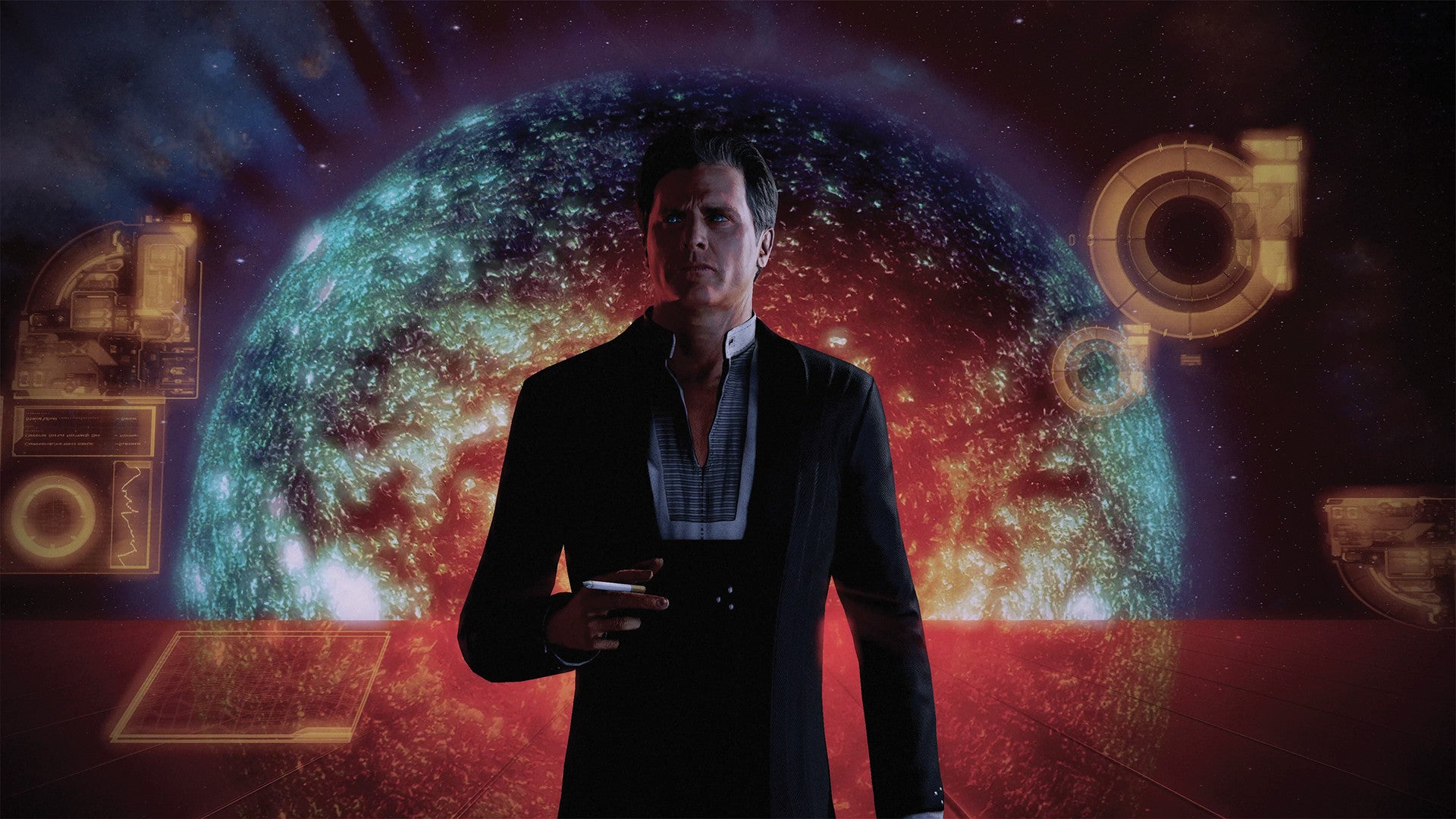
The Chronology of Erosion: A Decade of Mismanagement
The collapse of BioWare was not a sudden event, but a slow, grinding decline. The trajectory can be traced through several distinct phases:
1. The Era of Mandatory Multiplayer (2010–2015)
Under the leadership of the time, EA mandated that its core franchises adopt multiplayer components to chase the burgeoning "games-as-a-service" (GaaS) model. While Mass Effect 3 managed to integrate a surprisingly competent co-op mode, the broader directive forced developers to pivot away from the studio’s core competency: single-player storytelling. This era marked the beginning of the "feature creep" that would eventually plague future projects.
2. The Departure of Visionaries (2012)
The retirement of co-founders Ray Muzyka and Greg Zeschuk in 2012 was a watershed moment. As the original architects of the BioWare philosophy exited the stage, the studio lost its primary buffer against the encroaching demands of corporate stakeholders. Without that internal protection, the creative direction of the studio began to shift toward the shifting whims of market trends rather than the organic vision of its developers.
3. The Anthem Debacle (2019)
If the cracks were visible before, the launch of Anthem shattered the foundation. An ambitious attempt to pivot entirely into the live-service space, Anthem was a production nightmare defined by "BioWare Magic"—a term used to describe the studio’s penchant for fixing broken games in the final months of development. This time, the magic failed. The critical and commercial failure of Anthem left the studio’s reputation battered and its internal structure in disarray.

4. The Veilguard and the End (2024)
Dragon Age: The Veilguard was the final product of a studio attempting to reconcile its past identity with the pressure to fit into the modern, trend-chasing mold of EA. The game stands as a testament to this identity crisis: beautiful, high-fidelity environments and strong writing exist alongside the disjointed, stitched-together mechanics of a project that had been pivoted multiple times during its development cycle. It was a game designed by committee in an environment of constant instability.
Supporting Data: The Cost of Corporate Consolidation
The closure is inseparable from the reality of private equity influence. When a business is acquired by a private equity firm, the foundational strategy is frequently "leveraged buyouts." The target company is burdened with debt, and the path to repayment is almost exclusively achieved through drastic cost-cutting.
In this instance, the "fat" being trimmed was one of the most talented development teams in the world. The human cost—400 jobs lost across EA, with the BioWare core being the most visible casualty—is staggering. Furthermore, the cancellation of a long-gestating Mass Effect project, which was reportedly in "early development" despite years of trailers, highlights the sheer waste of capital and human potential. EA’s decision to cut projects that did not fit into the narrow, profitable silos of sports games and military shooters underscores a complete failure to value long-term creative intellectual property.
The Implications: A Warning for the Industry
The "BioWare model" of death—talented teams undermined by weak management, trend-chasing, and a refusal to allow creative projects the time they need to breathe—is becoming the industry standard.

The Death of the Mid-Budget Narrative Game
The closure suggests a future where the "prestige" single-player RPG is an endangered species. As publishers consolidate, they favor games that offer infinite monetization loops over those that offer a singular, transformative experience. BioWare’s demise sends a chilling message to other studios: no amount of legacy, critical acclaim, or cultural impact can save a studio when the bottom line is dictated by short-term fiscal cycles.
The "Private Equity" Trap
The involvement of private equity in gaming is a relatively new, and increasingly toxic, variable. Unlike traditional publishers who, despite their faults, occasionally understand the value of brand equity, private equity firms view studios as assets to be liquidated or optimized for immediate return. When the goal is to make the numbers look good for the next quarter, the long-term investment required to build a world-class RPG is viewed as a liability, not an asset.
Conclusion: A Toast to the Fallen
We are left to wonder what could have been. Could BioWare have survived if it had remained independent? Could it have flourished if EA had allowed it to return to its roots after the Anthem disaster? These questions are now moot.
The tragedy of BioWare is not just that a great studio is gone; it is that the industry has learned so little. The same mistakes—the same forced pivots, the same disregard for developer health, the same obsession with the latest market fad—are currently being repeated at dozens of other studios across the globe.

For the developers who spent years pouring their souls into worlds like Thedas and the Citadel, the closure is a personal and professional heartbreak. For the industry, it is a wake-up call that goes unheeded. As long as the people making the decisions are shielded from the consequences of their failures, and as long as the "golden goose" is sacrificed to feed the immediate appetite of the market, we will continue to lose the very studios that make gaming a medium worth celebrating. BioWare is gone, and the industry is significantly poorer for it.

