

In the rapidly evolving landscape of 2026 gaming hardware, the pursuit of immersion has reached a fever pitch. Manufacturers are constantly pushing the boundaries of aspect ratios, curvature, and screen real estate. Enter the LG UltraGear Evo 52G930B, a gargantuan 52-inch gaming monitor that demands both a massive desk and an equally massive commitment from its user. While it promises to redefine your field of view, the reality of its performance—and its positioning in a market saturated with superior display technologies—paints a complex picture for prospective buyers.
The Core Proposition: Immersion at a Cost
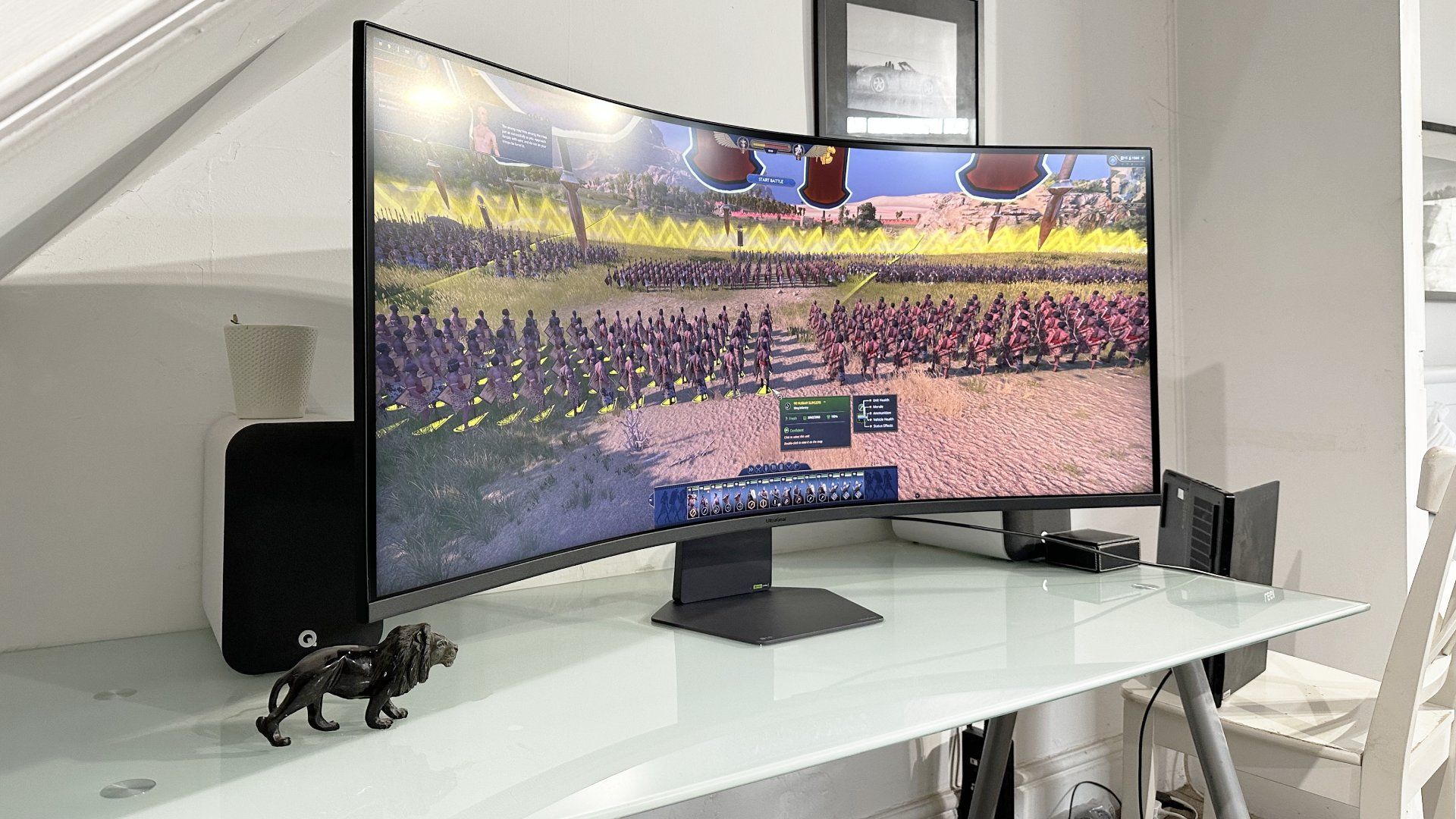
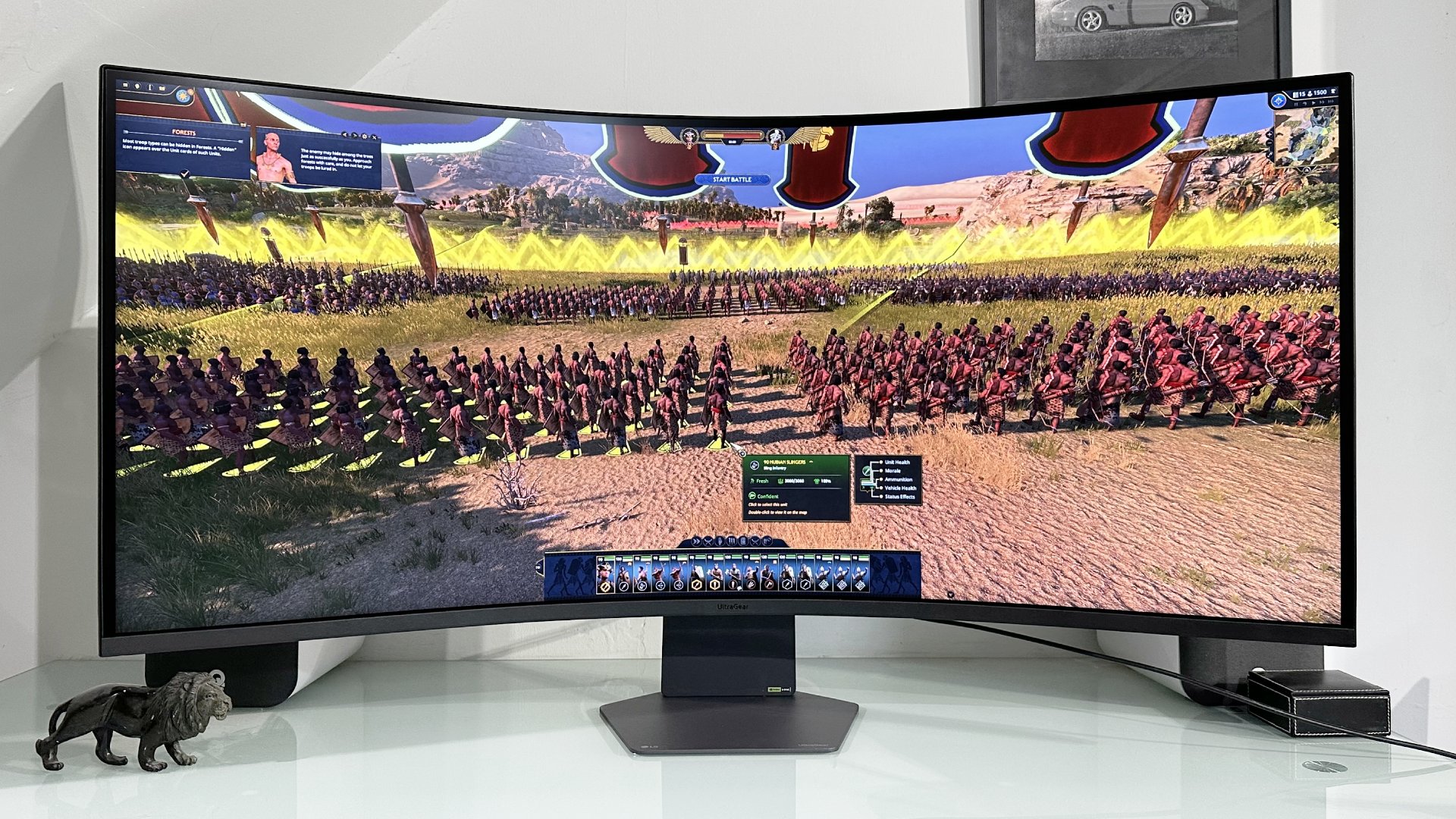
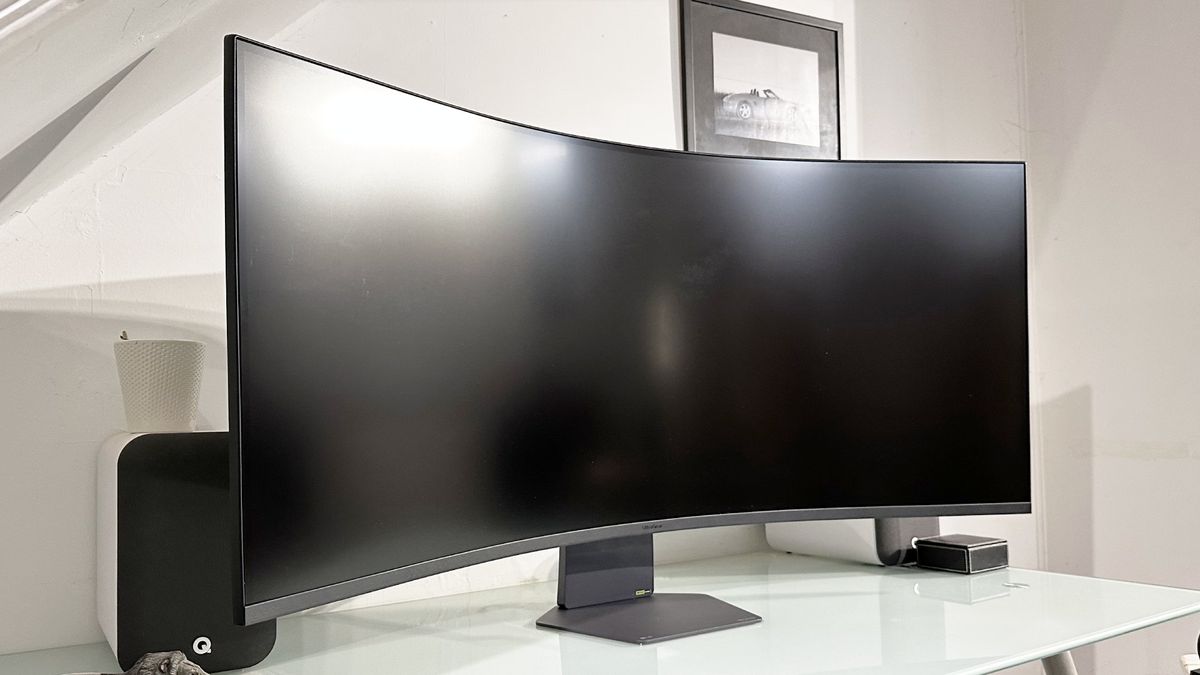
The LG UltraGear Evo 52G930B is, by any metric, an imposing piece of hardware. Featuring a 5K2K resolution (5,120 x 2,160) spread across a 52-inch diagonal, the monitor is designed to act as a singular, sweeping window into virtual worlds. However, unlike the wave of OLED panels that have become the gold standard for high-end gaming, LG has opted for an "old-school" Vertical Alignment (VA) panel.
This choice is the central point of contention. At a retail price point of $1,699 (£1,499), the 52G930B enters a bracket where OLED technology is not only expected but standard. The absence of self-emissive pixels or even a mini-LED backlight system puts the UltraGear Evo at a distinct disadvantage regarding contrast, black levels, and HDR performance.
A Chronology of the 52-inch Segment
To understand the 52G930B’s place in history, one must look at the recent trajectory of ultrawide monitors. For years, 34-inch and 49-inch panels held the crown for "ultra-immersion." By late 2025 and into 2026, brands began experimenting with even wider canvases to satisfy the simulation-racing and strategy-gaming crowds.
The 52G930B follows in the footsteps of the 57-inch "dual-UHD" giants from competitors like Samsung and Acer. However, whereas those models aimed for a higher resolution (7,680 x 2,160) and incorporated sophisticated local dimming, LG’s offering feels somewhat like a mid-cycle compromise. It arrived on the market as a "big-screen" solution for those who found the 57-inch models too tall or too taxing on their GPUs, yet it finds itself fighting a losing battle against the superior contrast of its larger, more technically capable rivals.
Technical Specifications and Reality
The spec sheet tells a tale of two worlds. On one hand, you have a 240Hz refresh rate and a 1ms gray-to-gray response time, which are competitive for high-speed gaming. On the other, the panel architecture creates significant hurdles.
| Feature | Specification |
|---|---|
| Screen Size | 52-inch |
| Resolution | 5,120 x 2,160 (5K2K) |
| Refresh Rate | 240 Hz |
| Panel Type | VA |
| HDR Rating | DisplayHDR 600 (No Local Dimming) |
| Price | $1,699 / £1,499 |
The lack of local dimming means that the "DisplayHDR 600" label is largely performative. While the VA panel offers a decent native contrast ratio of 4,000:1—better than most IPS panels—it cannot compete with the infinite contrast of OLED or the pinpoint precision of mini-LED. Furthermore, our testing revealed that even with pixel overdrive enabled, the panel struggles with ghosting in dark transitions, a classic limitation of VA technology that becomes particularly noticeable during fast-paced movement in dimly lit game environments.
The Ergonomic Dilemma
Beyond the technical specs, the physical reality of the 52G930B is a hurdle. The 1000R curve is aggressive. When sitting at a standard desk distance, the monitor truly does wrap around the user, which is a triumph for flight and racing simulators. However, for general desktop use or productivity, the sheer depth required to accommodate the curvature means this monitor will effectively consume an entire workspace.
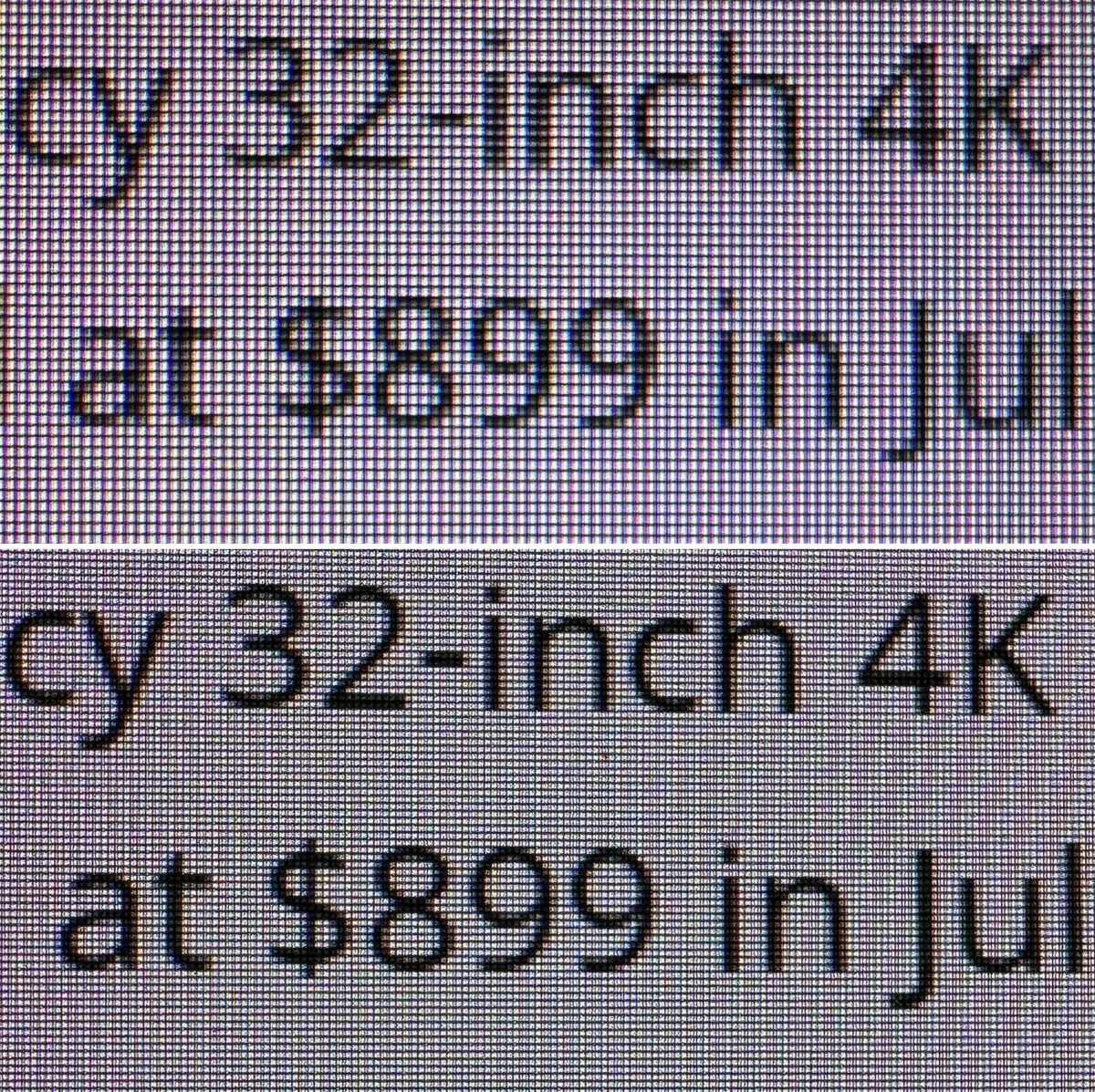
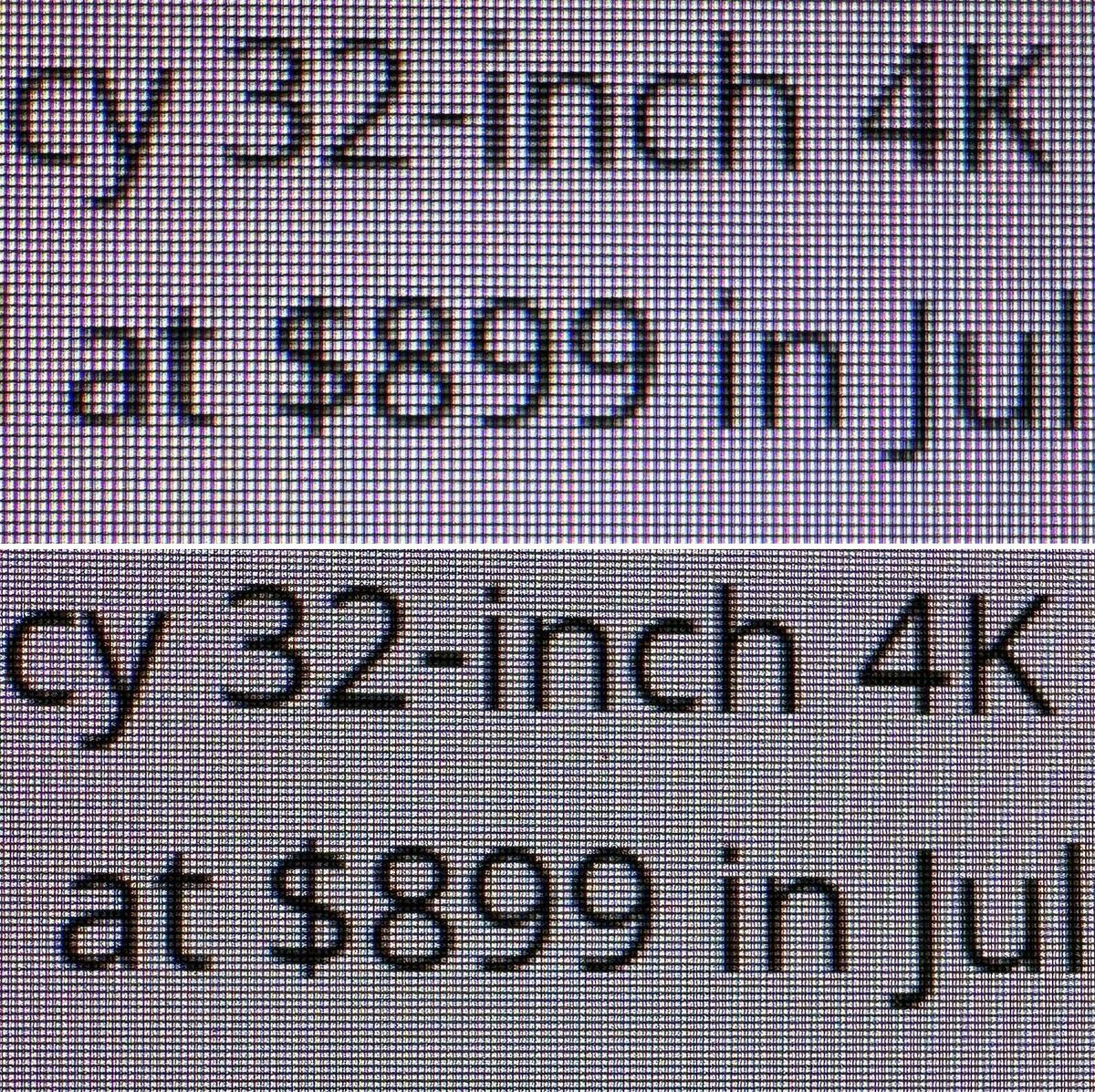
Unlike a flat 4K television—which could arguably offer a larger screen for less money—the 52G930B is designed specifically for close-range viewing. The 107 pixels per inch (PPI) density is acceptable, providing enough clarity for text and UI elements, but it lacks the sharp, "retina-like" crispness found on 32-inch 4K monitors. It is a balancing act between size and pixel density, and for many, the trade-off may not justify the desk space required.
The User Experience: Where It Shines
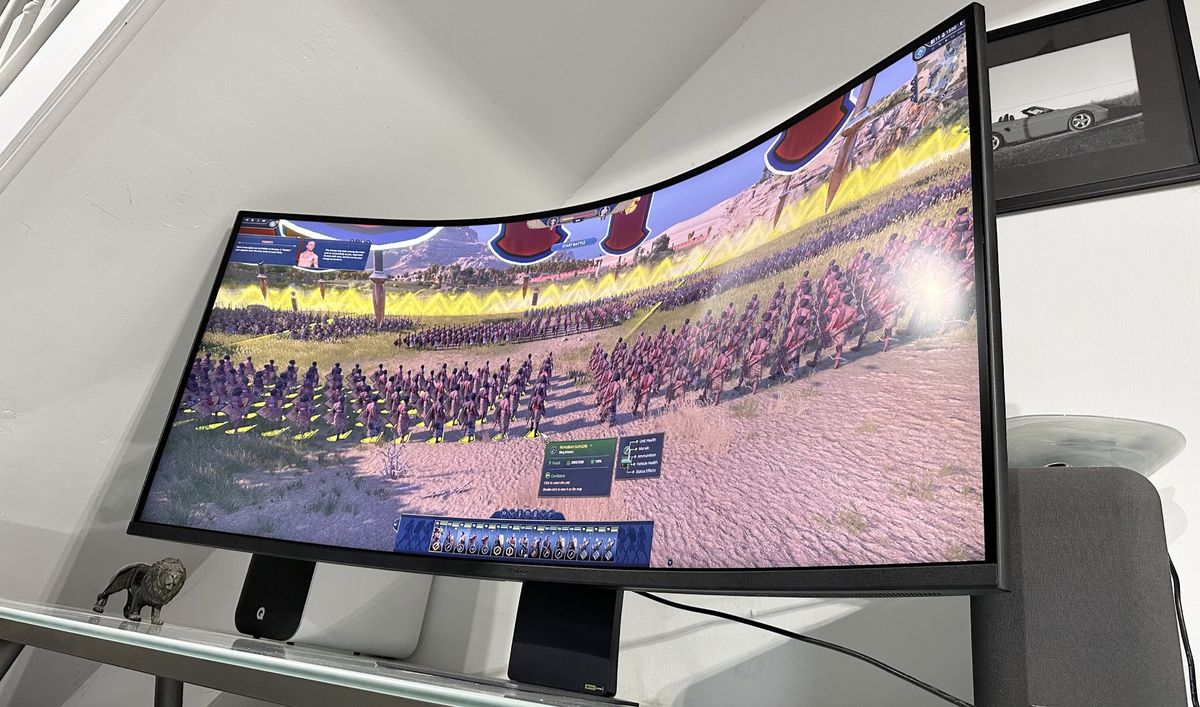
Despite the criticisms regarding panel technology, the 52G930B is not without its merits. In specific genres—namely Grand Strategy (e.g., Total War) and Simulation (e.g., iRacing or Microsoft Flight Simulator)—the experience is transformative. Having an expansive, uninterrupted view of a massive battlefield or a cockpit dashboard provides a level of situational awareness and "presence" that traditional 16:9 or even 32:9 monitors cannot replicate.
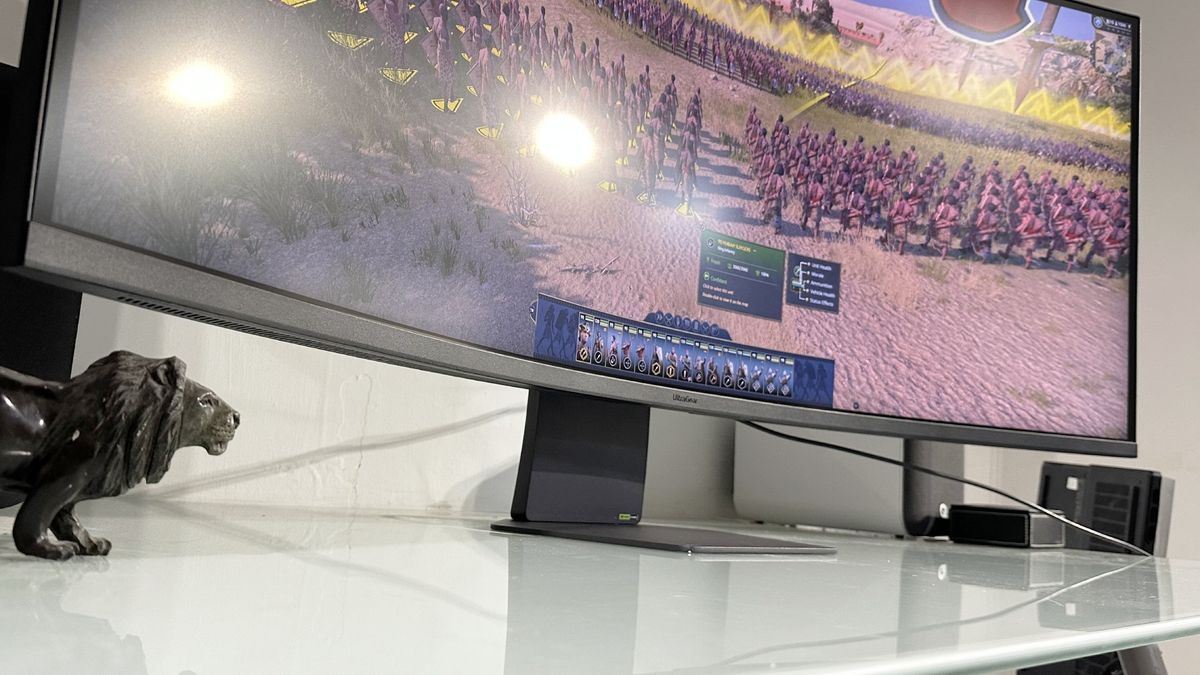
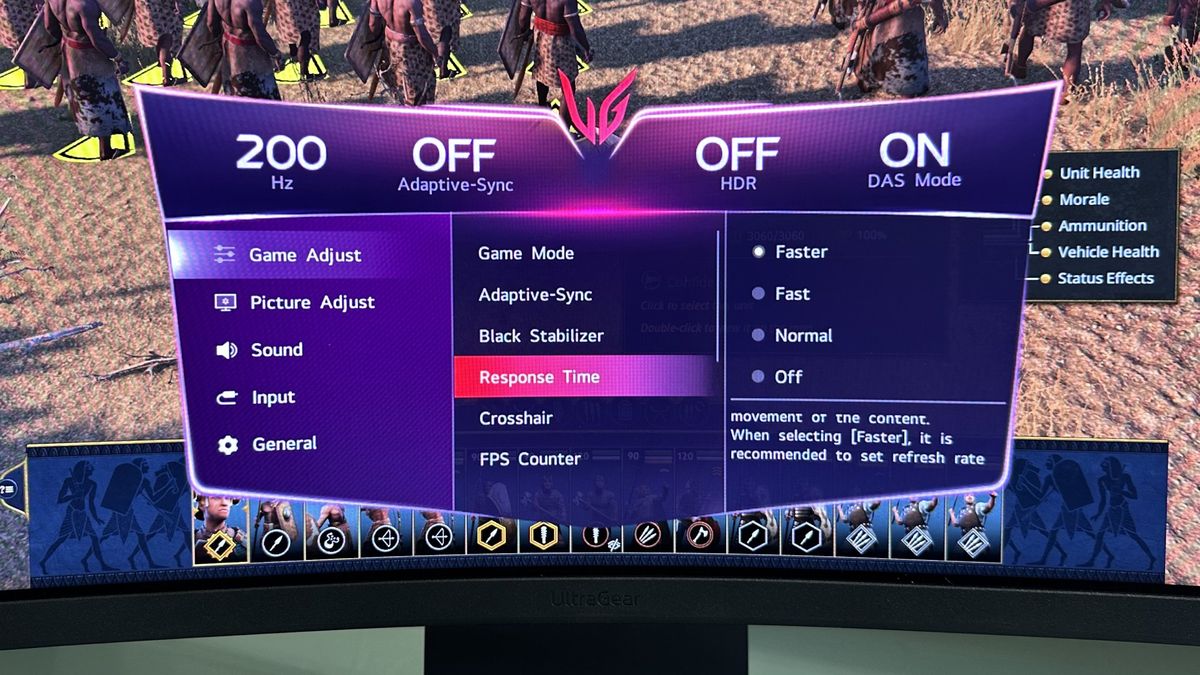
The inclusion of granular OSD (On-Screen Display) controls allows for deep customization of color spaces and overdrive settings. However, it is frustrating that the best image quality modes lock out the user’s ability to adjust pixel overdrive, forcing a choice between color accuracy and motion clarity.
Competitive Analysis and Market Implications
The most damning aspect of the LG UltraGear Evo 52G930B is the current market environment. At $1,699, it is positioned directly against the Samsung Odyssey Neo G9 G95NC and the Acer Predator Z57.
Both the Samsung and Acer alternatives offer:
- Higher Resolution: 7,680 x 2,160 (Dual-UHD).
- Better HDR: True full-array local dimming (FALD) with thousands of zones.
- Larger Canvas: 57 inches of screen real estate.
With the Samsung model currently retailing for as low as $1,449 in some markets, the LG 52G930B is in a precarious position. It is effectively asking the consumer to pay a premium for a "smaller" experience that lacks the technical bells and whistles of the competition.
Conclusion: Who is this for?
The LG UltraGear Evo 52G930B is a niche product for a specific kind of enthusiast. It is for the gamer who values raw, physical immersion above all else and who is specifically deterred by the excessive height of 57-inch monitors. It is for the simmer who wants a wrap-around experience but lacks the GPU overhead to drive a true dual-UHD resolution at high framerates.
However, for the vast majority of PC gamers, this monitor represents a difficult purchase. In a year where high-refresh-rate OLEDs are more accessible than ever, choosing a VA panel at this price point feels like a step backward. Unless the specific form factor of the 52-inch 5K2K display is your absolute priority, the market currently offers better, faster, and more visually striking alternatives for less money.
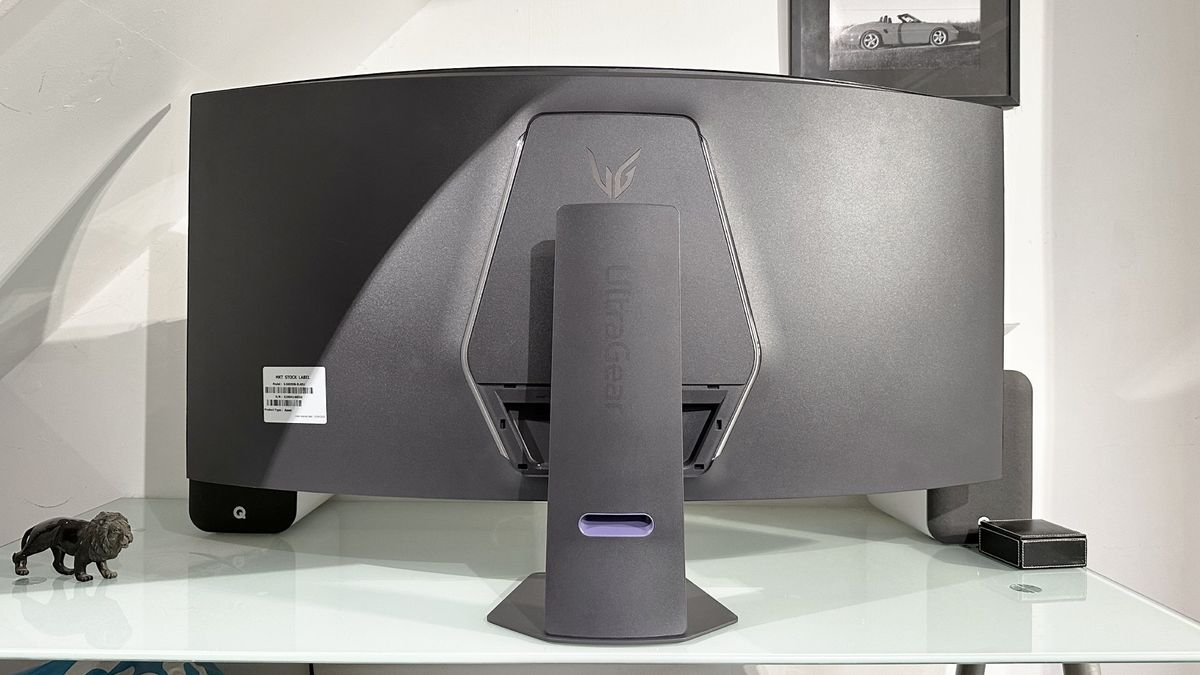
For those who decide to take the plunge, be prepared for a long setup process, a dominant desk presence, and the knowledge that you are paying for the "wow" factor of a massive screen, even if the underlying technology is starting to show its age. The 52G930B is an impressive feat of engineering that unfortunately arrived in a market that has already moved on to brighter, faster, and more contrast-rich horizons.

